








The global belt market is projected to reach $45.6 billion by 2030, with custom and western-style belt buckles seeing 25% year-over-year demand growth. Starting a belt buckle business offers a lucrative entry point for traders, brands, e-commerce platforms, and retail buyers. With relatively low upfront investment, you can build a highly profitable venture with margins reaching 60–80%.
This comprehensive guide walks you through actionable business models, profit calculations, and a clear 30-day launch roadmap. From concept to first sale, you’ll learn how to launch a focused online store or establish a strong foundation to expand into a broader accessories brand. Ready to capture market share? Let’s explore your step-by-step path to success.
Why Belt Buckles? Understanding the Market Opportunity

Before we get into the how-to, let’s talk about why this market is so compelling right now.
The Western Revival Is Real
Thanks to celebrities like Zendaya, Hailey Bieber, and the explosive popularity of shows like “Yellowstone,” western fashion has moved from niche to mainstream. Oversized belt buckles are no longer just for rodeo enthusiasts—they’re appearing on fashion runways, in music videos, and across social media feeds. This cultural shift has created a perfect storm of demand.
Multiple Revenue Streams
What makes a belt buckle business particularly attractive is its versatility. You can sell directly to consumers through e-commerce, supply retailers as a wholesaler, set up mall kiosks for high-traffic visibility, or focus on corporate customization for brands and events. This flexibility means you can start small and scale in the direction that works best for your goals.
Customization Is Where the Margin Lives
Personalization now accounts for 15% of all belt sales in the United States, and that share keeps growing — but the number that should really catch your attention as a business owner is what it does to your margin. A standard stocked buckle might earn you 40-50% margin; a customized order (corporate logo, monogram, event trophy) routinely pushes past 65-70%, because buyers aren’t comparison-shopping on price the way they do with generic inventory. If you’re deciding where to put your limited startup capital, custom orders are the fastest path to healthier unit economics — not just a nice-to-have feature.
Choose Your Business Model
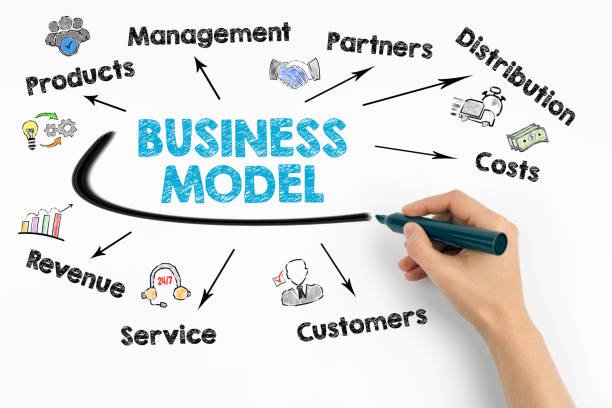
One of the first decisions you’ll make is which of these belt buckle business ideas aligns with your resources, expertise, and goals. Let’s break down your options:
E-commerce Platform
Starting an online store is the most accessible entry point, with startup costs of $5,000-$15,000. Launch a Shopify site, list on Amazon and Etsy, and reach customers nationwide. If you’re wondering how to sell belt buckles online without holding a warehouse full of inventory, this model — paired with a low-minimum supplier — is the lowest-risk way in. Your “store” never closes, and overhead remains relatively fixed as you grow.
Wholesale Distribution
If you have B2B sales experience, this could be your sweet spot. You’ll need $15,000-$50,000 for inventory, but you’ll build recurring revenue through retail partnerships. Volume orders mean consistent cash flow.
Mall Kiosk/Retail Booth
Mall kiosks offer high visibility and impulse purchases. Invest $10,000-$30,000 in setup, and successful kiosks can generate $150,000-$600,000 annually, especially during holiday seasons.
Custom Manufacturing Focus
This premium approach targets brands needing unique designs. Profit margins can reach 70-85%, particularly when partnering with manufacturers offering flexible order quantities.
Your Step-by-Step Launch Plan
Step 1: Research Your Niche

Not all belt buckles are created equal. Western and cowboy designs dominate, accounting for 70-80% of sales, but there’s growing demand for minimalist styles and sustainable materials. Check what’s selling on Etsy and Amazon, visit trade shows, and join relevant communities. This research prevents ordering inventory that won’t sell.
Step 2: Crunch the Numbers

For an e-commerce business, expect initial investment of $5,500-$15,000 covering website setup, inventory (250-500 pieces), photography, marketing, and legal setup.
With an average sale price of $45 per buckle and a 65% belt buckle profit margin, selling just 10 buckles daily generates approximately $164,000 in annual revenue with $107,000 in gross profit.
Step 3: Find Your Supplier Partner

This is perhaps the most critical decision you’ll make. Your supplier impacts your product quality, profit margins, delivery times, and ultimately your reputation.
What to Look For:
- Quality materials: Zinc alloy, brass, and pewter are standards for durability
- Customization capabilities: Can they handle your unique designs?
- Reasonable minimums: Many manufacturers require 500-1,000 piece minimums, which can tie up $5,000-$15,000 in a single order
- Fast turnaround: In the accessories market, speed matters
- Design support: Do they help bring your ideas to life?
Here’s where working with the right partner makes all the difference. Unique Custom Pins offers something rare in the industry: no minimum order quantity. This means you can test designs with small batches, validate market demand, and scale up only what sells. Plus, with free design services and 12-hour realistic mockups, you can move from concept to product faster than you might think possible.
Step 4: Build Your Product Line Strategically
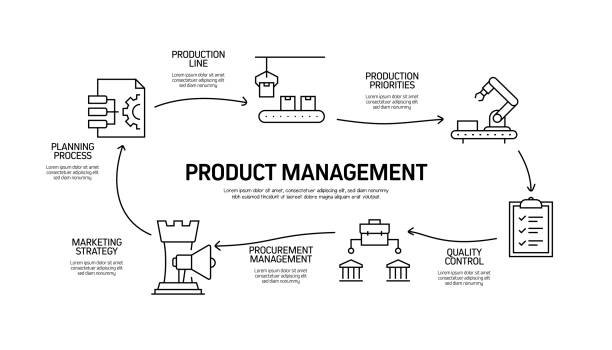
Start with a focused collection rather than trying to offer everything. Here’s a smart initial inventory breakdown:
- Core Western Styles (60%): Classic cowboy designs, longhorns, horses, American themes
- Statement Pieces (25%): Oversized buckles, unique finishes, conversation starters
- Specialty Items (15%): Seasonal designs, customizable blanks, niche themes
Keep your initial order conservative. It’s better to restock a bestseller than to have capital tied up in slow-moving inventory. Track what sells quickly and double down on those winners.
Step 5: Price for Profit

Here’s a simple pricing framework for protecting your belt buckle profit margin:
If you’re sourcing quality buckles at $12 each, aim for a retail price of $45-$55. This gives you room for occasional promotions while maintaining healthy margins. For premium custom designs, don’t be afraid to charge $75-$150+. Customers buying personalized items expect and accept higher prices.
For wholesale, plan to offer 40-50% off your retail price. Yes, margins are lower, but volume makes up the difference, and wholesale clients handle their own marketing and customer service.
Marketing Your Belt Buckle Business

Having great products means nothing if nobody knows about them. Here’s how to get the word out — and how to sell belt buckles online once the product line is ready.
Social Media Is Your Best Friend
Instagram and Pinterest are visual platforms perfect for showcasing belt buckles. Post lifestyle photos showing how buckles complete an outfit, not just product shots against white backgrounds. Create short videos demonstrating different styling options. User-generated content—customers sharing photos of themselves wearing your buckles—builds trust and provides free marketing.
TikTok offers explosive growth potential. Quick videos showing “belt buckle transformations,” western outfit ideas, or even the story behind specific designs can go viral, driving significant traffic to your store.
SEO and Content Marketing
Create blog content that helps your customers. “How to Style Western Belt Buckles,” “Belt Buckle Etiquette Guide,” or “History of Rodeo Trophy Buckles” all attract search traffic while establishing your expertise. Each piece of content is a long-term asset that continues generating leads.
B2B Outreach for Wholesale Success
If you’re pursuing wholesale, trade shows remain incredibly effective. MAGIC Las Vegas e ASD Market Week attract thousands of retail buyers actively seeking new products. Budget $2,000-$5,000 for a first-time booth (registration, travel, samples, and printed line sheets), and treat your first show as market research as much as a sales event — note which designs buyers pick up versus which they walk past.
Don’t overlook direct outreach between shows. Identify 20-30 western wear stores, boutiques, and gift shops in your target region, and reach out with a short, personalized email — not a mass blast. Include 3-4 photos, your wholesale price sheet, and an easy first-order incentive (10-15% off, or free shipping on the first case). Most independent retailers order in small test batches before committing, so make that first order painless.
Scale Your Success
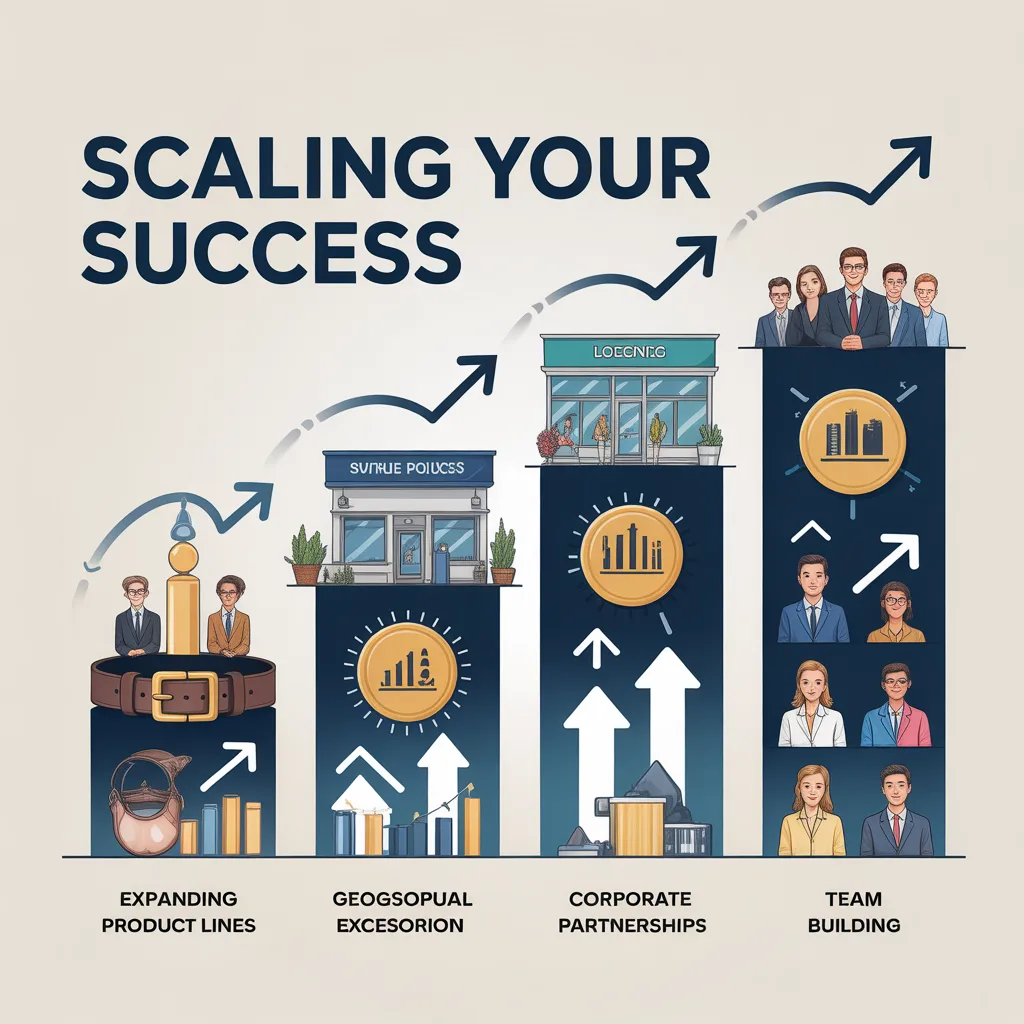
Once you’ve validated your market and established consistent sales, it’s time to think bigger:
Expand Your Product Line: Add complementary items like leather belts, belt care products, or display cases. Each additional product increases your average order value — and is often the first step business owners take when they decide to start an accessories business more broadly, rather than staying in a single category.
Geographic Growth: If you started with a mall kiosk, open a second location in a different mall or city. For e-commerce, expand to international shipping or marketplace platforms you haven’t yet tried.
Private Label and Corporate Sales: Partner with brands who want custom buckles featuring their logo. Corporate gifts, employee recognition programs, and event merchandise represent significant revenue opportunities with larger order sizes.
Build a Team: Initially, you might run everything yourself. As revenue grows, hire customer service help, bring on a marketing specialist, or partner with a fulfillment center to handle shipping. Your time is better spent on strategy and growth than packing boxes.
Overcome Common Challenges
Every business faces obstacles. Here’s how to navigate the most common challenges when you start a belt buckle business:
Managing Seasonal Fluctuations: Revenue often spikes 300-400% during November and December. Plan for this by building cash reserves during slow months and potentially ramping up inventory in Q3 to prepare for the holiday rush.
Standing Out in a Crowded Market: Your differentiation might be exceptional customer service, a unique design aesthetic, focus on sustainable materials, or specialization in a specific niche (like motorcycle-themed buckles). Don’t try to compete on price alone—that’s a race to the bottom.
Quality Control: Order samples from any new supplier before committing to large orders. One batch of poor-quality buckles can damage your reputation far more than the cost savings were worth.
Your 30-Day Action Plan
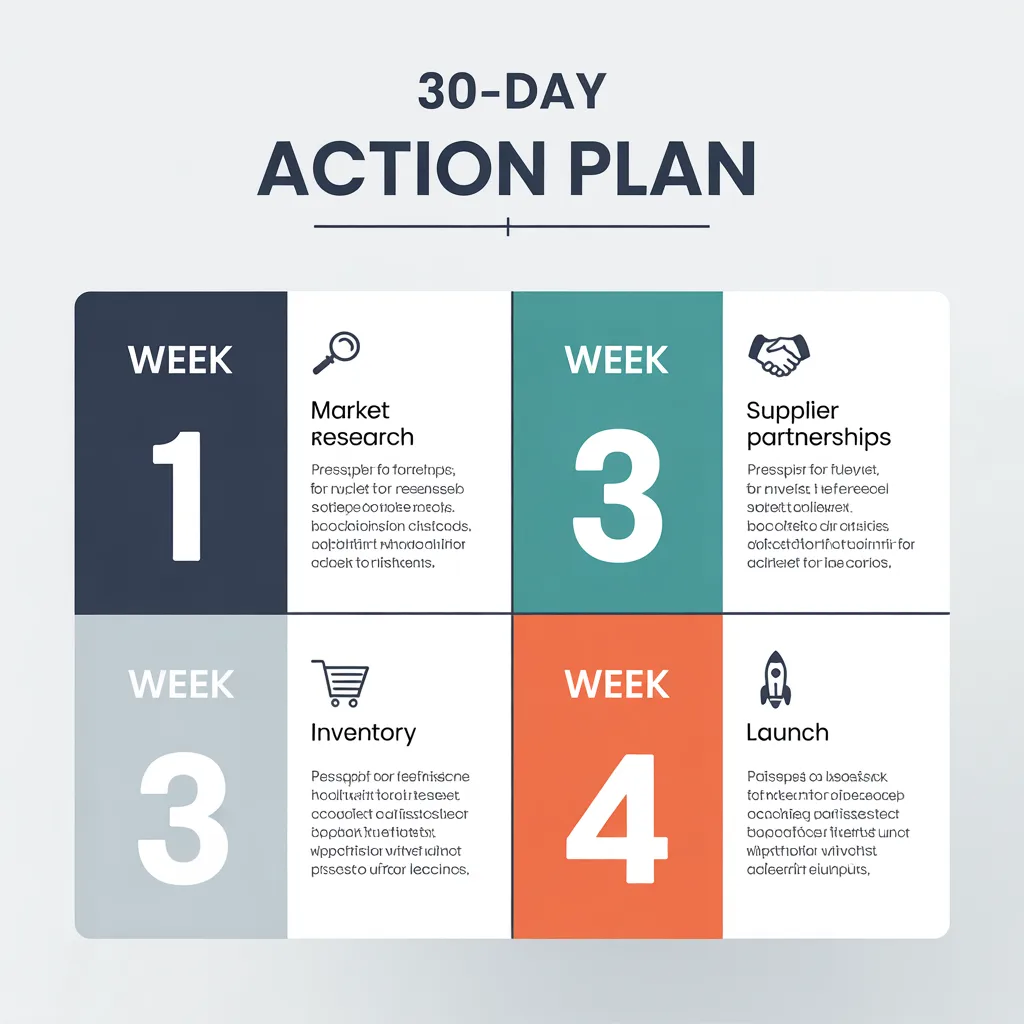
Ready to get started? Here’s what to do in your first month:
Week 1: Complete market research, decide on your business model, and identify your niche. Create a basic business plan with financial projections.
Week 2: Register your business, set up your sales channels (website, marketplaces, etc.), and begin supplier outreach. Request samples from 3-5 potential suppliers.
Week 3: Evaluate samples, choose your supplier partner, and place your initial inventory order. While waiting for inventory, build out your website or set up your kiosk space.
Week 4: Receive inventory, complete product photography and listings, launch your marketing campaigns, and make your first sales!
Why Your Supplier Choice Matters More Than You Think
Let’s circle back to something crucial: your manufacturing partner can make or break your business. Traditional suppliers often require minimums of 500-1,000 pieces per design, meaning you might need to invest $10,000-$20,000 before selling a single buckle. That’s a massive risk, especially when testing new designs or entering a new market.
Spille personalizzate uniche changes this equation entirely. With no minimum order requirements, free design services, and the ability to see realistic 3D mockups in just 12 hours, you can test ideas, validate demand, and scale up winners without gambling your entire budget. Whether you need 50 pieces or 5,000, you’re treated as a valued partner, not just another order number.
This flexibility is especially valuable for brands and e-commerce platforms testing seasonal designs, retail buyers wanting to trial products before committing to large orders, or traders exploring new markets without excessive risk.
Conclusione
Driven by strong market growth and the western fashion trend, starting a belt buckle business offers low entry barriers and solid profit potential. Success hinges on three pillars: choosing the right business model, validating demand early, and partnering with a scalable custom belt buckle manufacturer. Whether targeting a side hustle or a six-figure enterprise, our 30-day roadmap takes you seamlessly from concept to first sale.
Ready to test your designs without inventory risk? Contatta Unique Custom Pins today for a free consultation and custom design mockup—enjoy No MOQ and free design services to launch your business with confidence.