







Since 2020, virtual races have gone from a pandemic workaround to a permanent fixture in the endurance events industry — and the medal is usually the reason people sign up. If you source, brand, or resell event merchandise, this shift represents a steady, scalable product category worth understanding.
This guide breaks down what virtual medal runs actually are, why demand keeps climbing, and — most importantly — how to source, price, and private-label medals for this growing market. Everything here is based on hands-on sourcing experience, not just theory, so expect practical detail alongside the bigger picture.
What Are Virtual Medal Runs?

A virtual medal run is exactly what it sounds like: participants complete a set distance — a 5K, a half marathon, or something longer — on their own schedule and route, log it through an app or GPS device, and receive a medal in the mail once they’re done. No start line, no road closures, no weather delays.
The format has expanded well beyond traditional running events. Today’s catalog includes everything from virtual walking challenges with medals for casual participants to virtual marathons with medals for serious endurance athletes. Some organizers even run seasonal or charity-driven free virtual races with medals to build community goodwill and grow their email list ahead of a paid event launch. The common thread across all of them? A tangible reward that arrives at someone’s door.
For buyers and resellers, this variety matters. Demand isn’t limited to one niche — it spans fitness brands, corporate wellness programs, nonprofits, schools, and independent race organizers, all needing medals in different quantities, styles, and price points throughout the year.
Why This Is a Growing Opportunity for Traders and Brands

The Medal Is the Product, Not Just the Merch
In a traditional race, the medal is a nice bonus on top of the overall event experience — the crowd, the finish line, the atmosphere. In a virtual race, there is no atmosphere to speak of. The medal is the experience. It’s the unboxing moment, the proof of effort, the thing people photograph and post. That single fact drives real purchasing behavior: organizers consistently tell suppliers they’re willing to pay more for a well-designed medal, because a forgettable one directly hurts registrations and repeat sign-ups the following season.
Segments Worth Targeting
- Independent race organizers and run clubs launching a virtual 5K with medals as a low-barrier entry event
- Corporate wellness programs running step-count or medal dash virtual run challenges for employee engagement
- Charities and nonprofits using themed medals to boost donations
- Venditori online who want a ready-made, brandable product line to add to their storefront
Repeat Business Built In
Themed medal series, seasonal designs, and multi-race collector sets naturally encourage repeat orders. An organizer who runs one successful virtual walking challenges with medals campaign in spring is very likely to reorder in autumn, asking for the next design in the series. This is one of the more reliable repeat-revenue patterns in the promotional products space.
Types of Virtual Race Medals: A Buyer’s Material Guide
Material choice drives both cost and perceived value more than any other decision. Here’s a quick reference based on common production runs:
| Material | Best For | Notes |
|---|---|---|
| Zinc Alloy (Die-Cast) | Premium marathons, themed series | Most popular; excellent detail and weight |
| Iron/Steel (Stamped) | Budget 5K events, charity runs | Low cost, fast turnaround |
| Wood | Eco-themed or trail challenges | Unique look, laser-engravable |
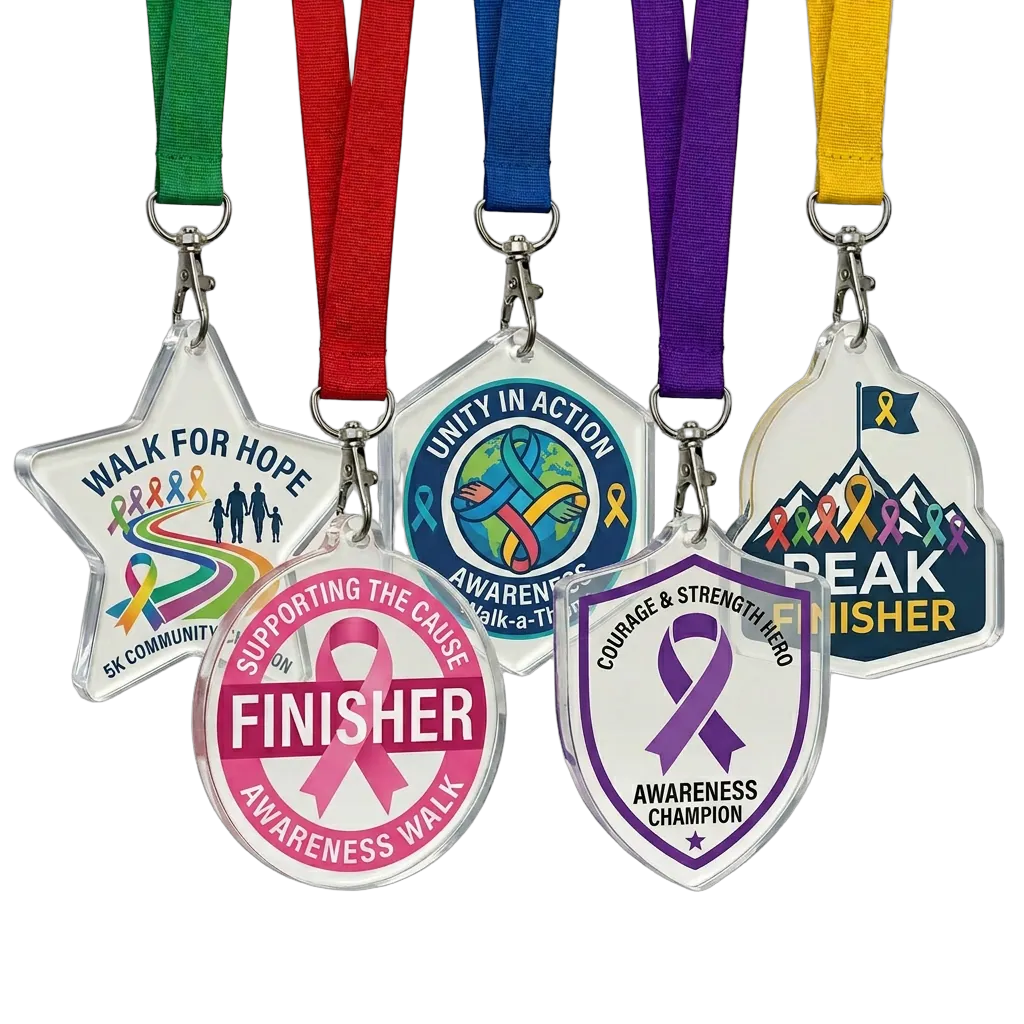
| Acrylic/Plastic | Kids’ races, mass events | Cheapest, full-color printing |
| PVC/Rubber | Obstacle or novelty themes | Flexible, vibrant, less “traditional” |
Zinc alloy remains the go-to for a reason: it delivers the best balance of heft, detail, and shelf appeal at a reasonable price point, which is why it’s typically the safest default recommendation for a resale catalog. That said, it isn’t always the right call — a wood or acrylic medal can outperform zinc alloy in engagement for eco-conscious or kids’ events, where the “premium” feel matters less than the story behind the material.
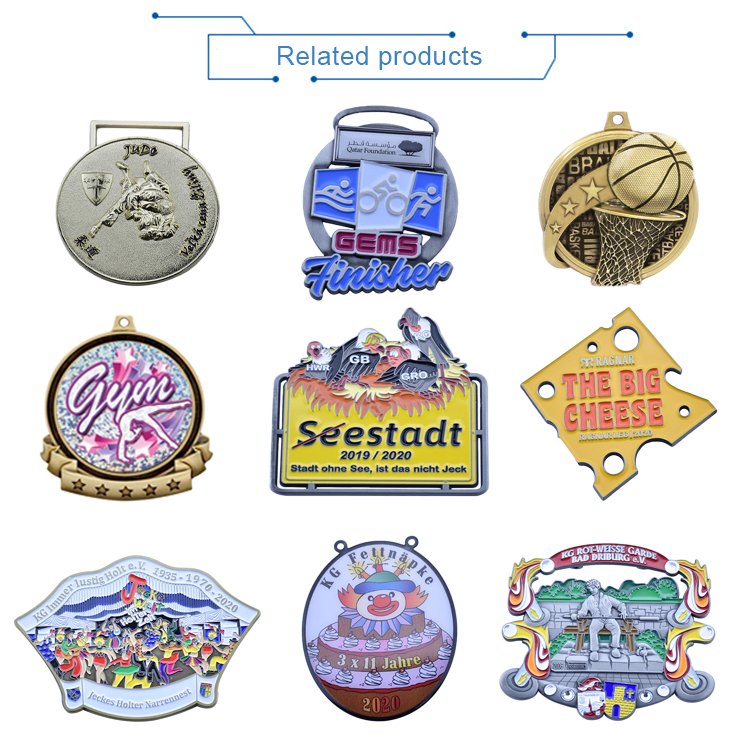
Beyond material, plating (antique gold, shiny gold, black nickel, dual-tone) and finishing touches — soft enamel color fill, 3D relief, glow-in-the-dark ink, or multi-function designs like bottle-opener medals — are what separate a forgettable medal from one people actually want to display.
How to Source Virtual Race Medals: A Step-by-Step Workflow
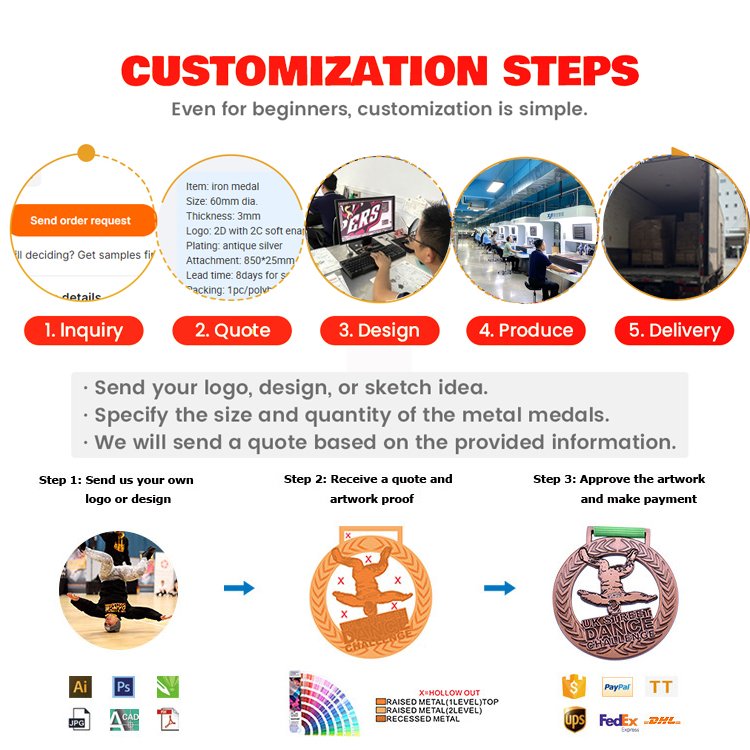
Sourcing medals doesn’t need to be complicated, but timing and clarity upfront save real headaches later — a lesson most buyers learn the hard way on their first order.
- Define your requirements. Nail down quantity, budget per unit, size, material, and whether you need custom branding or a stock design.
- Request design proofs. A good supplier offers free 2–3 rounds of revisions before you commit to anything physical.
- Approve a physical sample. Never skip this step — colors, weight, and finish can look noticeably different in person than on a screen render.
- Plan mass production timing. Budget 3–4 weeks for production on mid-sized orders, plus shipping.
- Decide on fulfillment. Bulk shipment to your own warehouse works well if you’re building inventory; drop-shipping direct to participants suits organizers running a one-off medal dash virtual run with no warehousing setup.
Starting the process 8–10 weeks ahead of a launch date gives enough buffer for design, sampling, production, and shipping — even with a couple of revision rounds built in. Rushed timelines are the single most common reason buyers end up settling for a supplier’s default stock design instead of something distinctive.
Understand Costs and Margins
Pricing varies by material and order size, but a realistic ballpark for a 3-inch zinc alloy medal at 200–500 units, including ribbon, lands somewhere between $2 and $4 per piece before shipping. Add mold/tooling fees for custom shapes (typically a one-time cost that pays for itself across future reorders), ribbon printing, and packaging.
For resellers, the math is straightforward: know your landed cost per unit, decide your markup based on whether you’re selling wholesale to organizers or retail direct to individual participants, and factor shipping into your quote rather than surprising buyers at checkout. Organizers running virtual marathons with medals, where entry fees are typically higher, tend to have more room in their budget for premium finishes — which is where your margin opportunity is strongest. One caveat worth flagging honestly: mold fees can catch first-time buyers off guard, so always ask for an itemized quote rather than a single bundled number.
Private Label and OEM Opportunities

This is where the real business upside lives. Rather than reselling generic stock medals, brands and e-commerce sellers can:
- Build a white-label catalog under their own brand name for direct-to-consumer sales
- Offer custom branding for corporate wellness clients running internal virtual walking challenges with medals
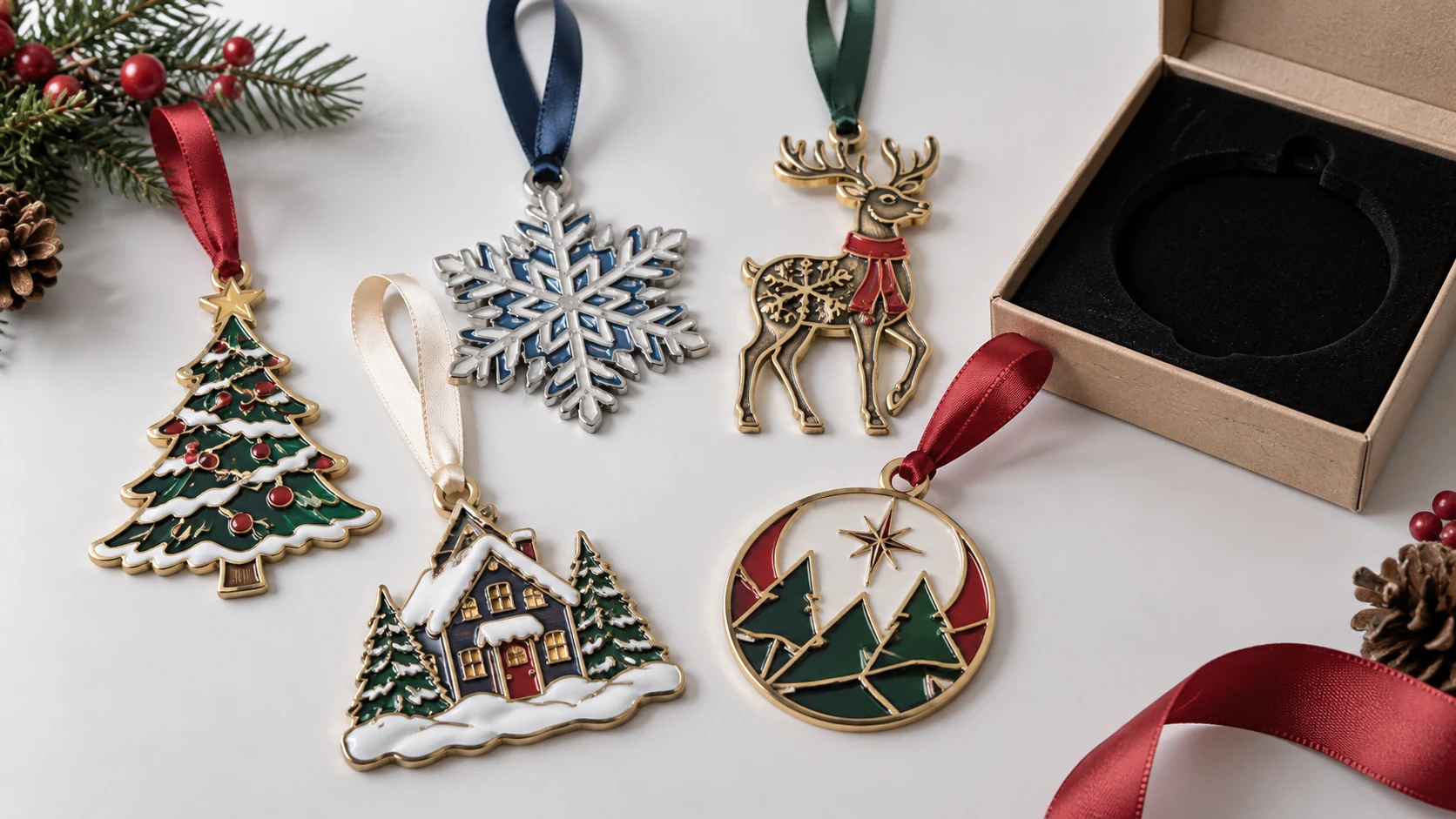
- Develop a seasonal or themed collection — holidays, awareness causes, original mascot designs — that customers return for year after year
- Start small with modest minimum order quantities, then scale designs that sell well into larger production runs
A supplier that offers low MOQs and flexible customization makes it realistic to test new designs without overcommitting inventory. Browsing a full range of finish and style options in an existing medals catalog is often the fastest way to spot what’s already trending before designing from scratch.
Choose the Right Manufacturing Partner
Not all suppliers are equal, and the wrong one can quietly sink a good product idea. If you’re not sure where to start, our guide on choosing the right manufacturer breaks down the key criteria in more detail. Based on recurring feedback from buyers we’ve worked with, look for:
- Free design service with genuine revision rounds, not a one-shot proof
- Transparent, itemized pricing — no vague “contact us for quote” black boxes
- Realistic, stated production timelines
- A track record with race and event merchandise specifically, not just generic promotional items
Watch out for suppliers who quote unusually low prices with no mention of mold fees, minimum order details, or sample lead times — those costs tend to appear later, at the worst possible moment. It’s also fair to ask any supplier for recent production photos or references from similar orders before committing.
Future Trends Worth Watching
A few shifts are already shaping where this market goes next:
- IP and brand collaborations — licensed themes tied to movies, games, or pop culture continue to boost registrations for organizers willing to pay for the tie-in
- Sustainability — eco-friendly materials and hybrid digital/physical medal options are gaining traction with environmentally conscious brands
- Gamification — AR elements and app-based progress tracking are pulling in younger participants who want more than a static reward
For suppliers and sellers, staying ahead simply means keeping a design catalog that can flex between classic, premium finishes and newer, more playful formats.
Conclusione
Virtual medal runs aren’t a passing trend — they’re a stable, repeatable product category with room for traders, brands, and retail buyers to build real recurring revenue. Whether you’re sourcing your first batch of free virtual races with medals giveaways or scaling a private-label line for virtual 5K with medals events, the fundamentals stay the same: solid materials, clear pricing, and a supplier who won’t leave you guessing.
Ready to talk specs, samples, or pricing? Contatta il nostro team at Spille personalizzate uniche and let’s design something runners will actually want to earn.
Domande frequenti
What’s the minimum order quantity for custom virtual race medals?
Most manufacturers require 100 pieces per design, though some accommodate 50 with an adjusted price.
How far ahead should I place an order before a launch date?
Plan for 8–10 weeks to cover design, sampling, production, and shipping comfortably.
Is zinc alloy always the best material choice?
Not necessarily — it’s the strongest all-around option, but wood or acrylic can be better fits for eco-themed or kids’ events.