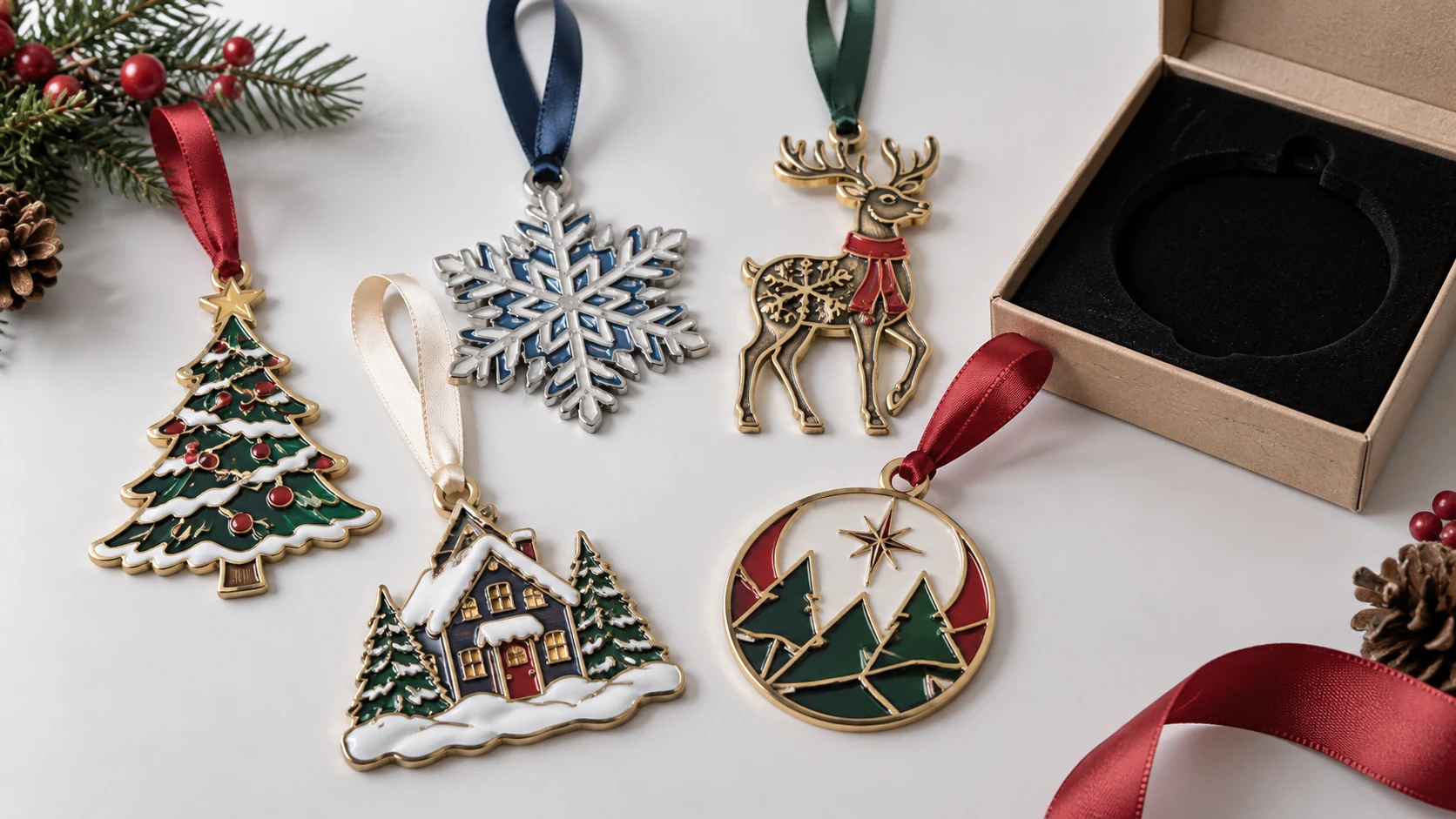









A lapel pin is one of the smallest accessories you can wear — and somehow, one of the most noticed. Whether it’s a sleek gold die-struck emblem on a tailored suit or a vibrant enamel character pin clipped to a denim jacket, a well-placed lapel pin says something about who you are before you even open your mouth.
But here’s the thing: even the most beautiful pin can fall flat — or look a little off — if it’s worn in the wrong spot. That’s why knowing the basics of lapel pin placement matters, whether you’re dressing for a board meeting, styling a wedding look, or curating pins for your retail collection. This guide covers everything: where pins go, what side to wear them on, how women can style them, when to wear them, and how brands and traders can use them to their full potential.
What Is a Lapel Pin?
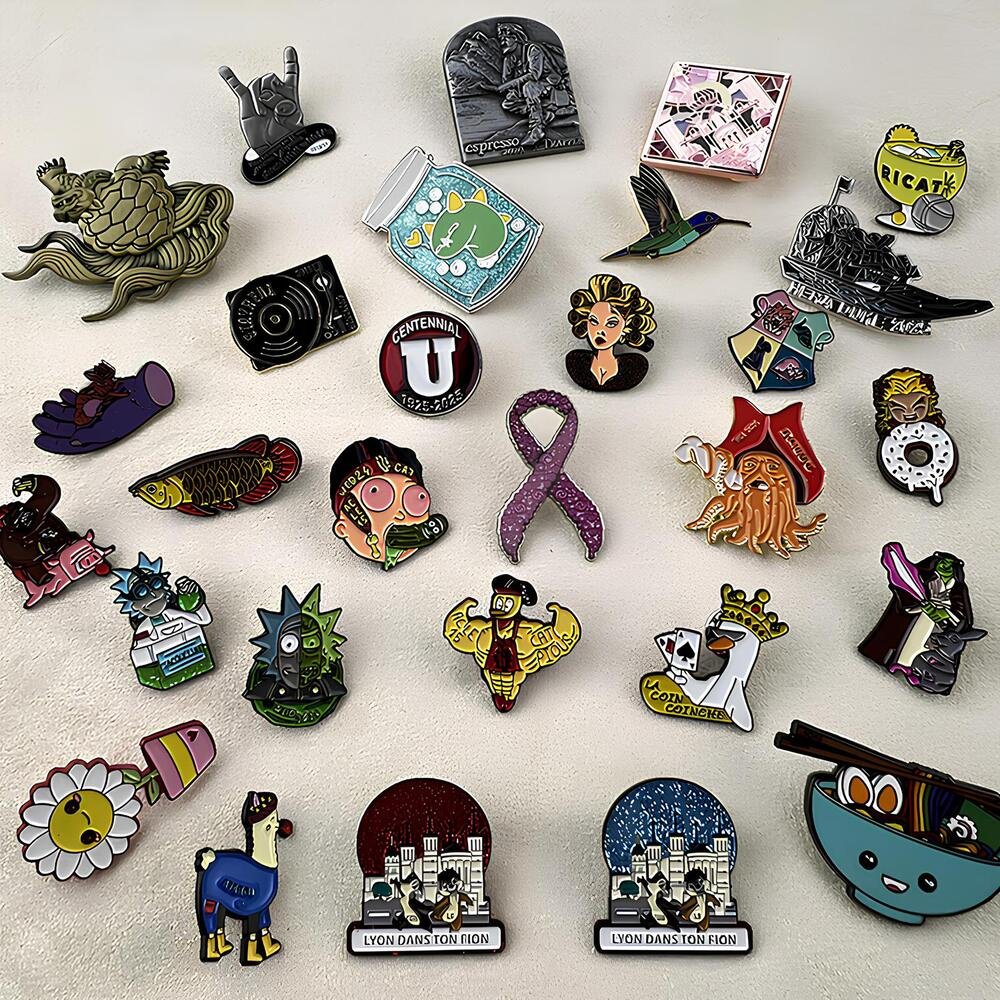
At its core, a lapel pin is a small decorative or symbolic accessory designed to be worn on the lapel of a jacket, blazer, or coat. The name says it all — “lapel” is right there in the title.
But lapel pins have come a long way from their origins. What started as military insignia and political badges has evolved into a mainstream accessory worn at weddings, conferences, concerts, and on everything from backpacks to scrubs. Today, they’re as much about personal expression and brand identity as they are about tradition.
For traders, brands, e-commerce sellers, and retail buyers, lapel pins represent something else entirely: a high-perceived-value product that’s affordable to produce, easy to customize, and genuinely loved by end consumers.
Where Does a Lapel Pin Go? The Golden Rule

Let’s answer the most searched question first: what side does a lapel pin go on?
The answer is the left lapel — always. This isn’t just convention. It traces back to military and ceremonial traditions where wearing something on the left side, closest to the heart, symbolized honor, sincerity, and loyalty. That symbolism still carries weight today, especially for service pins, commemorative pins, and corporate recognition awards.
More practically, most suit jackets and blazers come with a buttonhole on the left lapel. That buttonhole isn’t just decorative — it’s the designated spot for your pin. Feed the pin through from back to front so the decorative face sits proudly on top.
No buttonhole? No problem. Measure about 1.25 inches down from the lapel notch and place the pin roughly halfway between the outer edge and the inner fold. That’s where the buttonhole would naturally sit on most jackets.
A few more placement rules worth knowing:
- Angle matters. The pin should run parallel to the edge of the lapel — not straight up, not horizontal. A tilted or spinning pin looks rushed and sloppy.
- Height reference. If you’re wearing a tie, align the pin level with the bottom of the tie knot.
- Secure the back. Give it a gentle tug after attaching. A loose pin that shifts around undermines the whole look.
The golden rule of lapel pin placement: left lapel, near the buttonhole, parallel to the edge. Everything else is creative latitude.
A Lapel Pin on a Suit Jacket: Getting It Right
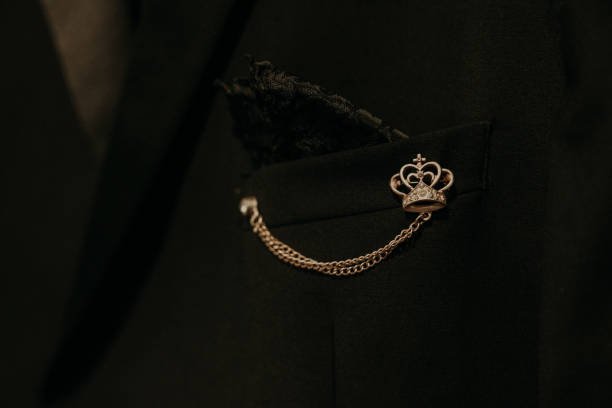
Wearing a lapel pin on a suit jacket is the most classic context, and it’s where precision matters most. Here’s how to nail it:
- Identify the buttonhole on your left lapel (most suits have one, even if it’s sewn shut).
- Insert the pin through the fabric from back to front.
- Angle the pin to follow the natural diagonal line of the lapel.
- Fasten the back firmly — butterfly clutch, locking clutch, or military clutch depending on your pin type.
- Step back and check: is it centered on the lapel? Is it parallel to the edge? Does it sit flat without pulling the fabric?
For formal occasions — business meetings, black-tie events, weddings — stick to one pin, keep the design refined, and match your metal tone to other accessories. Gold pin with gold cufflinks. Silver pin with a silver watch. It’s a small detail that makes a big difference.
One exception worth knowing: right lapel placement is generally considered incorrect unless a specific uniform regulation, ceremonial tradition, or military protocol requires it. When in doubt, go left.
How to Wear a Lapel Pin — For Women

Here’s where things get wonderfully flexible. How to wear a lapel pin as a woman isn’t constrained by the same suit-jacket conventions — and that opens up a lot of creative territory.
The traditional left-lapel rule still applies when wearing a blazer, structured coat, or any jacket with a lapel. But women often wear pins in contexts that go well beyond the boardroom:
- Blouses and dress shirts: Pin it to the left chest, just above the heart, where a jacket buttonhole would naturally sit.
- Cardigans and knitwear: A single pin on the upper left chest adds a polished touch without overwhelming softer fabrics. Use a magnetic-back pin to avoid snags.
- Scarves: Brooches and decorative pins can fasten a scarf at the neck or shoulder while adding an elegant focal point.
- Dresses: Position a pin at the shoulder, neckline, or waist — wherever draws attention to the best part of the silhouette.
- Denim jackets: This is enamel pin paradise. Collar, pockets, sleeves — layer them up, mix and match, and let your personality lead.
The underlying principle is the same regardless of gender: wear the pin where it can be seen, and wear it with intention. A pin hidden under a collar or buried in fabric might as well not be there at all.
Other Places to Wear Lapel Pins

Lapel pins are far more versatile than their name implies. Here’s where else they work beautifully:
- Ties (without a jacket): Place the pin near the center of the tie, roughly mid-knot level.
- Overcoats: Left lapel for formal coats; collar for lapel-less styles.
- Backpacks and bags: Front pocket, strap, or zipper pull. This is where enamel pin collectors really shine.
- Hats: Side of the brim for a casual look; above the brim for more structured styles.
- Uniforms (healthcare, hospitality, education): Collar or lapel placement adds personality to professional wear.
The more touchpoints a pin can occupy, the broader its appeal — which is something retail buyers and e-commerce platforms should keep in mind when sourcing and marketing pin collections.
When to Wear a Lapel Pin: An Occasion Guide
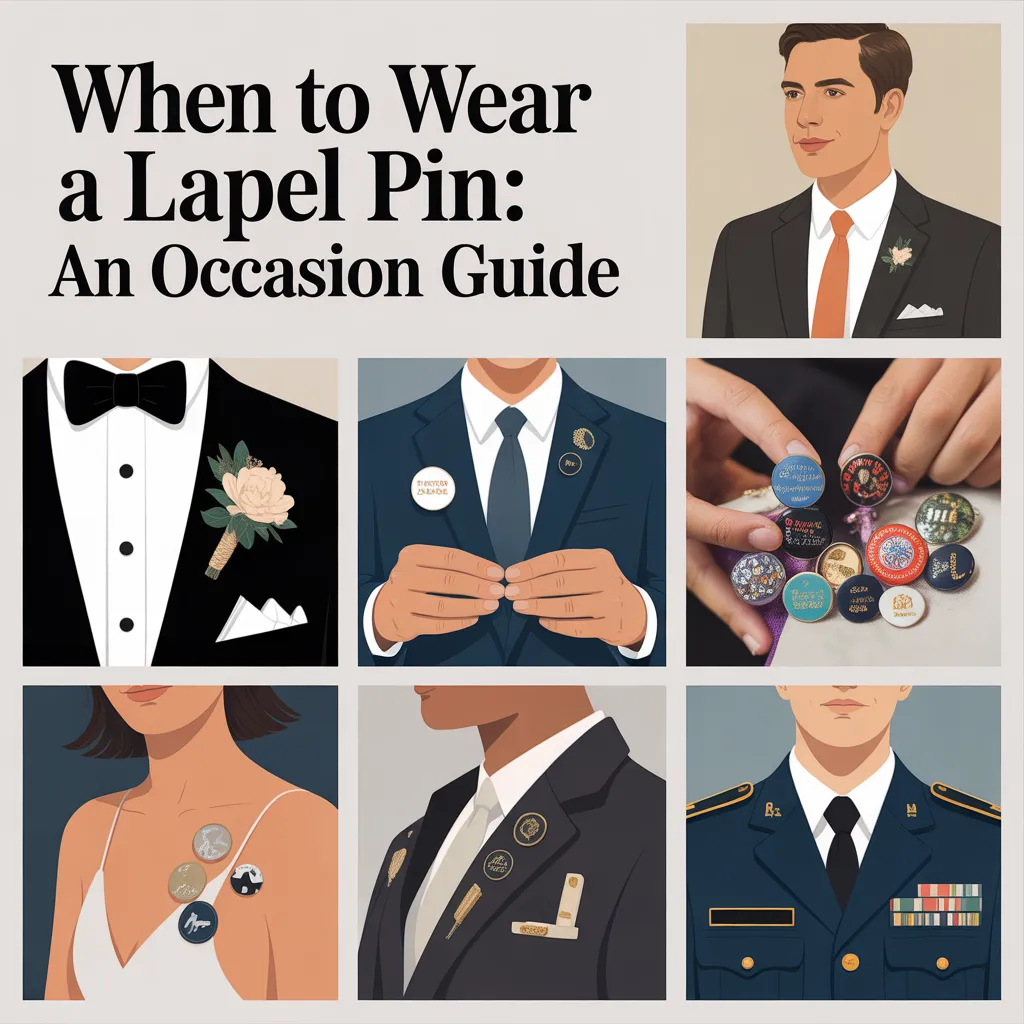
When to wear a lapel pin comes down to matching the pin’s energy to the moment:
Weddings & Formal Galas Stick to classic styles: a boutonniere through the buttonhole, a slim stick pin, or a simple metal emblem. Coordinate with your pocket square. Keep it understated.
Business & Corporate Events A small branded enamel pin or die-struck metal logo pin adds professionalism and brand presence. Avoid novelty or cartoon designs in serious settings — unless your brand identity specifically calls for it.
Trade Shows & Conferences This is where custom pins become powerful tools. Trading pins foster networking, spark conversations, and turn attendees into walking brand ambassadors. People love receiving something tangible and wearable.
Casual & Street Style Full creative freedom. Enamel pins, clusters, denim jackets, bags — experiment with placement, angle, and layering. This is where personality takes over from protocol.
Solemn Occasions (Funerals, Memorials) Keep the lapel bare, or wear only a simple commemorative pin with restraint. This isn’t the moment for bold accessories.
Military & Uniform Contexts Always follow branch-specific regulations. Placement, number of pins, and order of precedence are all governed by official guidelines.
Styling Tips: Matching, Layering & What to Avoid
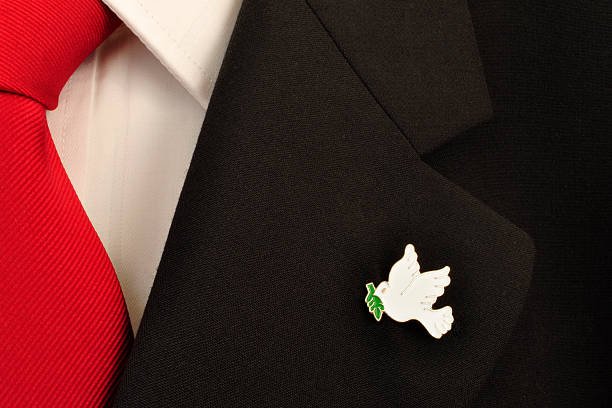
A few quick rules for looking intentional rather than accidental:
Do:
- Match metal tones across accessories (gold pin + gold watch; silver pin + silver cufflinks)
- Balance bold pins with neutral outfits — a bright enamel pin pops best on a dark, simple jacket
- Scale pin size to lapel width — a large pin can overwhelm a narrow lapel
- If layering multiple pins, keep larger ones above, smaller ones below, with deliberate spacing
Don’t:
- Wear the pin on the right lapel (unless protocol requires it)
- Stack too many pins in one area — more than two or three on a single lapel starts to look cluttered
- Let the pin lean, tilt, or spin — always check the angle before heading out
- Cover the pin with a scarf, bag strap, or coat collar — if you’ve made the effort to wear it, let it show
- Mismatch the pin’s vibe with the occasion (save the cartoon pins for casual Friday)
Why This Matters for Brands, Traders & Retail Buyers
Understanding how lapel pins are worn isn’t just useful for personal style — it has direct business implications.
For brands: staff who know how to wear branded pins correctly become consistent, walking advertisements at events and client meetings. Including a simple “how to wear” card with corporate pin orders dramatically increases wear rates.
For traders: at collectible events and trade shows, a well-displayed pin invites conversation and swaps. Placement knowledge is part of the trade culture.
For e-commerce sellers: product pages and packaging that show pins being worn in multiple contexts — not just on a suit — expand the perceived value and versatility of the item. Customers who understand how to use a product are far more likely to buy it, wear it, and share it.
For retail buyers: stocking pins alongside display materials that show wear options improves sell-through. Pins near checkout become impulse buys; pins with a story behind them become repeat purchases.
Ready to Create Pins Worth Wearing?
Now that you know the rules — and when to break them — the next step is making sure the pin itself is worth showing off.
At UniquePins, we’ve spent 21+ years helping global brands, traders, e-commerce platforms, and retail buyers create custom lapel pins that people actually want to wear. From soft and hard enamel to die-struck, antique, magnetic-back, and spinning pins — we offer every style with no minimum order, free design and revisions, and worldwide delivery in 15 days.
Whether you’re launching a branded pin collection, sourcing stock for retail, or gifting pins to your team — we’ll help you design something worth wearing.