





If you’ve ever held a beautifully crafted custom coin, you know it carries real weight — literally and figuratively. For brands, traders, e-commerce store owners, and corporate buyers, choosing the right custom coin manufacturing style isn’t just an aesthetic decision. It’s a strategic business move.
When exploring custom metal minting options, two popular terminology choices come up again and again: 3D coins and die-struck coins. They look different, cost differently, and serve very different marketing purposes. Pick the wrong manufacturing style for your campaign or retail line, and you’ll either overspend on unnecessary tooling costs or underdeliver on perceived value.
In this comprehensive guide, we’ll break down the differences between 3D custom coins and classic die-struck coins — clearly, practically, and without confusing technical jargon — so you can place your next bulk order with total confidence.
At a Glance: Quick Comparison Table
Short on time? Here is a quick snapshot comparing 3D coins vs. die-struck coins across key buying criteria:
| Feature / Criteria | Die-Struck Coins (2D) | 3D Molded Coins |
| Visual Surface | Flat, sharp, 2-level relief (Raised & Recessed) | Multi-dimensional, smooth curves, sculpted depth |
| Detail Definition | Clean lines, crisp text, geometric precision | Realistic statues, architectural relief, human faces |
| Mold & Production Cost | Lower initial mold fee; cost-effective for large runs | Higher mold fee (3D CNC sculpting required) |
| Feel & Texture | Classic, tactile contrast between polished & recessed | Organic, rounded, highly tactile and weighty feel |
| Best Used For | Logos, text-heavy designs, corporate awards | Mascot figures, historical landmarks, premium gifts |
What Are Die-Struck Coins? (The Classic Two-Level Standard)
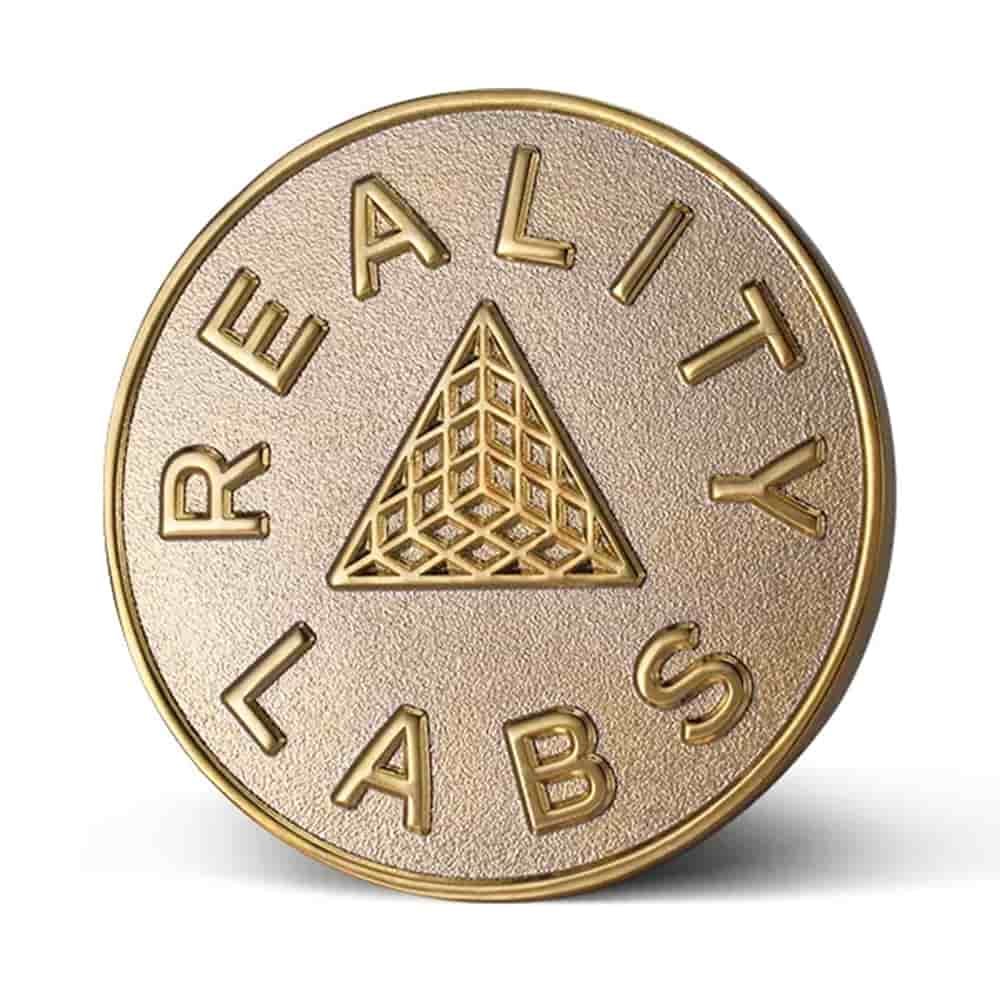
To understand die-struck coins, think of a traditional coin you carry in your pocket. Die striking is the time-tested manufacturing method where a custom steel stamp (a “die”) punches your artwork directly onto a raw metal base sheet—usually brass, copper, or iron—under immense hydraulic pressure.
How Die-Struck Coins Work
Die-struck coins rely on a two-level structure:
- Raised Metal: Polished or textured surfaces that pop out toward the viewer.
- Recessed Metal: Sandblasted, textured, or color-filled background areas.
Because the mold is cut at right-angled step drops, every line and boundary is sharp and defined.
Key Advantages of Die-Struck Coins:
- Unbeatable Clarity for Text & Logos: If your design features tight typography, sharp geometric corporate logos, or thin line art, die striking ensures zero distortion.
- Cost Efficiency for Bulk Orders: The initial 2D mold design is simpler and cheaper to create, making this style ideal for large corporate giveaways or event promotional items.
- Versatility for Color Infill: The crisp walls of die-struck coins make them perfect for adding soft or hard enamel color fills without bleeding. (Interested in lapel jewelry trends? Check out our breakdown on enamel pin vs lapel pin choices for event branding).
What Are 3D Coins? (Sculpted Multi-Dimensional Art)
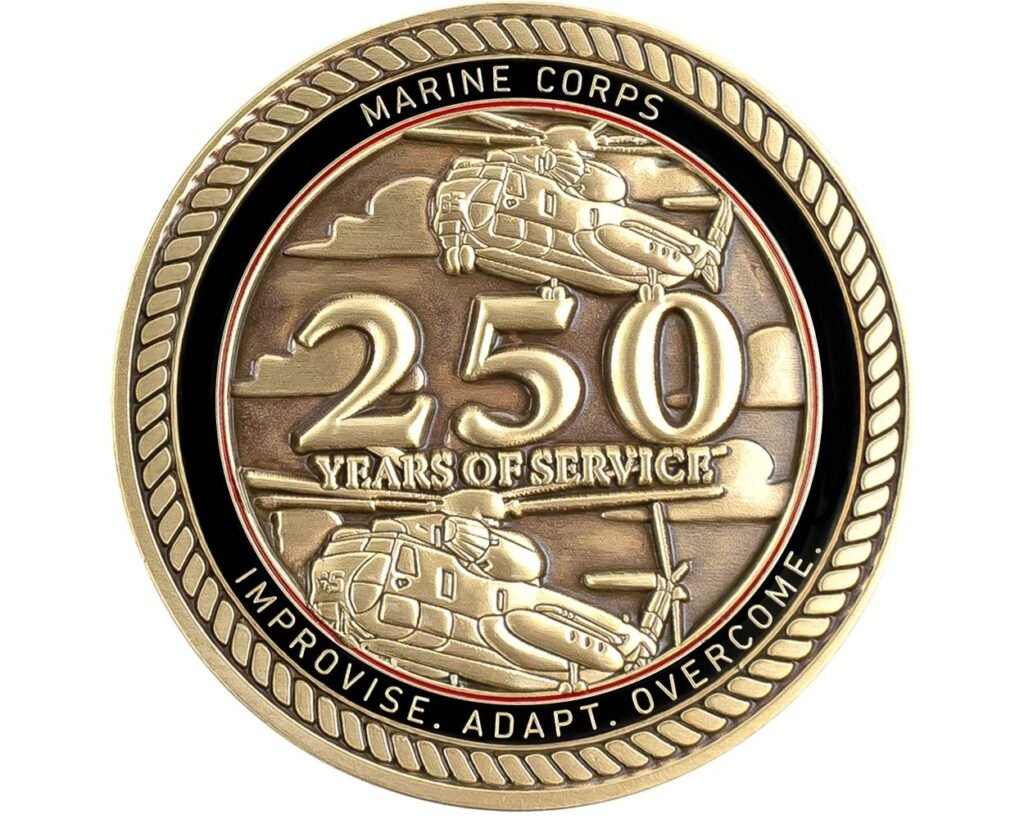
While die-struck coins operate on a flat two-level system, 3D coins break free from flat planes entirely. Instead of flat step-downs, 3D minting uses advanced 3D CAD modeling and computer-controlled sculpting to create fluid, rounded, and realistic depth gradients.
How 3D Coins Work
Think of a 3D coin as a miniature bronze sculpture embedded inside a coin border. Instead of just “raised” or “recessed,” a 3D coin features infinite levels of depth, allowing curves, slopes, muscle contours, and realistic textures to shine.
Key Advantages of 3D Coins:
- Breathtaking Visual Impact: Animals, human portraits, military vehicles, buildings, and complex 3D mascot characters jump off the coin’s surface.
- Sublime Tactile Experience: Running your thumb across a 3D coin feels rich, heavy, and satisfying—giving it an instantly higher perceived retail value.
- Pairs Great with 3D Pins: If you are launching a unified merchandise line that includes wearable 3d pins, using 3D molded coins ensures your brand maintains a consistent sculpted aesthetic across all products.
Key Differences: How to Choose the Right Coin for Your Project
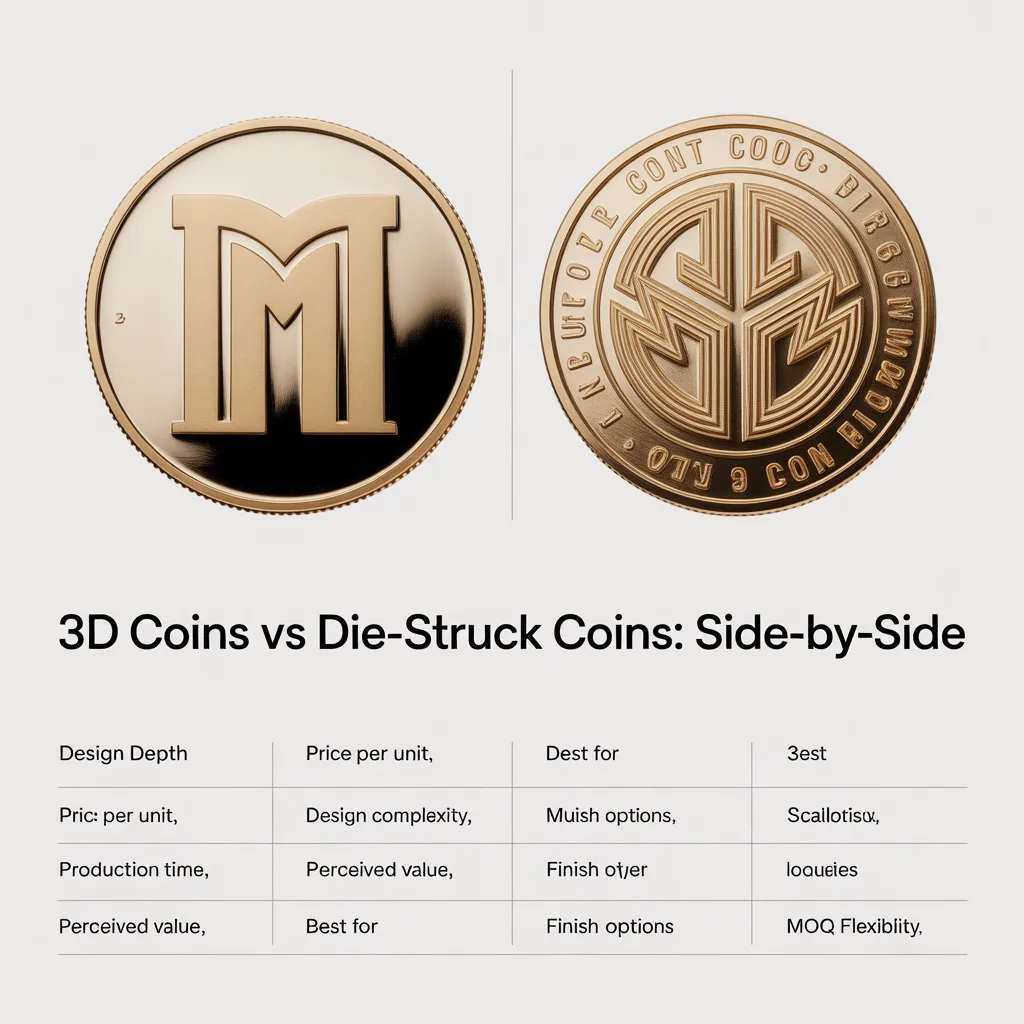
Understanding the technical process is helpful, but how do you decide which custom coin style fits your current project? Let’s evaluate the four crucial factors every buyer should consider:
1. Artwork Complexity & Design Style
- Choose Die-Struck if: Your artwork features clean graphic logos, sharp text, crisp geometry, or requires bright, filled color enamels.
- Choose 3D if: Your artwork depicts 3D objects, buildings, human faces, skulls, animals, or organic natural textures where flat planes would look unnatural.
2. Budget & Mold Fees
- Die-Struck: Lower initial setup fee. If you are operating on a tight budget for an upcoming trade show or school event, die-struck coins deliver the best value per dollar.
- 3D Coins: Slightly higher mold fee due to the precision CNC 3D engraving required. However, for premium retail merchandise or commemorative collectibles, the elevated sale price easily covers the initial setup cost.
3. Color Usage vs. Bare Metal Finish
- Die-Struck: Works fantastically well with bright enamel color fills, antique plating, or dual-tone metal finishes.
- 3D Coins: Best showcased in antique finishes (such as antique bronze, silver, or copper). The dark antique wash settles into the deep 3D crevices, highlighting every micro-detail without needing liquid enamel colors.
Buying Checklist: Which One Should You Order?
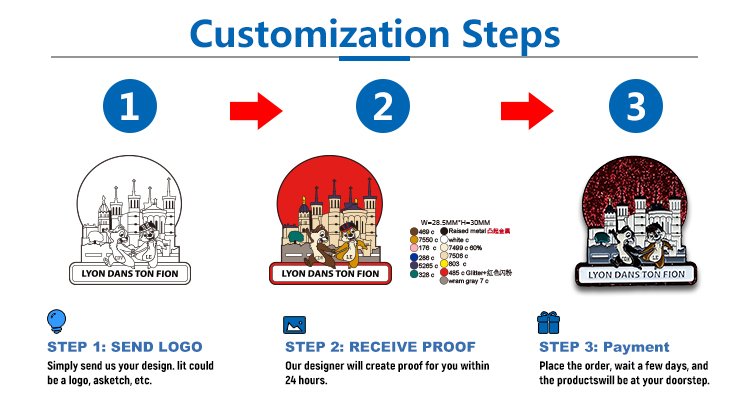
Still undecided? Use this quick buyer decision checklist before submitting your art files:
- Go with Die-Struck Coins if:
- You need 500+ coins for an employee recognition event on a strict budget.
- Your design is 80% text, dates, and clean corporate logos.
- You want bright Pantone-matched enamel colors in your final product.
- Go with 3D Coins if:
- You are creating a military challenge coin, law enforcement honor coin, or high-tier commemorative piece.
- Your design features a 3D mascot, historical monument, or detailed relief.
- You plan to sell these coins as premium collectible merchandise where high perceived value is essential.
Conclusion
Both 3D coins and die-struck coins have earned their place in the custom merchandise market — and smart buyers use both strategically. Die-struck gives you reliability, cost efficiency, and a professional look at scale. 3D coins deliver premium appeal, collectible value, and the kind of visual impact that turns a branded product into something customers actually keep.
The best choice isn’t always the most expensive one. It’s the one that fits your audience, your budget, and your brand goals.
Ready to place your order? Request a free quote or custom sample at UniqueCustomPins and let our team help you find the perfect coin for your next project.
FAQs
Can I mix 2D and 3D elements on the same coin?
Yes! Many of our popular custom coin projects feature a 3D front side (for a sculpted hero mascot or logo) and a die-struck 2D back side (for clean text, serial numbers, and event dates). This gives you the best of both worlds while keeping production balanced.
What is the minimum thickness required for a 3D coin?
While standard die-struck coins are typically 3.0mm thick, 3D coins often require a thickness of 3.5mm to 4.5mm to allow enough metal depth for multi-level sculpting without weakening the coin base.
Do 3D coins take longer to produce than die-struck coins?
Because 3D artwork requires digital 3D sculpting and test proofing before mold cutting, the pre-production proofing stage may take 1-2 extra days. However, once the mold is approved, standard bulk production time is almost identical!