







Enamel pins look like a simple product — a small piece of stamped metal and colored resin — but the businesses built around them are anything but simple. Behind every viral pin drop is a founder who made dozens of unglamorous decisions correctly: how much cash to set aside before the first order ships, which niche to commit to, how to price against a factory invoice instead of a wish, and how to keep 500 units of inventory from turning into a closet full of dead stock.
This guide is written for the people actually doing that work — first-time brand owners, side-hustle traders, e-commerce sellers adding a merch line, and retail buyers deciding whether pins deserve shelf space. Rather than repeating the usual “here’s what a good manufacturer looks like” checklist — that factory direct vs. trading company comparison is covered in depth elsewhere on this site — we’re going to walk through the parts of starting a pin business that founders usually only learn by making an expensive mistake first.
Start With the Business Decision, Not the Design
Most people start their pin business backwards: they fall in love with a design, then figure out how to sell it. That order of operations is why so many pin projects stall at 40 unsold units. Learning how to design pins that translate well into manufacturing — clean vectors, limited colors, mold-friendly line weights — matters, but it should come after you know who you’re designing for, not before.
Before sketching anything, answer three questions in writing:
Who is the pin for, specifically?
“Anime fans” is not a customer. “People who collect Studio Ghibli-adjacent fan art and follow at least three fan-art accounts on Instagram” is a customer. The narrower the definition, the easier every later decision becomes — pricing, packaging, even which hashtags to use.
What’s the unit economics floor?
Work backward from a realistic sale price, not a hopeful one. If similar pins in your niche sell for $12–$14, and platform fees plus shipping eat roughly 25–30% of that, you need a landed cost (pin + backing card + poly bag + inbound freight) well under $3 per unit to leave room for ads, returns, and actual profit — not just gross margin on paper.
How much capital can you afford to lose completely?
This isn’t pessimism, it’s planning. A first production run of 100–300 pins typically costs $250–$700 depending on size and finish. Treat that as tuition. If the first design doesn’t sell, you’ll have learned more about your niche than any amount of market research would have told you — and you won’t be in debt over it.
One shortcut to avoid: a home lapel pin maker machine. They’re marketed as a way to skip the factory entirely, but at 5–10 pins a day and inconsistent enamel fill, the math almost never works once you’re selling more than a handful of units — factory production of 1,000+ pins a day at a fraction of the per-unit cost makes DIY equipment a hobby tool, not a business tool.
Choosing a Business Structure That Won’t Bite You Later

If you’re selling more than a handful of pins a month, operating as an unregistered sole proprietor exposes your personal assets to any dispute — a customer claiming a defective product, a trademark issue with a design you didn’t fully vet, or simple unpaid supplier debt. Forming an LLC (in the US) or equivalent limited-liability entity in your country typically costs $50–$500 depending on state or jurisdiction, and it’s the single highest-leverage $100 you’ll spend in year one.
Just as important: get a resale certificate or its local equivalent before you start buying wholesale. Without one, you’ll pay sales tax on your inventory purchases and then again when you sell — a silent margin killer that many first-time sellers don’t notice until they do their first tax return.
Finally, before you commit to any design, run it through a basic trademark and copyright check. Fan art, band logos, and meme formats are the fastest way to get a Cease & Desist letter or an Etsy takedown. A five-minute search on your country’s trademark database and a gut check on whether a design references copyrighted IP will save you a shut-down store later.
Building a Realistic Launch Budget
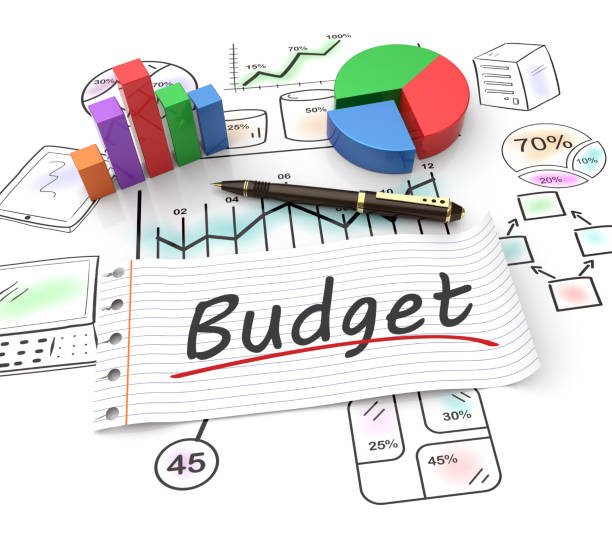
A common failure mode is spending the entire budget on the first production run and having nothing left for the parts that actually generate sales. A more durable split for a first launch of roughly $1,000 looks like this:
- 40% — Production: your first pin run, ideally 100–200 units of one or two designs rather than spreading thin across five.
- 20% — Pin packaging and presentation: backing cards, poly bags, or a simple branded box. Buyers judge quality by unboxing, not by the metal alone.
- 20% — Marketing test budget: a mix of a few small influencer seeding packages and a modest paid social test, not a single big bet.
- 10% — Platform and tools: Shopify or Etsy fees, a basic logo, product photography.
- 10% — Buffer: shipping cost overruns, a reprint if a color comes back off-spec, or a rush reorder if a design sells faster than expected.
This structure matters more than the specific numbers — the mistake to avoid is spending 90% of your budget before you’ve sold a single pin to real customers.
Validating Demand Before You Commit to Inventory

The cheapest research you’ll ever do happens before you place a production order. Three low-cost ways to pressure-test a design:
Post the design as a mockup (not a real photo) on the relevant subreddit or Discord community for your niche and gauge genuine reaction, not just upvotes — read the comments for phrases like “I’d buy that” versus polite silence. Serious pin collectors are vocal about what they actually want versus what they’ll politely like, and their communities are one of the most honest demand signals available before you spend a dollar on production. List it as a “coming soon” pre-order on your storefront with a small deposit; even five deposits tells you more than fifty likes. And watch what similar sellers’ bestsellers actually are, not what they’re currently promoting — a shop’s top-rated or most-reviewed item is a better demand signal than its homepage banner.
If a design gets lukewarm signals across all three, that’s useful information, not a failure — it just means you save the $400 production spend for a stronger concept.
Managing Inventory So It Doesn’t Manage You

Inventory is where pin businesses quietly bleed cash. A few operating habits that separate sustainable sellers from one-hit-wonder shops:
Reorder based on velocity, not intuition — if a design is selling out in under three weeks, that’s your signal to reorder before you hit zero stock, not after. Keep a simple spreadsheet tracking cost per unit, units sold, and days-to-sell-out per design; after two or three launches, this becomes the most valuable document in the business because it tells you which niches and styles are actually working. And resist the urge to over-diversify early — five designs at 100 units each is far easier to manage, market, and reorder intelligently than twenty designs at 25 units each, even though the second option feels more “complete” as a catalog.
Handling the Money Side Like a Real Business
Separate a business bank account from day one, even if you’re a solo operator — mixing personal and business funds is the single biggest reason first-year founders lose track of whether they’re actually profitable. Set aside 25–30% of every sale into a separate tax holding account rather than treating gross revenue as spendable cash. And track your true cost per unit including the parts people forget: payment processing fees, returns and reshipped defects, and the portion of packaging that gets thrown away as damaged stock. Sellers who only track “pin cost plus shipping” often discover at tax time that their real margin was half of what they assumed.
A Realistic First 90 Days
Weeks 1–2: Lock the niche, validate one design idea through the low-cost methods above, and handle the legal basics — business registration, resale certificate, trademark gut-check.
Weeks 3–5: Finalize artwork, place a first production order sized to your validated demand rather than your ambition, and build a simple storefront with real product photography.
Weeks 6–8: Soft-launch to a small warm audience (friends, existing followers, a niche community) before any paid promotion — this surfaces packaging or fulfillment problems while the stakes are still low. If you’re also pursuing retail or pop-up placement, this is the point to plan how to display pins for sale — counter stands, rotating towers, or themed boards noticeably lift impulse purchases compared to pins left flat in a tray.
Weeks 9–12: Layer in a small paid test and influencer seeding based on what the soft launch told you actually resonates, and start the spreadsheet habit of tracking velocity per design.
Conclusión
Enamel pins are a genuinely good small-business category — low unit cost, high perceived value, and a built-in collector culture that rewards good design. But the businesses that last past their first collection are the ones that treat it like a business first: proper structure, honest unit economics, disciplined inventory, and demand validation before spending on production.
The design is the easy part. Everything above it is what actually determines whether this becomes a real business or an expensive hobby.