






Custom medals used to be judged on two things: how shiny they looked, and how many you could order at once. In 2026, that’s changed — the medals earning attention are being judged on story, material honesty, and how they feel in someone’s hand. Here’s what’s actually shaping medal design this year, and how to apply each trend to your own program.
The Milano-Cortina Blueprint: What the 2026 Olympics Medals Get Right
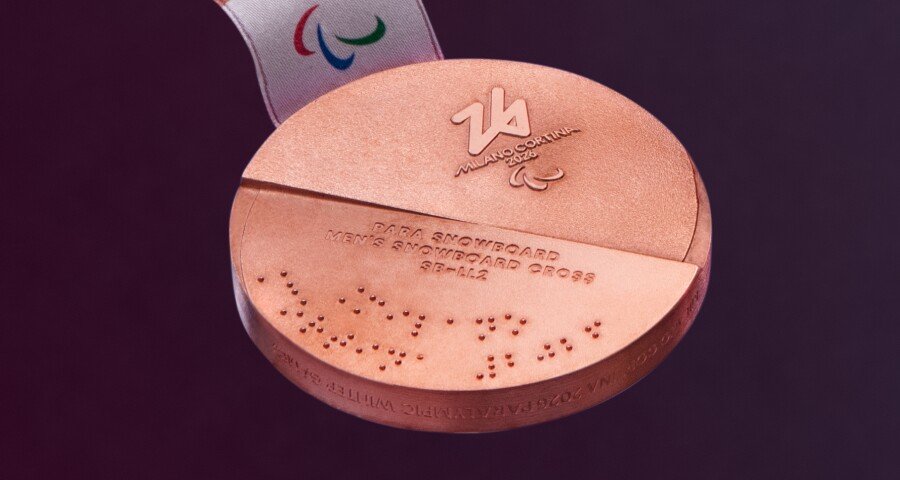
Any conversation about 2026 Olympics medals design has to start with the Winter Games. The Milan 2026 medals are the most closely studied commercial design brief of the year — for the first time in Olympic history, medals for winter olympics needed to represent two host cities at once, Milano and Cortina d’Ampezzo. The team split the medal itself instead of compromising: one half polished smooth, the other left with a textured, granular surface, meeting at a single seam.
At 80mm across and 10mm thick, the gold edition combines 500 grams of 999 pure silver with 6 grams of 999.9 pure gold plating — but the detail worth noting is the production story. Italy’s state mint, IPZS, made every medal using 100% renewable energy and recycled metal, packaged in FSC-certified materials with minimal plastic.
That’s the real lesson for anyone who wants to design olympic medal projects, or is exploring replica olympic gold medals as inspiration: sustainability and prestige are no longer a trade-off.
Sustainability Isn’t a Line Item Anymore
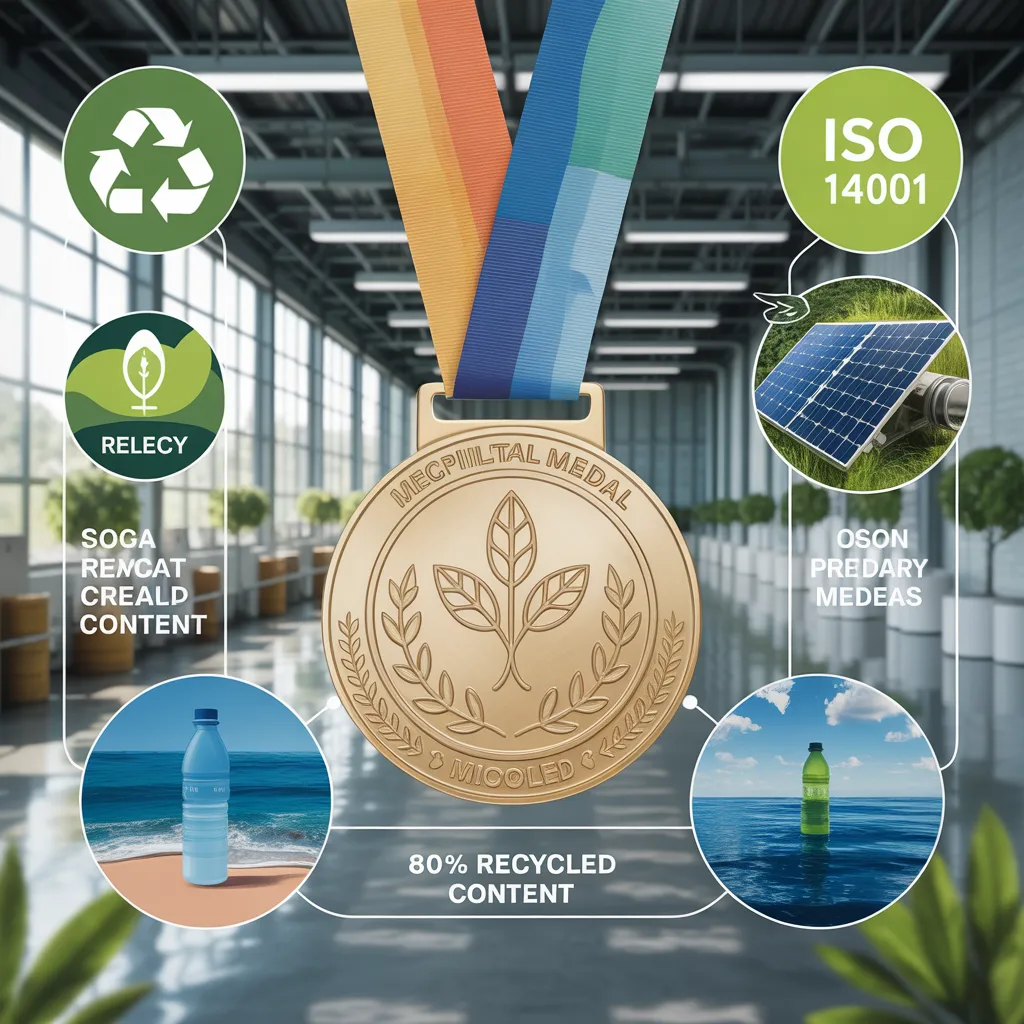
“Eco-friendly options available” used to sit in a footnote on a spec sheet. In 2026 it’s closer to a baseline expectation — buyers are asking for recycled-content percentages, environmental certifications, and documented supply chains, not just a claim on a webpage.
That’s opened room for suppliers to build sustainability into the story itself rather than bury it: ocean-cleanup partnerships tied to production runs, transparent sourcing, carbon-offset programs bundled into the order.
Minimalism: Confidence, Not Compromise
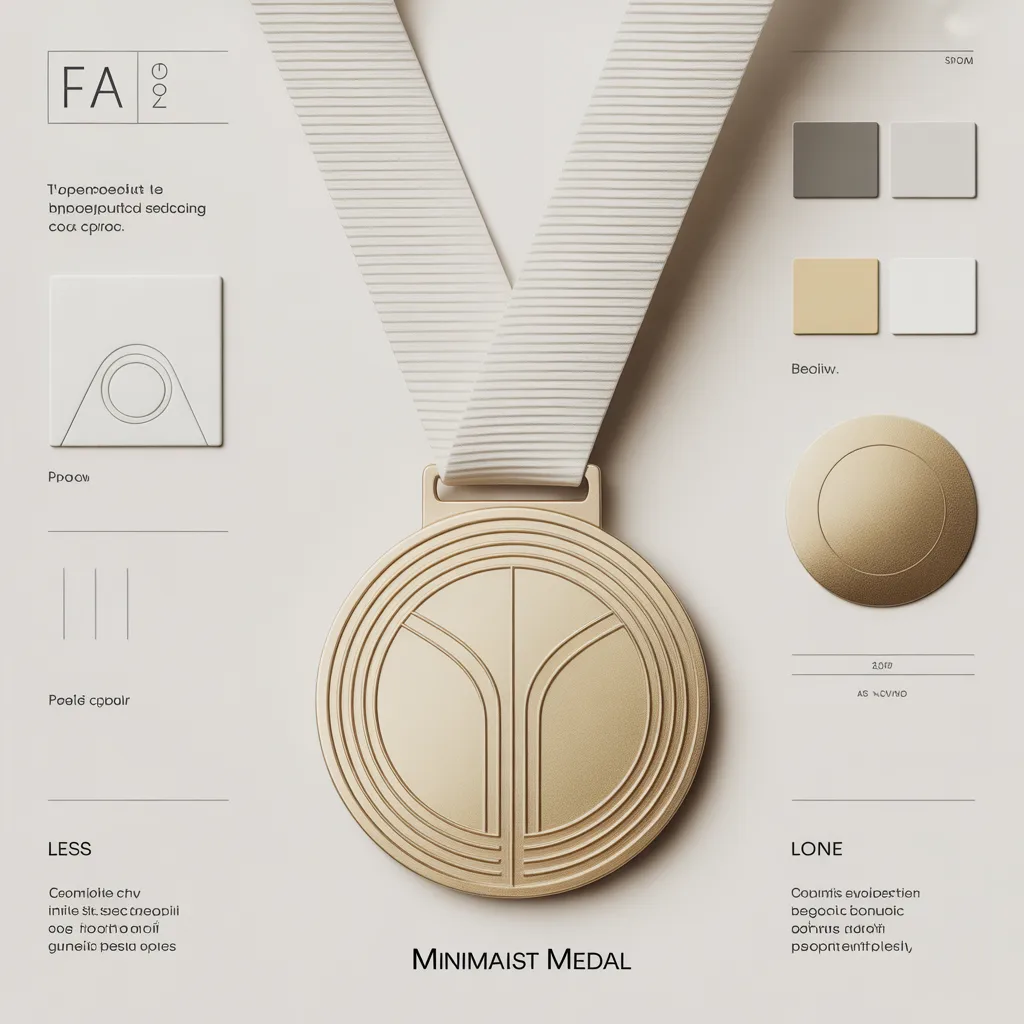
While sustainability answers “how” a medal is made, minimalism answers “what” it should look like — and in 2026, the answer is often less. Clean geometry, generous negative space, and typography that doesn’t need to shout because the composition already commands attention.
It’s a practical choice as much as an aesthetic one: simpler tooling means faster turnaround and better margins at volume, and a restrained design travels across audiences without dating the way a heavily stylized one can within a year or two.
Texture Is Doing the Work Color Used to Do
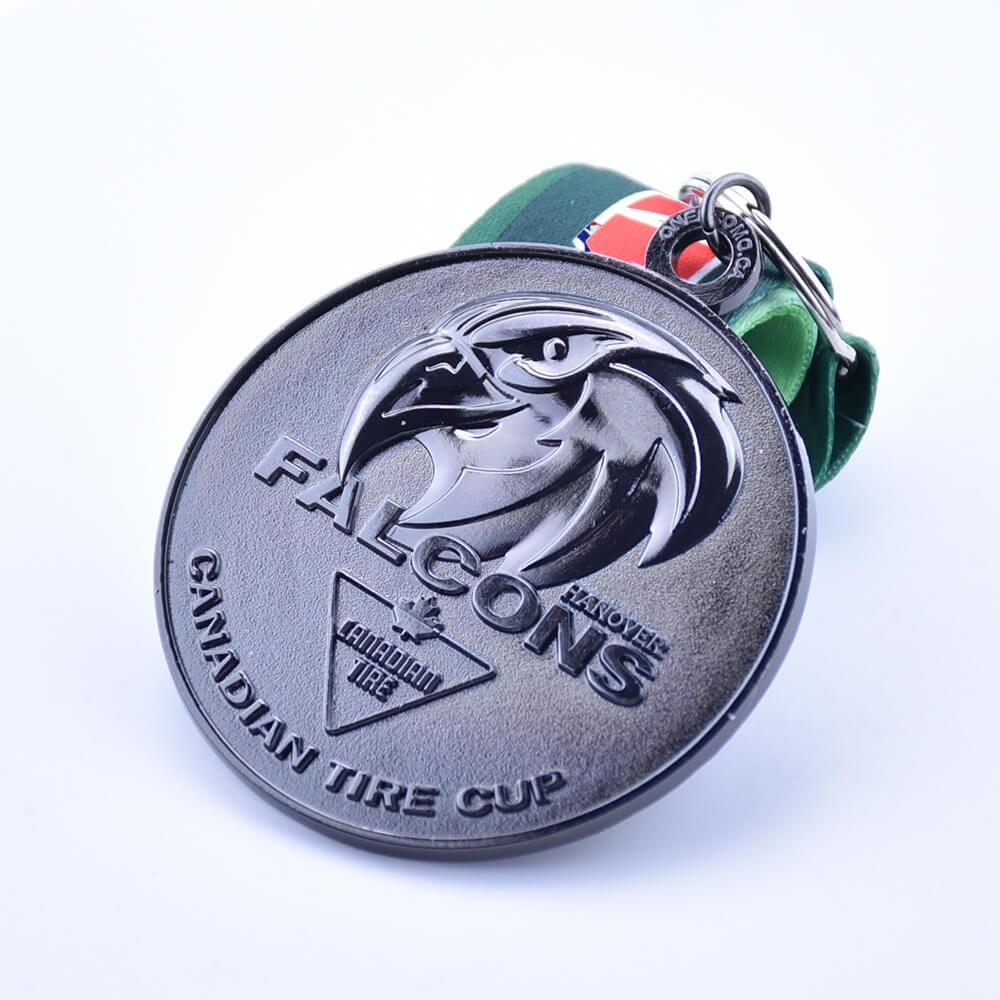
The most interesting shift in 2026 medal design might be tactile rather than visual. Designers are using surface variation — raised and recessed relief, or a brushed section next to a polished one — to create depth and invite the recipient to actually touch the piece. The effect reads closer to a small landscape than a flat medallion, and it tends to matter most for medals meant to mark something substantial: a multi-year service award, a championship, a milestone anniversary.
Interactive Medals Are Becoming Shareable Moments
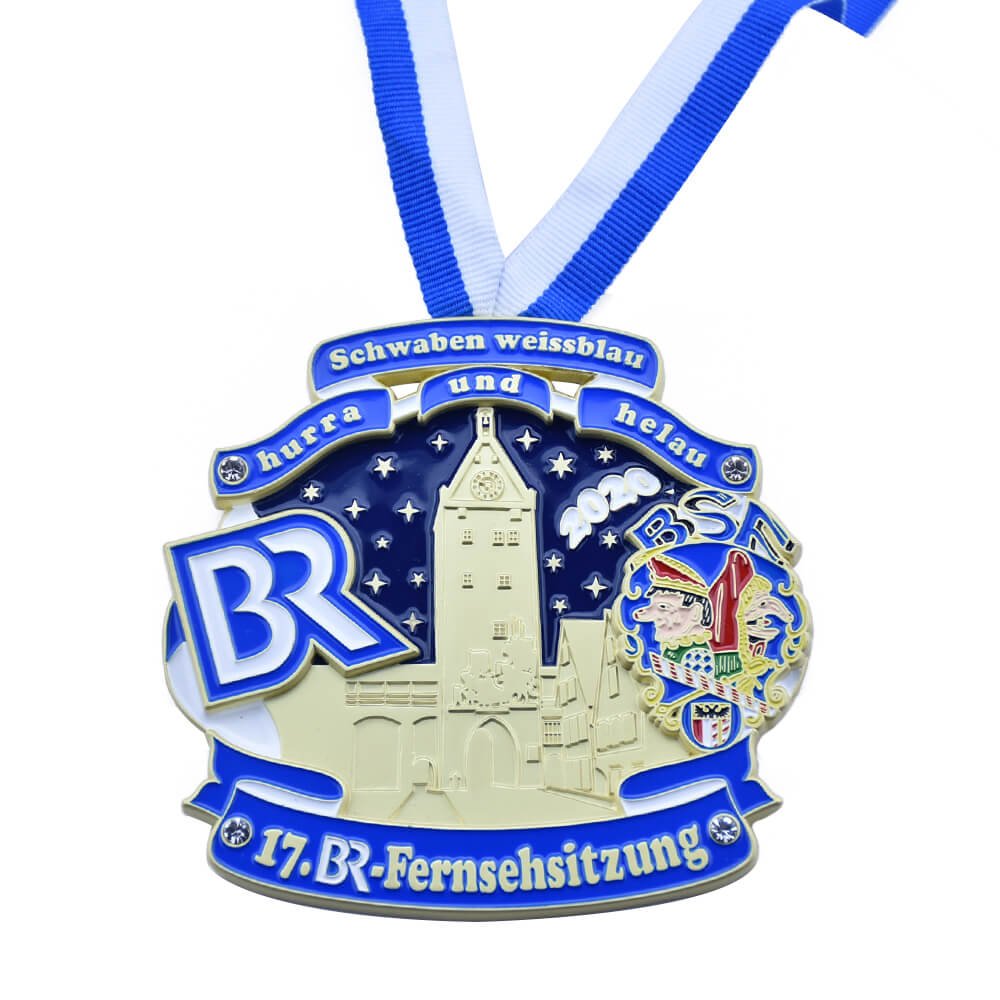
Color-changing medals lead this category. UV-reactive coatings shift color in sunlight, so a medal handed out indoors at an evening ceremony transforms the moment the recipient steps outside — a built-in reveal people naturally photograph and post. Interactive medals cost more per unit, but they generate more than one moment of engagement: a standard medal gets appreciated once, an interactive one gets discovered, then shared, then revisited.
Color-change is the newest entrant here, but not the only one — spinner centers and embedded NFC chips have already reshaped how race organizers think about finisher medals, worth a closer look if that’s the direction you’re considering.
Apply These Trends to Different Programs
Not every trend belongs in every program — it depends on who’s receiving the medal.
Corporate recognition and years-of-service awards tend to reward restraint: minimalist form, a sustainable material story, enough tactile depth to signal real thought, without needing an interactive gimmick.
Endurance and mass-participation events are where interactive and tactile designs earn their cost fastest, since the medal is often the only physical artifact of a day someone trained months for.
Limited or commemorative editions are where sustainability and craftsmanship carry the most weight, because the audience is buying into scarcity and story as much as the object.
Choose the Right Team for the Job
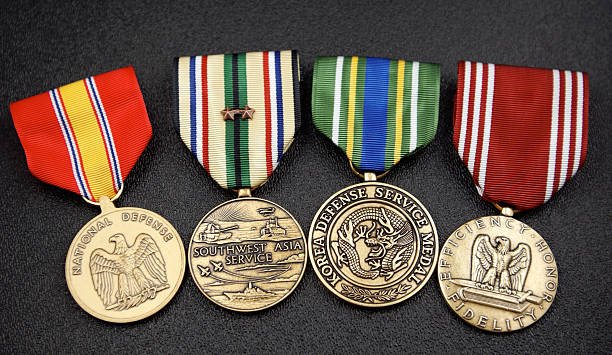
None of these trends translate into a good medal without a supplier who can actually execute them — die-struck relief, multi-finish surfaces, and UV-reactive enamel all require different tooling than a standard flat medal. Worth revisiting what to look for when choosing custom medals suppliers before committing to a design direction.
Заключение
The throughline across every trend here is the same: medals in 2026 are designed to carry meaning past the moment they’re handed over, whether that’s the symbolism behind the 2026 Olympics medals or a color-changing finish that turns a finisher’s medal into something worth photographing twice.
As you plan your next program — or your most iconic marathon medal order — the useful question isn’t which trend is most popular, it’s which one fits the story you want the recipient to remember. Contact us to talk through which direction makes sense for your next order.