Choosing the right belt buckle might seem like a small detail, but for traders, brands, e-commerce platforms, and retail buyers, it’s a decision that can significantly impact your product line’s success.
This guide skips the general trivia you can find anywhere and focuses on what actually helps a buyer: how a buckle functions and gets worn, how to tell one type from another at a glance, and — most importantly — how to turn that knowledge into a sourcing decision, from design to finished product.
How Does a Belt Buckle Work?
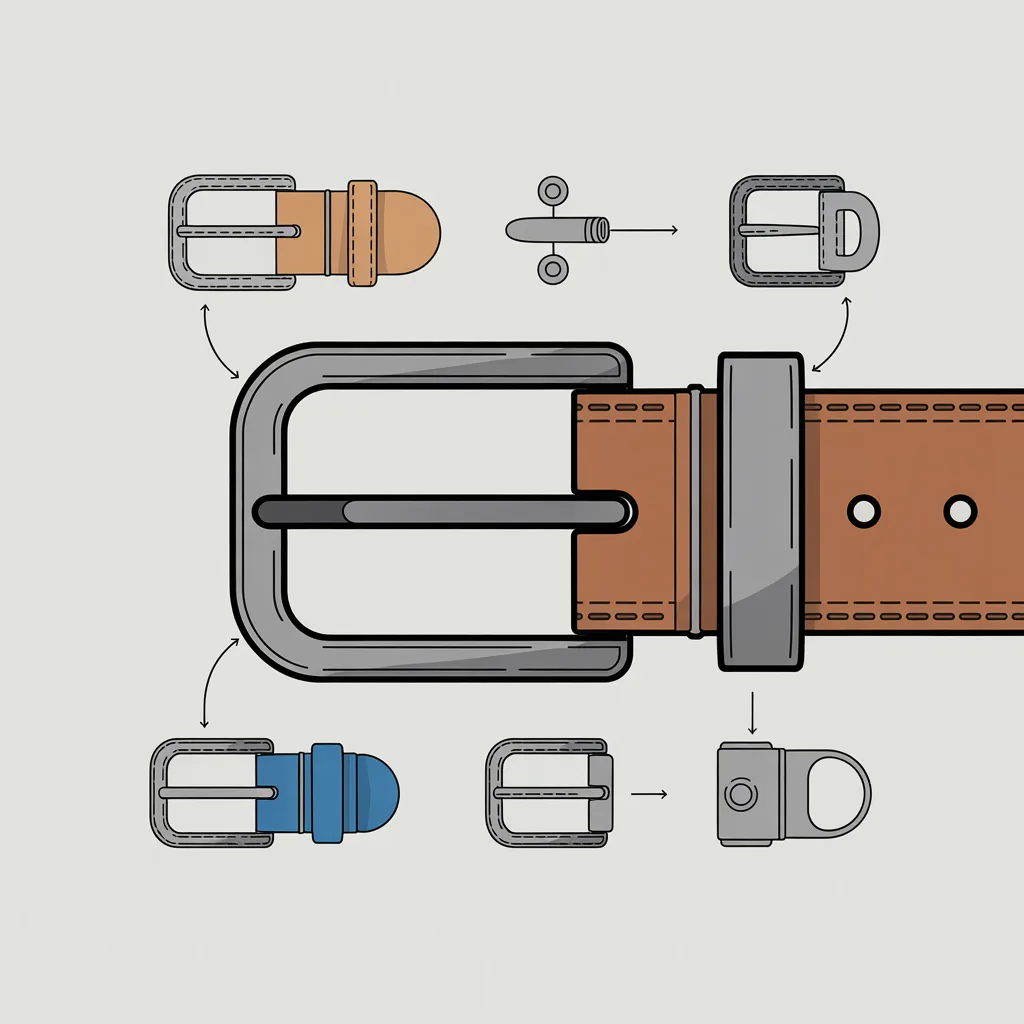
At its core, a belt buckle is a clasp mechanism that secures two ends of a belt together. The classic design uses a metal frame with a hinged prong that passes through pre-punched holes in the belt strap.
Modern versions have moved well beyond that. Ratchet buckles grip a hidden track for micro-adjustable precision, magnetic buckles snap together with no moving parts at all, and military-style buckles use quick-release friction mechanisms built for speed. All of them do the same job — keeping the belt secure — but each brings its own trade-off between convenience, cost, and perceived value, which matters when you’re deciding what to stock.
How Do I Use a Belt Buckle? Wearing It the Right Way
Knowing how to wear a belt buckle correctly is something your customers will judge your product on, even if they never say so out loud.
- Prong buckles: thread the belt end through the frame, pull it snug, and insert the prong into the nearest hole. The buckle should sit centered at the waistline, not pulled to one side.
- Ratchet buckles: slide the strap through the frame until it locks; no threading, no holes to hunt for.
- Magnetic buckles: simply bring both ends together until they snap flush.
- Western/trophy buckles: the decorative plate should always face forward and stay fully visible — that’s the whole point of the design, and covering it defeats the purpose of a statement piece.
Getting this right isn’t cosmetic. A buckle that’s hard to use correctly generates returns and negative reviews, which is exactly the kind of feedback loop a B2B buyer wants to avoid before placing a bulk order.
What Is the Belt Buckle Rule?
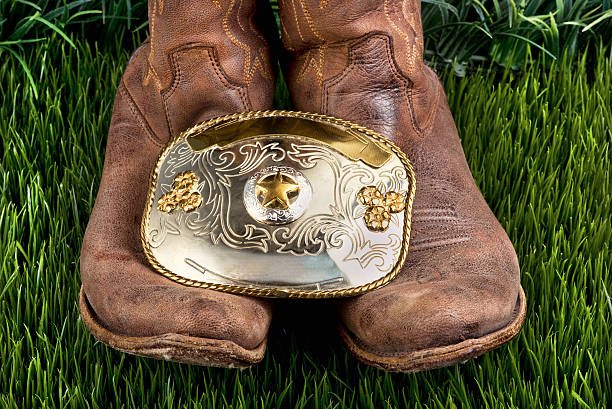
Here’s a style principle every retailer should know when advising customers: what is the belt buckle rule? In fashion, it states that your buckle’s metal finish should match your other accessories — particularly your watch, shoes, and jewelry. Silver buckles pair with silver watches and black shoes; gold or brass buckles complement brown leather footwear and gold-tone accessories.
Why does this matter commercially? Because customers who understand the rule shop with more confidence, and suppliers who can explain it position themselves as experts rather than order-takers. That expertise can lift average order value when shoppers add coordinating pieces to their cart, and it gives your sales or content team a simple talking point that actually helps close a sale.
Exploring Different Belt Buckle Types
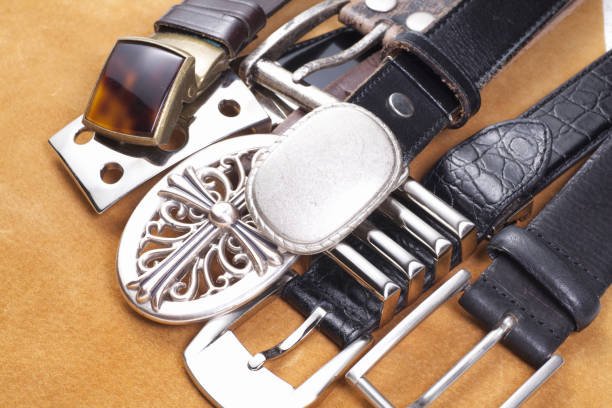
Understanding the range of different belt buckle types helps you curate a collection that fits your market instead of guessing. In brief:
Classic prong buckles — the reliable default. Low production cost, near-universal customer familiarity, strong margins.
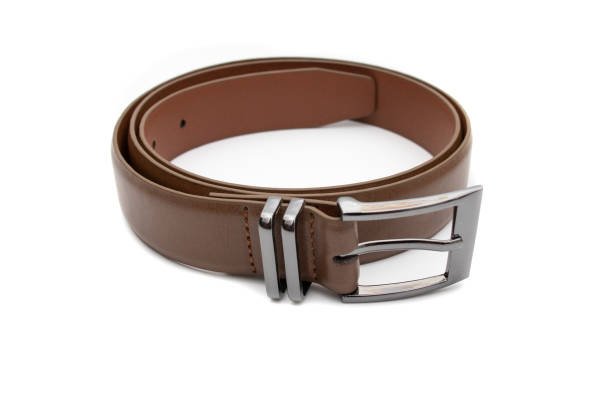
Ratchet/box-frame buckles — a “no holes” selling point that reads as modern and premium, popular with e-commerce shoppers.
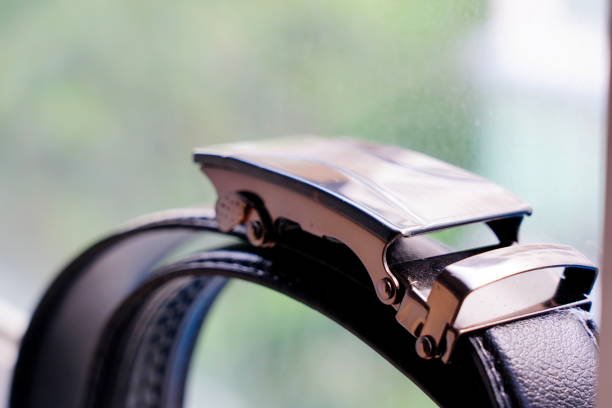
Western belt buckle styles — large, decorative plate designs, often engraved with logos or motifs, with the strongest niche appeal and the highest pricing headroom. Trophy buckles sit at the top of this category.
Magnetic buckles — minimalist, snap-together convenience aimed at contemporary and travel-focused brands.
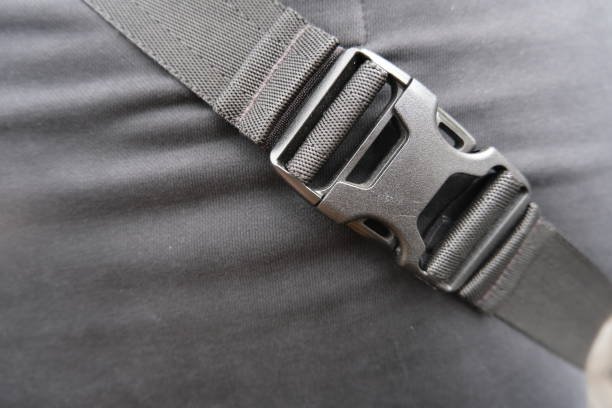
Military/tactical buckles — friction-based quick-release hardware built for durability, aimed at outdoor and workwear buyers.
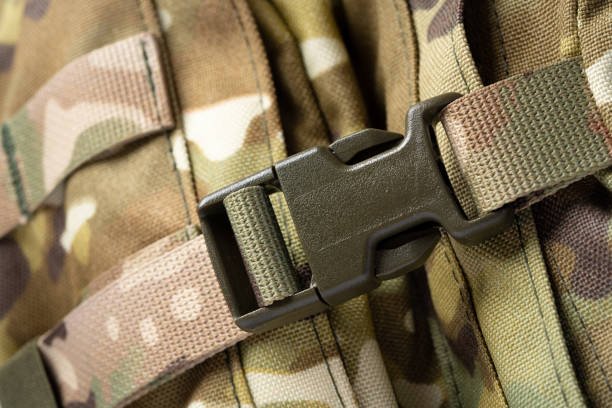
Each type serves a different shopper and a different price point, so the real work isn’t memorizing the list — it’s matching it to who’s actually going to buy from you.
From Concept to Custom Buckle: The Design Process
Once you’ve picked a type, the next question is how it actually gets made — and this is where most sourcing guides stop short. A proper custom order moves through a few clear stages:
Shape — circular, square, shield, polygon, or a fully irregular custom outline built around your logo or brand mark.
Technology — the finishing method determines both look and cost: soft paint fill, enamel color fill, metal stamping, adhesive/glue application, die-casting for fine 3D relief, or hydraulic pressing for deeper, more sculptural detail.
Logo format — most factories can work directly from CDR, AI, PDF, PSD, or even a flat JPG, so you don’t need a finished production file to start a quote.
Packing — presentation options typically range from simple poly bags to velvet pouches and rigid gift boxes, depending on whether the buckle is a retail SKU, a corporate gift, or an award.
Knowing this workflow upfront means you can brief a supplier accurately on the first message instead of losing a week to back-and-forth clarification.
Material at a Glance

Material choice sets your price tier and your positioning, so it deserves a quick summary here even though a full metallurgy breakdown belongs in a dedicated materials guide:
| Material | Price Tier | Ideal para |
|---|---|---|
| Zinc alloy | Budget to mid-range | Promotional buckles, detailed logos, bulk retail |
| Stainless steel | Mid to premium | Corporate gifts, long-wear retail lines |
| Brass | Mid to premium | Western wear, vintage-inspired, heritage brands |
If you want the deeper comparison — including titanium, nickel-free options, and finish aging — that’s covered in detail in our separate belt buckle materials guide; here, the goal is just matching a metal to a market fast.
Key Sourcing Criteria for B2B Buyers
Beyond style and material, a few sourcing fundamentals separate a smooth order from a costly one:
- Target market alignment — sleek polished frames for corporate buyers, decorative plates for Western/lifestyle retail, tactical hardware for outdoor brands.
- Customization requirements — logo engraving or enamel fill, standard widths (35mm for dress belts, 40mm for casual), and finish options that match your brand palette.
- Flexible MOQ — the ability to test 50 units before committing to 1,000 protects your cash flow and lets you validate a design against real demand.
- Quality assurance — always request samples to verify weight, finish, and mechanism strength before a bulk run.
Supplier Selection Checklist
When you’re ready to commit to a manufacturer, verify these essentials before signing off:
When choosing a belt buckle supplier for your business, verify these essentials:
✓ Flexible MOQ: Especially important for testing new designs
✓ Free design services: Reduces your development costs
✓ Sample availability: See and feel quality before committing
✓ Production timeline transparency: Know what to expect
✓ Clear communication: Responsive to questions and concerns
✓ Quality guarantees: Protection against defective products
✓ Shipping reliability: On-time delivery matters for inventory planning
A supplier who checks every box on this list is one you can scale with — not just order from once.
Belt Buckles as a Business Opportunity
Choosing the right belt buckle involves balancing style, functionality, material quality, and cost. For traders, brands, e-commerce platforms, and retail buyers, understanding the full picture — from how a buckle works and gets worn, to its type, its material, and the supplier behind it — is what turns a small accessory into a genuine growth line rather than a one-off SKU.
The right belt buckle is more than a functional clasp — it’s a branding opportunity and a customer satisfaction driver. Partner with suppliers offering free design services, no minimum order quantities, and responsive communication so you can test ideas confidently and scale as your market responds.
We specialize in custom belt buckles with no MOQ, free design services, and fast turnaround times for businesses of all sizes. Whether you need 50 promotional buckles or 5,000 retail units, our team helps bring your vision to life with expert guidance every step of the way.