When it comes to creating memorable challenge coins, most buyers focus on the face design—the logos, text, and artwork that tell their story. But here’s a secret that seasoned manufacturers know: challenge coin edges can be just as impactful in creating a distinctive, premium-quality piece that stands out from the crowd.
Whether you’re a trader sourcing products for resale, a brand manager planning a corporate recognition program, an e-commerce platform expanding your product line, or a retail buyer seeking unique merchandise, understanding the different types of edge on coins available can help you make informed decisions that align with your goals and budget.
Why Edge Design Matters More Than You Think
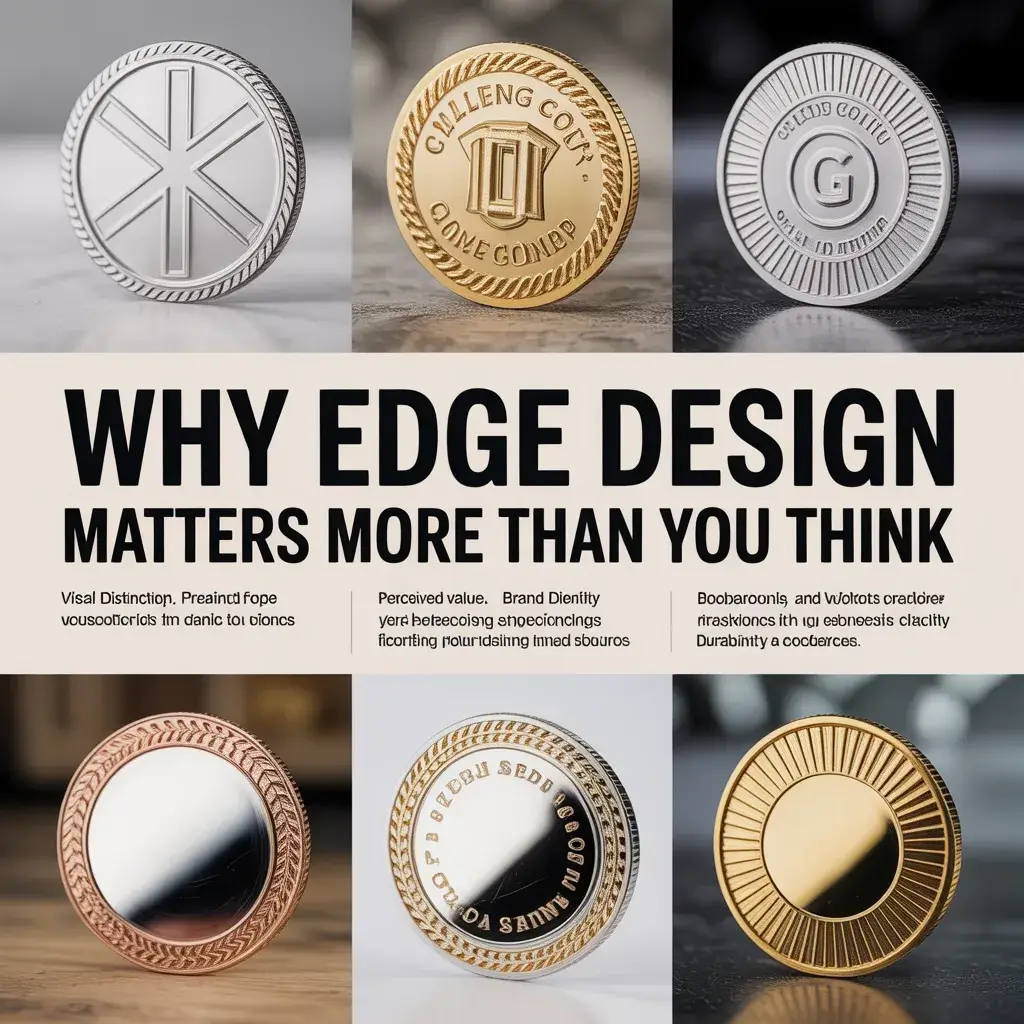
Before diving into specific edge options, let’s address why edge design deserves your attention. The edge of a challenge coin serves multiple purposes beyond mere aesthetics:
Visual Distinction: In a world where thousands of challenge coins are produced daily, a unique edge design helps your coins stand out immediately. When someone picks up your coin, the edge is one of the first tactile and visual elements they notice.
Perceived Value: Premium edge treatments like a milled edge coin or a cross-cut edge instantly elevate the perceived quality of your coins. This matters tremendously for brands investing in recognition programs or promotional campaigns.
Brand Identity: Just as your logo represents your brand visually, your choice of edge design can reinforce your brand personality—whether that’s traditional and authoritative, modern and innovative, or bold and distinctive.
Durability Considerations: Different edge designs offer varying levels of protection against wear and handling damage, which is particularly important for coins meant to be carried or displayed long-term.
What Does “Milled Edge” Actually Mean?
If you’ve spent any time researching types of edge on coins, you’ve probably run into the term “milled edge” and wondered how it’s different from “rope edge” or “cross-cut edge.” Here’s the short answer: milled edge is the umbrella term, not a single design.
A milled edge coin is any coin whose edge has been mechanically cut, pressed, or knurled after striking—as opposed to a plain edge, which is left smooth, or a cast edge, which takes its texture directly from the mold. Rope, spur, cross-cut, oblique line, and reeded edges are all technically milled edges; they just use different tooling to create different patterns.
Why does this distinction matter for buyers? Because “milled” is also a durability and quality signal. Milling adds a secondary manufacturing step, tighter tolerances, and (in most cases) a small cost premium—but it’s also what gives a coin that dense, “worth something” feel in the hand. When a supplier quotes you a “milled edge” option without specifying which pattern, ask them to clarify; the price and lead time can vary significantly between a simple rope edge and an intricate custom milled edge coin.
Popular Challenge Coin Edge Options at a Glance
Rather than repeating a long description of every edge style here, we’ve broken the most common options down by look, ideal use case, and production impact. (If you want the full breakdown of face-design pairing and text placement for each style, our guide on tips to create challenge coins covers that in more depth.)
| Edge Type | Visual Character | Minimum Thickness | Ideal para |
|---|---|---|---|
| Plain/Flat Edge | Smooth, minimalist | ~2mm | Budget bulk orders, market-testing runs |
| Rope Edge (Milled) | Twisted, classic texture | ~2mm | Military, heritage, traditional brands |
| Spur Edge (Gear) | Toothed, industrial | ~2.5mm | Tech, motorsports, gaming communities |
| Cross-Cut / Diamond Cut | Faceted, reflective | 3mm+ | Luxury gifts, championship coins |
| Oblique Line Edge | Slanted, streamlined | ~2.5mm | Startups, modern corporate branding |
| Wavy Edge Coin | Undulating, organic curves | 2.5–3mm | Coastal, wellness, hospitality, creative brands |
| Scalloped Edge Coin | Repeating curved indentations | 2.5–3mm | Heritage awards, commemorative, vintage-style artwork |
| Custom Edge | Text, logos, serial numbers | Varies by die | Large corporate runs, serialized editions |
Wavy Edge Coin: Flowing and Organic
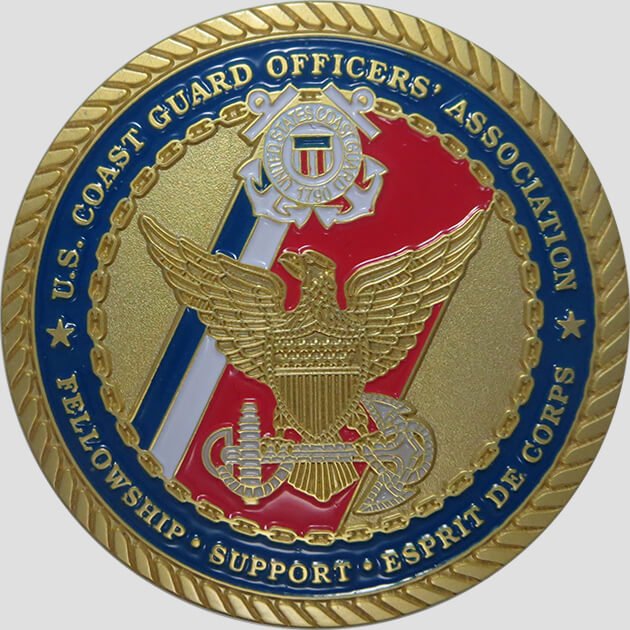
A wavy edge coin trades sharp angles for gentle, repeating curves around the perimeter—a softer, more organic silhouette than a rope or cross-cut edge. It’s an easy way to signal “we’re not a typical military or corporate coin” without saying a word. Brands in coastal, wellness, environmental, or creative spaces use this edge to reinforce their theme visually, and e-commerce sellers often find that a wavy edge coin becomes a talking point in customer reviews simply because it looks different from everything else on the shelf.
Scalloped Edge Coin: Decorative and Distinctive
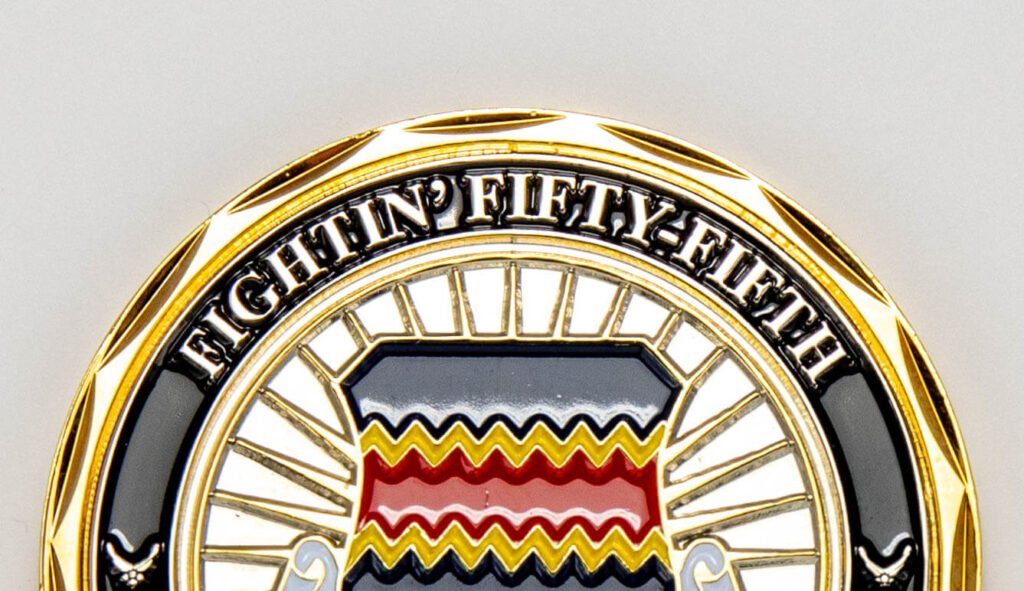
A scalloped edge coin features a series of regular, rounded indentations that resemble a pie crust or flower petals. It’s one of the more decorative options on this list and pairs especially well with vintage-inspired or award-style face designs. Heritage organizations and hospitality brands gravitate toward this style because it adds perceived craftsmanship without a major cost jump over a standard rope edge.
Rope, Spur, Cross-Cut, and Oblique Line Edges
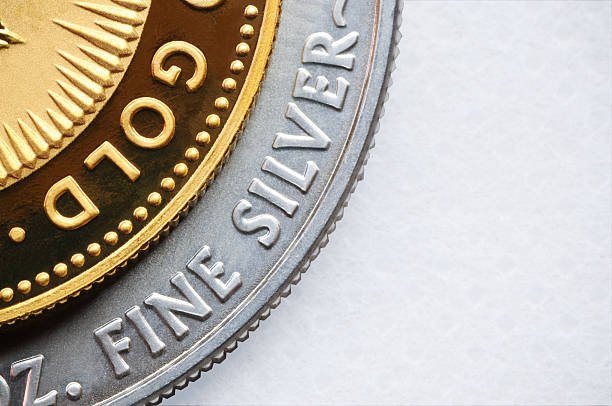
These four remain the most requested milled edge coin patterns among our clients. The rope edge is the closest thing to a “safe classic” choice for military and traditional programs. The spur edge, with its gear-like teeth, has become the go-to for tech and gaming brands wanting something bold. Cross-cut (diamond-cut) edges deliver the most light reflection and photograph best for e-commerce listings, while oblique line edges sit in the middle—modern enough for a startup, restrained enough for a formal corporate program.
A Real Order Snapshot
To put these numbers in context: a recent 500-unit corporate recognition order came to us specifying a 2mm plain edge to hit an aggressive budget target. After seeing a milled rope-edge sample at 2.2mm, the client upgraded—the edge cost added roughly $0.15 per coin, but the client reported the heavier, textured feel was the single most-mentioned detail in employee feedback after the coins were distributed. This is a common pattern: edge upgrades are often the cheapest “perceived value” lever in the entire production budget.
Select the Right Edge for Your Business Needs

For Traders and Distributors
When stocking inventory for resale, consider maintaining variety in your edge options. Market research suggests that rope edges and spur edges offer the best combination of broad appeal and reasonable pricing. Plain edges serve budget-conscious customers, while one premium option (cross-cut or custom) positions you for higher-value opportunities.
Pay attention to minimum order quantities for different edge types—standard edges typically have lower MOQs, while custom options may require larger commitments.
For Brands and Corporations
Your edge selection should align with your brand identity and the program’s purpose. Traditional, established organizations often gravitate toward rope or scalloped edges, which convey heritage and quality. Tech-forward companies frequently choose spur or oblique line edges to reinforce innovation messaging.
Consider ordering sample sets featuring different edge designs applied to your artwork before committing to large production runs. The difference in hand-feel and visual impact can be significant.
For E-Commerce Platforms
Photography is everything in online sales, so prioritize edges that create visual interest in still images. Cross-cut edges excel here due to their reflective properties, while a milled edge coin like rope or spur photographs clearly with strong edge definition.
Monitor customer reviews and questions—edge design often becomes a talking point. Clear product descriptions explaining edge options help reduce returns and increase customer satisfaction.
For Retail Buyers
Display considerations matter in retail environments. Edges visible in standard display cases (rope, spur, scalloped, wavy) tend to attract more attention than plain edges. Consider how coins will be presented—in protective cases, on card backing, or loose in display bins—and select edges that maximize visual appeal in your specific retail context.
Technical Considerations You Should Know

Different edge designs affect production timelines and minimum thickness requirements. Simple edges like plain or rope can be produced on thinner coins (as slim as 2mm), while complex edges like cross-cut typically require 3mm or thicker material for optimal definition.
Quality manufacturers maintain strict tolerances for edge consistency, ensuring every coin in your order features identical edge detail. When evaluating suppliers, request samples specifically to examine edge quality—sharp, well-defined edges indicate precision tooling and quality control.
Materials also matter. Brass, copper, and zinc alloy all accept edge designs well, though some intricate edges show more definition in harder materials. Discuss material selection with your manufacturer, especially for complex edge designs.
Make Your Decision
Choosing among the various types of edge on coins ultimately comes down to balancing aesthetics, budget, brand alignment, and practical considerations. Here’s a quick decision framework:
Start with purpose: Is this coin for recognition, promotion, commemoration, or resale? Purpose often points toward appropriate edge formality and complexity.
Consider your audience: Military and traditional organizations appreciate classic edges like homeland security challenge coins. Younger demographics and modern brands often prefer contemporary options like spur or oblique line edges.
Review your budget: Edge complexity directly impacts cost, but the increase is often modest compared to overall project value. Sometimes investing an extra dollar per coin for premium edges delivers disproportionate perceived value.
Request samples: There’s no substitute for holding physical samples. Most reputable manufacturers offer sample programs—use them.
Think long-term: If this is your first order but you anticipate ongoing programs, establish edge consistency now to build brand recognition over time.
Work with the Right Manufacturer
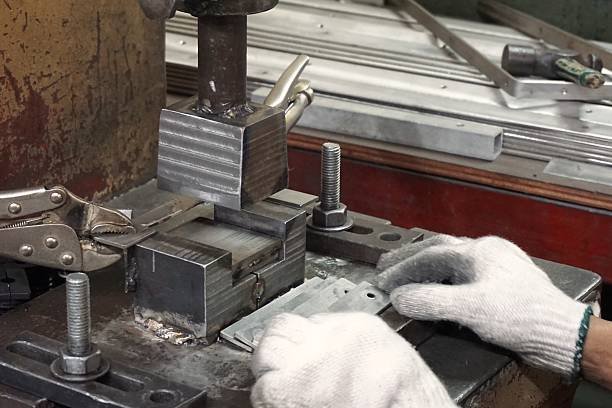
Quality edge design requires precision manufacturing capabilities. Look for suppliers with ISO9001 certification, which indicates commitment to quality management systems. Ask about their die-making process—high-quality edge detail starts with precision dies.
Production timelines vary by edge complexity. Plain edges might add just days to production, while custom edges could extend timelines by 2-3 weeks for die creation. Plan accordingly, especially for time-sensitive programs.
The Edge Makes the Difference
In the competitive world of challenge coins, attention to detail separates forgettable trinkets from treasured keepsakes. Challenge coin edges represent one of the most impactful yet frequently overlooked design decisions you’ll make. Whether you choose the timeless rope edge, modern spur edge, organic wavy edge coin, decorative scalloped edge coin, or precision cross-cut edge, your selection communicates your brand’s commitment to quality.
Ready to explore edge options for your next project? Request samples showcasing different edge designs, or contact our design team for a free consultation. With over 20 years of craftsmanship experience and ISO9001 certification, we’ll give you some practical tips to create challenge coins that make lasting impressions—right down to the edge.
Perguntas frequentes
Is a milled edge coin more durable than a plain edge coin?
Generally, yes. The added texture on a milled edge—whether rope, spur, or cross-cut—helps mask minor handling wear and scratches better than a smooth plain edge, which shows scuffs more visibly over time.
Can I combine edge text with a decorative edge like a wavy edge coin or scalloped edge coin?
It’s possible but limited. Because these patterns already use the full edge surface for the curve or scallop shape, there’s less flat space for engraved text compared to a plain or rope edge. Discuss layout with your manufacturer’s design team before finalizing artwork.
How much does upgrading the edge typically add to cost?
It varies by pattern and order volume, but most standard milled edges (rope, spur, oblique) add a modest per-unit cost. Cross-cut and fully custom edges carry a higher premium due to die complexity and thickness requirements.