







If you’ve scrolled through a trade show floor, a brand’s merch drop, or a retail gift shop, you’ve noticed pins are having a moment. They’re small, collectible, and — sourced right — one of the highest-margin products a reseller can stock. But before you send off that purchase order, one decision shapes your cost, turnaround, and how customers feel the moment it lands in their hands: acrylic or enamel?
It’s not just a design preference — it’s a sourcing decision. Get it right, and you’ll have a product that reorders itself. Get it wrong, and you’re stuck with inventory that scratches, fades, or misses expectations. Let’s break both materials down, no fluff, so you know exactly what you’re buying before you commit.
What Are Acrylic Pins?
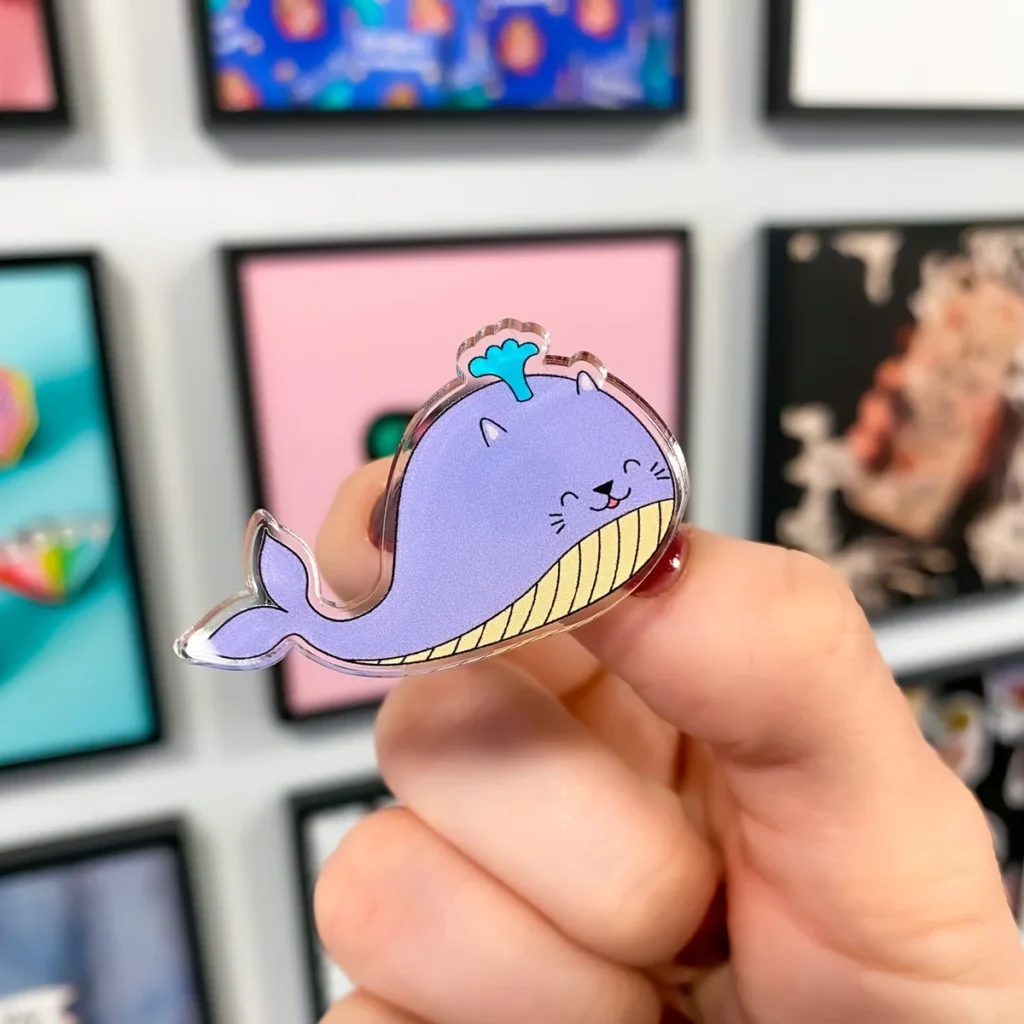
An acrylic pin is exactly what it sounds like: a pin made from clear or colored acrylic plastic, with artwork printed directly onto (or sandwiched inside) the material and sealed under a glossy coating. Instead of being built from metal and colored enamel, acrylic pins are essentially tiny, wearable prints — which means they can reproduce almost anything, including gradients, shading, and photo-quality detail that other pin types simply can’t touch.
Why buyers like them:
- No mold required, so setup costs and lead times are lower
- Full-color printing means no limit on how complex or colorful your design gets
- Lightweight, which keeps shipping costs down on bulk orders
- Great for testing a new design quickly before committing to a bigger production run
If your brand does a lot of trend-driven drops — think anime-style art, influencer collabs, or seasonal campaigns — acrylic is often the faster, cheaper way to get product into customers’ hands without tying up capital in a mold you might only use once.
What Are Enamel Pins Made Of? (And What Do They Actually Mean?)
This is one of the most common questions we get from first-time buyers, so let’s answer it properly.
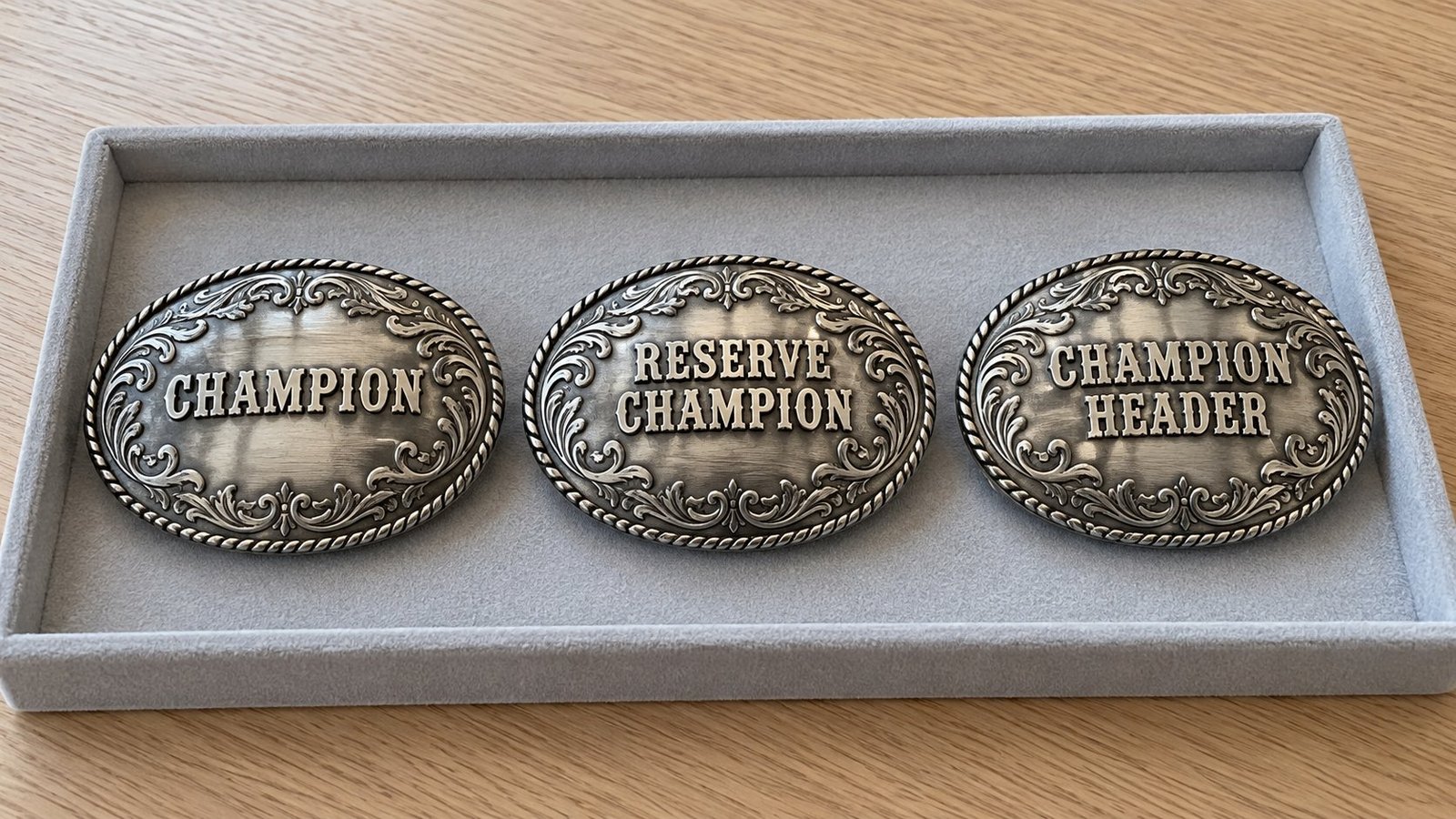
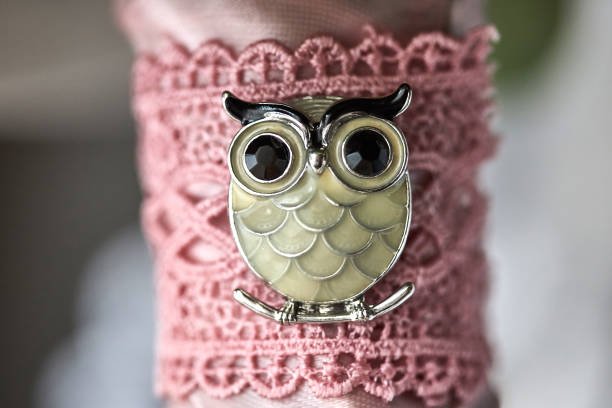
What are enamel pins made of? At their core, enamel pins start with a metal base — usually iron, zinc alloy, copper, or brass — that’s stamped or cast into your design’s outline. Colored enamel (a glass-like paint) is then filled into the recessed areas, and the pin is baked, polished, and plated with a finish like gold, silver, black nickel, or antique brass. The result is a small piece of hardware that feels more like jewelry than a sticker.
As for the enamel pin meaning in a broader sense — culturally, enamel pins have come to represent something collectible and intentional. They’re not disposable swag; they’re the kind of item people display on jackets, backpacks, and pin boards, trade with other collectors, and hold onto for years. That reputation is exactly why enamel pins carry a premium price point and why brands use them for milestones, loyalty programs, and limited editions rather than mass giveaways.
Soft enamel vs. hard enamel, quickly:
- Soft enamel has slightly recessed color with visible metal lines — textured, tactile, and more budget-friendly.
- Hard enamel is polished flush with the metal, giving it a smooth, glass-like, high-end finish — the choice for brands that want a “this feels expensive” moment.
Acrylic vs Enamel: The Side-by-Side Comparison
| Factor | Acrylic Pins | Enamel Pins |
|---|---|---|
| Unit Cost | Lower | Higher |
| Setup / Mold Fees | None | Required (one-time, amortizes over reorders) |
| Production Time | Faster | Slower (multi-step process) |
| Design Capability | Full color, gradients, photos | Bold logos, solid colors, clean line art |
| Durability | Good, but plastic can scratch or crack under pressure | Excellent — metal base resists wear |
| 지각된 가치 | Fun, modern, trend-driven | Premium, collectible, “gift-worthy” |
| Best Fit | Fast campaigns, fan merch, promotional drops | Corporate gifts, brand identity, limited editions |
Neither one is objectively “better” — they’re built for different jobs. The real question is which job you’re hiring the pin to do.
Cost and Margin: What This Means for Your Bottom Line
If you’re buying to resell — whether that’s on an e-commerce platform, through a distribution network, or in a physical retail space — margin is the whole game.
Acrylic pins typically come in at a lower per-unit cost because there’s no mold to pay off and production is faster. That makes them a lower-risk way to test new SKUs: order a smaller batch, see how it sells, and scale up if it performs.
Enamel pins cost more upfront, largely because of the mold fee and multi-step manufacturing process. But here’s the trade-off: enamel pins support a higher retail price point because customers perceive them as more valuable — and that perception is usually correct. Once the mold is paid off, reorders become significantly cheaper, which is why enamel pins are a strong long-term play for a design with proven demand.
A simple rule of thumb: use acrylic to test, use enamel to scale a winner.
Durability: The Factor Buyers Often Underestimate
Durability isn’t just a design spec — it directly affects your return rate, your reviews, and whether a customer buys from you again.
Acrylic pins hold up well for everyday wear, but the plastic base can crack if dropped or bent, and prolonged sun exposure can dull the color over time. That’s a real consideration if your product is going to sit in a warehouse, get shipped internationally, or be displayed outdoors at events.
Enamel pins, being metal at their core, are simply tougher. They resist scratching, they don’t crack under normal handling, and a well-made hard enamel pin can genuinely last decades. If your buyers are going to attach the pin to something they wear daily — a jacket, a lanyard, a backpack — enamel is the safer bet for keeping complaints low.
Custom Hockey Pins vs Generic

Here’s a scenario that makes the decision click for a lot of buyers: custom hockey pins vs generic promotional pins.
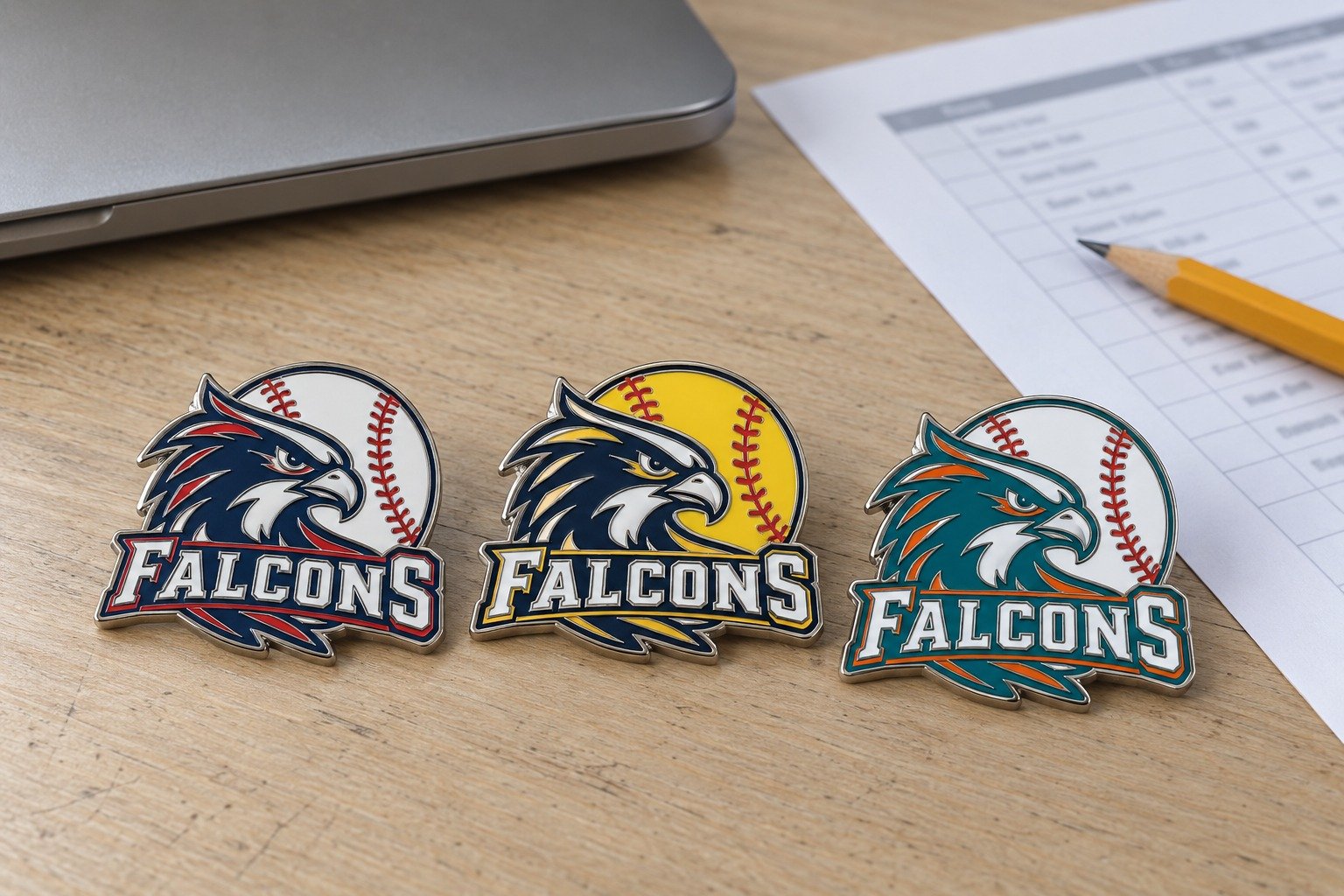
A generic, off-the-shelf pin — something pulled from a catalog with a placeholder design — might save you a few cents per unit, but it does nothing for brand recognition and often ends up in a drawer. A custom pin, whether acrylic or enamel, built specifically for a team, a tournament, or a sponsor, becomes something fans actually want to trade, collect, and wear. Sports and fan merchandise is one of the clearest examples of where the material choice matters: acrylic works well for colorful, mascot-heavy designs sold in bulk at games, while enamel is the go-to for championship pins, alumni gifts, or anything meant to be kept for years. The same logic scales to any branded merchandise program — generic product rarely builds loyalty, but a well-made custom pin does.
Start From Scratch? Don’t Overlook Blank Pins
If you’re still finalizing artwork, prototyping packaging, or running a small in-house customization operation, it’s worth asking your supplier about blank pins — uncoated, unprinted acrylic or metal bases that you (or a downstream partner) can decorate later. Blank pins are especially useful for:
- Testing hardware, backing types, and sizing before committing to full production
- Small-batch or made-to-order businesses that hand-finish pins
- Distributors who want inventory on hand that can be quickly customized per client
It’s a low-commitment way to get familiar with a supplier’s quality before placing a large custom order.
Choose an Enamel Pin Manufacturer You Can Actually Rely On
Whichever material you go with, the supplier matters as much as the pin itself. Before placing a bulk order, it’s worth confirming:
- Sample quality — request a physical sample, not just a digital mockup
- Realistic turnaround times — especially important around holidays or event deadlines
- Transparent pricing — including mold fees, packaging, and shipping, not just the per-unit cost
- Compliance and safety testing — lead and phthalate testing matters if you’re selling to consumers, especially kids’ merchandise or accessories
- Communication — a supplier who’s responsive before you’ve placed an order is a good sign of what to expect after
결론
There’s no universally “right” answer between acrylic and enamel — only the right answer for what you’re trying to sell, to whom, and at what price point. Acrylic gives you speed, affordability, and unlimited color. Enamel gives you durability, prestige, and long-term collectibility. Many of the smartest brands and resellers don’t choose one over the other — they use both, strategically, at different stages of a product’s life.
Not sure which route fits your next order? Request a quote or ask for samples of both — it’s the fastest way to feel the difference for yourself before you commit to a production run.
자주 묻는 질문
Are acrylic pins or enamel pins more profitable to resell?
It depends on your price point strategy. Acrylic offers better margins on lower-cost, high-volume sales; enamel supports higher retail pricing and stronger perceived value per unit.
What’s the minimum order quantity for custom enamel pins?
This varies by manufacturer, but enamel pins typically require a higher MOQ than acrylic due to the mold setup cost.
Can I order a mix of acrylic and enamel pins in one purchase?
Yes — many buyers do exactly this to cover multiple price tiers or test a design in acrylic before scaling it in enamel.
Which pin type is better for e-commerce or dropshipping?
Acrylic is usually the safer starting point due to lower upfront costs and faster production.
Do acrylic pins fade over time?
They can, particularly with prolonged sun exposure. A quality protective coating slows this down significantly.