







If you’ve ever tried to source custom pins, medals, keychains, or badges, you’ve probably run into two words that show up again and again in supplier quotes: die-casting and stamping. They sound similar, they both involve a metal “die,” and they both end up producing the shiny little metal accessory sitting on your desk right now. But under the hood, they’re two completely different manufacturing processes — and picking the wrong one can quietly mess with your budget, your timeline, or the fine details on your logo.
The good news? You don’t need an engineering degree to make the right call. You just need to understand what each process actually does, where it shines, and where it struggles. Let’s break it down.
What Is Diecast Metal?
Let’s start with the basics: what is diecast metal, and why does it come up so often in manufacturing quotes?
Die-casting is a process where molten metal — usually a zinc alloy, sometimes aluminum — is injected under high pressure into a steel mold, known as a stamping mold’s cousin (more on that terminology mix-up in a second). The metal fills every nook and cranny of the mold cavity, cools, and hardens into the exact shape of the design. Once it’s ejected, you’re left with a solid, dense metal piece that can capture incredibly fine detail: raised lettering, 3D textures, layered depth, even tiny spinning or moving parts.
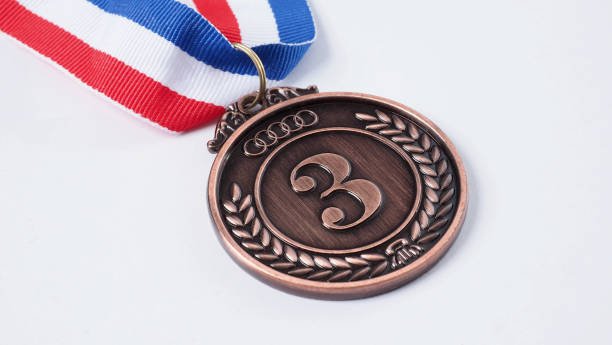
This is why die-casting is the go-to process for products where visual “wow factor” matters — think 3D lapel pins with sculpted edges, championship belts, or premium die cast medals with a raised emblem in the center. If you’ve ever held a medal that felt substantial and had crisp, sculpted detail, there’s a very good chance it came out of a die-casting mold.
One quick terminology note, since it trips up a lot of first-time buyers: the mold used in die-casting is technically called a “die,” not a stamping mold. A stamping mold (or stamping die) is a different tool entirely, used in the process we’re about to cover next. Suppliers sometimes use “die” loosely to describe both, so don’t be afraid to ask your manufacturer to clarify which type of tooling your quote actually includes.
What Is Metal Stamping?
Now let’s flip to the other side of the coin — literally, since stamping’s roots trace back to ancient coin-making.
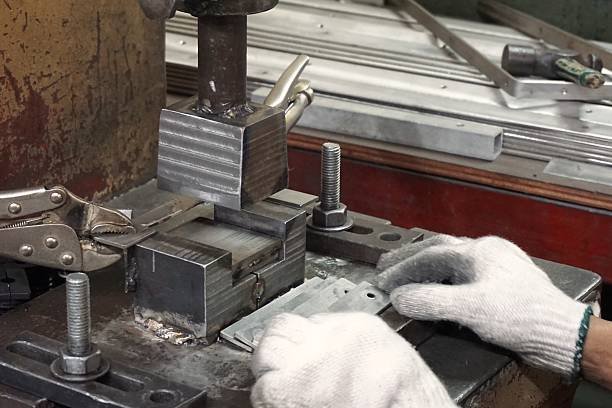
Metal die stamping (often just called stamping or pressing) works with flat sheet metal instead of molten liquid. A sheet of metal — steel, brass, copper, or aluminum — is fed into a press, where a stamping mold (also called a stamping die) comes down with serious force to cut, punch, bend, or emboss the metal into shape. Depending on the design, this might happen in one hit or across several stages using progressive dies and stamping tools that gradually build up the final shape.
Because stamping works with cold sheet metal rather than melted material, it’s a fast, efficient process — and it’s incredibly good at producing large volumes of consistent, flat or lightly contoured parts. Think classic enamel pins with a flat base, name badges, simple keychain shapes, or metal brackets and clips. If your design is more “clean and graphic” than “sculpted and dimensional,” stamping is very likely your friend.
Die-Casting vs. Stamping: The Quick Comparison
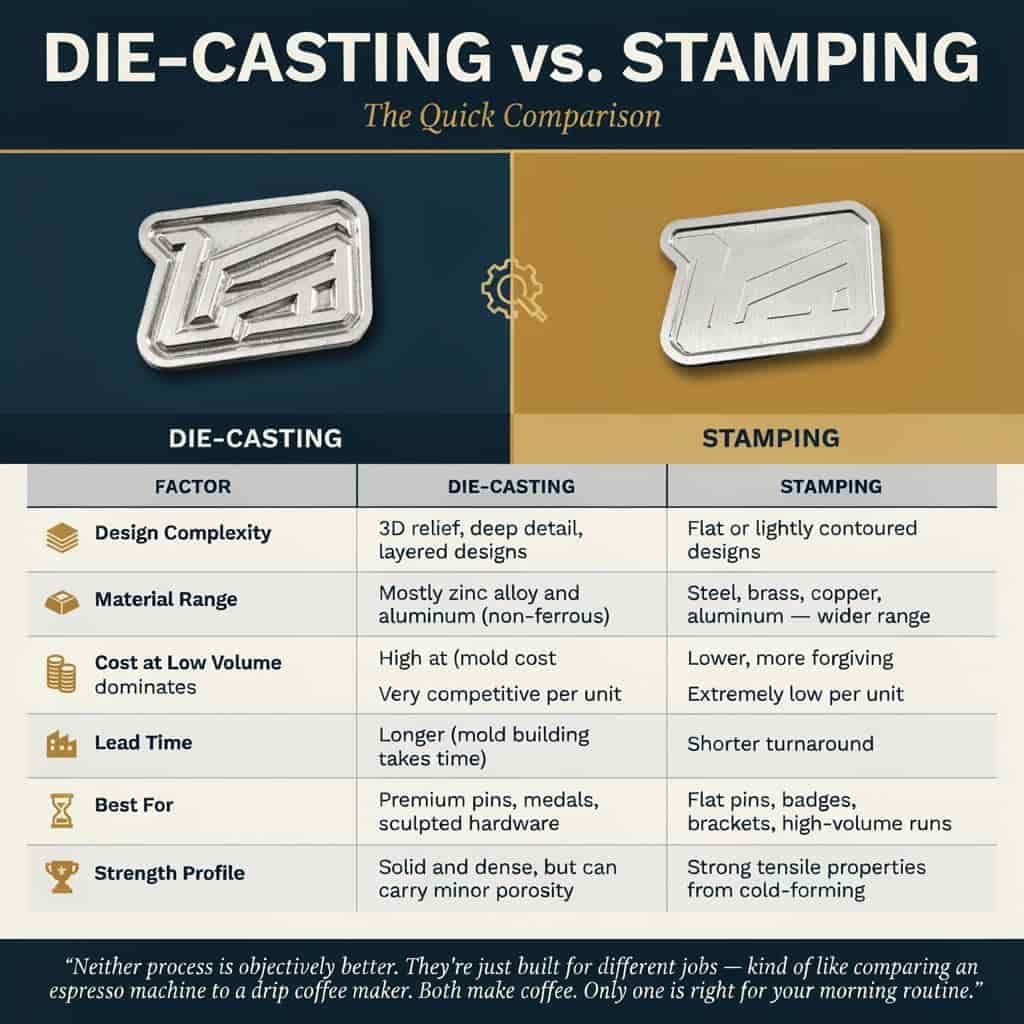
Here’s the side-by-side breakdown traders and brand buyers actually care about:
| Factor | Die-Casting | Stamping |
|---|---|---|
| Design complexity | 3D relief, deep detail, layered designs | Flat or lightly contoured designs |
| Material range | Mostly zinc alloy and aluminum (non-ferrous) | Steel, brass, copper, aluminum — wider range |
| Cost at low volume | Higher (mold cost dominates) | Lower, more forgiving for small runs |
| Cost at high volume | Very competitive per unit | Extremely low per unit |
| リードタイム | Longer (mold building takes time) | Shorter turnaround |
| Best for | Premium pins, medals, sculpted hardware | Flat pins, badges, brackets, high-volume runs |
| Strength profile | Solid and dense, but can carry minor porosity | Strong tensile properties from cold-forming |
Neither process is objectively “better.” They’re just built for different jobs — kind of like comparing a espresso machine to a drip coffee maker. Both make coffee. Only one is right for your morning routine.
5 Things to Weigh Before You Choose

If you’re staring at two quotes right now — one for die-casting, one for stamping — here’s what should actually drive your decision.
1. How Complex Is Your Design?
Ask yourself honestly: does your logo need depth, texture, or a 3D sculpted look? If your artwork has layered elements, raised borders, or fine sculptural detail, die-casting will do it justice. If it’s a clean, flat logo or wordmark, stamping will reproduce it crisply without paying for complexity you don’t need.
2. What’s Your Order Volume?
This is often the deciding factor for traders and e-commerce sellers running trial batches. Die-casting requires building a metal die upfront, so the tooling cost gets spread across your order — the smaller the order, the more painful that cost feels per unit. Stamping molds are generally cheaper and faster to produce, making stamping friendlier for smaller test orders or frequent design changes.
3. What’s Your Budget Structure?
Related to volume, but worth calling out separately: die-casting front-loads cost into tooling, then rewards you with efficiency at scale. Stamping spreads cost more evenly and keeps upfront investment lower. If you’re testing a new product line before committing to a big reorder, that difference matters.
4. How Fast Do You Need Stock?
E-commerce sellers know this pain well — a trending product can lose momentum if it takes too long to restock. Because stamping tooling is quicker to build, it typically gets you from design to finished product faster than die-casting, which needs more lead time for mold fabrication and casting cycles.
5. What Material and Finish Do You Need?
Die-casting is mostly limited to non-ferrous metals like zinc and aluminum. If your product needs a ferrous metal, or you want maximum flexibility across steel, brass, and copper, stamping opens more doors. Both processes pair well with plating, enamel fill, and antique finishes — but it’s worth confirming compatibility with your supplier before finalizing a design.
Match the Process to the Product

Let’s get concrete, since theory only goes so far.
3D lapel pins and sculpted logo pins almost always call for die-casting. The raised detail and dimensional edges simply aren’t achievable with flat stamping.
Flat enamel pins and simple shape pins are a natural fit for stamping. It’s fast, cost-effective, and perfectly suited to crisp, flat artwork.
Medals and trophies can go either way depending on the occasion. For premium recognition pieces — think anniversary awards or championship medals with fine detail — die-casting wins. For high-volume events like marathons or youth sports leagues needing thousands of medals fast and cheap, stamping is usually the smarter call.
Keychains, zipper pulls, and buckles depend entirely on the design’s complexity. A sculpted 3D keychain charm leans toward die-casting; a flat logo tag leans toward stamping.
Name badges and corporate ID hardware are almost always stamped, since the priority here is consistency, speed, and cost — not sculptural depth.
What You’re Actually Paying For
Understanding the cost structure helps you avoid surprises when quotes come in.
With die-casting, a large chunk of your initial cost goes toward building the die itself — a precision steel mold engineered to your exact design. This is a one-time investment (though some suppliers amortize it into your unit price), and once it exists, producing additional units becomes relatively efficient.
With stamping, the tooling investment is typically lower and faster to produce, but keep in mind that highly complex stamped designs may require multiple dies and stamping stages, which can push costs back up. In other words, stamping isn’t automatically “the cheap option” — it’s the cheap option for simple designs at flexible volumes.
Don’t forget the extras either: plating, enamel color fill, polishing, and packaging apply to both processes and can shift your total cost more than the base manufacturing method does.
Common Mistakes Buyers Make
A few missteps we see often from traders and brand teams sourcing metal accessories for the first time:
- Choosing die-casting for a small trial order. If you’re testing 300–500 units before a bigger commitment, the mold cost may outweigh the benefit — stamping (or even soft enamel with simpler tooling) might get you to market faster and cheaper.
- Choosing stamping for intricate 3D artwork. Flattening a sculpted design to fit a stamping process usually disappoints once the sample arrives. If depth matters, budget for die-casting from the start.
- Ignoring finish compatibility. Not every finish plays equally well with both processes — always confirm with your supplier before locking in artwork.
- Underestimating lead time. If you’re planning a seasonal launch or a product drop tied to a specific date, factor in mold-building time well in advance, especially for die-cast projects.
Process selection is just one piece of a smooth sourcing experience — for a broader look at avoiding costly missteps when working with overseas manufacturers, check out our guide on China sourcing mistakes.
How Unique Custom Pins Can Help
At the end of the day, you shouldn’t have to become a manufacturing expert just to order custom metal accessories. That’s where we come in. At ユニークなオリジナルピンバッジ, our team works with die stamping, metal die-casting and sand casting in-house, which means we can look at your artwork and honestly tell you which process fits best — instead of pushing whichever one happens to be sitting on our production floor.
Whether you’re a trader sourcing for resale, a brand building out a merch line, or a retail buyer stocking up for the season, we’ll walk you through mold options, realistic lead times, and pricing that actually makes sense for your order size.
Ready to figure out the right process for your project? Request a free quote and our team will help you turn your design into the right metal accessory — the first time.
よくある質問
Is die-casting more expensive than stamping?
Usually, yes — for small orders. Die-casting requires a precision mold upfront, so smaller batches carry a higher per-unit cost. At large volumes, the gap narrows significantly.
What’s the minimum order quantity for die-cast pieces?
It varies by supplier, but die-casting typically favors larger minimums to justify mold costs. Ask your manufacturer for exact MOQ thresholds before committing to a design.
Can stamped metal accessories have enamel color fill?
Yes. Both die-cast and stamped pieces can be finished with soft or hard enamel, plating, or other decorative treatments.
Which process produces a stronger product?
Stamped parts are cold-formed, which tends to preserve the metal’s natural grain structure and improve tensile strength. Die-cast parts are strong and dense but may carry minor porosity from the casting process.
How long does production typically take?
Stamping generally moves faster since its tooling is quicker to build. Die-casting takes longer due to mold fabrication, but timelines vary by supplier and design complexity.
Can one product line use both processes?
Absolutely. Many brands mix die-cast pieces for hero/flagship items with stamped pieces for simpler, high-volume accessories within the same collection.