







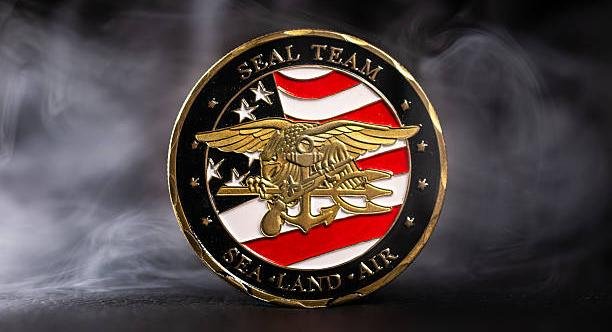
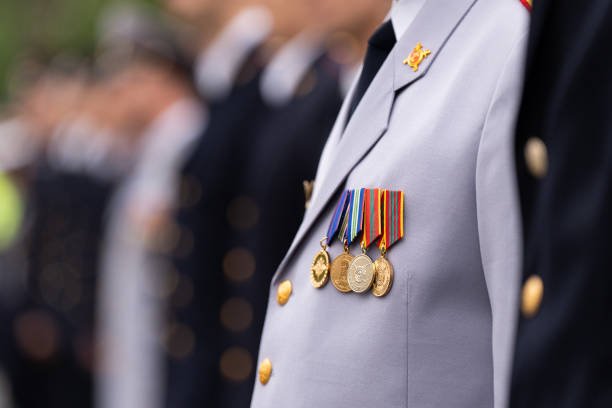
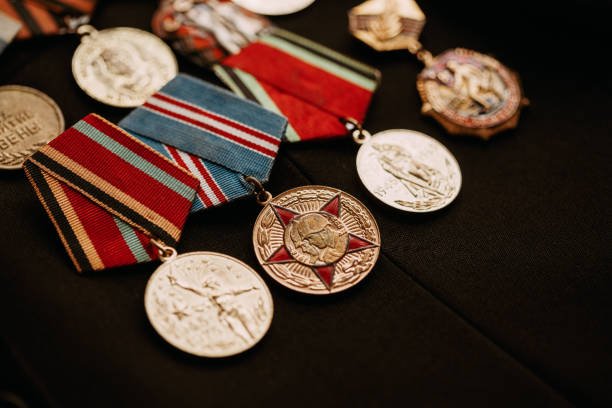
A military challenge coin is a small custom medallion, usually metal, given to a service member to mark their unit, an accomplishment, or a shared experience. Unlike a military medal, which is awarded formally and worn on a uniform, a challenge coin is personal and informal — often handed over quietly, coin-to-palm, during a handshake.
That’s really what it means to be “coined” in the military: someone in leadership recognized you, personally, without ceremony. It’s not about rank or paperwork. It’s a private acknowledgment between service members that says, you belong here, and what you did mattered.
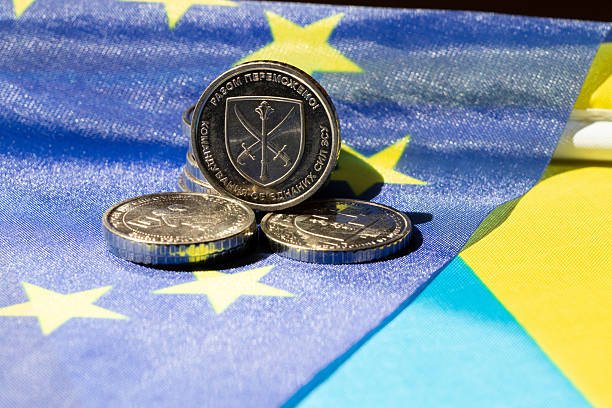
Coins are typically 1.5 to 2 inches across and feature a unit crest, motto, or emblem. No two units’ coins look alike — which is part of the appeal. Each one tells a story specific to the group that carries it.
Where the Tradition Comes From
To really understand what a challenge coin means, it helps to know where the practice started. The history is part legend, part documented military record — and both versions matter to why the tradition has lasted.
No single account is universally agreed upon — much of it survives through oral history rather than official military records.
Ancient Roman Origins
The earliest known parallel dates back to the Roman Empire. Roman commanders sometimes rewarded soldiers for exceptional bravery in battle with a specially minted coin bearing their legion’s insignia. These weren’t meant to be spent — they were kept as proof of service and valor, much like today’s challenge coins.
The World War I Legend
The most commonly told origin story comes from World War I. According to military lore, a wealthy American lieutenant had bronze medallions struck for every member of his flying squadron. One of those pilots was later shot down over enemy territory, captured, and stripped of all identification — except the coin, hidden in a pouch around his neck. When he escaped and reached French forces, who suspected him of being a spy, the coin was the only proof of his unit and nationality. It saved his life.
Whether the story is fact or legend passed down through generations, it’s the account most consistently cited across military histories, and it marks what many consider the birth of the modern coin tradition.
How the Tradition Spread
From that point, the tradition grew slowly, then quickly:
- World War I–WWII: Isolated units adopt personal or squadron coins.
- Korea & Vietnam: First officially documented unit-issued coins (17th Infantry, 10th Special Forces Group).
- 1990s: Special operations units make coins a standard part of unit identity.
- Post-2000: The practice spreads to every branch — Army, Navy, Air Force, Marines, Coast Guard, and later Space Force.
- Today: Law enforcement, fire departments, and even civilian organizations have adopted the practice.
For collectors, this timeline matters — coins tied to a specific era or campaign, like WWII or Operation Iraqi Freedom, tend to carry the most historical and collectible significance.
Purpose of Military Challenge Coins
Beyond their history, challenge coins serve a few consistent purposes across every branch and era.
Recognition of achievement. Commanders present coins for bravery, completed missions, or milestones like a promotion. Because there’s no formal process behind it, the recognition feels personal — often more meaningful to the recipient than a formal award. For more on how commanders use them day to day, see how military challenge coins are used today.
Camaraderie and unity. A coin is a physical reminder that you’re part of something larger than yourself. Units that have gone through hardship together often see their coin as a symbol of that shared experience — a spirit of unity that has extended well beyond the military itself, as seen in civilian commemorations like the 250th anniversary of America.
Symbolic, not monetary, value. A challenge coin isn’t worth anything as currency — its value comes entirely from what it represents. That’s why service members rarely part with them, even decades after leaving the service.
Military Challenge Coin Traditions and Etiquette
A few traditions have carried through generations of coin holders, and understanding them helps explain why the practice still feels meaningful rather than just symbolic.
The presentation handshake. A coin is typically passed hand-to-hand during a handshake, rather than formally awarded. It’s discreet by design.
Carrying your coin. Once you’re given a coin, tradition holds that you should carry it with you at all times — this is the basis of the “coin check” game, where someone slams their coin on a table or bar and challenges others to produce theirs. Anyone who can’t is expected to buy the next round. (We cover the full rules of the coin check in a separate guide, linked below.)
Respecting the coin’s origin. Boasting about a coin, or displaying it carelessly, is generally seen as poor etiquette. Losing one is considered a minor disgrace within some units. These informal rules are part of what keeps the tradition feeling earned rather than commercial.
Beyond the Military: How the Tradition Lives On
While the practice started in the armed forces, it hasn’t stayed there. Law enforcement agencies use coins for unit pride and inter-department exchanges. Fire departments, federal agencies, and even some sports teams and companies have adopted similar coins to mark milestones or build team identity.
For collectors, this expansion has created a growing category of rare military challenge coins beyond the traditional armed forces — a topic worth exploring on its own (see our dedicated collecting guide). The same qualities that make coins meaningful in the military — identity, pride, recognition — are also why businesses have started using them as a powerful branding tool, from employee recognition to client gifts.
If you’re looking to create a custom coin — for a unit, a business milestone, or a personal keepsake — you can see how you can customize them, explore our military challenge coin options, or request a free quote from UniqueCustomPins, your trusted challenge coin manufacturers.
Domande frequenti
What is a military challenge coin?
It’s a small custom medallion given to a service member to mark their unit, an achievement, or a shared mission — usually presented informally, coin-to-palm, rather than as a formal award.
What does it mean to be “coined” in the military?
Being “coined” means a leader or fellow service member personally recognized you by handing you a coin, typically during a handshake, as an informal acknowledgment of your service or actions.
What are military challenge coins used for?
They’re used to recognize achievements, build camaraderie within a unit, and serve as a personal keepsake of service — and, in the “coin check” tradition, as part of a long-standing bar game among those who carry them.
What is the purpose of a military challenge coin?
Its purpose is symbolic rather than functional: it represents pride, belonging, and recognition rather than any official rank or currency value.
Where did military challenge coins come from?
Most accounts trace the modern tradition to World War I, though similar practices — soldiers receiving commemorative coins for valor — date back to the Roman Empire.