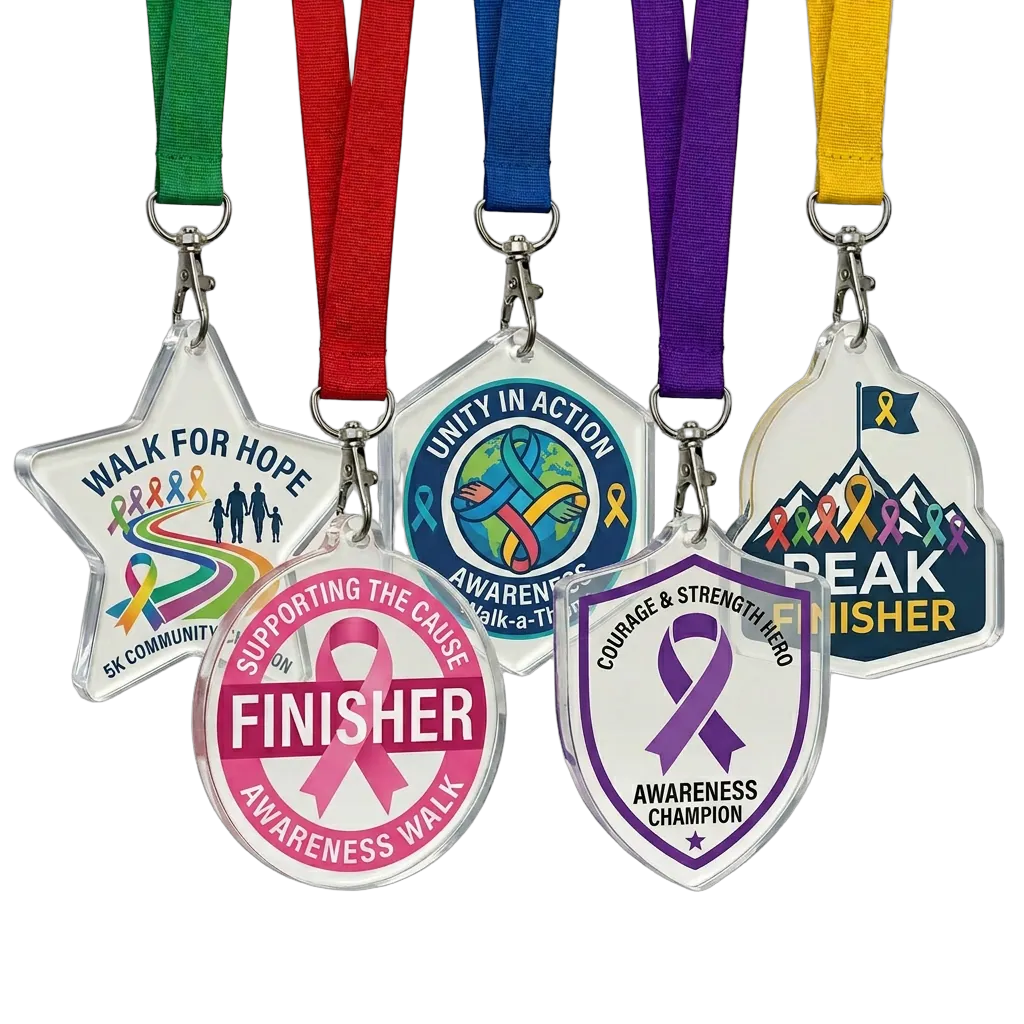
Hey traders, brand managers, e-commerce rockstars, and retail buyers! Let’s talk about the one keychain part almost nobody notices — until it breaks. You spend weeks perfecting your charm’s shape, color, and finish, only for it to fall apart in someone’s pocket because the hardware couldn’t hold up. It happens more than you’d think, and it’s one of the most preventable causes of returns and one-star reviews.
So before your next bulk order, let’s get nerdy about key ring attachments. This isn’t just a hardware footnote — it quietly shapes your return rate, unit cost, and how premium your product feels the moment someone picks it up. By the end of this guide, you’ll know exactly which keychain types fit your product line, sales channel, and budget — no guesswork required.
What Is a Keychain Attachment?
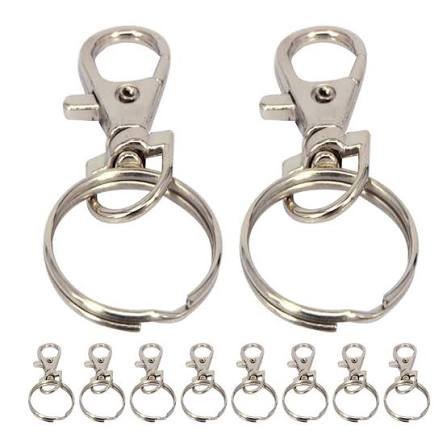
If you’ve ever wondered “how do you use keychain” hardware in the first place, here’s the short version: a keychain is really just three parts working together.
- The key ring (or clip) — the piece that actually holds the keys or bag straps.
- The connector — a chain, cord, or strap linking the ring to the charm.
- The charm — your logo, mascot, or design; the part everyone sees first.
The key chain components might look simple, but each one carries real weight (literally). The ring or clip determines how securely your product stays attached, how easy it is to open and close, and how long it survives daily wear. Get this part wrong, and even a gorgeous charm design won’t save you from complaints.
Here’s the part a lot of first-time buyers miss: attachment hardware isn’t one-size-fits-all across your catalog. A keychain destined for a museum gift shop has very different needs than one bound for a construction site giveaway or a fashion collab drop. Thinking through keychain rings early in your sourcing process — rather than defaulting to “whatever the factory usually uses” — is one of the simplest ways to cut returns and boost perceived value without touching your charm design at all.
The Main Types of Keychain Attachments
Let’s break down the most common types of keychain hoops and clasps you’ll come across when sourcing — what they’re good at, where they fall short, and who should be using them.
1. Split Ring (Standard Keyring)
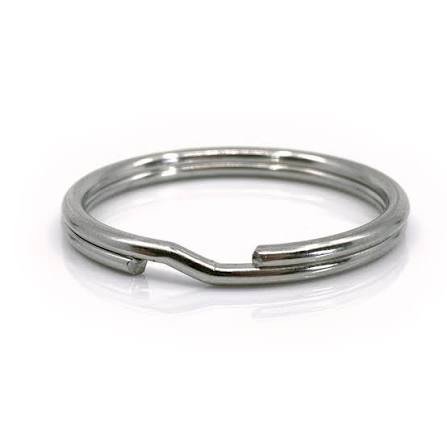
This is the classic double-looped metal ring you’ve seen your whole life — the same one on your house keys right now. It’s simple, cheap, and nearly impossible to open by accident.
Pros: Extremely secure, low cost, works with almost any keychain material.
Cons: A little annoying to pry open with your fingernail.
Best for: Corporate gifts, promotional giveaways, and any high-volume order where reliability matters more than flash.
2. Lobster Clasp
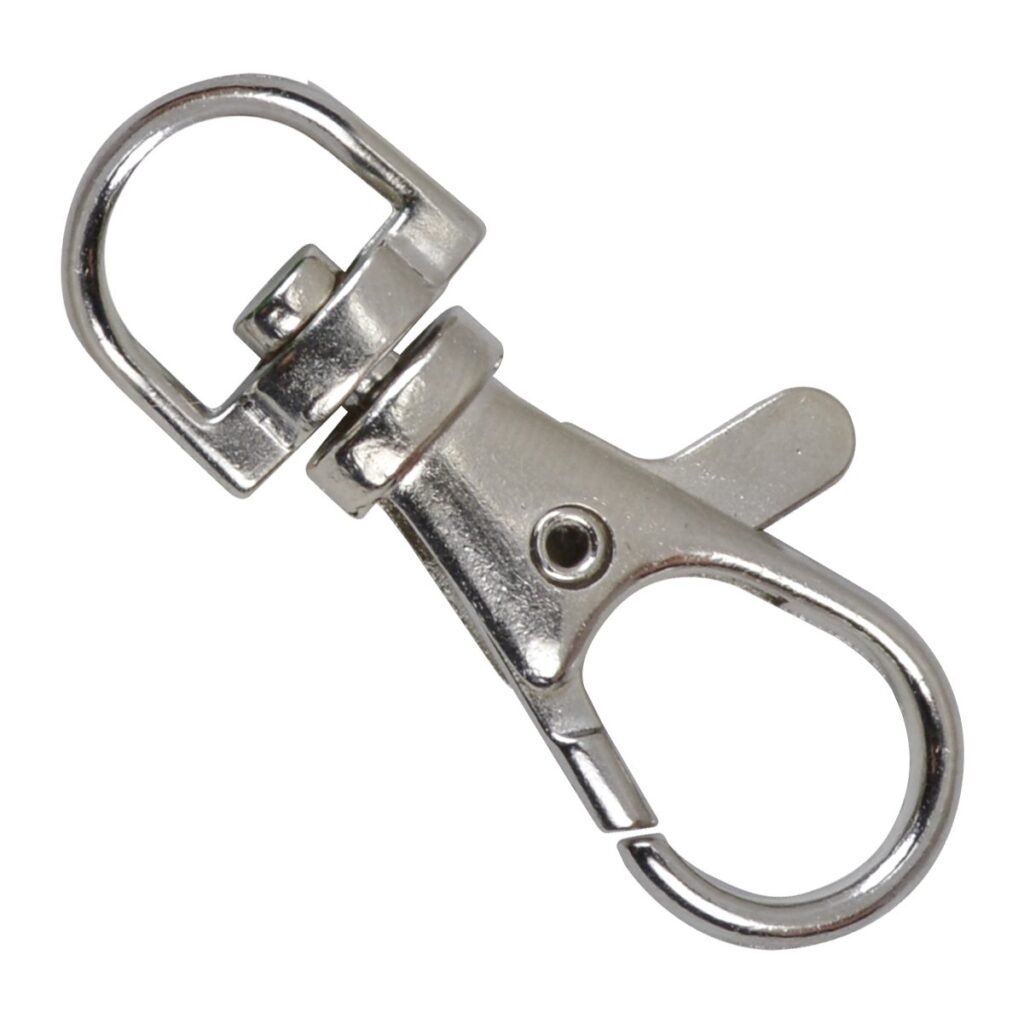
Shaped like a tiny lobster claw (hence the name), this spring-loaded clip opens with one hand and closes with a satisfying click.
Pros: Fast, easy, stylish — a favorite in fashion accessories.
Cons: The spring mechanism wears out over months of heavy use.
Best for: Bag charms, retail merch, and products your customers will swap frequently.
3. Swivel Clasp (Swivel Hook)
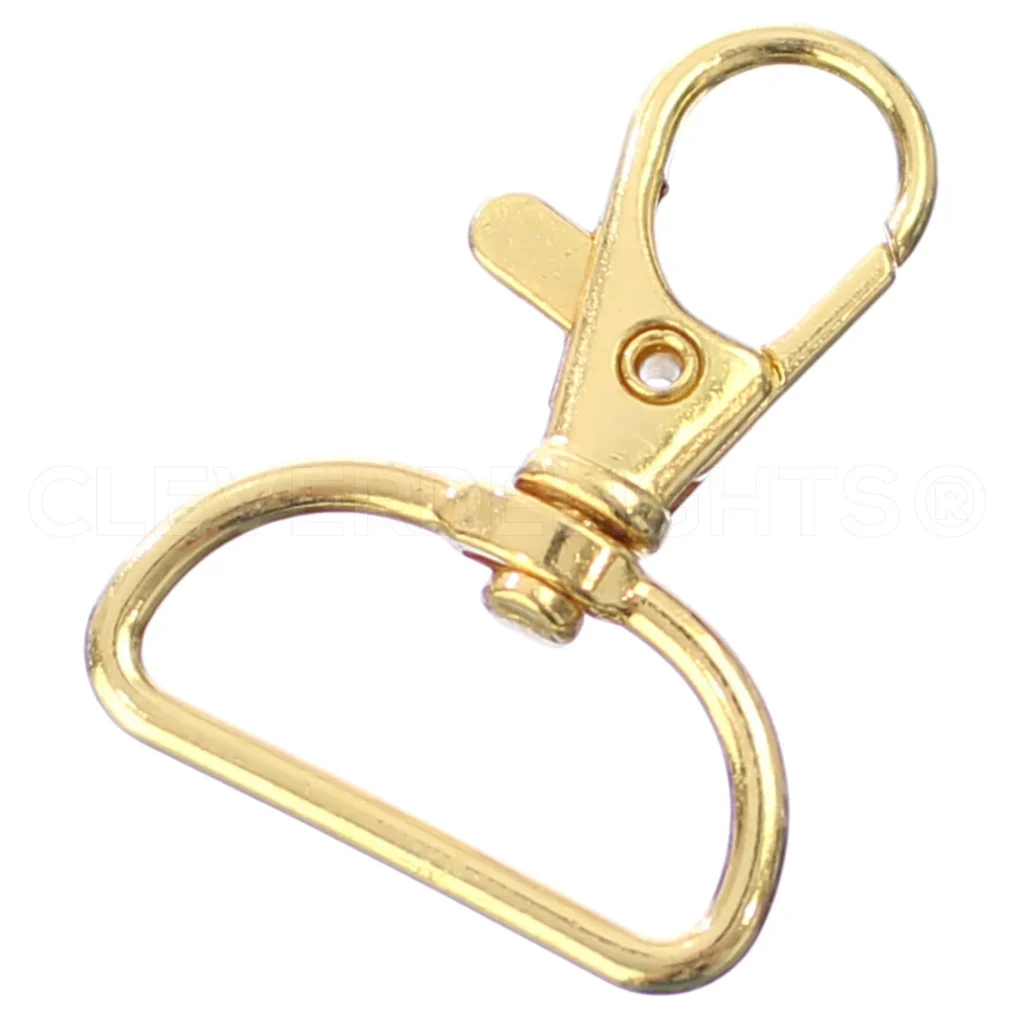
This one rotates a full 360 degrees, so whatever it’s attached to won’t twist or tangle — think ID badges spinning around all day without knotting up.
Pros: Premium feel, tangle-free, handles heavier charms well.
Cons: Costs more, adds bulk.
Best for: Lanyards, corporate ID holders, and premium product lines where perceived quality matters.
4. Carabiner Clip
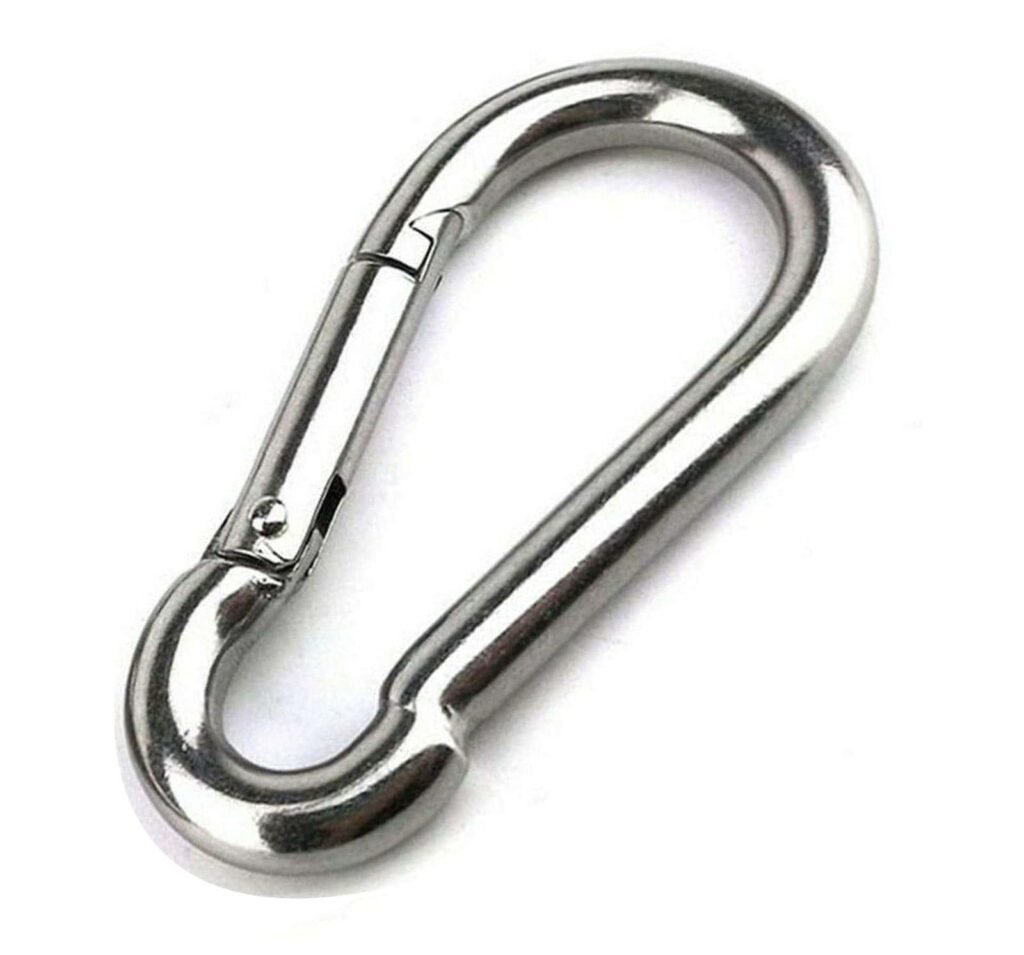
Borrowed from outdoor gear (though not rated for actual climbing — please don’t test that), carabiners open with a spring-loaded gate and clip onto belt loops or backpacks in seconds.
Pros: Rugged, sporty, easy one-handed use.
Cons: Bulkier — not ideal for small, delicate charms.
Best for: Outdoor brands, automotive promos, and anything meant to hang off a bag.
5. Split Ring with Chain (Connector Chain)
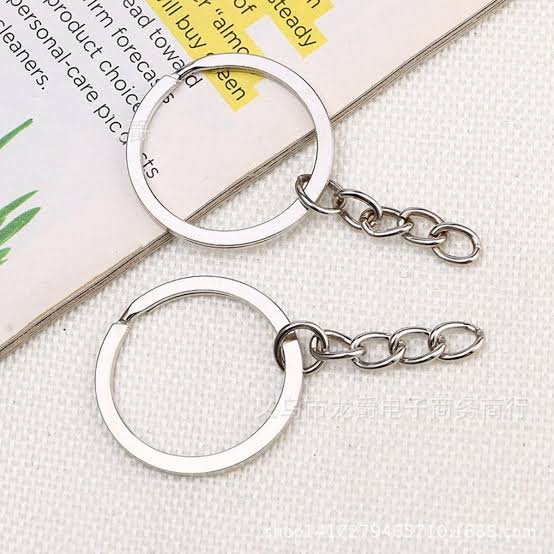
A short metal chain links the charm to the ring, giving it a little extra dangle and movement.
Pros: Adds visual flair, reduces stiffness.
Cons: Can tangle more easily than a direct attachment.
Best for: Metal and enamel keychains that benefit from a bit of swing.
6. Ball Chain
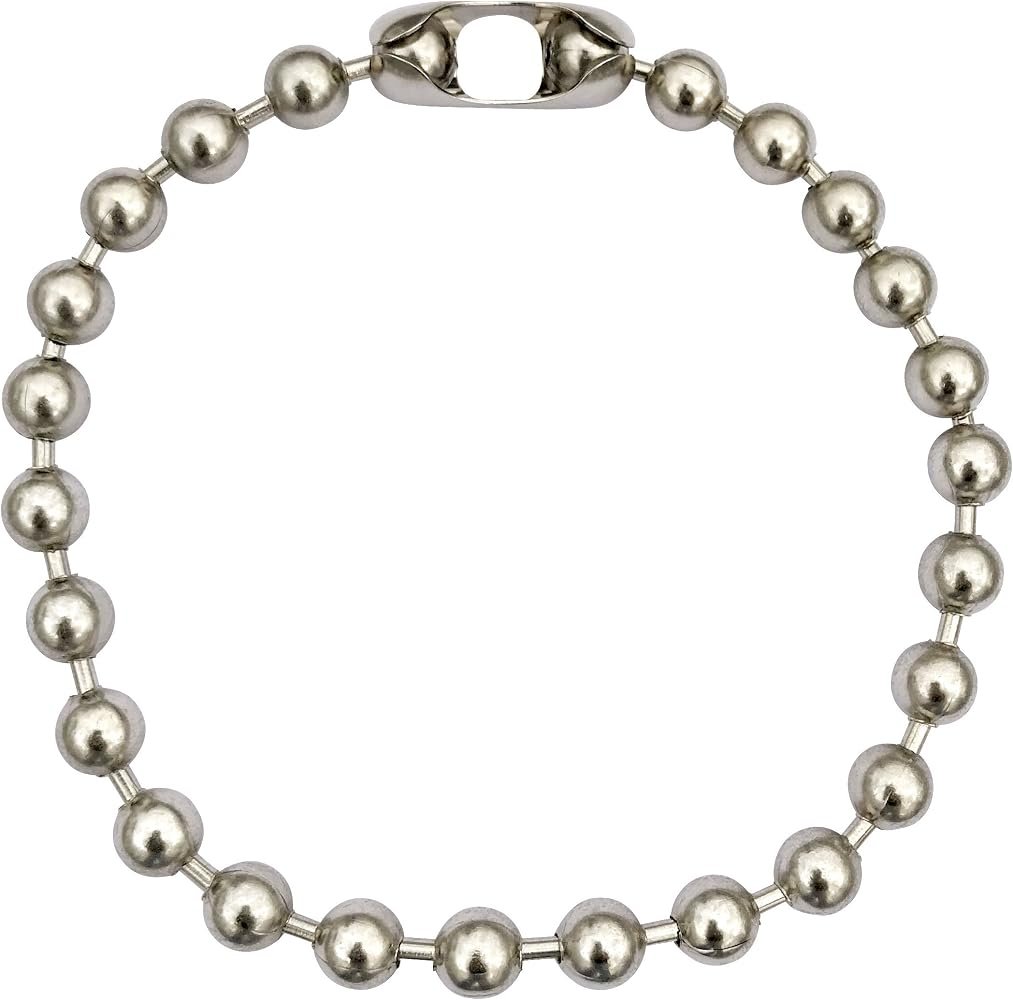
Made of small connected metal balls, this budget-friendly option is instantly recognizable from military dog tags and vending-machine toys alike.
Pros: Cheap, easy to install, decorative.
Cons: Less secure for heavier or valuable items.
Best for: Mini charms, event giveaways, and low-cost promotional runs.
7. Specialty & Decorative Hardware
Star-shaped clasps, candy-colored flower clips, metal grommets for fabric keychains, and even embedded NFC chips all fall into this bucket. They won’t be your everyday choice, but they’re excellent for limited-edition drops or brands wanting a signature look — or, in the case of NFC, a genuinely “phygital” marketing tool that links a physical keychain to a digital experience.
Quick Comparison: Which Attachment Fits Your Product?
| Attachment Type | Security | Ease of Use | Relative Cost | Best For |
|---|---|---|---|---|
| Split Ring | ★★★★★ | ★★ | $ | Bulk promo, corporate gifts |
| Lobster Clasp | ★★★ | ★★★★★ | $$ | Fashion, retail merch |
| Swivel Clasp | ★★★★ | ★★★★ | $$$ | Lanyards, premium lines |
| Carabiner | ★★★★ | ★★★★ | $$ | Outdoor gear, bags |
| Ball Chain | ★★ | ★★★★ | $ | Mini charms, giveaways |
How to Choose the Right Attachment: A Framework for B2B Buyers
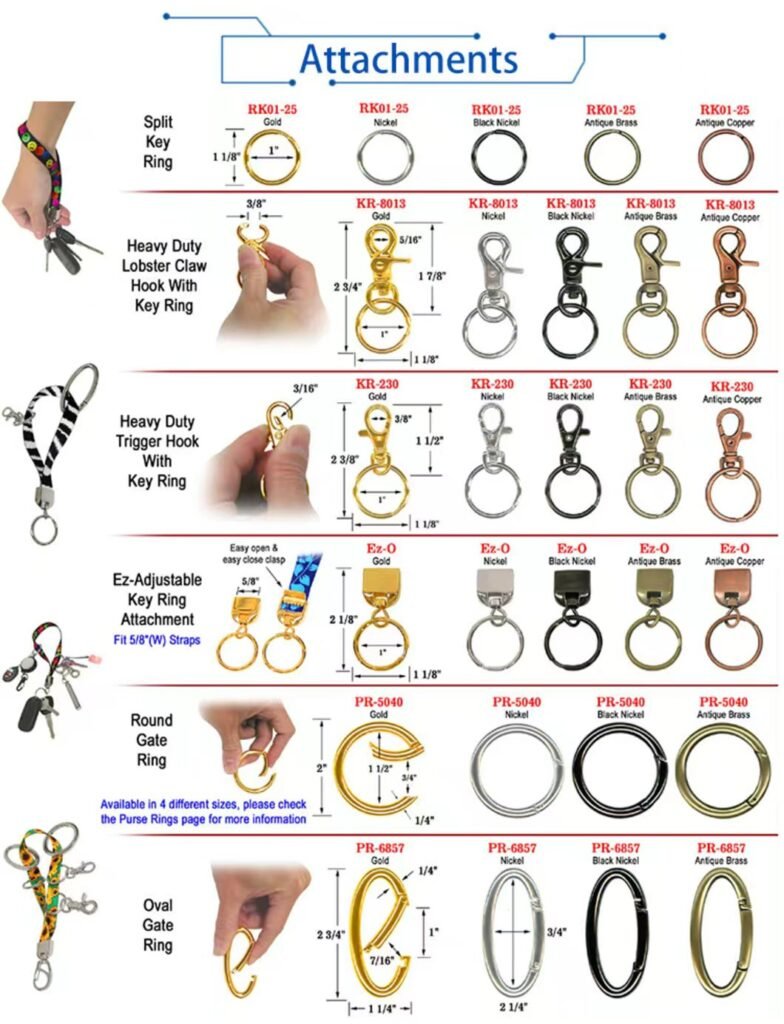
Here’s where theory meets your actual purchase order. Use this quick framework to narrow things down fast.
1. Match it to your product category. Metal keychains pair naturally with split rings, D-rings, or swivel clasps. PVC keychains do well with split rings, carabiners, or silicone straps. Acrylic keychains look great with split rings, ball chains, or decorative clasps.
2. Match it to your sales channel. E-commerce sellers need hardware that survives shipping and photographs well for unboxing videos — swivel and lobster clasps tend to shine here. Retail buyers need something that hangs cleanly on a peg display. Corporate and promotional traders usually prioritize cost, so split rings and ball chains do the heavy lifting. Brands launching limited collections can afford to splurge on specialty hardware for extra shelf appeal.
3. Consider weight and durability. Never pair a heavy metal or acrylic charm with a lightweight lobster clasp — it’s a returns complaint waiting to happen. Heavier pieces deserve swivel clasps or heavy-gauge split rings.
4. Match materials and finishes. Gold-toned charms need gold-plated hardware; silver designs need silver or nickel. It sounds small, but mismatched finishes are one of the fastest ways to make a product look cheap.
5. Factor in MOQ and unit cost. Attachment choice quietly affects your per-unit pricing and mold fees. If you’re testing a new SKU, starting with a low-MOQ, budget-friendly option like a split ring lets you validate the market before investing in premium hardware.
Common Mistakes to Avoid
- Choosing style over function. A gorgeous clasp that snaps under normal use isn’t gorgeous for long.
- Underestimating spring fatigue. If your product needs to last two-plus years, skip anything spring-loaded and go with a split ring or swivel clasp.
- Ignoring the environment. Iron hardware rusts fast outdoors — always specify stainless steel or zinc alloy for anything humid or outdoor-facing.
- Skipping the sample stage. Hardware that looks fine in a product photo can feel flimsy in someone’s hand. Always approve a physical sample before committing to a full production run.
Conclusion
At the end of the day, the attachment is the unsung hero of every keychain. Get it right, and nobody notices — because everything just works. Get it wrong, and it’s the first thing customers complain about. Whether you’re sourcing split rings for a giveaway campaign, swivel clasps for a premium lanyard line, or specialty hardware for a limited drop, matching the hardware to your product, channel, and budget is what separates a keychain that gets tossed in a drawer from one that stays clipped to someone’s bag for years.
Ready to put this into practice? Browse our custom keychain collections and choose your attachment style directly at checkout — no MOQ headaches, no guesswork, because we are your trusted keychain manufacturer.
FAQ
What is the most secure keychain attachment?
The split ring, hands down. Its double-loop design makes it very difficult to open accidentally, which is why it’s still the default for keys and long-term-use items.
What’s the difference between a lobster clasp and a swivel clasp?
A lobster clasp is a simple spring-loaded clip for quick attachment. A swivel clasp adds a rotating joint on top of that (often with a lobster-style clip built in), preventing twisting — at a slightly higher cost.
Which attachment is best for bulk promotional keychains?
Split rings or ball chains. They’re inexpensive, familiar to everyone, and require zero instructions to use.
Can I mix attachment types across one product line?
Absolutely — and many brands do. Use split rings on your budget SKUs and swivel clasps on your premium line to create a clear value tier for buyers.
What works best for e-commerce and Amazon-style listings?
Lobster clasps and swivel clasps tend to perform well here — they look premium in product photos and hold up during shipping and returns handling.
Are carabiner keychains safe for actual climbing?
No. Keychain-grade carabiners are decorative and not load-rated. Never use them for climbing or any safety-critical purpose.