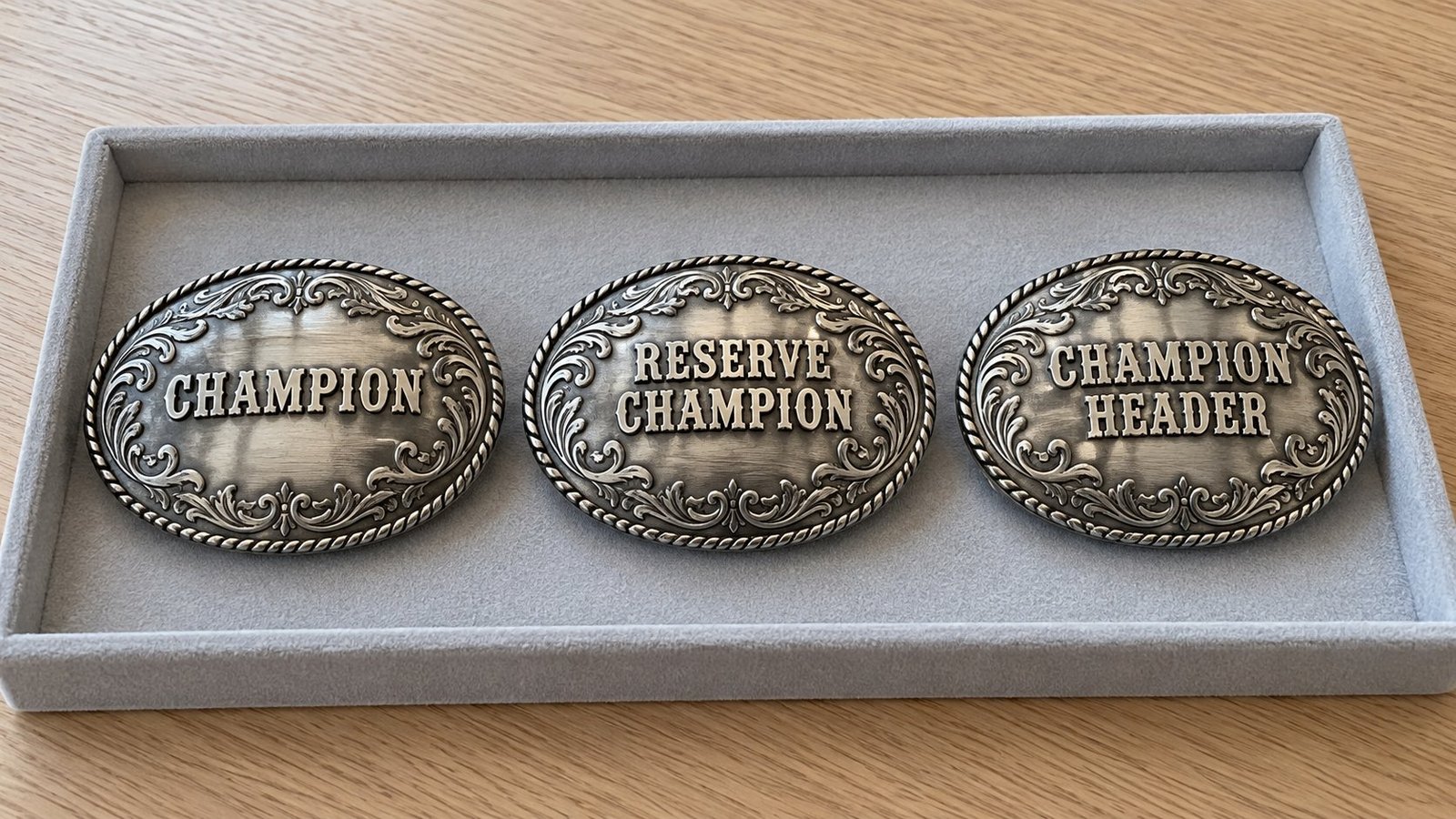








In 2026, custom medals have become far more than race finish-line souvenirs. Brands use them as premium merchandise, e-commerce sellers drop-ship them as high-margin collectibles, corporate teams award them for milestones, and military units order custom medallions to honor service. The wrong medal supplier can wreck your margins, delay your launch, or fill your reviews with “cheap-looking” complaints.
This guide focuses on what’s actually medal-specific — casting methods, ribbon/hardware options, buyer type, and the pricing math unique to medals — rather than repeating the generic supplier-vetting checklist you’ll find in most sourcing guides.
Medals Are Not Pins or Keychains

Most “how to choose a manufacturer” guides give you the same generic checklist: check if they own a factory, ask for an audit. That advice is true for any metal product — but it doesn’t tell you anything specific to medals.
Medals have three sourcing variables that pins and keychains don’t:
- Diameter and weight drive tooling cost more than any other factor — a 3-inch medal needs a different die than a 2-inch one, and factories often quote separate mold fees per size.
- Ribbon and drape hardware (neck ribbon, lanyard clip, or pin-back) is priced and sourced separately from the medal itself, and this is where a lot of “hidden fee” surprises happen.
- Relief depth (how 3D the design is) affects both die-casting difficulty and plating uniformity in a way it doesn’t for flat pins.
If a supplier’s quote doesn’t break out mold fee, medal body, and ribbon/hardware as separate line items, ask them to — it’s the single best way to catch inflated pricing before you commit.
Who Actually Buys Custom Medals
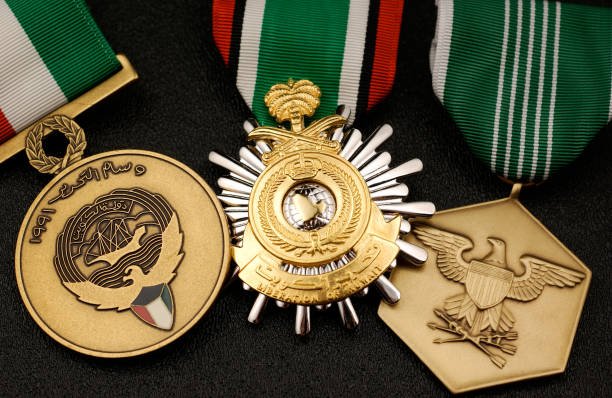
“Best medal supplier” means something different depending on who’s asking. The checklist a race organizer needs is not the checklist a defense unit needs, and treating every buyer the same is why so many generic sourcing guides fall short.
- Event organizers and race series care most about turnaround consistency across large batches (2,000–10,000+ pieces) and ribbon color-matching to sponsor branding. A single off-tone ribbon batch can be more visible in finish-line photos than a slightly imperfect medal casting. If you’re sourcing specifically for an online event, our guide to virtual medal runs covers the material and cost considerations unique to that format.
- E-commerce and Amazon sellers are optimizing for margin, which is why the search for low cost medals dominates this buyer segment. The trap here isn’t finding a cheap quote — it’s finding one where the per-unit price holds steady once you actually place a 500-unit order, instead of ballooning once “hidden” mold and ribbon fees get added back in.
- Corporate recognition programs typically order smaller, more frequent batches (50–300 pieces, multiple times a year) and value fast digital proofs over rock-bottom pricing, since these are gifts, not resale inventory.
- Military units and veteran organizations need a medal supplier comfortable with strict spec consistency (rank insignia, unit crests, retirement dates) and small unit-fund budgets. This is the segment where custom medallions no minimum ordering matters most, since unit funds rarely have the cash flow for a 500-piece minimum order.
Knowing which of these four groups you fall into will tell you which parts of a supplier’s pitch to weight — a factory that’s great for oversized race medals at 5,000 units isn’t necessarily the right fit for a 30-piece unit retirement order.
What Actually Drives Medal Pricing
| Quantity | Price per piece (2-3″ zinc alloy, soft enamel, standard ribbon) |
|---|---|
| 100 pcs | $2.85–$3.50 |
| 500 pcs | $1.95–$2.60 |
| 1,000+ pcs | Under $1.80 |
Three things move this number more than anything else:
- Metal choice — zinc alloy (affordable, heavy feel), brass (premium, better fine detail), or stainless iron (matte, modern look).
- Plating — real gold/silver plating holds color longer than cheap electroplating, which fades within months of handling.
- Ribbon complexity — a stock ribbon color adds almost nothing; a custom Pantone-matched sublimated ribbon can add $0.15–$0.40 per piece depending on minimums.
Custom Medallions No Minimum

Many factories advertise “no MOQ” but quote steep per-unit prices under 50 pieces, which defeats the purpose. In practice, a legitimate supplier offering genuine custom medallions no minimum ordering will accept 10–25 pieces at a fair, only-slightly-elevated price — enough for Amazon test batches, Kickstarter rewards, or a small brand’s first drop. The tell is simple: price out the same design at 20 pieces and at 500 pieces. If the 20-piece quote is barely cheaper per unit than the 500-piece quote, the factory doesn’t actually want small orders and is pricing you out of them politely instead of saying no.
This matters most for two buyer types: brands testing a new medal design before committing to inventory, and organizations — corporate or military — that need a small, specific batch rather than a bulk run.
Sourcing for Military Medal Manufacturers and Unit Orders
Military and veteran-organization buyers have needs that a standard e-commerce sourcing checklist doesn’t cover. Working with military medal manufacturers (or a general supplier experienced enough to serve them) usually means dealing with a few things a race-medal buyer never has to think about:
- Spec precision on rank, crest, and date details — a misaligned unit crest or wrong retirement date isn’t a cosmetic defect, it’s a reorder. Ask specifically how the factory proofs these details before casting, not just before shipping.
- Small, irregular batch sizes — unit funds often need 15–40 pieces for a single deployment or retirement class, then nothing for months. A supplier used to only large recurring orders may deprioritize these, so ask directly how they handle low-volume, infrequent orders.
- Durable finishes over decorative ones — glow-in-the-dark enamel and interactive spinners are great for consumer medals, but military and service medallions are usually judged on how well the plating and enamel hold up over years of handling, not how they photograph.
- Discretion and file security — unit insignia and crest artwork are often not meant for public reuse. Confirm the factory won’t reuse your design files in their public portfolio or catalog without permission.
Turnaround Times to Expect
Standard production is 7–12 days plus 4–6 days for DHL/FedEx shipping. Rush options as fast as 5 days exist for urgent launches, though rush fees typically apply to the ribbon/hardware step, not just the medal casting — worth asking about specifically, since it’s often left off the initial quote.
Medal Design Trends Worth Knowing About
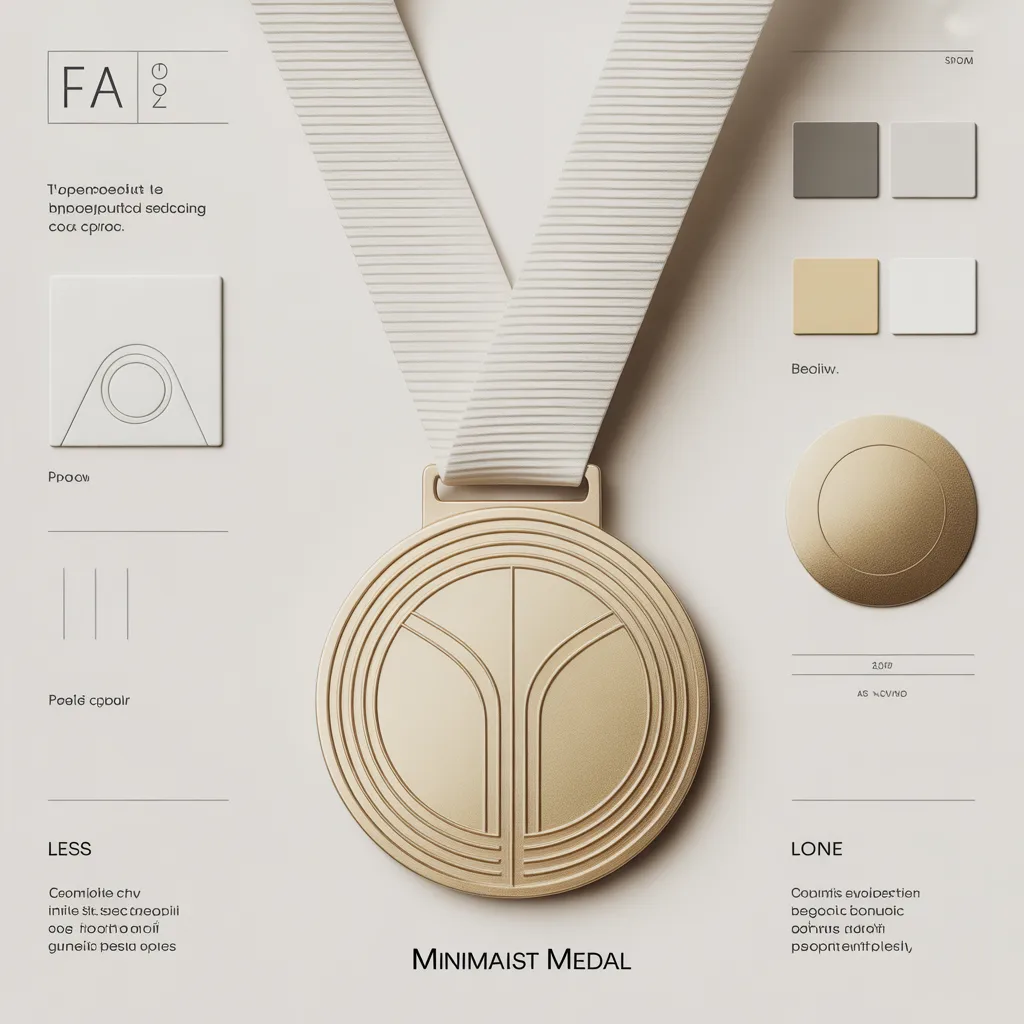
A few trends are specific to how medals are used (as opposed to pins, which are usually worn rather than awarded or collected):
- Glow-in-the-dark or translucent enamel on marathon and event medals — one seller reported a glow-in-the-dark race medal generating 47 unboxing videos in its first week.
- Interactive medals — spinning centers, sliding parts, or built-in bottle openers turn a $3 medal into a $29.99 collectible.
- NFC/QR-enabled “smart medals” — tapping the medal pulls up race results or a thank-you video, popular with running series and corporate recognition programs.
- Oversized 4–6 inch “statement” medals — inexpensive to produce even at low quantities, but sell well on TikTok Shop and Etsy because they photograph well.
- Recycled zinc alloy paired with plantable seed-paper backing cards, which EU and West Coast brands are increasingly willing to pay a 15–25% premium for.
Getting Low Cost Medals Without the Usual Trade-Offs
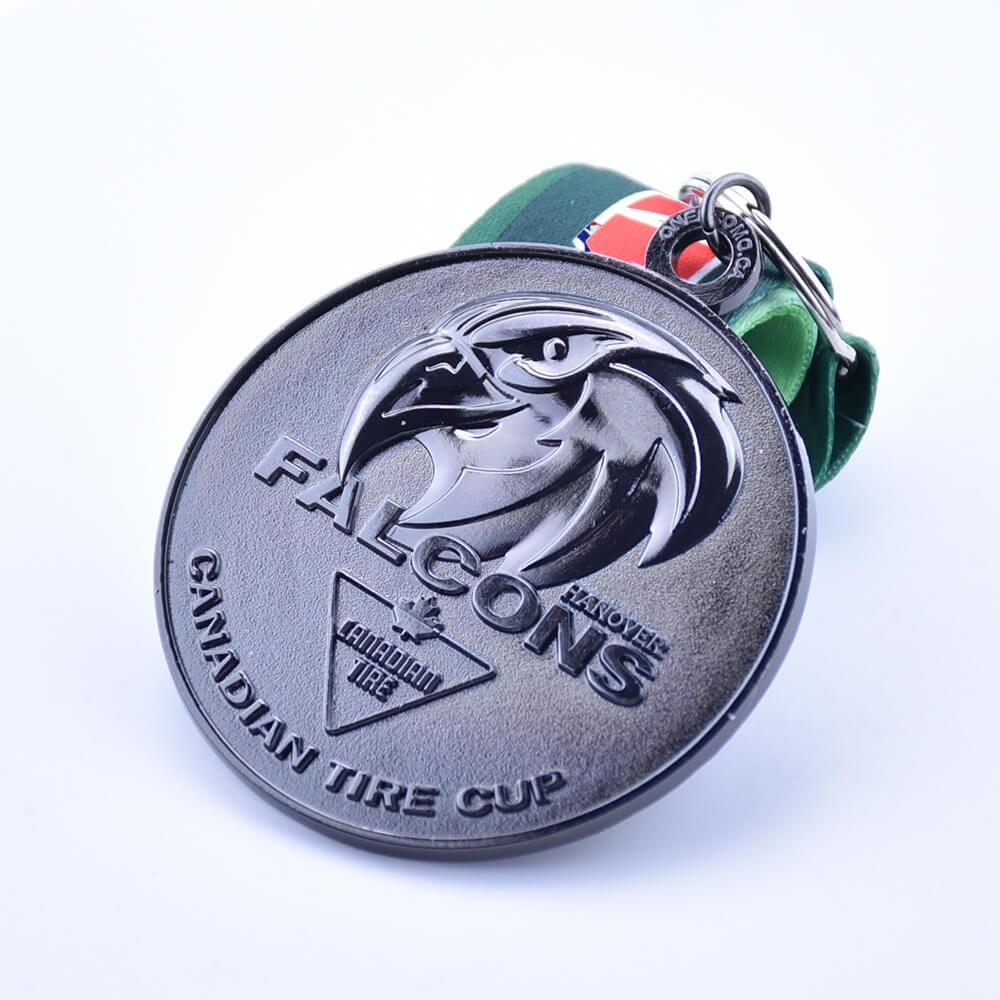
“Low cost” and “low quality” get treated as the same thing in medal sourcing, but they don’t have to be. The cheapest way to bring the per-unit price down without hurting how the medal looks or feels is to control the variables that add cost without adding visible value:
- Standardize the diameter to a common size (2″ or 2.5″) rather than a custom one — this avoids a dedicated mold fee if the factory already has a compatible die on hand.
- Choose zinc alloy over brass unless the extra fine-detail sharpness actually matters for your design — zinc alloy at a good plating still reads as premium to most buyers.
- Order a stock ribbon color instead of a Pantone-matched custom one for a first batch, then upgrade to custom ribbon once the design is proven and you’re ordering at volume.
- Batch your reorders — factories often hold pricing tiers by cumulative order history, so a supplier who knows you’ll reorder is more likely to quote favorably even on a smaller first batch.
None of this requires switching to a worse medal supplier — it just means being deliberate about how to reduce medals cost, instead of accepting whatever a low quote bundles together.
Two Questions to Ask Before You Commit
Beyond the standard “can I see your factory” vetting, these two questions are specific enough to medals that they tend to separate real medal manufacturers from generalist metal shops that also happen to make medals:
- “Can I see three finished medals in the exact diameter and relief depth I’m ordering?” Photos of a factory’s die-casting line don’t tell you whether they can hit fine detail at your specific size — ask for physical or video samples close to your actual spec, not generic portfolio shots.
- “Is the ribbon/lanyard sourced in-house or subcontracted?” Subcontracted ribbon is the most common cause of delivery delays on medal orders, since it adds a second production timeline the factory doesn’t fully control.
Häufig gestellte Fragen
What’s a realistic wholesale price for good-quality custom medals in 2025?
$2.20–$3.50 for a 2–3 inch zinc alloy medal with antique gold/silver plating and soft enamel, at 100 pieces.
Can I really order custom medallions no minimum?
Yes — many factories will do 25-piece test runs. Expect a higher per-unit price, but it avoids dead stock while you validate demand.
Do military medal manufacturers require different specs than commercial suppliers?
Not different tooling, but different priorities — rank, crest, and date accuracy matter more than decorative finishes, and batch sizes are often smaller and less regular than commercial orders.
How do I get low cost medals without the quality dropping?
Standardize on a common diameter, choose zinc alloy over brass, use a stock ribbon color for the first batch, and plan for reorders — all of this reduces cost without touching the visible quality of the medal.
Will rush production affect the ribbon or just the medal casting?
Often just the medal. Confirm ribbon/hardware lead time separately, since it’s a common gap in rush quotes.
What if the plating color is slightly off from my proof?
Reputable suppliers offer a free remake for color mismatches — get this in writing before you pay a deposit.