








When developing custom metal components—whether you are manufacturing high-volume precision parts or ordering specialized promotional merchandise—selecting the appropriate manufacturing process is critical. Among the most popular foundry techniques, die casting and sand casting dominate the industry.
While both methods rely on pouring molten metal into a mold cavity to create a solid component, they differ significantly in tooling, accuracy, production volume, and cost structure. Understanding these differences will help you balance quality, lead times, and budget effectively.
How Does Sand Casting Work vs. Die Casting?
To choose the right method, it is essential to understand the fundamentals of each process.
How Does Sand Casting Work?
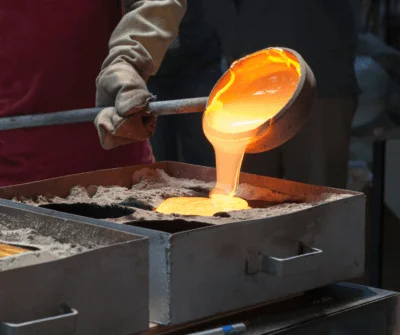
Many engineers and buyers ask: how does sand casting work in modern manufacturing? Sand casting is one of the oldest and most versatile foundry methods:
- Pattern Making: A replica (pattern) of the desired final object is crafted from wood, plastic, or metal.
- Mold Preparation: The pattern is placed into a flask and packed with silica sand bonded with clay or chemical resins to form two mold halves (the cope and the drag).
- Pouring: Once the pattern is removed, molten metal is poured into the sand cavity under gravity or low pressure.
- Shakeout & Finishing: After the metal cools, the sand mold is destroyed to release the casting, followed by surface cleaning, grinding, or machining.
How Die Casting Works
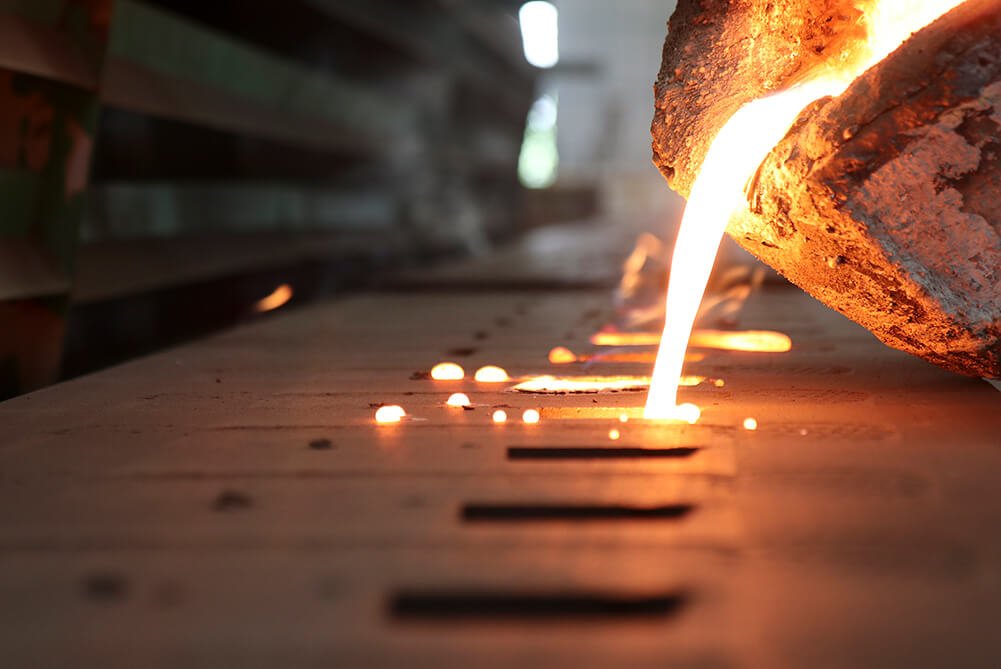
Unlike sand casting, die casting relies on reusable, high-strength steel molds (known as dies). The molten alloy—typically zinc, aluminum, or magnesium—is injected into the die cavity under extreme pressure. Once solidified, the steel mold opens, ejecting a highly uniform, smooth metal part with minimal need for secondary finishing.
Die Casting vs. Sand Casting
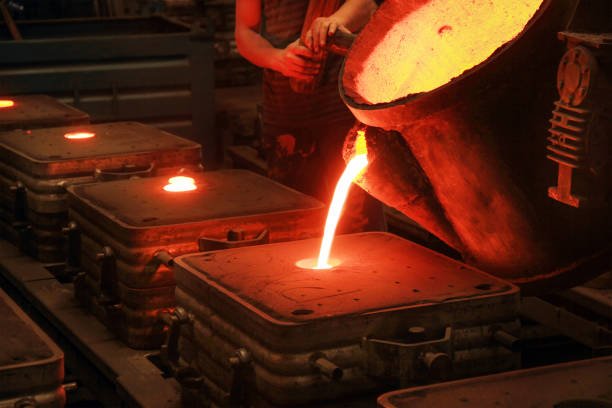
To simplify your evaluation, here is a quick breakdown of how the two casting techniques compare across critical metrics:
| Feature / Metric | Die Casting (Pressure Die Casting) | Sand Casting (Green Sand / Resin Sand) |
| Tooling Material | Hardened Tool Steel Dies | Packed Sand with Reusable Patterns |
| Dimensional Accuracy | Very High (±0.002 to ±0.005 in.) | Moderate (±0.010 to ±0.030 in.) |
| Surface Finish | Smooth (63–125 µin RMS) | Rough/Textured (250–500 µin RMS) |
| Minimum Wall Thickness | Thin walls (down to 0.8 mm) | Thicker walls required (≥ 3 mm) |
| Tooling / Setup Cost | High upfront investment | Low to moderate upfront investment |
| Unit Production Cost | Low for high-volume runs | Higher labor cost per unit |
| Production Speed | Very fast (Automated cycles) | Slower (Manual or semi-automated) |
| Material Suitability | Non-ferrous alloys (Zinc, Aluminum, etc.) | Almost all metals (Iron, Steel, Bronze, Aluminum) |
Advantages of Sand Casting
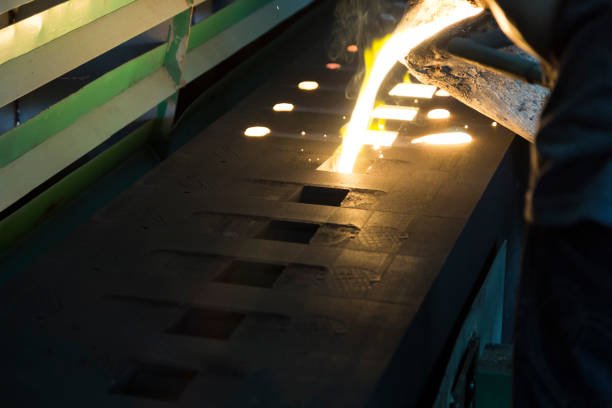
Despite the speed and precision of die casting, the advantages of sand casting make it an indispensable process across automotive, machinery, and specialty metal industries:
- Low Initial Capital: Tooling patterns for sand molds are inexpensive to create compared to high-grade steel injection dies.
- Virtually No Size Limits: Sand casting can produce objects weighing anywhere from a few ounces to dozens of tons.
- Unmatched Material Versatility: High-melting-point ferrous metals such as cast iron, stainless steel, and carbon steel can easily be poured using sand molds, whereas die casting is primarily restricted to non-ferrous alloys.
- Design Flexibility: Modifying a wooden or 3D-printed sand pattern is quick and inexpensive during initial design phases.
Common Defects: Understand Sand Fusion in Casting
While sand casting offers great versatility, it requires careful control of sand quality and pouring temperature. One common defect manufacturers encounter is sand fusion in casting.
Sand fusion in casting occurs when the molten metal penetrates or reacts with the sand grains at elevated temperatures, causing sand to fuse onto the surface of the cast piece. This results in a rough, glass-like crust that ruins surface aesthetics and increases tool wear during subsequent machining.
By contrast, zinc and aluminum die casting completely eliminates sand fusion risks, producing crisp 3D details and silky-smooth surfaces ideal for electroplating, enameling, and decorative finishing.
Cost Analysis: Tooling vs. Unit Price
When budgeting your project, you must calculate both the initial tooling setup and the ongoing piece price:
- Sand Casting Cost Breakdown: The initial tooling and pattern setup are extremely low. However, because sand molds are destroyed after a single pour and require significant manual labor and post-machining, the sand casting cost per piece remains relatively high.
- Die Casting Cost Breakdown: Steel molds require significant upfront investment. However, a single die can produce hundreds of thousands of identical parts with minimal post-processing. As production volume scales, the unit cost drops drastically.
Rule of Thumb: If you need fewer than 500 units or are producing a massive heavy component, sand casting is more economical. For high-volume projects requiring intricate details and low unit costs, die casting is the clear winner.
How Sand Casting Compares to Other Processes
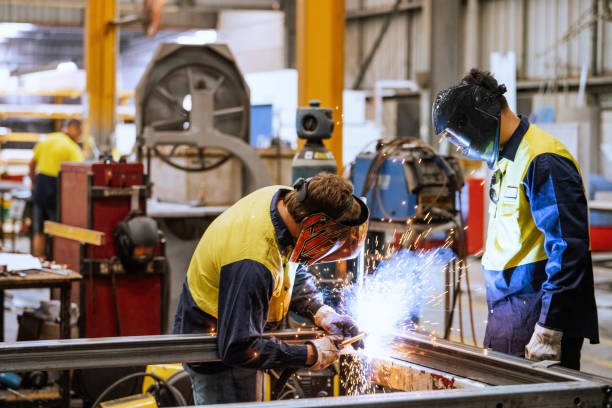
To fully evaluate your manufacturing options, it is useful to see how sand casting fits into the broader ecosystem of metal forming techniques.
Investment Casting vs Sand Casting Comparison
In a comprehensive investment casting vs sand casting comparison, both methods utilize sacrificial molds (wax patterns in investment casting vs. sand cavities in sand casting). Investment casting (lost-wax process) achieves much finer detail and smoother surfaces than sand casting, but comes with higher labor costs and longer cycle times.
The Hybrid Term: Sand Die Casting Process
Industry newcomers often ask about the sand die casting process. Technically, “sand casting” (gravity poured into sand) and “die casting” (high-pressure poured into steel) are separate methods. However, in low-pressure permanent mold casting, semi-permanent sand cores are sometimes combined with reusable metal dies to create complex internal cavities.
Manufacturing Applications & Custom Products
Both processes serve distinct sectors based on part size, material, and visual demands:
Typical Sand Cast Products
Standard sand cast products include heavy-duty machinery housings, engine blocks, pump impellers, large pipe fittings, and architectural ironwork where surface roughness is secondary to structural strength.
Die Cast Applications (Precision & Custom Crafts)
Die casting is widely used for automotive housings, consumer electronics, complex hardware, and precision decorative items.
For specialized items like custom lapel pins, challenge coins, and award medals, zinc alloy die casting is the gold standard. It allows intricate 3D cutouts, sharp raised lettering, and flawless polished surfaces.
- Interested in other custom metal techniques? Read our in-depth comparison on Die Struck vs Die Cast Pins و Die-Casting vs Stamping to see how stamping compares with casting for custom badges.
- Looking to order awards or corporate gifts? Explore our custom design options for Custom Medals & Coins.
Make the Right Strategic Decision
Ready to move forward with your custom product manufacturing? Understanding these processes puts you miles ahead of competitors still guessing which method to use. Calculate your expected volumes, define your quality standards, and request quotes
from qualified manufacturers (Unique Custom Pins) specializing in your chosen process.
The right casting method isn’t just a manufacturing decision—it’s a strategic advantage that impacts your margins, delivery speed, and product quality for years to come. Choose wisely, and your custom products will stand out in an increasingly crowded marketplace.
الأسئلة الشائعة
What is the minimum order quantity (MOQ) requirement for sand casting vs. die casting?
Sand casting typically has a much lower or even zero MOQ, making it ideal for low-volume runs, custom prototypes, or 1 to 100 units. Die casting usually requires higher MOQs (often starting at 1,000+ pieces) to offset the initial cost of engineering and machining the custom steel dies.
Which casting process offers a faster turnaround time for production?
Sand casting offers faster initial sample setup because sand pattern creation takes only days. However, for mass production, die casting is significantly faster, capable of producing hundreds of identical precision parts per hour once the die is created.
Can sand cast parts be electroplated to look as smooth as die cast products?
Not directly. Sand cast surfaces naturally have a granular texture. To achieve a smooth, mirror-like electroplated finish (such as gold, nickel, or silver plating), sand cast components require intensive secondary grinding and polishing. Die cast zinc or aluminum parts are naturally smooth and can go straight to surface plating or enameling.
How do I know whether to choose zinc die casting or aluminum die casting for custom pins and medals?
Zinc alloy is the industry standard for custom pins, challenge coins, and medals because it melts at a lower temperature, fills intricate 3D steel molds with extreme precision, and has a satisfying weight. Aluminum die casting is preferred when weight reduction is critical, such as in aerospace or automotive components.
How can I lower the upfront tooling cost for custom metal manufacturing?
To minimize initial tooling fees:
- Optimize your design to eliminate unnecessary 3D complexity or deep undercuts.
- Choose standard shapes and dimensions where possible.
- Consult early with your manufacturer—such as دبابيس فريدة مصنوعة حسب الطلب—during the design phase so engineers can recommend the most cost-effective mold configuration for your target production volume.