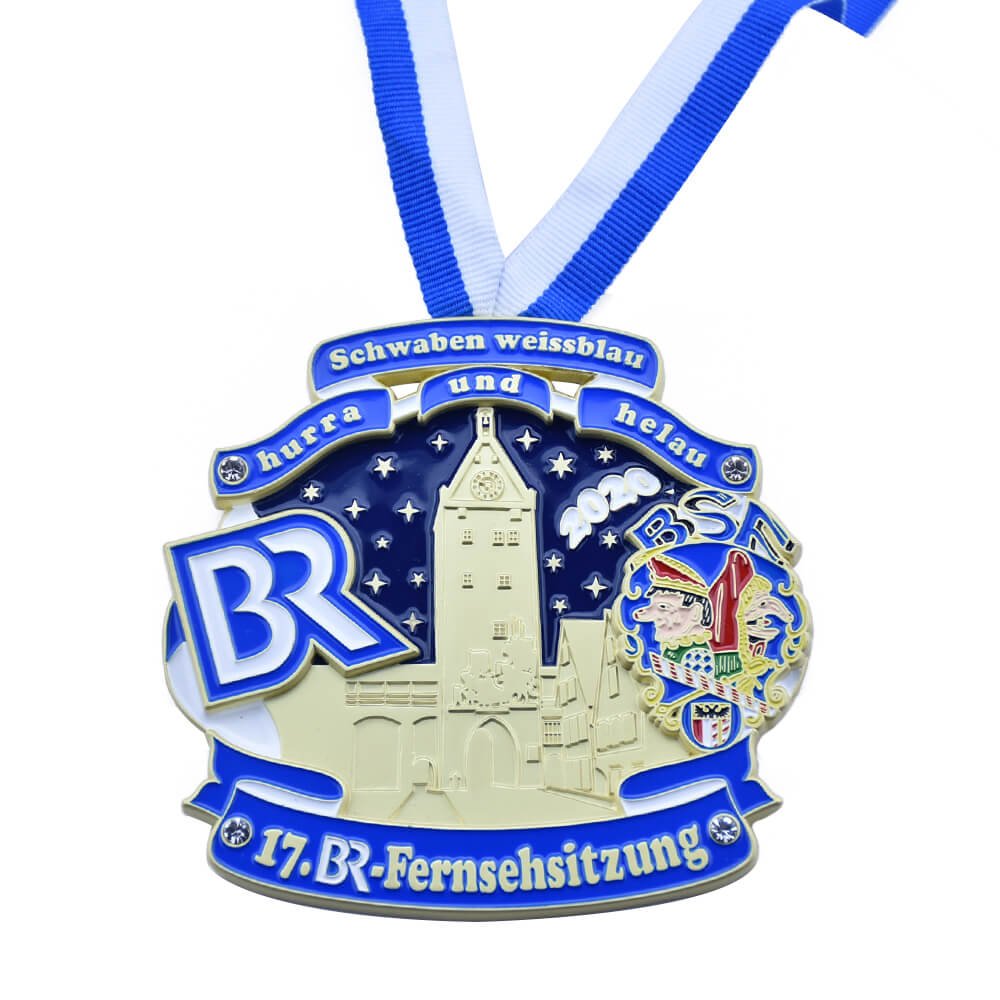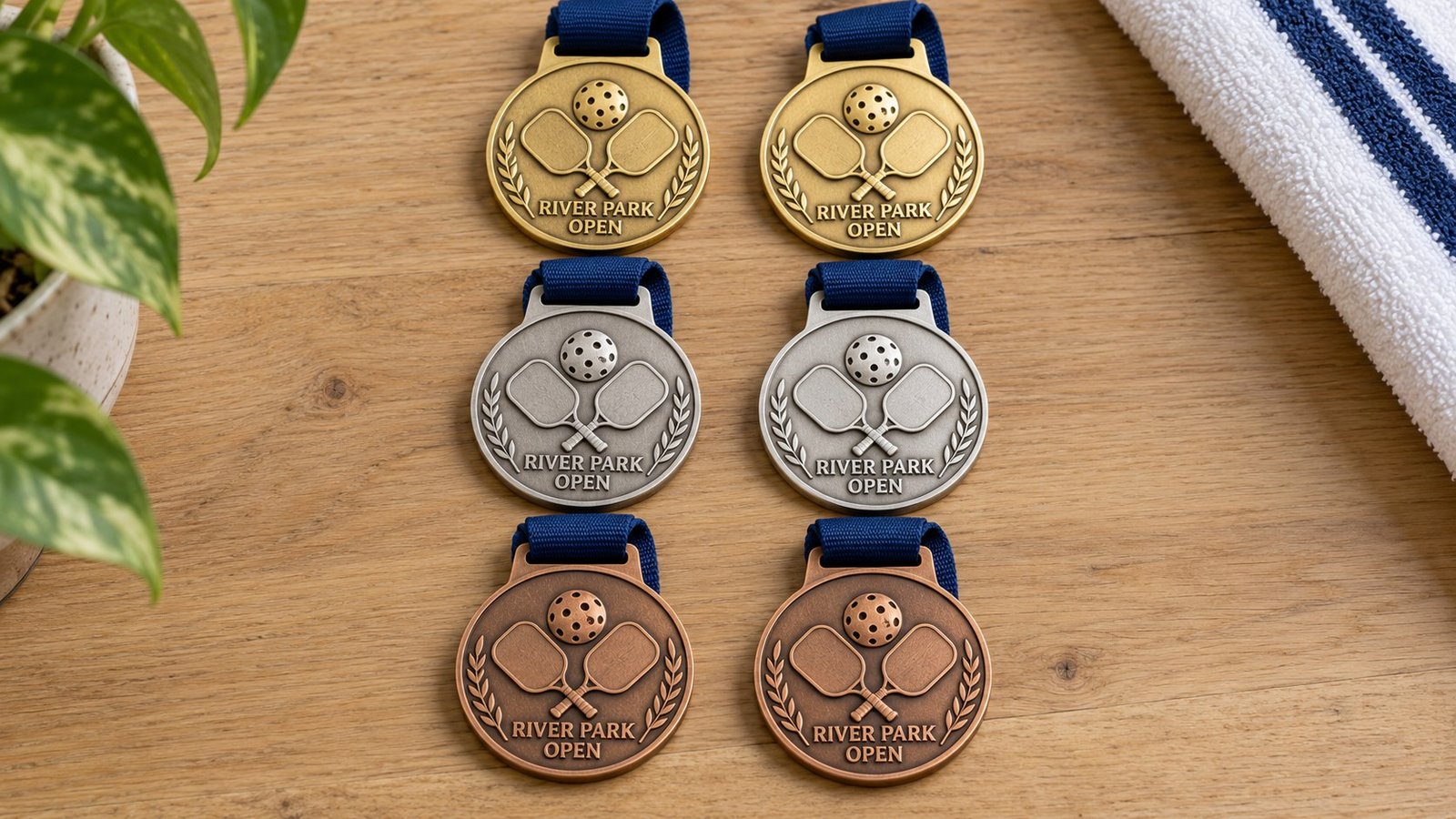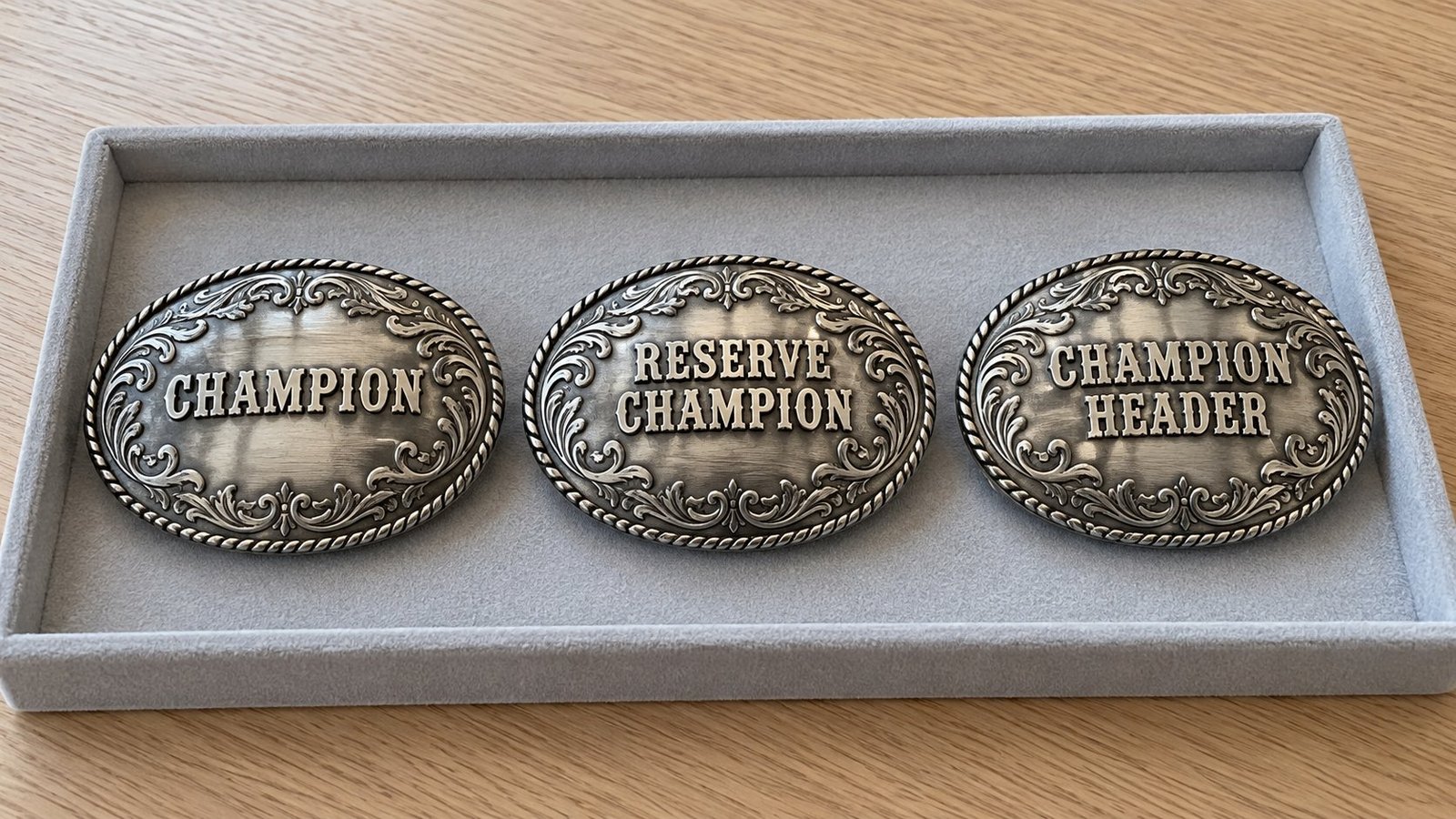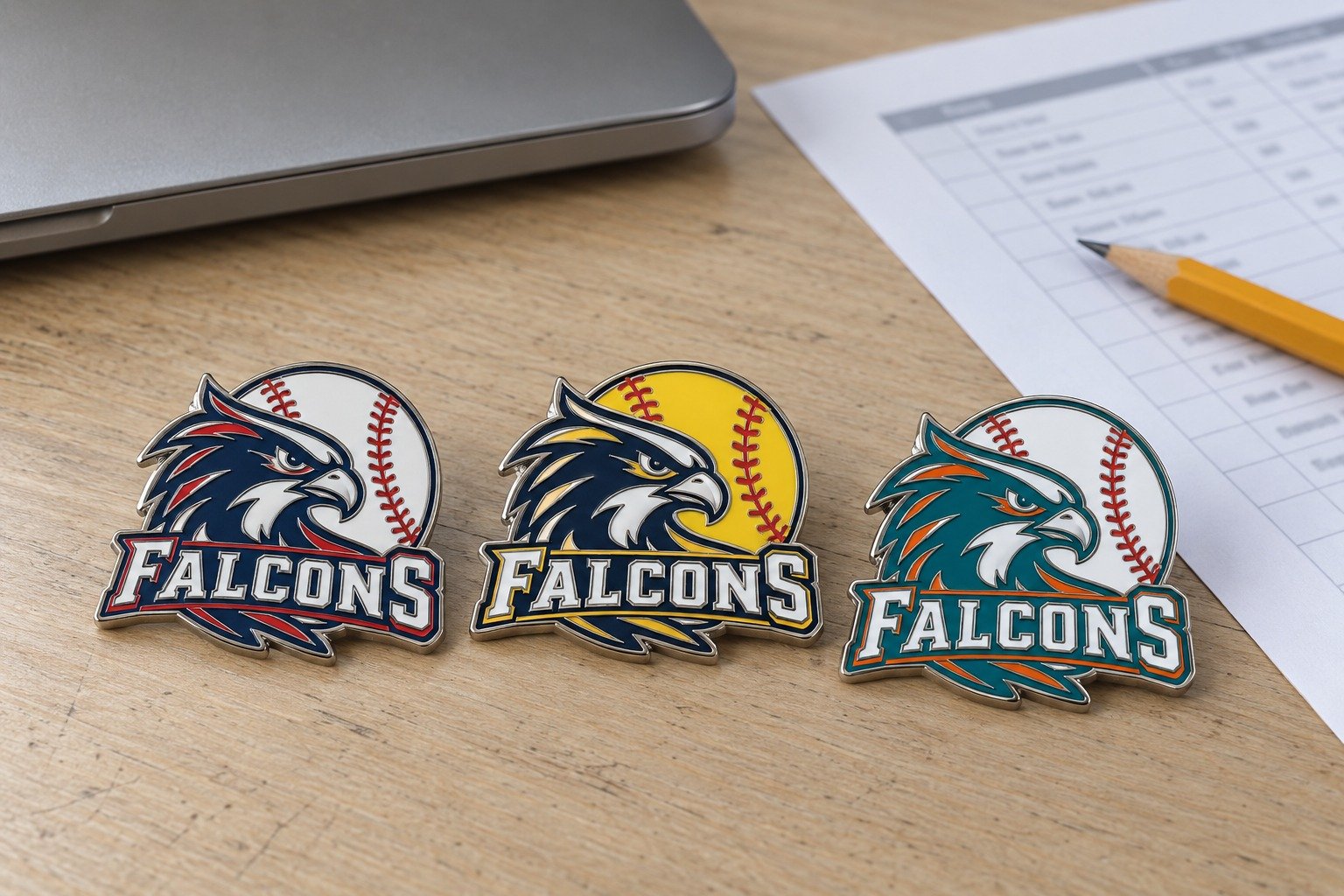





The medal design landscape is experiencing a fascinating transformation in 2026. What was once a simple circle of metal stamped with a logo has evolved into a sophisticated storytelling tool that captures emotion, purpose, and innovation. Whether you’re a brand manager planning your next corporate recognition program, a trader sourcing products for retail, or an e-commerce platform curator, understanding these trends isn’t just helpful—it’s essential for staying competitive.
Let’s dive into what’s shaping the future of custom medals, starting with the most prestigious example of the year.
The Milano-Cortina Blueprint: Setting the Standard

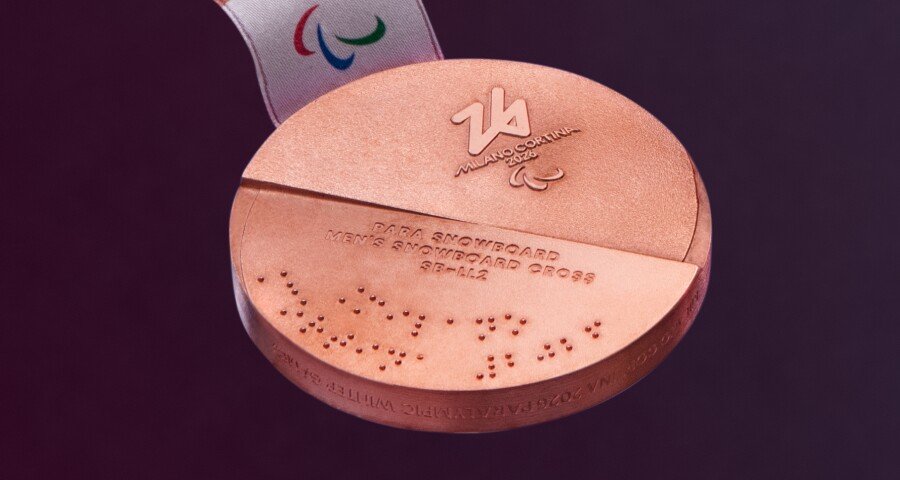
When discussing 2026 medal design, we must start with the 2026 Olympics medals. The Milan 2026 medals for the Winter Olympics represent a masterclass in contemporary design thinking, and there’s plenty for commercial buyers to learn from their approach.
For the first time in Olympic history, these medals for winter olympics will represent two host cities—Milano and Cortina, Italy. This unique circumstance inspired a brilliant design solution: a split-texture medal where two distinct halves meet at the center. One side features a smooth, polished finish while the other displays a textured, granular surface. It’s not just aesthetically striking; it tells a story of unity through difference.
The specifications are impressive too. At 80mm diameter and 10mm thickness, these medals command presence. The gold medals contain 500 grams of 999 pure silver with 6 grams of 999.9 pure gold plating. What’s revolutionary, however, isn’t the precious metal content—it’s how they’re made.
Italy’s state mint, IPZS, crafted these medals using 100% renewable energy and recycled metals, proving that you can design olympic medal projects that are both prestigious and environmentally responsible. The packaging follows suit, utilizing FSC-certified materials with minimal plastic.
For brands considering replica olympic gold medals or Olympic-inspired designs for their own programs, this sets a powerful precedent: premium quality and sustainability aren’t mutually exclusive.
Sustainability: From Nice-to-Have to Must-Have

Speaking of sustainability, it’s no longer a checkbox feature buried in a specification sheet. In 2026, eco-consciousness has become the heartbeat of medal design, and savvy buyers are taking notice.
Here’s why this matters for your bottom line: consumer expectations have shifted dramatically. A recent industry survey showed that 73% of event participants consider sustainability when evaluating the quality of recognition products. For corporate buyers, this connects directly to ESG reporting requirements and brand reputation.
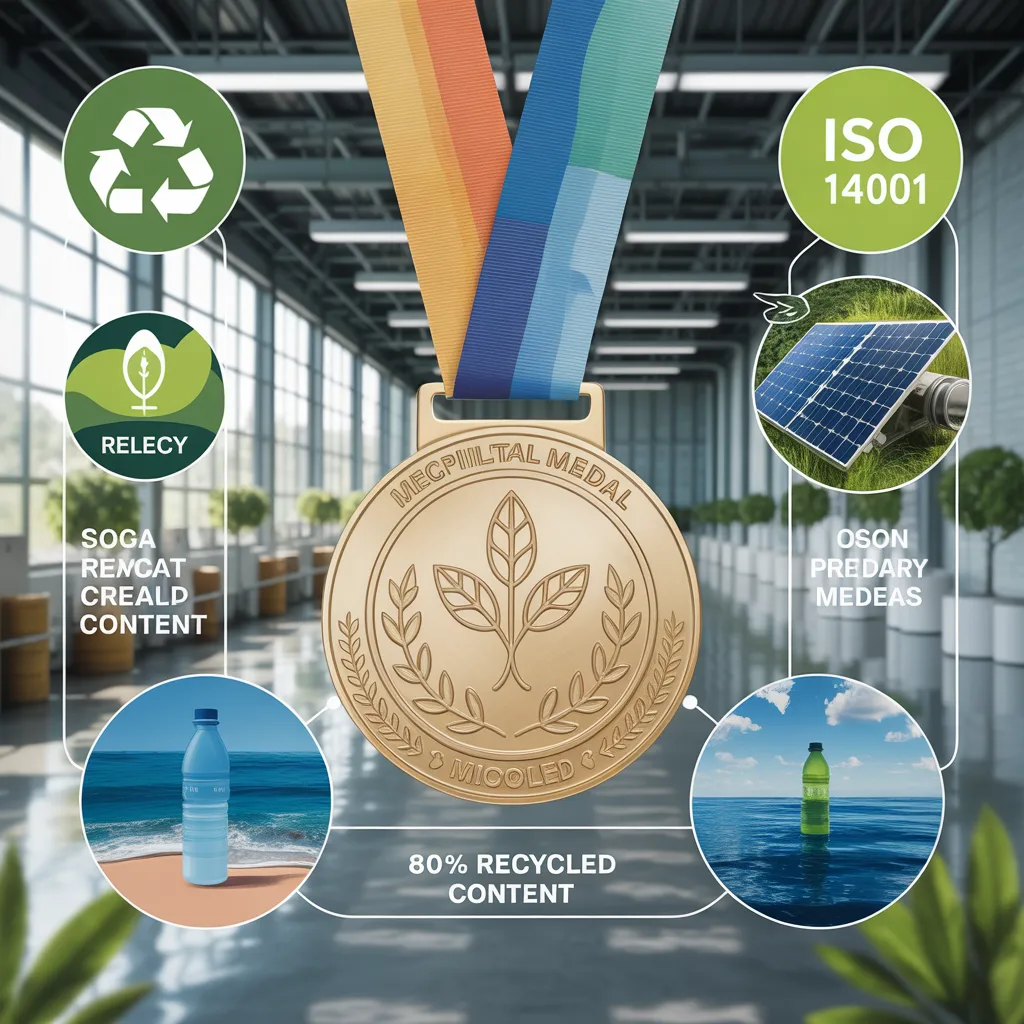
But sustainability isn’t just about meeting regulations—it’s about unlocking new marketing narratives. Consider the partnership model pioneered by leading manufacturers: for every medal order, two plastic bottles are removed from the ocean through coastal community cleanup programs. This isn’t charity; it’s a value-add that transforms a simple purchase order into a story your marketing team can amplify.
What to look for when sourcing sustainable medals:
- Recycled metal content percentages (aim for 80% or higher)
- Manufacturing facility certifications (ISO 14001 for environmental management)
- Renewable energy usage in production
- Transparent supply chain documentation
- Carbon offset programs
The price premium for truly sustainable medals has narrowed considerably—often just 8-15% over standard options. When you factor in the marketing value and alignment with corporate values, the ROI calculation becomes compelling.
The Power of Less: Minimalist Design Philosophy

While sustainability addresses the “how” of medal making, minimalism tackles the “what.” And in 2026, less truly is more.
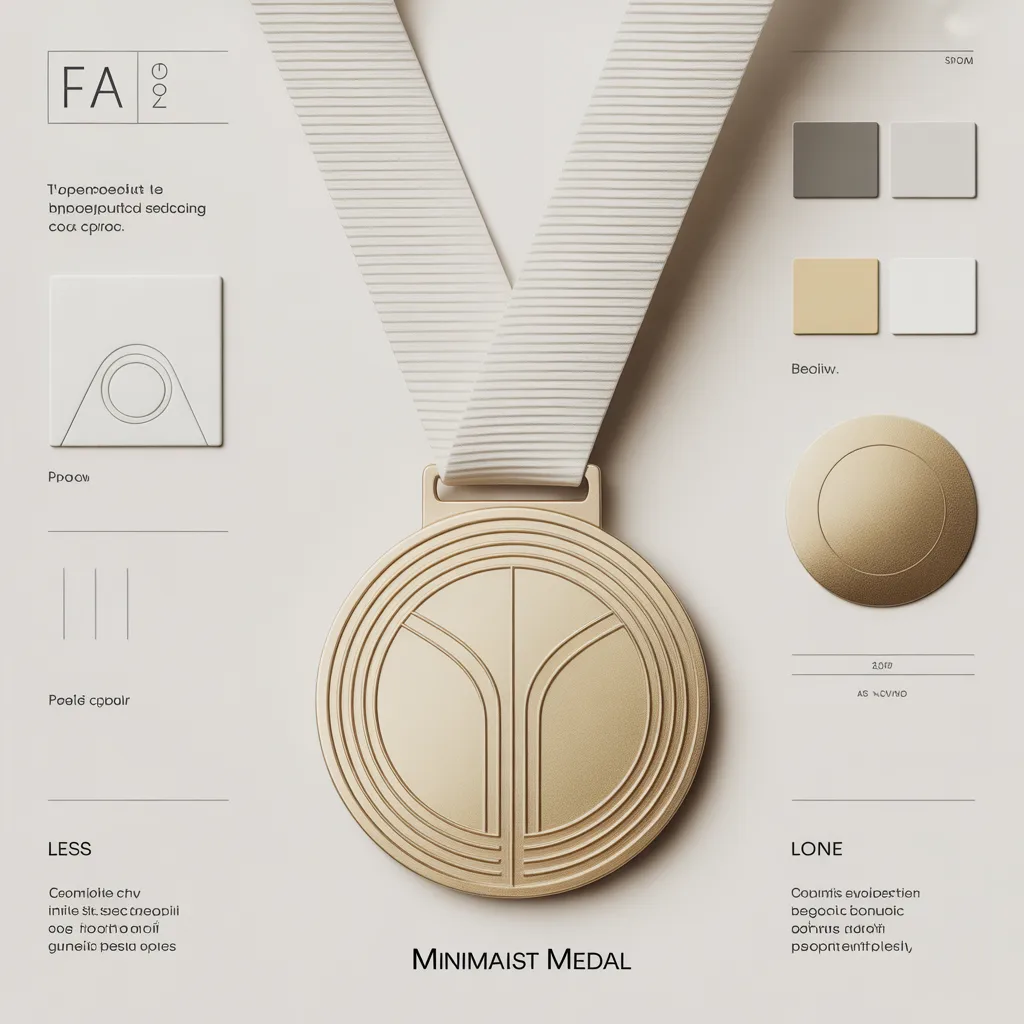
Minimalist medal designs aren’t about being boring or lazy. They’re about confidence—stripping away excess to let the essential message shine through. Think clean geometric lines, strategic use of negative space, and refined typography that doesn’t shout but still commands attention.
For brands and retailers, minimalist designs offer practical advantages:
Cost efficiency: Simpler designs often mean reduced tooling complexity and faster production times, which can translate to better margins or more competitive pricing.
Versatility: A minimalist medal works across multiple event types and demographics. The same design that appeals to tech startup employees also resonates with marathon runners and academic achievers.
Timeless appeal: Unlike trendy designs that feel dated within a year, minimalist medals maintain relevance. This is particularly valuable for annual events or multi-year recognition programs.
Brand integration: Clean designs provide breathing room for brand elements without visual clutter. Your logo or message becomes the hero, not a competing element in a busy composition.
The key is working with designers who understand that minimalism doesn’t mean minimal effort. It requires discipline and precision—every line, curve, and space must earn its place.
Touch and Feel: The Tactile Revolution

In our screen-dominated world, there’s something powerful about an object you can actually feel. That’s why tactile design—creating depth, texture, and physical variation—has become a defining trend for 2026 medals.
Modern manufacturing techniques enable remarkable three-dimensional effects:
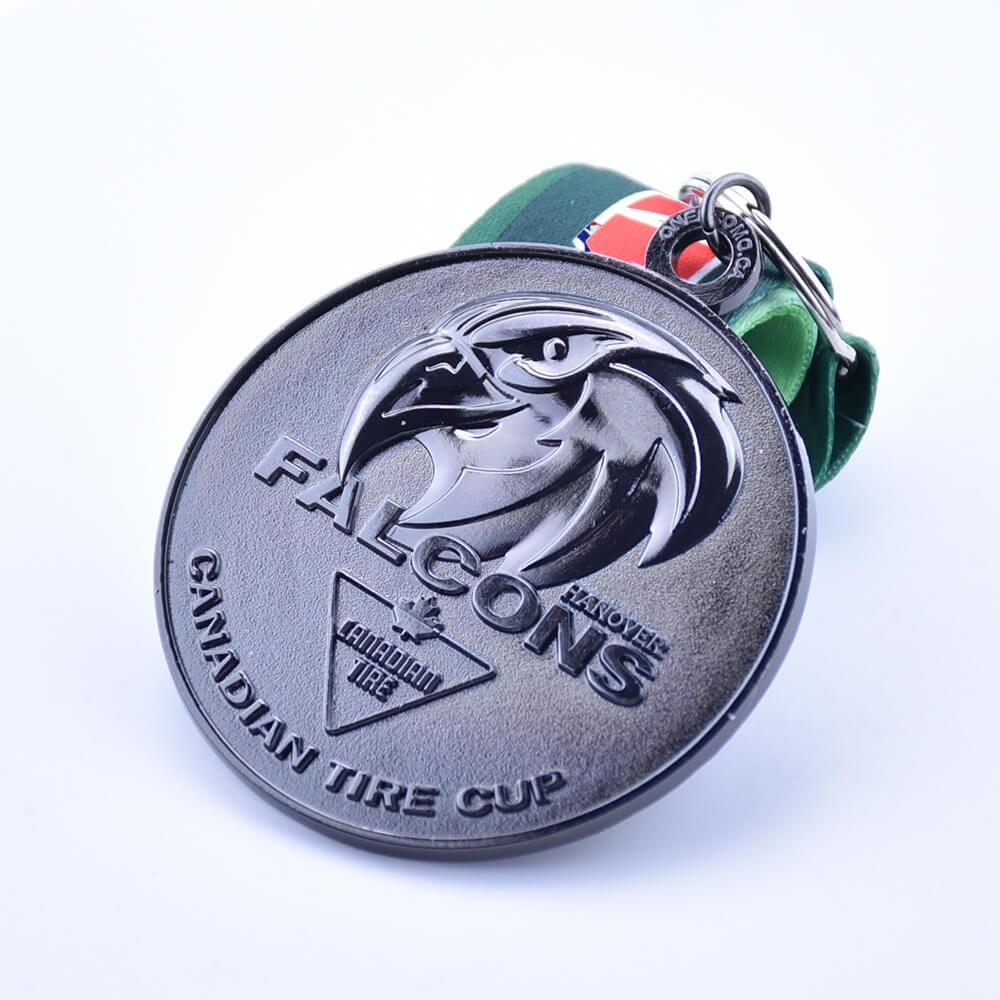
Multi-level relief: Raised and recessed areas create visual drama and invite touch. Recipients instinctively run their fingers over the surface, creating a personal moment of connection.
Surface treatments: Combining brushed, polished, and sandblasted finishes on a single medal creates subtle contrast that catches light differently from every angle.
Dimensional layering: Think of a medal as a miniature landscape with peaks and valleys, not just a flat canvas.
For buyers, understanding these techniques helps you ask better questions during the sourcing process:
- Will the design use die-struck or cast production? (Die-struck offers crisper detail; casting allows more complex 3D forms)
- What’s the depth range possible within your budget? (2-3mm relief is standard; 4-5mm is premium)
- How do different finishes affect minimum order quantities?
Premium corporate awards and high-end sports events particularly benefit from tactile designs. When someone earns a medal after months of effort or years of service, that physical substance matters. It should feel as significant as the achievement it represents.
Interactive Innovation: Medals That Do Something

Now we enter the realm of genuine innovation: medals that aren’t static objects but interactive experiences.
Color-changing technology leads this category. UV-activated medals shift colors when exposed to sunlight, creating a dramatic reveal moment. Imagine a finisher medal that appears one way indoors at the awards ceremony but transforms into vibrant colors when the recipient steps outside. It’s not just memorable—it’s Instagram gold.
The technology comes in several flavors:
- Solid enamel base with color-shift layers: Dramatic before/after transformation
- Translucent enamel: Creates a softer, glass-like glow effect
- White-to-color transformations: Maximum visual impact
- Metallic-to-color variations: Warm or cool base tones with vibrant reveals
For e-commerce platforms and retail buyers, interactive medals command premium pricing (typically 40-60% above standard medals) while generating outsized marketing value. They’re inherently shareable on social media, turning every recipient into a brand ambassador.
Mechanical interactivity offers another dimension: spinning centers, sliding components, or detachable elements. These are particularly effective for milestone events—think 25th anniversary commemorations or championship series medals.
Practical considerations:
- Interactive elements increase production complexity, affecting lead times (typically add 2-3 weeks)
- Quality control becomes more critical—request samples and stress-test them
- MOQ requirements are often higher (500-1,000 pieces vs. 100-250 for standard medals)
- Unit costs decrease significantly at higher volumes
The ROI story here centers on engagement. A standard medal generates one moment of appreciation. An interactive medal creates multiple moments: receiving it, discovering the feature, sharing it with others, and revisiting it later. That extended engagement cycle justifies the investment for many buyers.
Craftsmanship Returns: The Artisanal Touch

Amidst all this technology and innovation, there’s a counter-trend that’s equally important: the return to artisanal craftsmanship.
Mass production efficiency has its place, but in 2026, buyers increasingly value the human touch—medals that feel crafted, not just manufactured. This manifests in several ways:
Design collaboration: Rather than selecting from templates, progressive buyers are partnering with designers to create truly custom pieces that tell specific stories.
Attention to detail: The difference between good and great often lives in the small things—the crispness of line work, the consistency of enamel fill, the precision of edge finishing.
Quality materials: Moving beyond standard alloys to select metals that enhance the design intent, whether that’s antique finishes, brushed textures, or specialty platings.
For brands building recognition programs, this artisanal approach signals that you value the recipient enough to invest in something special. It’s the difference between acknowledging achievement and truly honoring it.
When evaluating suppliers, look for:
- Designer portfolios showing custom work, not just template variations
- Willingness to iterate on designs (2-3 revision rounds should be standard)
- Material expertise—can they recommend the best metal/finish for your concept?
- Sample policies that let you test quality before committing to production
Putting Trends into Practice: A Buyer’s Guide

Understanding trends is one thing; implementing them is another. Here’s how to translate these insights into smart purchasing decisions:
Start with your brand story: Which trends align with your brand values and audience expectations? A tech startup might embrace minimalism and interactive elements. A heritage brand might lean toward artisanal craftsmanship with sustainable materials.
Consider your budget framework: You don’t need to adopt every trend. A medal that combines sustainability with minimalist design can be both affordable and on-trend. Adding color-changing technology later creates a premium tier option.
Think about volume: Some trends scale better than others. Minimalist and sustainable designs work at any order quantity. Interactive elements become more cost-effective at 500+ units.
Plan your timeline: Complex designs need longer lead times. For events with fixed dates, build in buffer time. Standard production runs 4-6 weeks; add 2-3 weeks for interactive elements or extensive customization.
Request comprehensive samples: Before committing to production, order samples that test all the elements you’re buying—finish quality, color accuracy, interactive functionality, packaging.
Looking Forward: 2026 and Beyond
The medal design trends of 2026 point toward a clear future: recognition products that carry meaning beyond their physical form. Whether inspired by the sophisticated symbolism of the 2026 Olympics medals or driven by commercial innovation in color-changing technology, today’s medals tell stories.
For traders, brands, e-commerce platforms, and retail buyers, this creates both opportunity and responsibility. The opportunity lies in differentiation—offering products that genuinely excite customers and deliver marketing value beyond the transaction. The responsibility involves thoughtful sourcing that aligns with sustainability expectations and quality standards.
The best medal programs of 2026 won’t just follow these trends—they’ll combine them thoughtfully. Imagine a minimalist design executed with artisanal precision, manufactured sustainably, and featuring subtle interactive elements. That’s not just a medal; it’s a complete experience.
As you plan your next medal order, consider: what story do you want your recognition program to tell? The design trends of 2026 offer more tools than ever to make that story compelling, memorable, and meaningful.
Ready to explore how these trends can elevate your next project? The future of medal design isn’t waiting—it’s here, and it’s more exciting than ever, contact us to learn more details!