







From Disney theme parks to streetwear drops, pin culture has quietly become one of the most dynamic corners of the collectibles world. What started as a niche pastime has evolved into a thriving market — one that savvy brands, e-commerce sellers, and dedicated pin collectors are paying serious attention to. Whether you’re a first-time hobbyist or a retail buyer looking to tap into this trend, this guide walks you through everything you need to know about how to collect pins, trade them, and — if you’re a business — use them to build real brand value.
Why Pin Collecting Is More Than Just a Hobby
Let’s get one thing clear: pin collecting isn’t just for kids at summer camp anymore. Today’s pin market spans fan communities, independent artists, Fortune 500 brands, and everything in between. Enamel pins have become a form of wearable self-expression — small in size, but big in cultural currency.
For businesses, the appeal goes further. Pins are affordable to produce, easy to ship, and carry a collectible quality that drives repeat engagement. Brands like Disney and Hard Rock Cafe built entire customer loyalty ecosystems around their pin programs. E-commerce sellers on platforms like Etsy and Amazon consistently rank pins among their top-performing accessories. And for traders and retail buyers, pins represent a low-risk, high-margin product category that rewards those who understand the market.
In short: whether your goal is personal joy or business growth, there’s never been a better time to get into pins.
What Are Trading Pins — And Why Do They Matter?
Before we dive into collecting strategies, it’s worth answering a question many newcomers ask: what are trading pins, exactly?
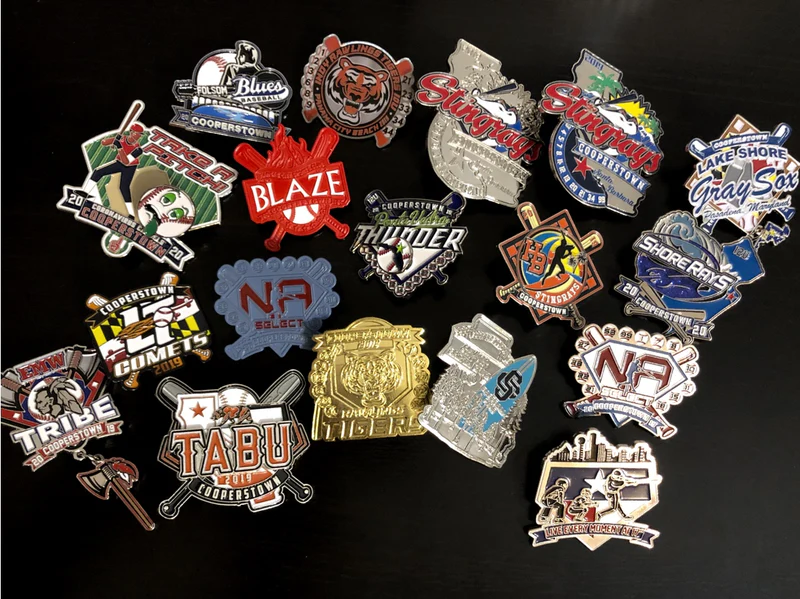
Trading pins are collectible pins specifically designed to be exchanged between collectors. They’ve been a staple of major events — the Olympics, Disney parks, baseball tournaments — for decades. The concept is simple: you bring your pins, someone else brings theirs, and you negotiate a swap based on mutual interest and perceived value. No money needs to change hands.
What makes trading lapel pins so compelling is the social element. Swap meets, pin conventions, and online trading communities have built rich subcultures around the exchange. Knowing the difference between a standard release and a limited edition, understanding pin condition grades, and learning the etiquette of fair trading are all skills that serious collectors develop over time. For brands, trading pins are a powerful engagement tool — a way to create buzz, reward loyal customers, and turn your merchandise into a genuine conversation starter.
Types of Pins Worth Collecting
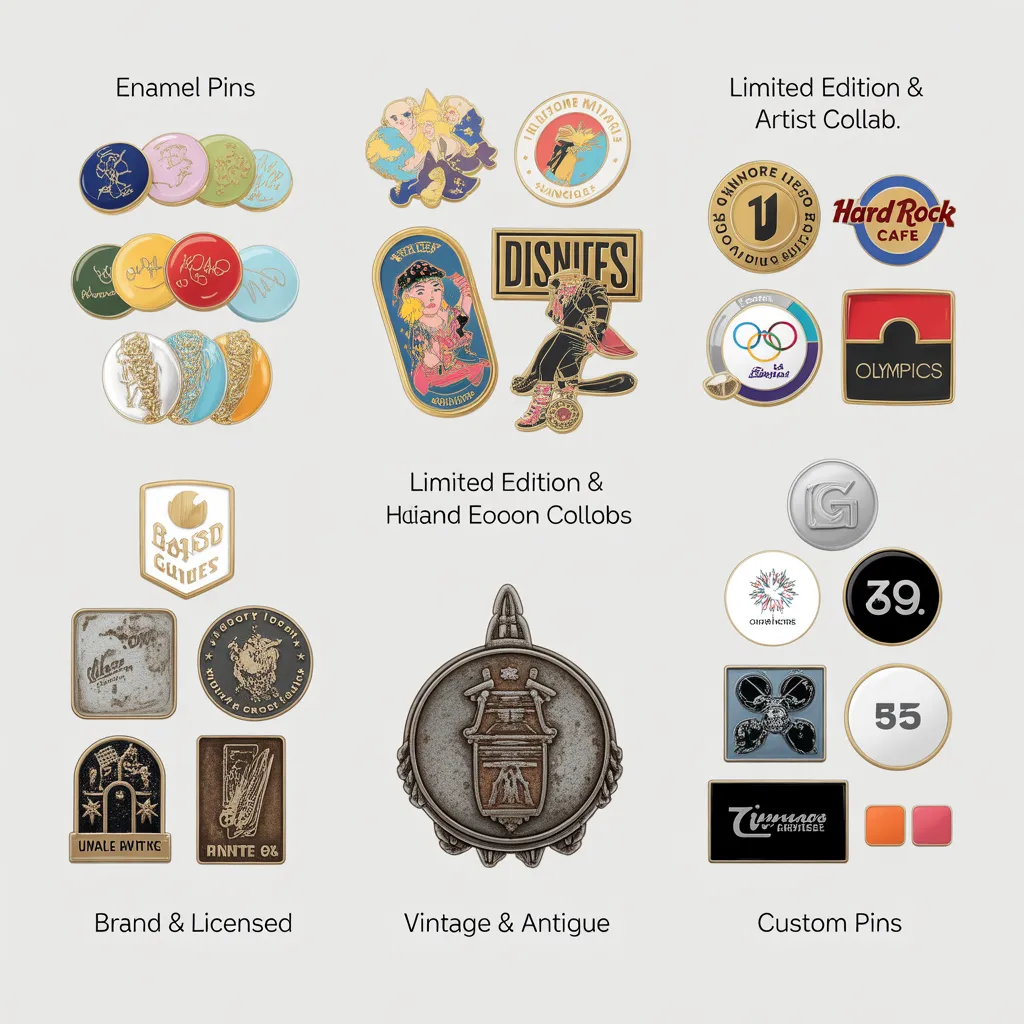
Not all pins are created equal. Here’s a quick overview of the main categories, each with its own appeal and market value:
Enamel Pins — The most popular and versatile type. Soft enamel pins have a textured, slightly raised feel, while hard enamel pins have a smooth, polished finish. Hard enamel is generally considered more premium and tends to hold value better in an enamel pin collection.
Limited Edition & Artist Collab Pins — These are the holy grail for serious collectors. When a well-known artist or brand releases a pin in limited quantities, demand often outpaces supply quickly. If you’re building a collection with resale potential, this is where to focus your energy.
Brand & Licensed Pins — Disney, Hard Rock Cafe, the Olympics, and major sports teams have all built massive trading ecosystems around their licensed pins. These are great starting points for new collectors because the community is large, the pins are relatively accessible, and the trading culture is well-established.
Vintage & Antique Pins — These pins carry historical weight. Found at flea markets, estate sales, and antique shops, vintage pins often tell stories about the eras that produced them. They appeal to collectors who value rarity and provenance over visual flash.
Custom Pins — For brands and businesses, custom pins are the most exciting category of all. A well-designed custom pin becomes part of your brand identity — wearable, shareable, and collectible. More on this in a later section.
How to Start a Pin Collection: A Step-by-Step Guide
Ready to begin? Here’s how to get started without making the common mistakes that trip up new collectors.
Step 1 — Define Your Theme or Niche
The best collections are focused. Ask yourself: what am I passionate about? Pop culture? Sports? Travel? A specific brand or artist? For traders and retail buyers, it also pays to think about market demand — what themes are trending in your target audience?
You don’t need to commit to a single theme forever, but having a starting point gives your collection coherence and makes trading easier because other collectors immediately understand what you’re looking for.
Step 2 — Set a Budget
It’s easy to go overboard, especially once you start discovering how many incredible pins exist. Set a realistic monthly budget before you begin. Entry-level collecting can start with just $20–$50 a month. If you’re buying pins for resale or brand use, think in terms of volume and unit cost — buying in bulk from a quality manufacturer dramatically reduces your per-pin cost.
Step 3 — Know Where to Find Pins
The good news: pins are everywhere. The challenge is knowing which sources offer the best quality and value.
- Online marketplaces like Etsy, eBay, and Amazon are excellent for browsing a wide range of styles and price points.
- Social media — particularly Instagram — is where independent pin artists and small-batch drops live. Follow makers whose work you admire.
- Pin swap meets and conventions are goldmines for rare finds and direct trading opportunities.
- Local craft fairs often feature independent artists selling unique, handmade-style designs.
- Direct from manufacturers is the smart choice for brands and businesses. Working with a custom pin supplier gives you full control over design, quality, and quantity — and opens the door to creating your own collectible line.
Step 4 — Learn Pin Values Before You Buy or Trade
This is where many new pin collectors stumble. Not all pins are worth the same, and the factors that determine value can be subtle.
Key value drivers include: rarity (limited editions are worth more), condition (scratches and chips reduce value significantly), artist or brand recognition, and edition size. A pin from a sought-after artist released in a run of 50 will always command more than a mass-produced design from an unknown source.
One important warning: counterfeit pins exist. In the Disney trading community especially, fake “scrapper pins” — unofficial reproductions of popular designs — are a known problem. Learn to spot them before you trade. Check the weight, back stamp, and finish quality. When in doubt, buy from reputable sources.
Step 5 — Start Small, Then Scale
There’s no prize for building the biggest collection overnight. Start with a handful of pins that genuinely excite you, get comfortable with the market, and grow from there. Keep a simple spreadsheet or use a dedicated app to track what you own, what you paid, and what you’re looking to trade.
For businesses, the same principle applies. Test with a small custom pin run, gauge customer response, and scale production based on what resonates.
The Art of Trading Lapel Pins
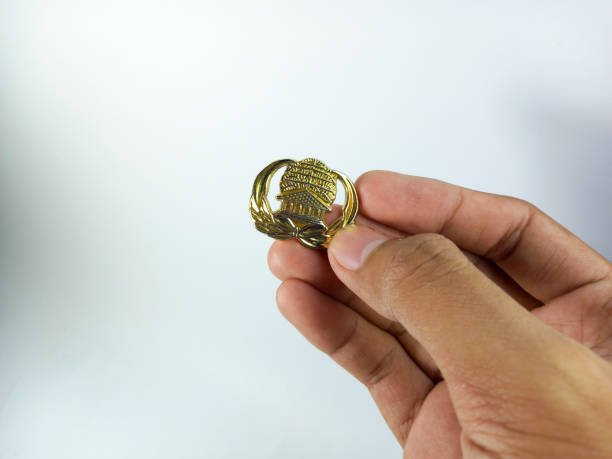
Trading lapel pins is a skill that gets better with practice. Here are the essentials:
Know the etiquette. At swap meets and events, approach trades with respect and patience. Don’t low-ball experienced collectors. Offer fair value, and be gracious whether a trade happens or not.
Join the community. Online groups on Reddit (r/EnamelPins) and Facebook are active hubs where collectors share finds, arrange trades, and discuss values. Engaging genuinely in these communities will accelerate your education and open up trading opportunities you’d never find elsewhere.
For brands: trading pins aren’t just for hobbyists. Gifting pins at events, including them as order bonuses, or offering them as loyalty rewards creates a trading dynamic around your brand — customers actively seek, display, and talk about your pins.
Display and Store Your Collection
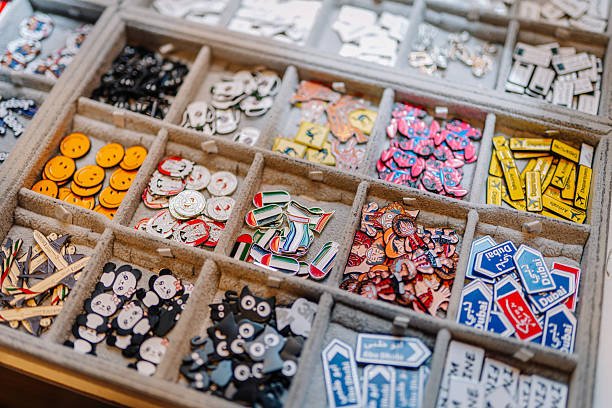
A great collection deserves a great presentation. Here are the most popular options:
- Corkboard or fabric display board — affordable, flexible, and easy to rearrange. Perfect for home displays.
- Shadow boxes — more formal and visually striking. Great for showcasing a curated selection of your best pieces.
- Jackets, bags, and hats — wearable displays that spark conversations wherever you go.
- Picture frames — a simple DIY option that lets you swap pins in and out as your collection grows.
For storage, keep pins away from moisture and humidity — both rust metal and can damage enamel. Store pins you’re not displaying in a dry, padded case. When cleaning, use only a soft cloth; harsh chemicals will ruin the finish.
How Brands Can Leverage Pin Collecting Culture
Here’s where things get really interesting for businesses. Pin collecting culture offers brands a rare opportunity: a product that people actively want to collect, display, and talk about.
Consider these applications:
Branded merchandise with staying power. Unlike a tote bag or pen, a well-designed pin gets pinned to a jacket and worn for years. It becomes a visible, repeated advertisement for your brand.
Customer loyalty programs. Reward repeat customers with exclusive pins. Limited-edition seasonal releases, milestone pins, or member-only designs create excitement and incentivize engagement.
Event and trade show giveaways. Pins are compact, memorable, and far more likely to be kept than a brochure. They start conversations and keep your brand visible long after the event ends.
E-commerce bundling. Including a free custom pin with orders above a certain threshold is a proven tactic for increasing average order value and delighting customers.
Exclusive drops. Take a page from streetwear culture: release a limited run of pins with a countdown timer and watch your audience engage. Scarcity drives desire.
The key is quality. A cheaply made pin reflects poorly on your brand. Investing in premium materials and precise craftsmanship ensures your pins become something people are proud to wear and display — not something that ends up in a drawer.
Common Mistakes to Avoid
Even enthusiastic collectors make these errors early on:
- Overpaying for common pins — do your research before buying.
- Ignoring pin condition — always check for chips, scratches, and discoloration.
- No storage plan — pins thrown loose in a box will scratch and damage each other.
- Not tracking the collection — without a record, you’ll forget what you have and overspend.
- Buying counterfeits — learn to identify fakes, especially in high-demand categories.
- Going it alone — the community is one of the best parts of pin collecting. Engage with it.
Ready to Start Your Pin Journey?
Pin collecting is one of the most accessible, creative, and — increasingly — commercially valuable hobbies and business strategies available today. Whether you’re a passionate collector building a personal enamel pin collection, a trader looking for your next great find, or a brand exploring new ways to connect with customers, the world of pins has something genuinely exciting to offer.
The best part? You can start right now, with just a few pins and a clear sense of what you love.
At UniqueCustomPins, we work with brands, traders, e-commerce sellers, and retail buyers to create premium custom pins that people actually want to collect. From initial design to final production, we make the process simple, fast, and results-driven.
Ready to create pins your customers will love? Get a free quote today.