If you’re a trader scouting for unique merchandise, a brand looking to elevate your swag game, an e-commerce platform curating custom dropshipping options, or a retail buyer stocking shelves with eye-catching accessories, you’ve probably wondered: why are custom enamel pins so expensive? It’s a fair question—after all, these tiny treasures can sometimes carry a price tag that seems disproportionate to their size. But here’s the fun part: once you peel back the layers (much like the vibrant enamel itself), you’ll discover that their cost is a reflection of exceptional craftsmanship, personalization, and lasting value.
At Unique Custom Pins, we specialize in creating bespoke enamel pins that help businesses like yours stand out. Whether you’re designing an enamel cross for a niche market or a rose enamel pin for seasonal promotions, understanding the pricing can empower you to make smarter decisions. In this article, we’ll break down the key factors behind custom enamel pin pricing, explore real-world examples, and share tips on how to optimize costs without skimping on quality. By the end, you’ll see these pins not as an expense, but as an investment in branding that pays dividends. Let’s dive in!
Understand the Basics of Custom Enamel Pins
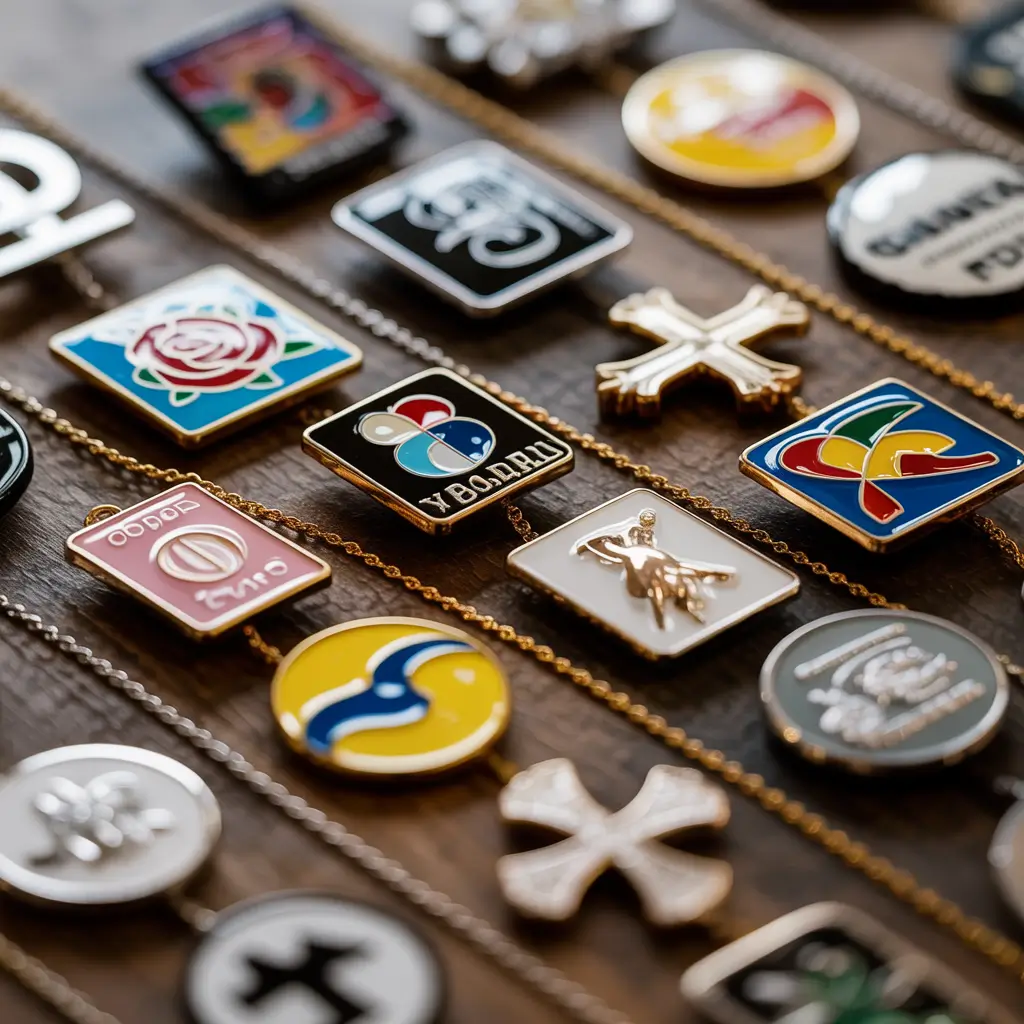
Before we unpack the costs, let’s get everyone on the same page about what custom enamel pins actually are. Enamel pins are small, wearable art pieces made by fusing colored glass-like enamel onto a metal base, often with intricate designs that pop with color and detail. They’re not your run-of-the-mill stickers or buttons—these are durable, high-quality items that can feature everything from simple logos to complex illustrations.
There are a few main types to know about. The definit distinction types are soft and hard enamel pins. Soft enamel pins are the most popular and affordable option, where the enamel is recessed into stamped metal grooves, creating a textured feel that’s perfect for vibrant, multi-colored designs like a playful rose enamel pin. Hard enamel pins, on the other hand, go through extra polishing for a smooth, jewelry-like finish—think of them as the premium choice for something elegant, such as an enamel cross symbolizing faith or heritage. Then there are die-struck pins, which skip the enamel for a classic metallic look, and 3D pins that add depth for standout effects, like an enamel pin chain that dangles with movement.
For our target audience—traders, brands, e-commerce platforms, and retail buyers—these pins are goldmines. Traders can resell them at a markup in niche markets, like pop culture conventions. Brands use them for merchandise that builds loyalty, imagine limited-edition pins featuring your logo on an enamel pin chain for keychains. E-commerce platforms thrive on customization, offering dropshipping where customers personalize their own brass pin designs. Retail buyers love them for inventory because they’re compact, ship easily, and appeal to collectors who’ll pay a premium for unique items.
What sets custom enamel pins apart from mass-produced junk? Unlike cheap bulk items churned out by machines, custom pins are tailored to your vision. They’re not slapped together in a factory line; they’re crafted with care, ensuring each piece tells a story. This personalization is key, but it also drives up the price—more on that soon. If you’re new to this, a great starting point is learning how to design pins, which involves sketching ideas, choosing colors, and collaborating with experts like our team at Unique Custom Pins to bring your concept to life.
Key Factors Driving the Cost of Custom Enamel Pins
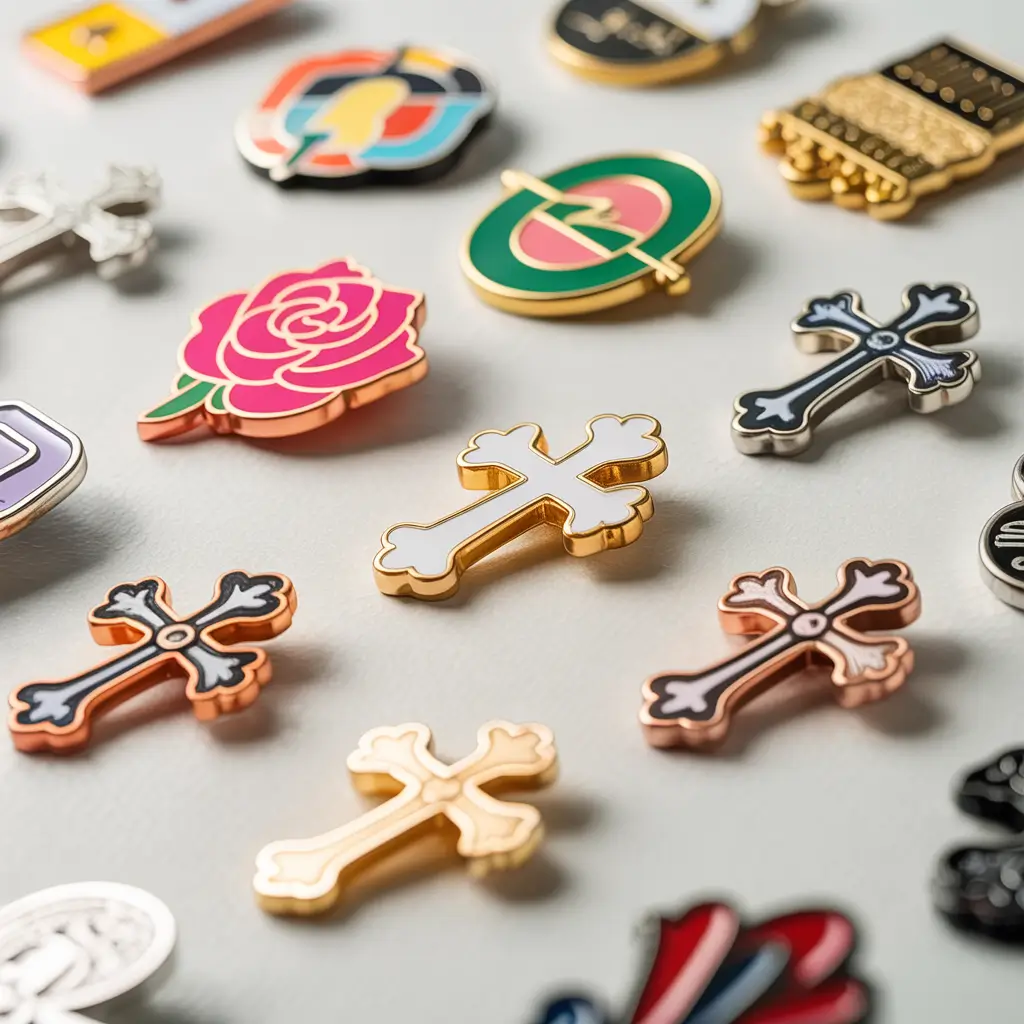
Now, let’s get to the heart of the matter: why do these little gems cost what they do? It’s not about overcharging—it’s about the intricate process and high-quality inputs that make them worth every penny. We’ll break it down step by step, with a nod to how these factors play into your business strategies.
A. Mold and Setup Fees
First up is the mold charge, often the biggest “hidden” cost that surprises first-time buyers. Every unique design requires a custom steel mold to stamp the metal base into shape. This isn’t a one-and-done sticker print; it’s precision engineering. Expect to pay anywhere from $50 to $200 for this setup, depending on complexity.
Why so much? The mold ensures your design—like an intricate enamel cross with fine lines—is replicated perfectly across every pin. For small orders, this fixed fee doesn’t spread out well, jacking up the per-unit price. Traders and retail buyers, take note: if you’re testing a new product line, like a series of brass pins, factor this in early. But here’s the silver lining—molds can be reused for up to two years, so repeat orders become a steal.
B. Material Expenses
Materials are where the magic (and the money) happens. The base metal sets the foundation: iron is the budget-friendly choice but prone to rust, while copper, brass, or zinc alloy offer durability and a premium feel. A brass pin, for instance, shines with a warm glow that’s ideal for vintage-inspired designs, but it costs more than basic iron.
Then there’s the enamel itself. Soft enamel is cheaper and great for bold colors, perfect for a fun rose enamel pin that captures delicate petals. Hard enamel adds 20-30% to the bill due to its glossy, baked-on finish. Plating options ramp it up further—nickel for everyday wear, gold for luxury appeal. Add-ons like glitter, glow-in-the-dark effects, or even an enamel pin chain for functionality can tack on extra dollars.
For brands and e-commerce platforms, these choices aren’t just cosmetic; they’re about longevity. A well-made pin withstands daily use, reinforcing your brand’s reputation. Retail buyers stocking shelves will appreciate how premium materials justify higher resale prices, turning a $3 cost into a $15 sale.
C. Labor-Intensive Production Process
Ah, the human touch—this is what makes custom enamel pins feel like mini masterpieces. Unlike automated assembly lines for T-shirts, pin production is a hands-on affair. It starts with digital design separation, where colors are mapped out (a crucial step in how to design pins effectively). Then comes stamping the metal with your mold, hand-filling enamel into grooves, baking at high temperatures to fuse it, and meticulous polishing.
Skilled artisans handle much of this, especially for details like ensuring the enamel cross doesn’t have bleed-over colors or that the rose enamel pin’s gradients are spot-on. Quality control is rigorous—each pin is inspected for flaws, which adds time and cost. Specialized equipment, like CNC machines for precise cuts, isn’t cheap to maintain either.
For businesses, this labor intensity means reliability. E-commerce platforms can promise “artisanal quality” to customers, while traders benefit from unique pieces that stand out in competitive markets. It’s labor that elevates your product from generic to gotta-have-it.
D. Design Complexity and Size
Simplicity is affordable; complexity is captivating—and costly. The more intricate your design, the higher the price. Think about the number of colors: sticking to 4-7 keeps things budget-friendly, but exceeding that (say, for a multi-hued enamel pin chain) requires extra separation and filling steps.
Custom shapes add flair but complicate molding—avoid straight edges for something organic like a rose enamel pin. Size matters too: standard 1-inch pins are economical, but scaling up to 2.5 inches or more demands thicker metal to prevent bending, plus more materials and labor.
Learning how to design pins smartly can mitigate this. Start with vector graphics for clean lines, and collaborate with pros to refine ideas. Brands love complex designs for storytelling—like an enamel cross with symbolic elements—while retail buyers might opt for simpler ones to keep costs down for volume sales.
E. Order Quantity and Economic Influences
Volume is your best friend here. Small runs (under 100 pieces) amplify per-unit costs because fixed fees like molds don’t dilute. Bump it to 500 or 1,000, and prices plummet—sometimes to under $1 per pin. Economic factors play in too: supplier margins (20-50% if using middlemen), shipping, rush fees for tight deadlines, and even artist compensation for original artwork.
In today’s market, inflation on metals and labor can nudge prices up, but savvy buyers plan ahead. For traders flipping products, bulk orders mean better margins; e-commerce platforms can offer tiered pricing to customers. Don’t forget global influences—sourcing from reliable manufacturers ensures consistency without hidden tariffs.
Real-World Pricing Examples
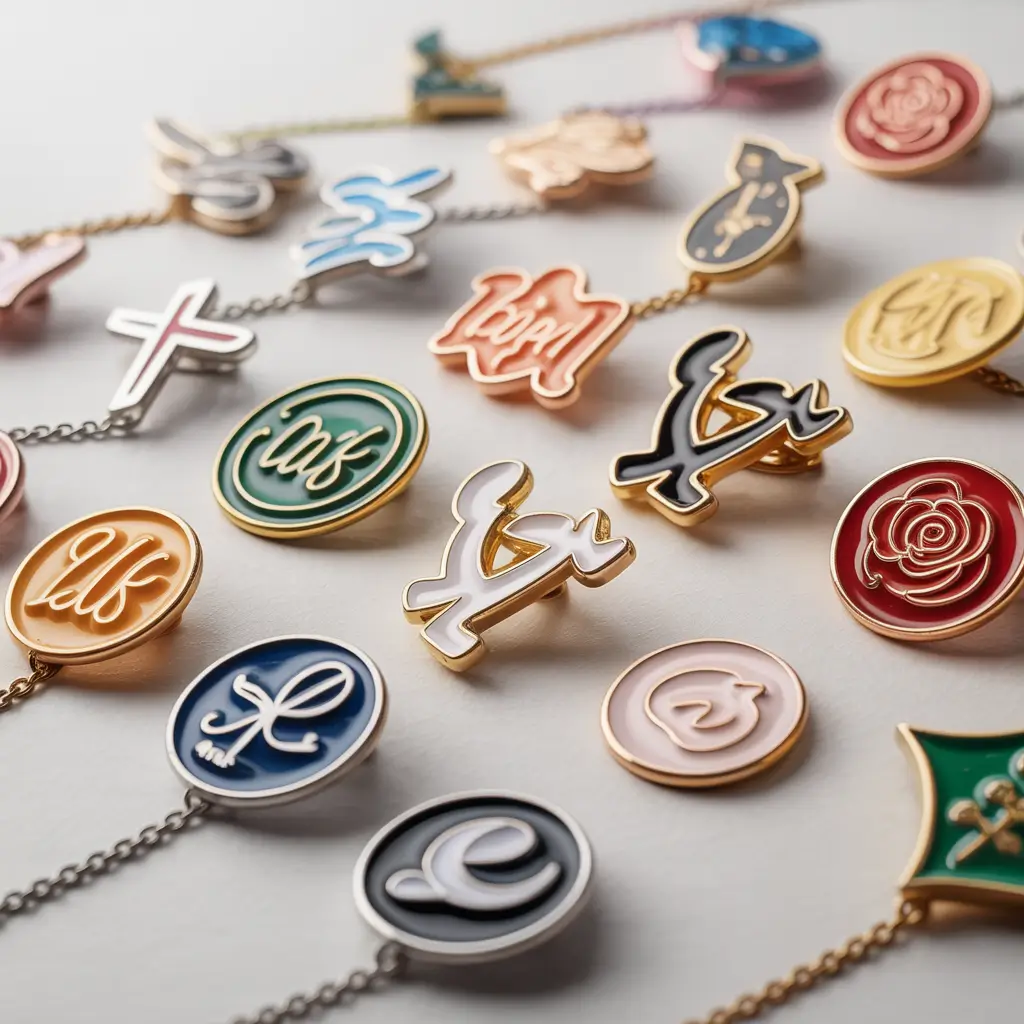
To make this tangible, let’s look at some numbers based on industry standards. For a 1-inch soft enamel pin with basic plating:
- 100 units: $1.70-$2.70 each
- 500 units: $0.78-$1.06 each
- 1,000 units: $0.74-$1.04 each
Switch to hard enamel, and add 20-30%: $2.94-$3.48 for 100 units. A 3D brass pin might hit $3.48 for small batches.
Picture this case study: A brand launches a rose enamel pin for Valentine’s Day. At 100 units with 5 colors and glow effects, total cost is around $300 (including $100 mold). Resold at $10 each online, that’s quick profit. Or a retail buyer orders 500 enamel crosses for a faith-based store—per-unit drops to $1.20, allowing competitive pricing.
Another scenario: An e-commerce platform customizes enamel pin chains for gamers. Starting with a $150 setup for intricate designs, bulk at 1,000 units costs $0.90 each, enabling dropshipping margins of 300%.
These examples show how understanding costs leads to strategic wins.
How to Save on Custom Enamel Pins Without Sacrificing Quality
Good news: you don’t have to break the bank. Here are actionable tips tailored for our audience.
- Order in Bulk: Aim for 100+ to spread fixed costs. Traders, stock up for seasons; brands, bundle with merch kits.
- Simplify Designs: Limit colors and skip extras. When learning how to design pins, focus on essentials—like a clean enamel cross over a busy one.
- Choose Cost-Effective Materials: Go soft enamel and brass pins for balance. Avoid gold plating unless it’s premium positioning.
- Work Directly with Manufacturers: Skip middlemen for 20-50% savings. At Unique Custom Pins, we handle everything in-house, passing savings to you.
- Plan Ahead: Avoid rush fees by ordering early. Reuse molds for follow-ups, like variations on a rose enamel pin theme.
These strategies boost ROI—e-commerce platforms can lower entry barriers for sellers, while retail buyers maintain healthy margins.
Conclusion
So, why are custom enamel pins so expensive? It’s the perfect storm of molds, materials, skilled labor, design intricacies, and order dynamics—all converging to create something truly special. But as we’ve seen, this “expense” translates to value: durable branding tools that delight customers and drive sales for traders, brands, e-commerce platforms, and retail buyers alike.
Ready to craft your own? Whether it’s an enamel cross, rose enamel pin, enamel pin chain, or brass pin, our team at Unique Custom Pins is here to guide you through how to design pins and beyond. Contact us today for a free quote, design consultation, or samples. Let’s turn your ideas into pins that shine—affordably and brilliantly!
FAQs
How long does it take to produce and deliver a bulk order?
Standard production time is 14–21 days after artwork approval. Rush options are available (7–10 days) with an additional fee. Shipping to most business addresses in the US takes 3–7 days. For international traders and e-commerce fulfillment centers, we offer sea freight options for larger orders to reduce costs.
Do you offer free design services or revisions?
Yes! We provide unlimited free revisions until you’re 100% satisfied with the digital proof. Our in-house design team can help you from concept to final artwork—whether you’re creating a logo pin, enamel cross series, or custom brass pins. Simply share your idea, sketch, or branding guidelines.
Can I get physical samples before placing a bulk order?
Absolutely. We offer free pre-production samples. This is highly recommended for brands and retail buyers who need to verify color accuracy, finish quality, and overall feel before committing to inventory.
Are your pins compliant with safety and quality standards?
All our pins are lead-free, nickel-safe, and CPSIA-compliant, making them suitable for all ages. We use sustainable high-quality materials and strict quality control—ideal for brands concerned about reputation and safety.
Can I reorder the same design later without extra setup costs?
Yes. We store your mold for up to 2 years at no charge. Reorders of the exact same design (same size, colors, plating) incur no mold fee, making it easy and affordable for seasonal restocks, new color variants, or ongoing merchandise programs.