Lapel pins are one of the most versatile, high-margin accessories in the promotional products market. Compact, collectible, and endlessly customizable, they sit at the sweet spot of fashion, branding, and gifting. But here’s what most buyers don’t realize: the pin type you choose directly affects your margins, your customer experience, and your brand image. Order the wrong type, and you’re looking at unexpected costs, slower timelines, or a product that simply doesn’t land with your audience.
Before you place that bulk order, let’s walk through everything — from manufacturing methods to backing types — so you can decide with confidence. Whether you’re a trader building a catalog, a brand launching merch, or a retail buyer sourcing for next season, consider this your practical cheat sheet for getting it right the first time.
Section 1: What Do Pins Look Like? A Quick Visual Primer
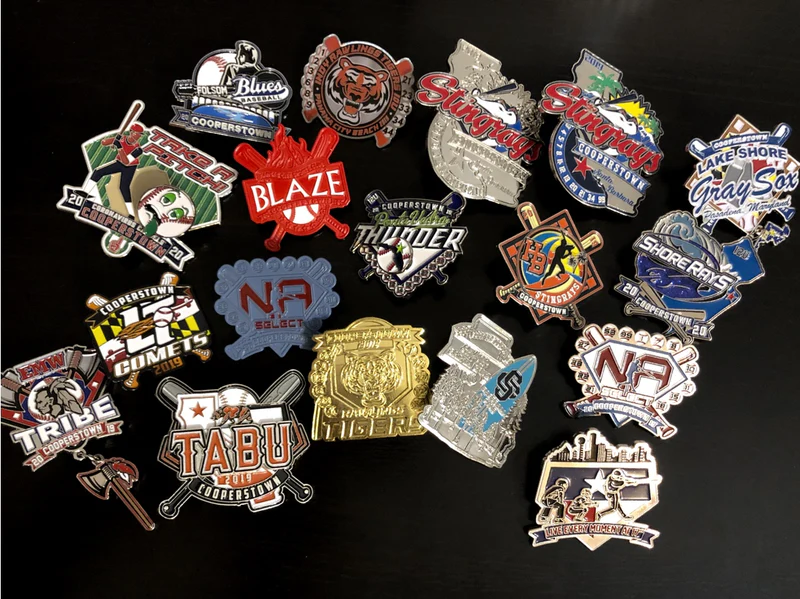
If you’re new to the world of custom pins, you might be wondering: what do pins look like, exactly?
At their core, lapel pins are small metal accessories — typically between 0.75″ and 2″ in size — designed to be fastened to clothing, bags, lanyards, or display boards. They can be flat or three-dimensional, single-colored or packed with vivid detail.
They come in every shape imaginable: logos, animals, food items, abstract graphics, mascots, emblems, and pins with words like slogans, brand names, or short phrases. Some are sleek and corporate. Others are playful and pop-culture-driven. What they all share is a metal base, a designed front face, and a fastening mechanism on the back.
The best way to understand the range is to look at types of pins with images — and we’ll walk through each one below.
Section 2: The 6 Core Lapel Pin Types
2.1 Soft Enamel Pins — The Fan Favorite
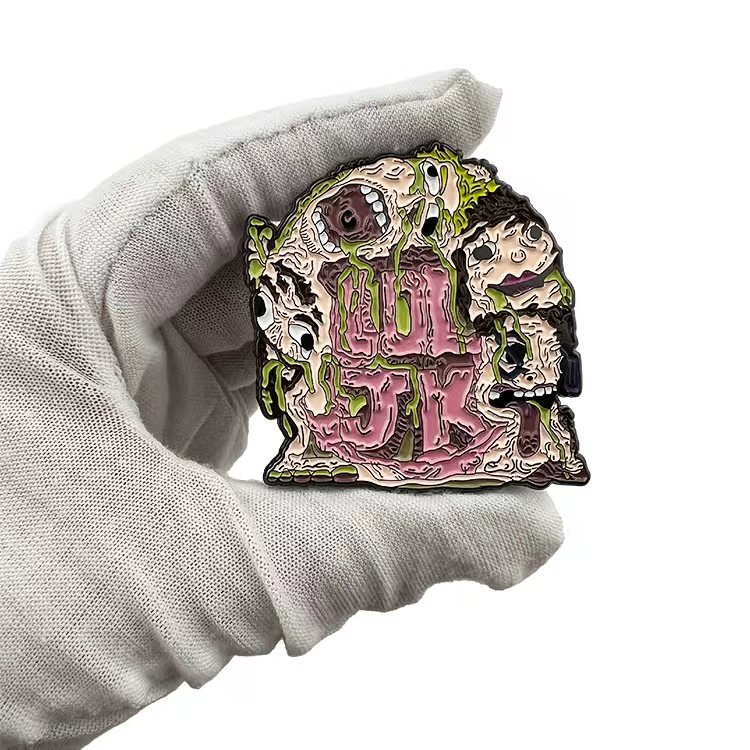
Soft enamel pins are the most popular choice in the market, and for good reason. They deliver vibrant color and detailed designs at a price point that works for both small runs and large wholesale orders.
How they’re made: A metal base (usually iron, brass, or zinc alloy) is stamped into your chosen shape. Color is then filled into the recessed areas using enamel paint and baked to set. The metal lines remain raised above the enamel, giving the pin its signature textured, three-dimensional feel.
What they look like: Think bold colors with visible raised metal outlines between each color zone. Run your finger across one and you’ll feel the ridges — that’s the hallmark of a soft enamel pin.
Best for: Retail collections, brand merch, event giveaways, e-commerce resale, collector pins. If you’re launching a pin line for Shopify or Amazon, this is your go-to.
Trade specs: Most affordable per-unit cost. MOQ typically starts at 50–100 pieces. Lead time: 10–15 business days standard.
2.2 Hard Enamel Pins — The Premium Choice
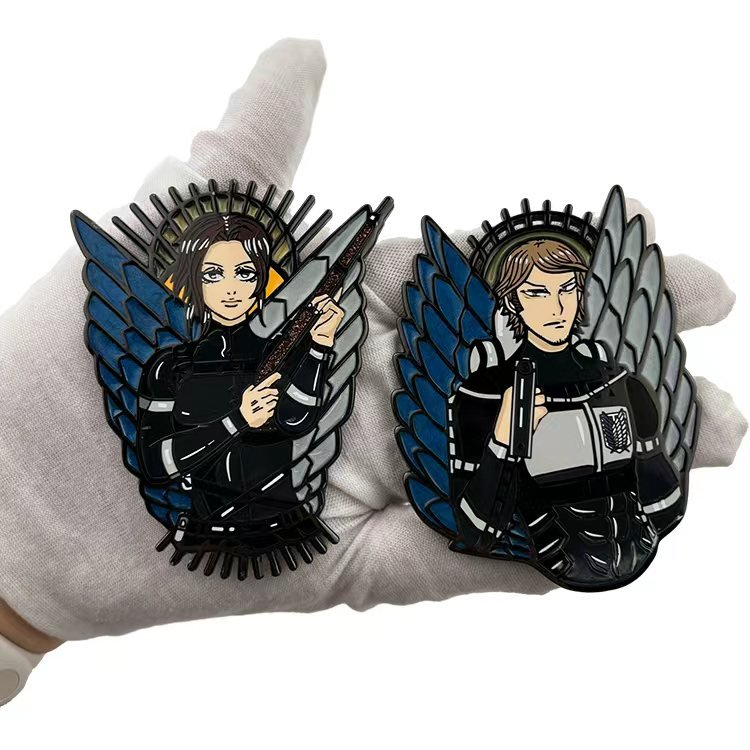
Hard enamel pins are the luxury tier of standard manufacturing. They carry a higher price point but deliver a noticeably elevated product that customers can feel in their hands.
How they’re made: Similar to soft enamel in the stamping process, but here the enamel is overfilled and the pin is fired at a higher temperature. Each color layer is baked separately, then the entire surface is polished flat, creating a finish that’s smooth, glossy, and flush with the metal lines.
What they look like: Unlike soft pins, there are no raised ridges. The surface is completely level, almost like a tiny piece of fine jewelry. Colors appear richer and more saturated.
Best for: Premium brand merchandise, corporate gifts, employee recognition awards, high-end retail. If you’re positioning your pins at a $15–$30+ retail price, this is the right finish.
Trade specs: Higher per-unit cost than soft enamel. Available in smaller sizes with tight detail. Lead time: 12–18 business days.
2.3 Die Struck Pins — Classic and Corporate
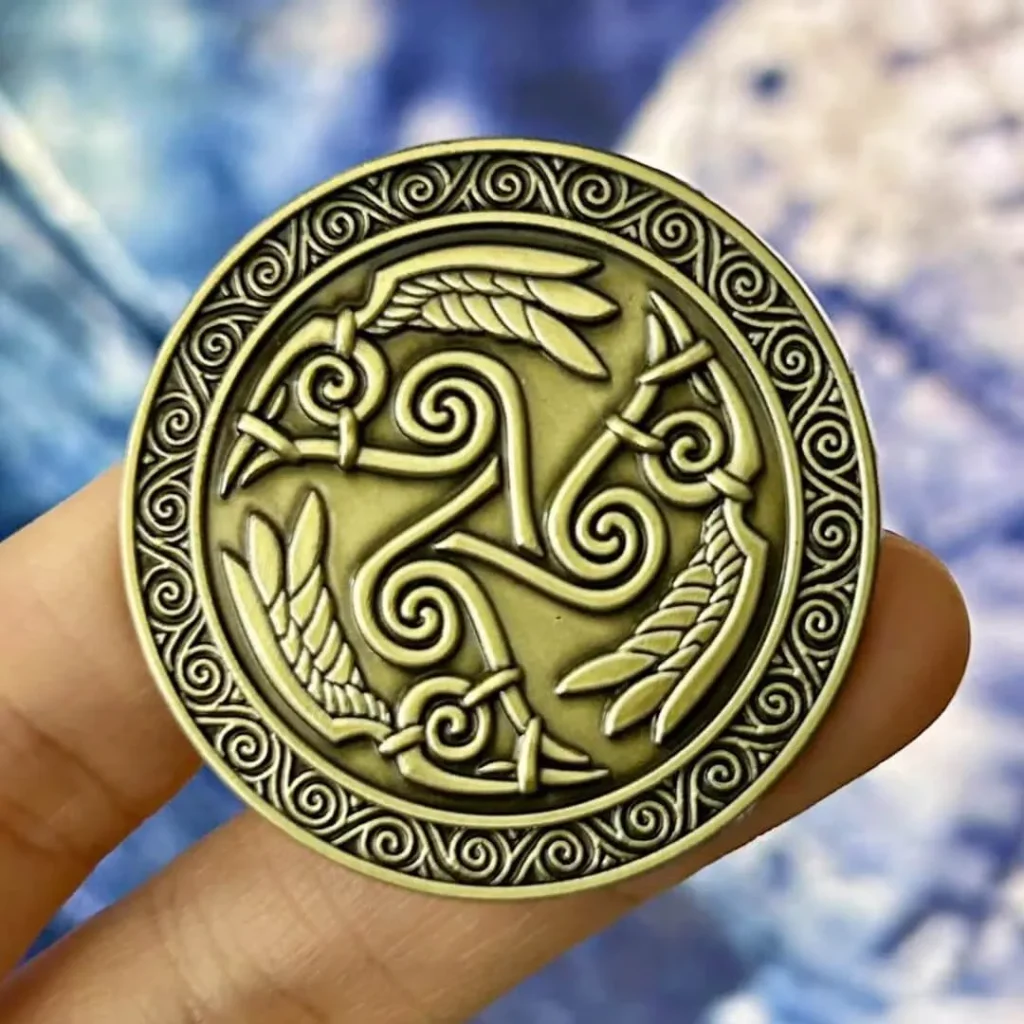
Die struck pins are for when you want something that looks like it means business. These are metal-only pins — no enamel paint, no color fills. Just pure metal, shaped and finished to perfection.
How they’re made: A custom die is pressed into a softer metal (usually brass or copper) at high pressure, creating raised and recessed areas from the design. The recessed areas are often sandblasted for a matte finish, while the raised areas are left polished and shiny — creating a two-tone metallic effect.
What they look like: Think of a classic military medal or a prestigious club badge. Elegant, understated, and timeless. These are decorative pins in the truest sense — they communicate status and tradition without saying a word.
Best for: Years-of-service awards, fraternity and sorority pins, government and institutional clients, universities. Traders supplying corporate or formal markets should always stock this type.
2.4 Offset / Epoxy Printed Pins — Maximum Detail
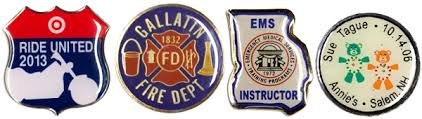
Need to reproduce a photographic image, a fine-line logo, or a design with dozens of colors? This is your pin type.
How they’re made: A flat metal base is cut to your design shape. A full-color image is digitally printed onto a thin laminate sheet using a UV printer, which is then applied to the pin. A clear epoxy dome is poured over the top, protecting the design and giving the pin a smooth, glossy finish.
What they look like: These pins can look almost like a miniature photograph or a sticker under glass. Colors blend seamlessly — there are no metal outlines separating color zones. Great for reproducing complex artwork or pins with words in small font sizes.
Best for: Brands with complex logos, photo-based designs, maps, characters with gradient coloring. Also the fastest production type — ideal for tight deadlines.
2.5 3D / Sculptural Pins — High Perceived Value
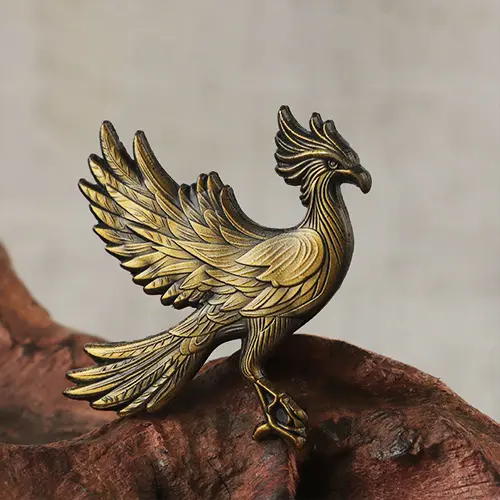
Want your pin to literally stand out? Three-dimensional pins are cast with depth and volume — characters, animals, or objects that pop off the surface with layered relief.
What they look like: More like a miniature figurine than a flat pin. These are genuinely eye-catching decorative pins that photograph well and command premium retail pricing. Perfect for collector communities, pop-up shops, and brand collabs.
Best for: Collector markets, licensed merchandise, comic/anime/gaming brands, premium retail.
2.6 Cloisonné / Imitation Cloisonné Pins — Heirloom Quality
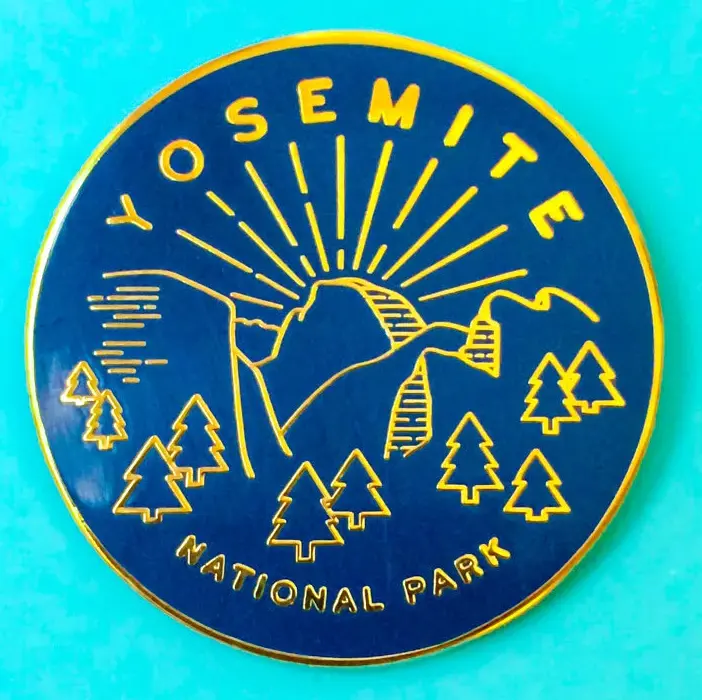
Cloisonné is the original enamel technique, dating back to ancient Egypt. True cloisonné involves firing glass-based enamel at extremely high temperatures — the result is a pin with unmatched color depth and durability.
Imitation cloisonné (also called “Epola”) achieves a similar look at a lower cost and is the standard for most high-end custom orders today.
Best for: Luxury brand merchandise, formal awards, high-ticket corporate gifting. If your retail price point is $30+, this finish elevates the entire product proposition.
Section 3: Backing Types — The Detail That Gets Overlooked
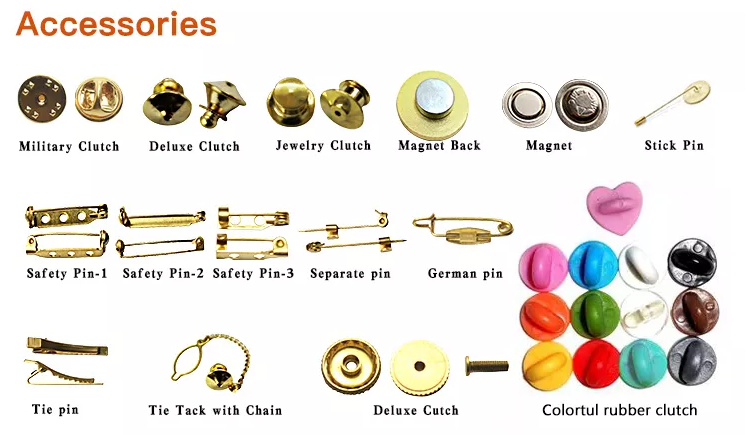
Every pin needs a way to attach to fabric or surface. The backing type affects both functionality and perceived quality — and it matters to your end customer more than you might expect.
Butterfly clutch — The universal standard. A small metal clasp grips the pin post. Cost-effective and widely familiar. Works for most retail and promotional uses.
Rubber / silicone clutch — A softer grip that’s more secure than butterfly for daily wear. Popular in retail packaging and increasingly expected by consumers buying pins for everyday use.
Locking pin back — A screw-on metal clutch that can’t be removed without a tool. Used for military, law enforcement, and high-security corporate environments.
Magnetic backing — No needle, no hole in the fabric. A strong magnet on the front and back clamps through the material. This is the premium choice for fashion-forward retail buyers and luxury brands who don’t want to damage their garments.
Safety pin back — The classic. Traditional for award pins and event use.
When specifying your order, always confirm the backing type. Traders selling into fashion retail should default to rubber clutch or magnetic. Corporate clients usually prefer locking backs.
Section 4: Plating & Finish — Where Brand Positioning Lives
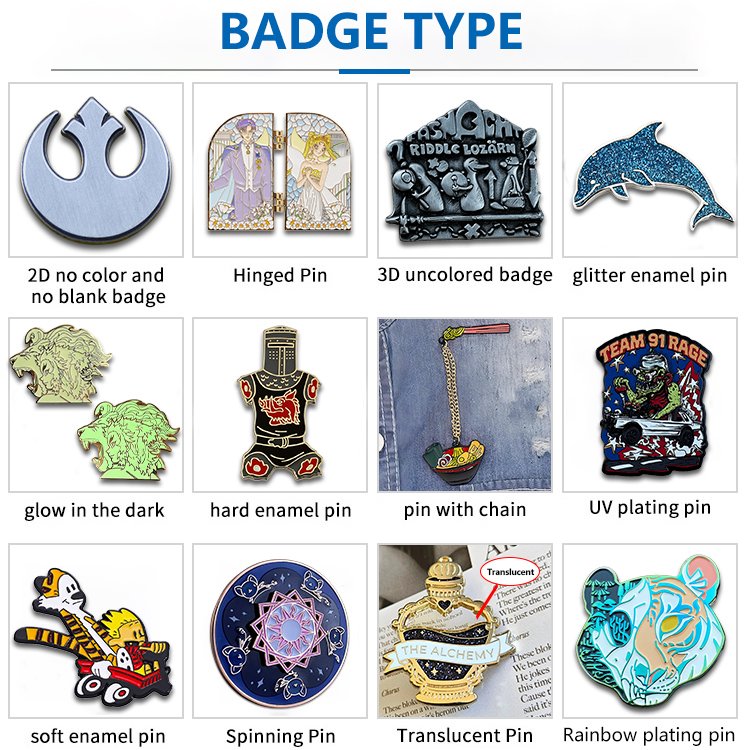
The metal plating is what your customer sees first. It sets the tone for the entire pin before they even register the design.
Standard plating options include gold, silver, black nickel, antique gold, antique silver, rose gold, and copper. Each carries a different emotional cue: gold says prestige; black nickel says modern and edgy; antique brass says heritage and craft.
Beyond color, you can choose between polished (mirror shine), matte, or sandblast finishes. Special effects like glow-in-the-dark enamel, glitter enamel, and translucent fills add novelty and justify higher retail prices — especially useful for e-commerce listings where visual differentiation drives click-through rates.
Section 5: Which Type Should You Order? A Quick Decision Guide
| Your situation | Recommended type |
|---|---|
| First-time retail launch, mid-range price point | Soft enamel |
| Premium brand merch or corporate gifting | Hard enamel or Cloisonné |
| Award / recognition program | Die struck |
| Complex logo, many colors, tight deadline | Offset / epoxy printed |
| Collector or limited-edition product | 3D sculptural |
| No-damage-to-fabric retail requirement | Any type + magnetic backing |
The most common mistake traders and brands make is choosing a pin type based on price alone without accounting for their end customer. A soft enamel pin at $1.80/unit isn’t a bargain if your retail buyer expects a premium product. Match the type to the positioning first, then negotiate on quantity.
Section 6: Sourcing Tips for Traders, Brands & E-Commerce Sellers
When evaluating a custom lapel pin manufacturer, look beyond the price sheet. Key quality checkpoints include metal thickness (1.2mm–1.5mm is standard for quality pins), enamel fill consistency (no air bubbles or uneven surfaces), plating durability (ask about plating thickness in microns), and packaging options that enhance unboxing experience.
Always request a physical sample before committing to a full production run. A reputable supplier will offer samples and provide clear specs on Pantone color matching, size tolerances, and lead times.
At Unique Custom Pins, we work directly with traders, e-commerce brands, and retail buyers to deliver consistent quality at competitive MOQs.
Conclusion
Whether you’re a trader building out a product catalog, a brand creating custom merch, or a retail buyer sourcing for your next season — understanding lapel pin types is the foundation of making smart buying decisions.
To recap: soft enamel for versatility and value, hard enamel for premium positioning, die struck for corporate and institutional clients, offset printed for complex designs and speed, 3D for collector appeal, and cloisonné for luxury gifting. Pair the right type with the right backing and plating, and you have a product that sells itself as a marketing tool for entrepreneurs.
Ready to place your next order? Request a free sample pack or get a custom quote at Unique Custom Pins.
FAQ
What is the most durable type of lapel pin?
Hard enamel and cloisonné pins are the most durable, thanks to their high-temperature firing process and polished surface that resists scratching and fading.
What’s the difference between soft and hard enamel pins?
Soft enamel pins have a textured surface with raised metal edges; hard enamel pins are polished flat and smooth. Hard enamel is generally considered the more premium product.
What lapel pin type is best for retail resale?
Soft enamel is the most popular for retail due to its versatility and price point. 3D sculptural pins perform well in collector and pop-culture retail markets.
How long does it take to manufacture custom lapel pins?
Standard production runs 10–18 business days depending on type. Rush production (7 days) is available for offset printed pins.
What’s the minimum order quantity?
MOQs vary by type, but most manufacturers start at 50–100 pieces per design. Contact us for volume pricing at larger quantities.
Are there lapel pins that won’t damage clothing?
Yes — pins with magnetic backings attach without a needle, making them ideal for premium fabrics, suits, and fashion retail.