







If you sell apparel, accessories, or promotional products, you’ve probably noticed something: belt buckles are one of the most overlooked SKUs in the entire accessories category. They’re small, they’re often an afterthought during product development, and yet they can make or break how a customer perceives your brand the moment they glance down.
For traders, brand owners, e-commerce sellers, and retail buyers, understanding the different types of belt buckles isn’t just a fun bit of trivia — it’s a sourcing decision that affects your unit cost, your production timeline, and how “premium” your final product feels on a shelf (or in a product photo). This guide breaks down the most common buckle styles, walks through the belt buckle components that make them work, and gives you the practical context you need before placing your next order.
Why Belt Buckle Type Matters for Your Business
Before we get into the styles themselves, it’s worth pausing on why this decision deserves more attention than most brands give it.
Cost and tooling investment. Some buckle types require custom molds and tooling, while others can be produced using existing dies — which directly affects your minimum order quantity (MOQ) and per-unit price.
Lead time. A simple stamped design ships faster than an intricate cast piece with multiple finishing steps. If you’re testing a new product line or chasing a seasonal launch, this matters.
Brand positioning. A plain frame buckle whispers “basics.” A custom plaque buckle with your embossed logo shouts “premium private label.” The shape and finish you choose says something about your brand before a customer reads a single word of copy.
Compliance. If you’re shipping to the EU or other regulated markets, nickel content and material safety (RoHS/REACH compliance) can affect which finishes are viable for your production run.
With that context in mind, let’s look at the shapes and mechanisms you’re actually choosing between.
Understand Belt Buckle Shapes and Closures
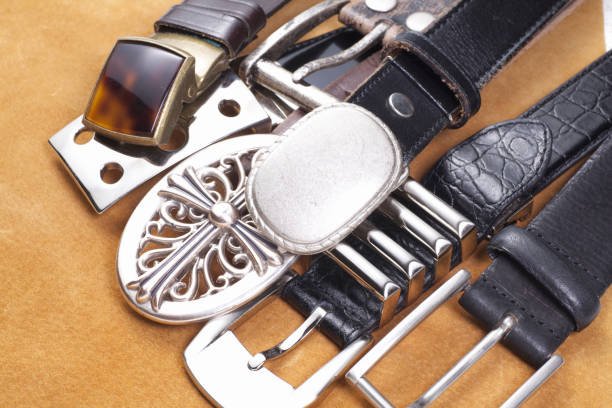
Before diving into individual styles, it helps to separate two related but distinct ideas: belt buckle shapes (the visual silhouette — square, oval, rectangular, shield, plaque) and types of belt closures (the mechanism that actually holds the belt in place — prong, hook, ratchet, magnet, or friction).
A buckle’s shape is largely a design and branding choice. Its closure mechanism, on the other hand, determines how the wearer actually uses the belt day to day — and it has a much bigger impact on manufacturing complexity. Two buckles can look nearly identical from the front and still require completely different production processes because of what’s happening underneath.
Which brings us to a part of the buckle most shoppers never think about, but every sourcing manager should.
Belt Buckle Components: What’s Actually on the Back
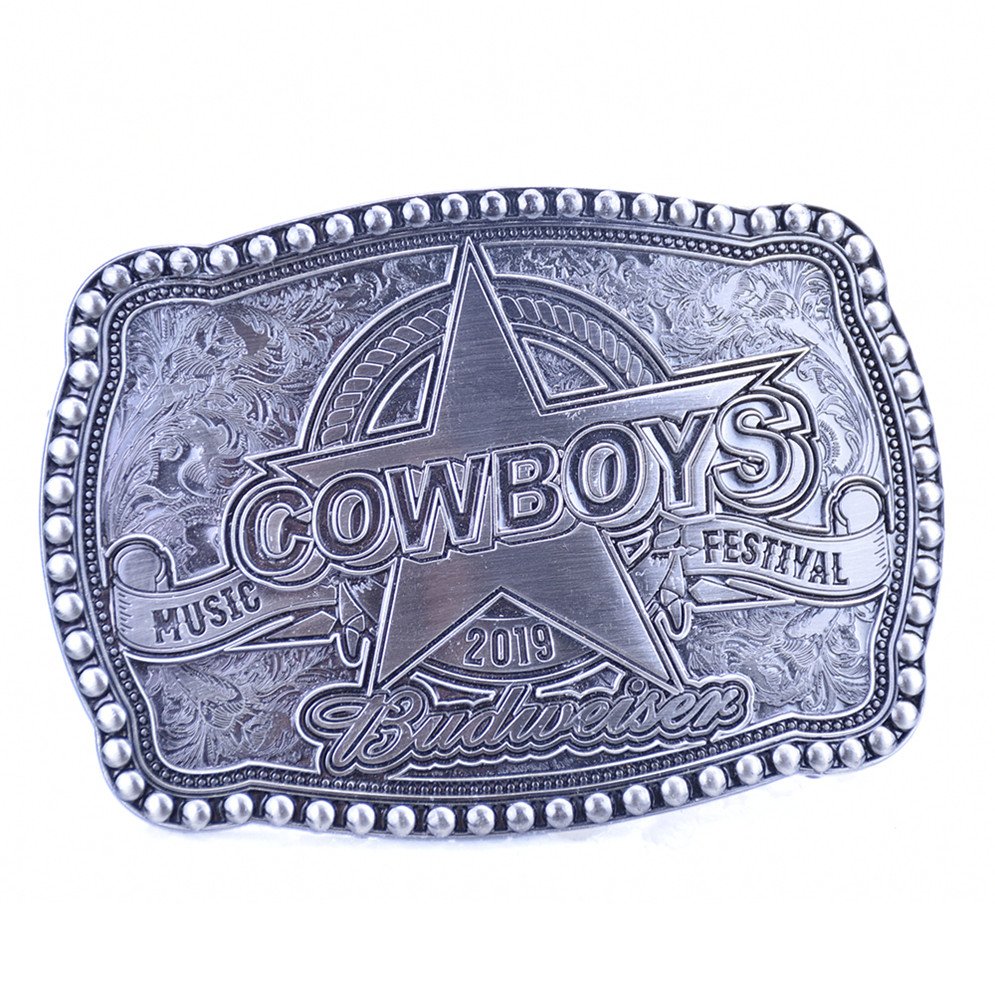
Flip any belt buckle over and you’ll find the real engineering. The back of belt buckle hardware includes a few standard components:
- Loop or bar – the frame that the leather strap wraps around and stitches to
- Prong (or tongue) – the pin that passes through the belt’s holes
- Prong hinge or spring bar – allows the prong to move and hold tension
- Catch or clasp – on hook-style and plaque buckles, this is what grips the strap
- Keeper attachment point – where the separate leather loop (keeper) is fitted, on styles that require one
Why does this matter to a buyer? Because these hidden belt buckle components are exactly where quality problems show up first — weak hinges, thin prongs that bend, or catches that loosen after a few months of use. When you’re vetting a manufacturer, ask to see the back of the sample, not just the front. It tells you far more about durability than the finish does.
9 Common Types of Belt Buckles Explained
Now let’s get into the styles themselves — what they look like, how they work, and where they fit best in a product line.
1. Frame Style Belt Buckle
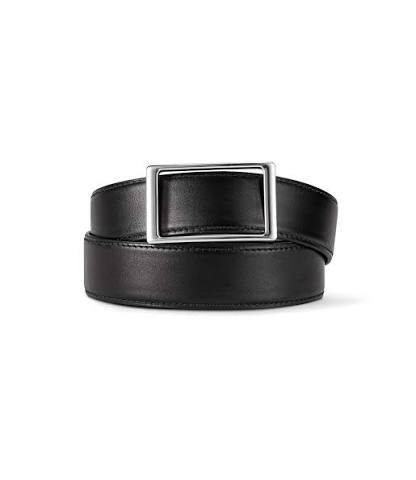
The classic. A frame style belt buckle is essentially an open metal loop with a prong across the middle. The belt threads through the frame and the prong passes through a hole. It’s the most widely produced buckle in the world, which means low tooling costs and fast production — a smart starting point for new brands testing the market.
2. Center Bar Buckle
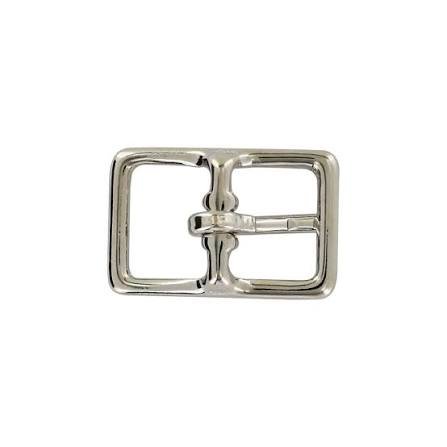
Similar to the frame style, but the prong sits on a bar running through the center of the buckle rather than along one edge. This design lets the belt strap itself do double duty as the “keeper,” eliminating the need for a separate loop.
3. Heel Bar Buckle
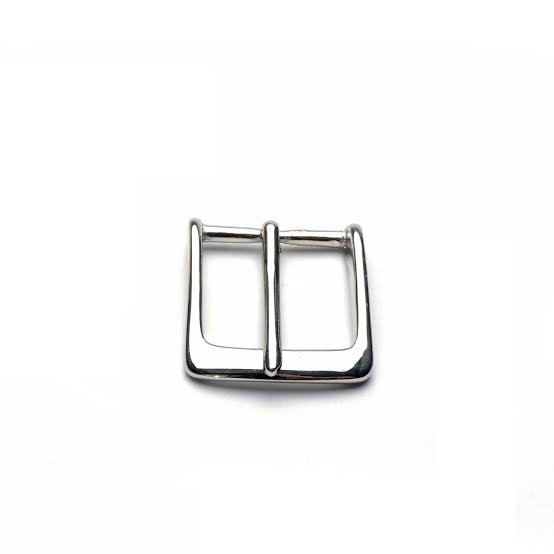
Here, the prong is mounted at one end (the “heel”) rather than the center. Because the strap end isn’t secured by the buckle frame, heel bar styles always require a separate leather keeper loop to hold the tail in place.
4. Roller Buckle
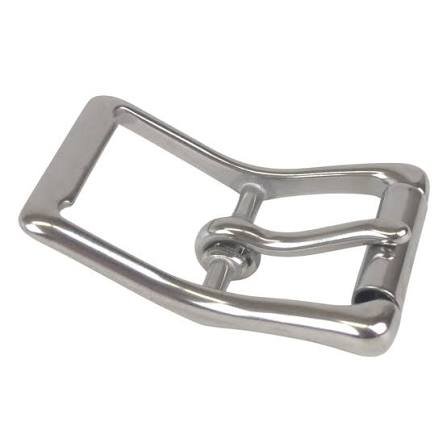
A roller buckle replaces the fixed center bar with a rotating cylinder. As the belt slides through, the roller reduces friction and wear on the leather — a favorite for workwear, denim, and rugged everyday belts.
5. Plate or Plaque Buckle
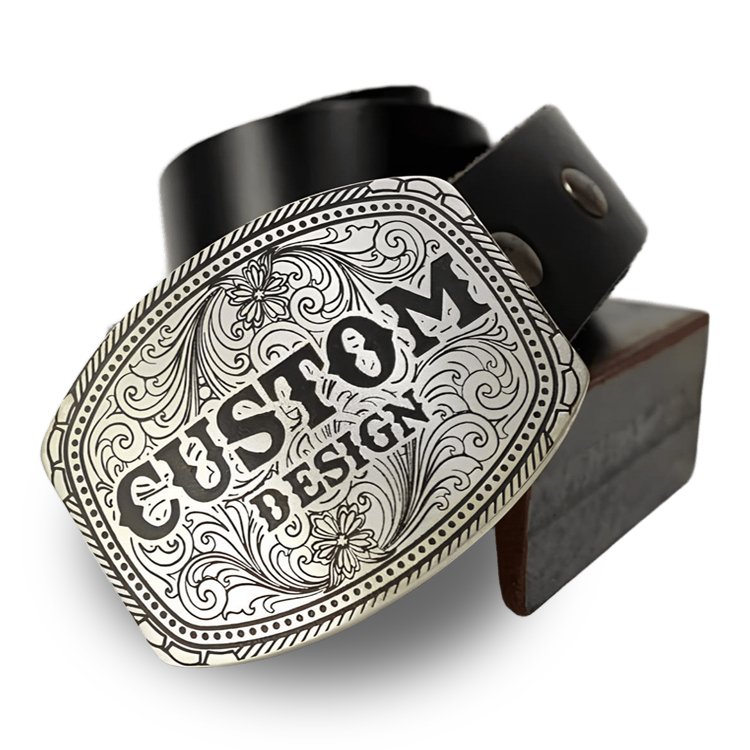
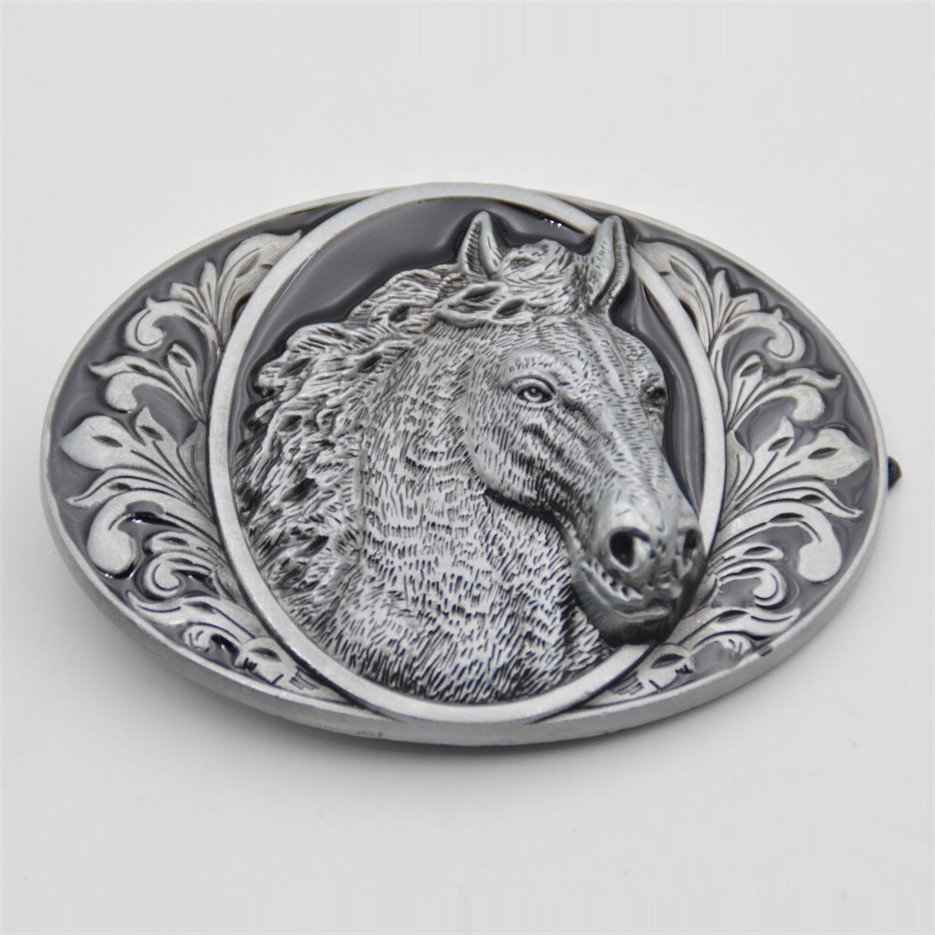
This is the showstopper for branding. A plate buckle is a solid metal face — no visible frame — that hooks onto the strap from behind. Because the entire front surface is open canvas, it’s the go-to choice for custom logos, embossed branding, and western-style designs. If your goal is maximum brand visibility, this is usually the style worth investing in.
6. Ratchet (Automatic) Buckle
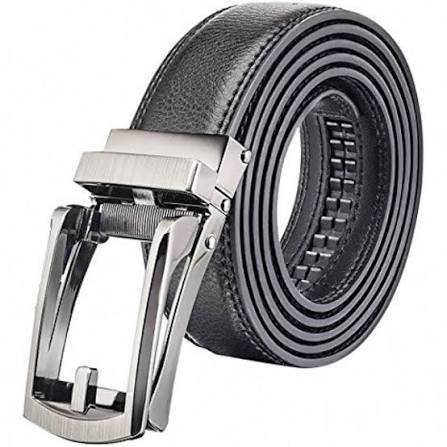
Instead of a prong and holes, a ratchet buckle uses a spring-loaded lever that clicks into a toothed strap for infinitely adjustable, precise sizing. It’s become the fastest-growing category in men’s business and formal belts, and it pairs especially well with private-label programs since the mechanism itself can carry a subtle brand mark.
7. D-Ring / O-Ring Buckle
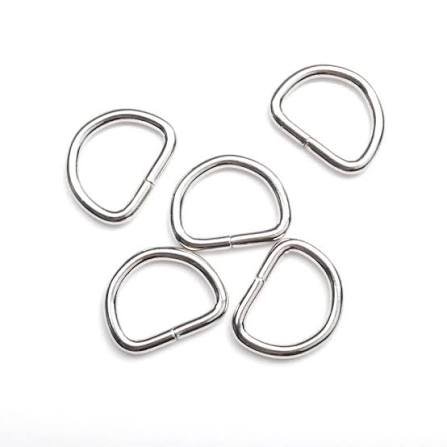
No prong, no hardware to catch — just two metal rings that the strap loops through and cinches with friction. Simple, casual, and inexpensive to produce, making it popular for canvas belts and gift-with-purchase items.
8. Box Frame Buckle
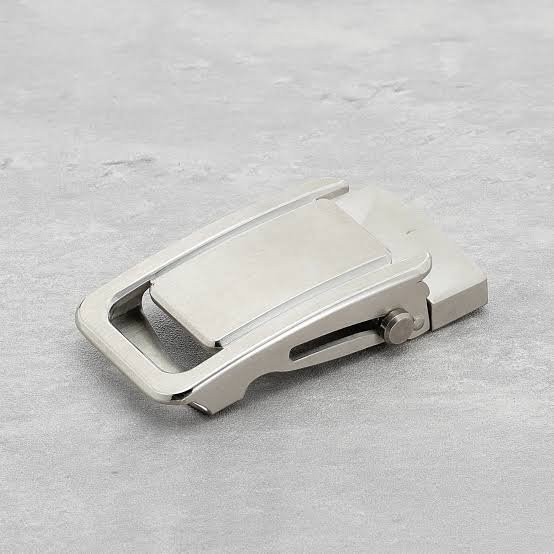
A more structured, enclosed version of the frame buckle, often with an internal clip mechanism. Box frame styles show up frequently in uniform, military, and institutional orders where a clean, uniform look matters across large batch production.
9. Magnetic / Quick-Release Buckle
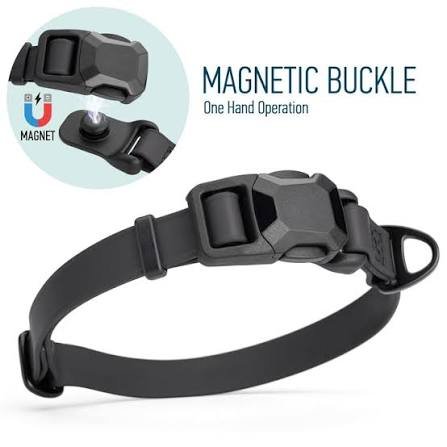
The newest entrant on this list. Instead of any mechanical catch, two magnetized plates snap together. It’s fast, tool-free, and increasingly popular in outdoor and everyday-carry (EDC) product lines — a good option if your brand is chasing innovation-forward positioning.
Materials and Finishes: What Affects Cost and Durability
Once you’ve picked a shape, the belt buckle material and finish decide how it performs — and how much it costs.
Zinc alloy is the industry default for custom buckles: affordable, easy to cast into detailed shapes, and ideal for logo work. Brass offers a warmer tone and slightly higher perceived value, often used in premium or heritage-branded lines. Stainless steel costs more but resists corrosion and wear best, making it the choice for outdoor or high-use products.
On the finishing side, standard electroplating is cost-effective but wears over time, while PVD (physical vapor deposition) coating is significantly harder and more scratch-resistant — worth the upgrade for buckles that will see daily use. Popular finish options for private label brands include antique brass, matte black, brushed gold, and gunmetal — each capable of shifting the same buckle shape into a completely different market positioning.
Choose the Right Buckle for Your Product Line
There’s no single “best” buckle — only the best fit for your product and customer.
- Fashion apparel brands chasing visibility often lean toward plate buckles for maximum logo real estate.
- Workwear and denim lines benefit from roller or center bar buckles built for daily wear and tear.
- Uniform and institutional buyers typically standardize on box frame or frame style buckles for consistency across large orders.
- Business and formal collections are increasingly moving toward ratchet buckles for their clean, adjustable feel.
- Outdoor and gift-focused brands are finding early traction with magnetic buckles as a point of differentiation.
If you’re testing a new line, starting with a frame or D-ring style keeps tooling investment low. If you’re scaling an established brand, a custom plate or ratchet buckle offers more room to build brand identity into the hardware itself.
Sourcing Custom Belt Buckles: What to Look For
Whichever style you choose, a few things separate a smooth production run from a frustrating one:
- No MOQ flexibility — useful for testing new designs before committing to bulk inventory
- In-house 3D prototyping — speeds up sampling and reduces costly revision cycles
- Verified quality systems (ISO 9001, SEDEX, or similar) — a sign of consistent output across large orders
- Material traceability — RoHS/REACH documentation matters if you’re exporting internationally
- Realistic lead times — a well-run factory can typically deliver custom buckles within 7–14 days once the design is finalized
Conclusion
Belt buckles might be small, but the decision behind them isn’t. The shape you choose shapes your brand’s first impression, the closure mechanism shapes your customer’s daily experience, and the components on the back shape how long the product actually lasts. Whether you’re outfitting a workwear line, launching a premium private-label collection, or just adding a distinctive finishing touch to an existing product, understanding these fundamentals puts you in a much stronger position at the negotiating table with any manufacturer.
Ready to turn a concept into a sample? A no-MOQ, free-design quote is often just a quick quote — and it’s the easiest way to see how your chosen buckle style translates from sketch to hardware.