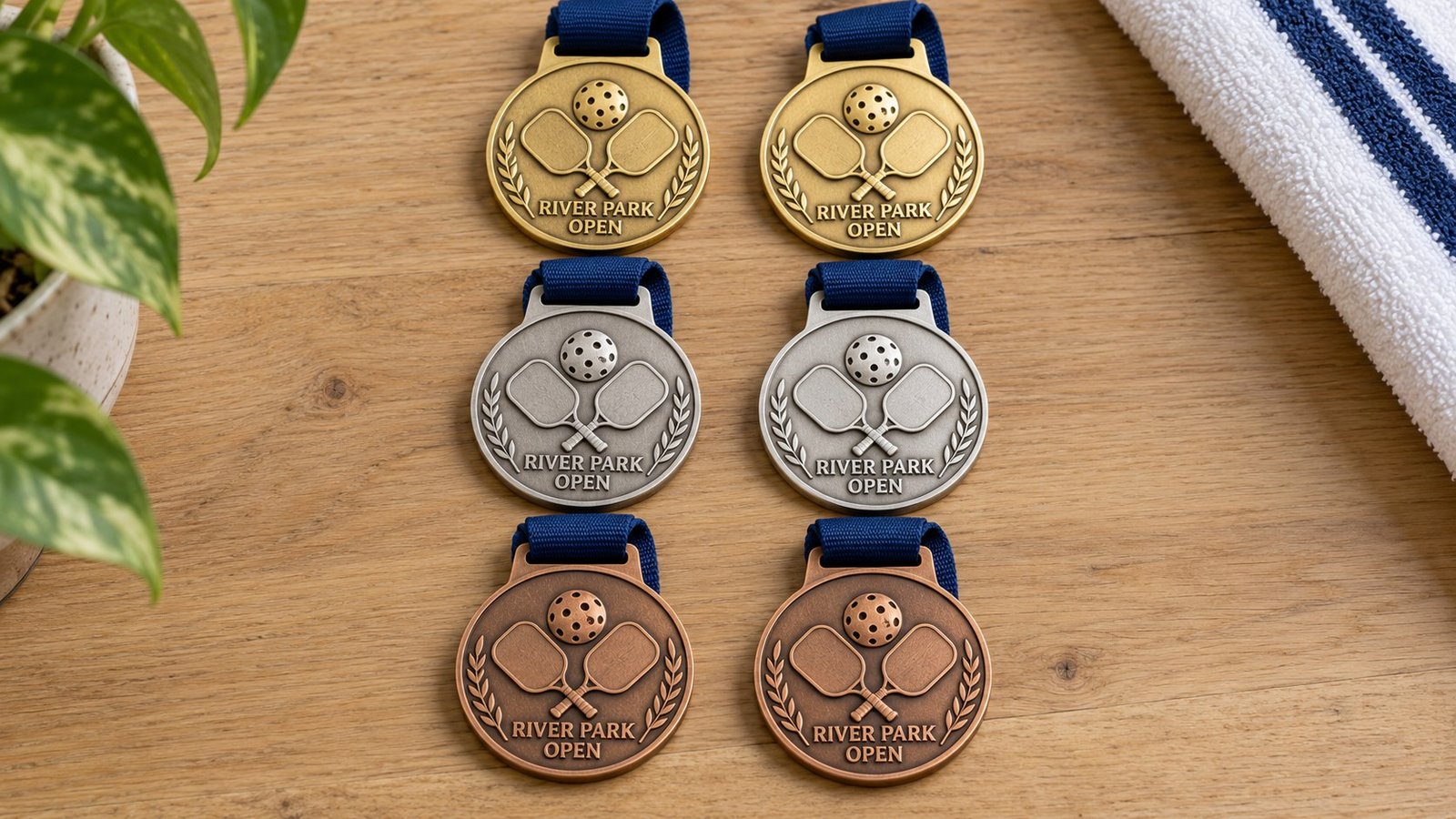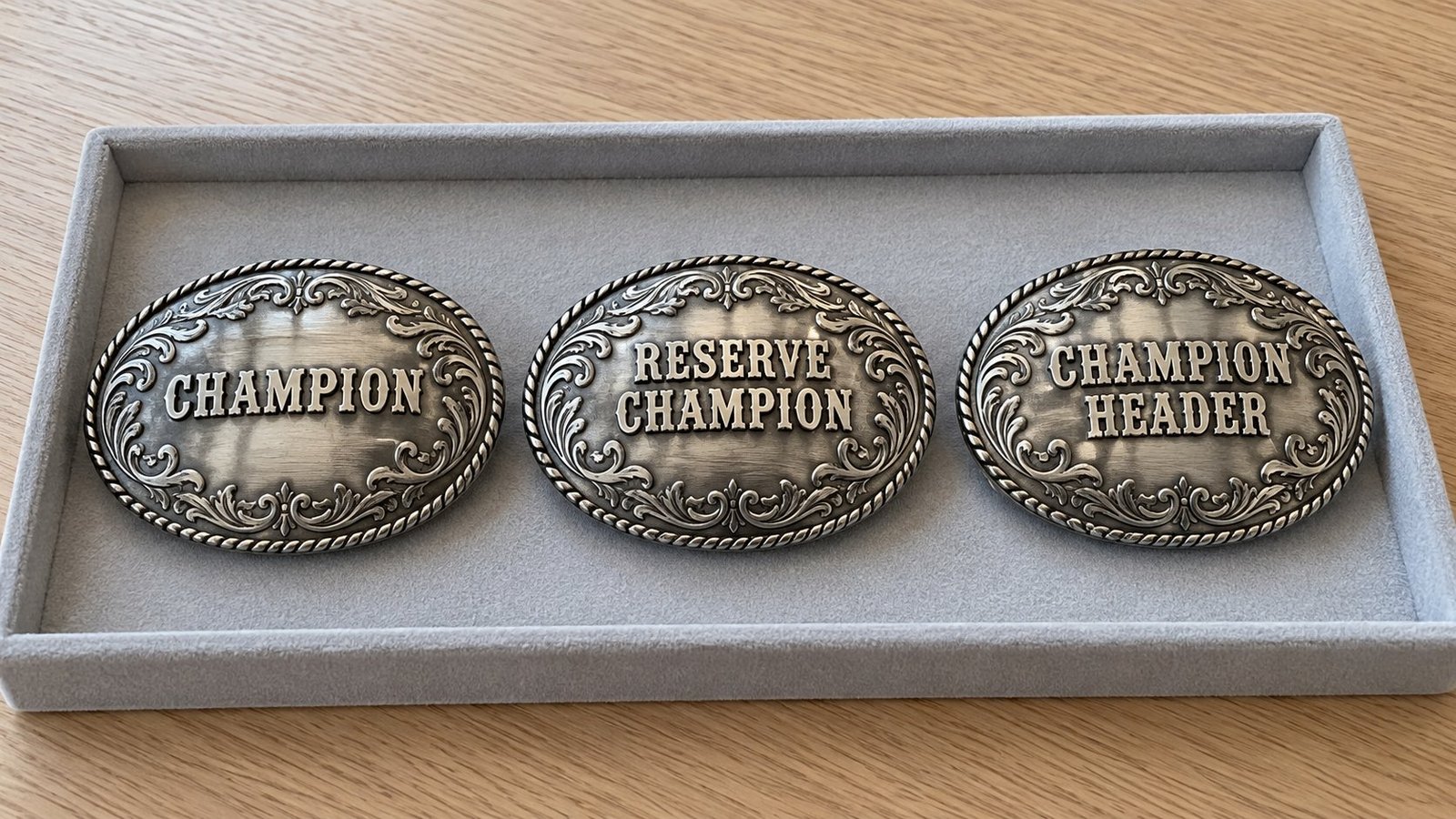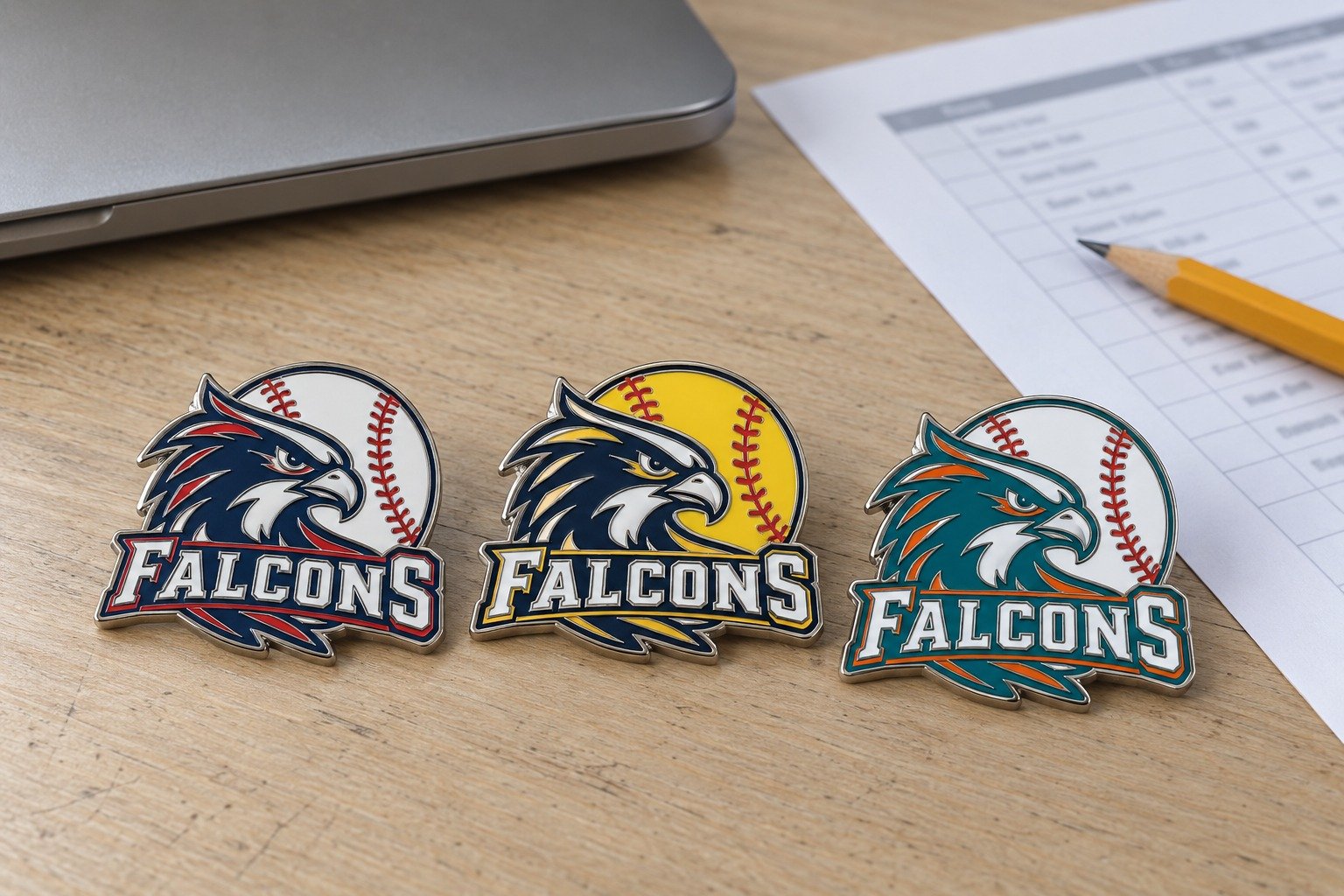









Заказ медалей на заказ, казалось бы, дело довольно простое — выберите форму, добавьте логотип, выберите ленту — и готово. Но если вам когда-нибудь приходилось оформлять оптовый заказ, который пришел с опозданием, по неверной цене или выглядел совершенно не так, как утвержденный вами макет, вы уже знаете, что на деле все редко бывает так просто.
На самом деле большинство проблем возникает не из-за того, что идея была плохой. Они возникают из-за того, что по ходу дела были упущены несколько мелких деталей — и именно эти мелочи и определяют, будет ли процесс поиска поставщиков проходить гладко или обернется дорогостоящими проблемами. Независимо от того, занимаетесь ли вы пополнением ассортимента розничного магазина, созданием линейки продукции под собственной торговой маркой или выполнением заказа клиента, одни и те же несколько ошибок снова и снова становятся камнем преткновения для закупщиков.
Давайте рассмотрим наиболее распространенные из них и то, как полностью их избежать.
Ошибка #1: Выбор завода, не обладающего возможностью производства по заказу (OEM)
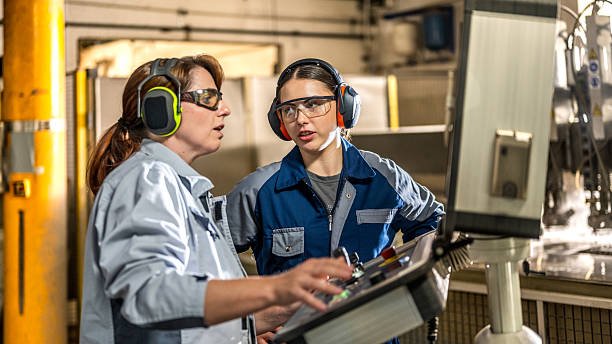
Не каждый поставщик, заявляющий о “возможности индивидуализации”, действительно имеет это в виду. Некоторые могут лишь нанести ваш логотип на уже готовый шаблон — та же форма, та же фигура, всё то же самое, кроме рисунка. Это нормально, если вам нужен всего лишь единичный сувенир. Но это становится проблемой, если вы пытаетесь создать продукт, который будет по-настоящему вашим.
Настоящий производитель медалей на заказ должен уметь изготовить форму с нуля, обеспечить защиту вашего дизайна в рамках соглашения о неразглашении (NDA) и предоставить вам эксклюзивные права, чтобы конкурент не смог заказать точно такую же медаль уже через неделю. Прежде чем заключить договор с поставщиком, спросите напрямую: является ли эта форма эксклюзивной для меня или она попадёт в общий каталог, из которого любой сможет сделать повторный заказ? Могут ли они обеспечить индивидуальное брендирование не только самой медали, но и упаковки?
Ответ на этот вопрос многое говорит о том, с кем вы на самом деле имеете дело. Завод, который затрудняется ответить на эти вопросы, скорее всего, ориентирован на разовые розничные заказы, а не на создание собственной линейки продукции, которой вы сможете реально владеть.
Ошибка #2: Недооценка «Истинная цена»
“Сколько стоят медали на заказ?” — это один из первых вопросов, который задает каждый покупатель, и один из тех, в которых легче всего ошибиться. Указанная цена за единицу в размере $1,20 звучит отлично, пока вы не добавите стоимость изготовления формы, плату за изготовление образцов, упаковку и доставку — и тогда реальная сумма окажется совсем не такой, как вы запланировали.
Решение простое: заранее попросите предоставить полную разбивку затрат, а не только цену за единицу. Надежный поставщик с удовольствием предоставит информацию о цене за единицу, стоимости инструментов/пресс-форм, стоимости образцов, упаковке и условиях доставки (FOB, DDP и т. д.), чтобы вы могли рассчитать фактическую стоимость с учетом доставки до того, как примите окончательное решение. Догадки на этом этапе — вот как незаметно исчезает прибыль.
Ошибка #3: предположение, что для проверки идеи нужно заказать тысячи единиц
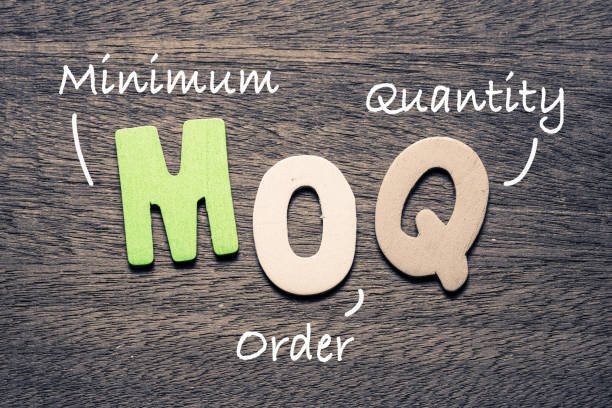
Вот ошибка, которая пресекает многие хорошие идеи ещё до того, как они успевают реализоваться: предположение, что каждый поставщик требует огромного минимального объёма заказа, чтобы просто дать вам возможность начать сотрудничество. Если вы тестируете новый дизайн, запускаете новый артикул или просто не готовы взять на себя обязательства по заполнению склада товаром, высокий минимальный объём заказа может показаться непреодолимым препятствием.
Вместо этого ищите варианты изготовления медалей на заказ без минимального объема заказа. Поставщики, которые позволяют заказать небольшую пробную партию — даже всего несколько штук, — дают вам возможность проверить дизайн, оценить спрос и доработать проект перед запуском в серийное производство. Возможно, первая версия вашей медали не совсем удалась, или вы хотите протестировать два цветовых варианта, прежде чем остановиться на одном. В любом случае, обязательство заказать 1 000 штук полностью лишает вас этой гибкости.
Это гораздо менее рискованный способ вывода нового продукта на рынок, и, честно говоря, он многое говорит о том, насколько поставщик уверен в собственном производственном процессе. Заводы, работающие исключительно с огромными объёмами, зачастую не готовы уделять небольшим заказам столько же внимания — те из них, которые с радостью принимают пробные партии, обычно располагают системами, позволяющими плавно наращивать объёмы производства, когда вы будете готовы к расширению.
Ошибка #4: Отказ от физического образца
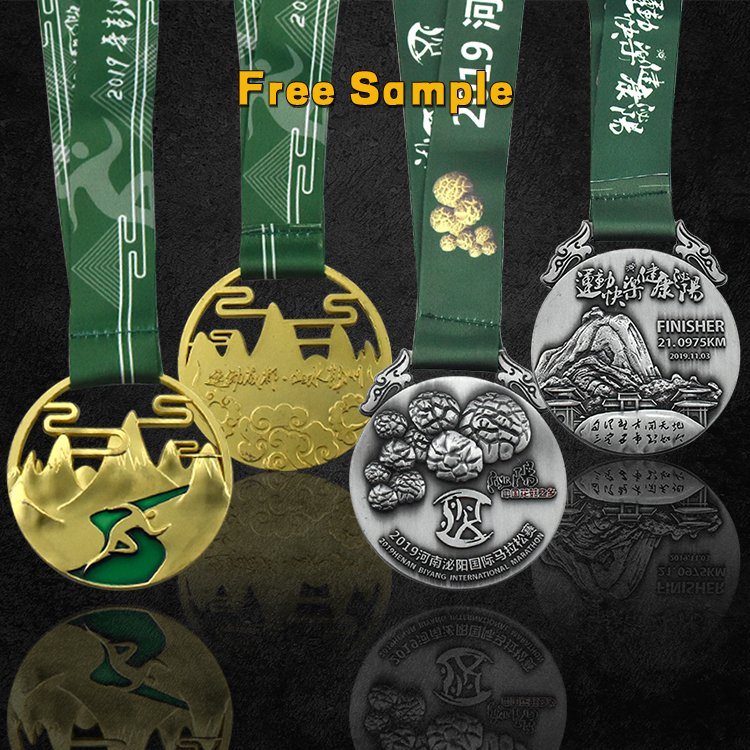
Цифровой макет отлично выглядит на экране. Однако он практически ничего не говорит о реальном весе изделия, блеске покрытия или том, как цвет будет восприниматься вживую. Утверждение дизайна, основываясь исключительно на PDF-файле, и немедленный переход к массовому производству — это один из самых рискованных «кратчайших путей», на которые может пойти заказчик, — и при этом один из самых распространенных.
Перед тем как принять решение об оптовой закупке, всегда запрашивайте физический образец. Это займет немного дополнительного времени на начальном этапе, но станет недорогой страховкой от того, что ваш склад окажется заполненным медалями, не соответствующими вашим представлениям. Если поставщик отказывается предоставить образец, расценивайте это как тревожный сигнал, а не как формальность, которую можно пропустить.
Ошибка #5: Неучет требований к материалам и нормам соответствия
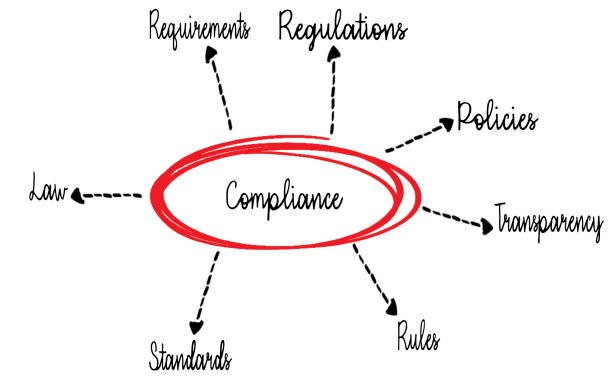
Не все металлы одинаковы, и не на всех рынках действуют одинаковые стандарты. Цинковый сплав, железо и латунь отличаются друг от друга — как по весу, так и по прочности, а также с точки зрения того, смогут ли они пройти таможенный контроль или проверку на соответствие требованиям рынка в вашем целевом регионе.
Прежде чем окончательно утвердить материал, уточните, куда будет поставляться продукт, и обратите внимание на все соответствующие стандарты, такие как RoHS, REACH или ограничения по выделению никеля. Поставщик, имеющий надлежащие сертификаты (ISO 9001, SEDEX и т. п.), должен без проблем предоставить протоколы испытаний. Именно из-за пропуска этого этапа красивая медаль может застрять на границе вместо того, чтобы оказаться на полке.
Ошибка #6: отправка нечетких или низкокачественных изображений
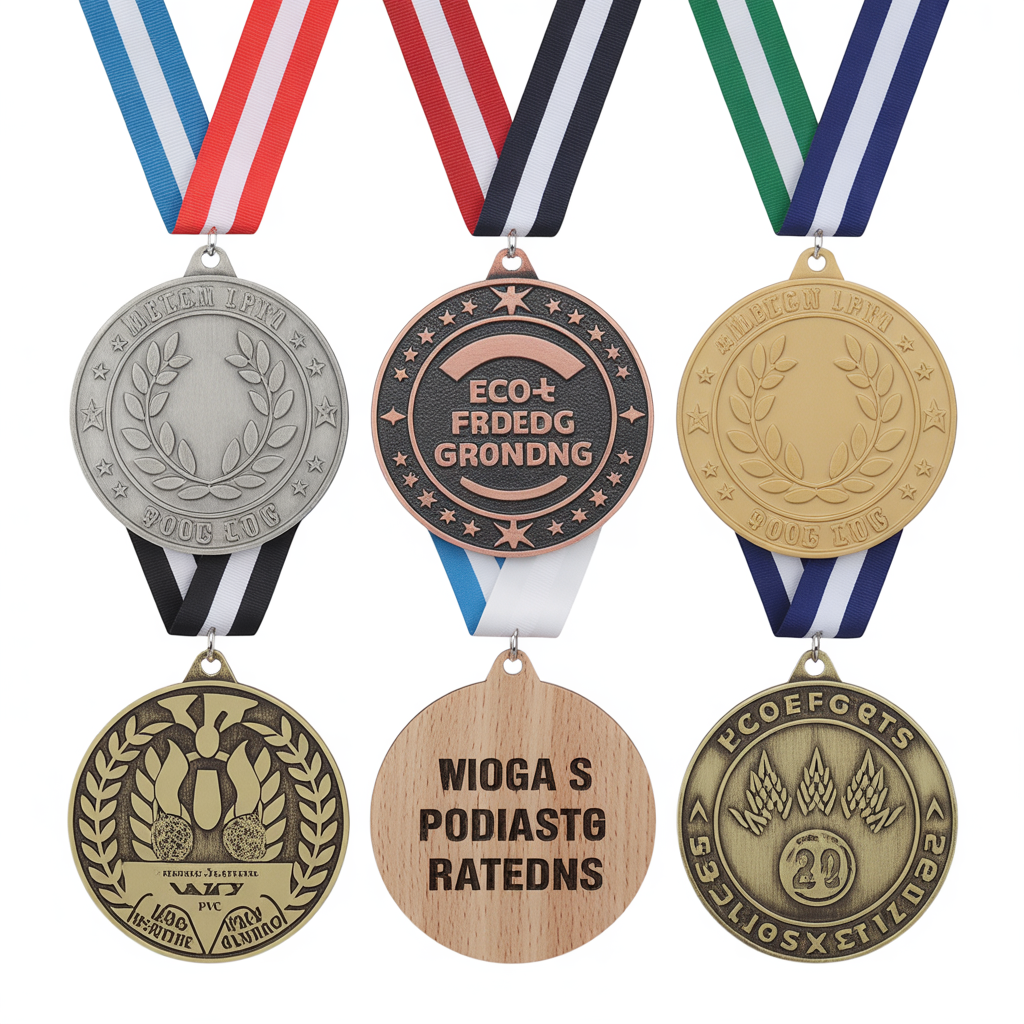
Размытые изображения в формате JPEG, скриншоты скриншотов и инструкции типа “просто сделайте так, чтобы выглядело красиво” — верный рецепт задержки переработки дизайна. Если разработчикам придется гадать, что вы имели в виду, они будут гадать — и обычно их догадки не совпадают с тем, что было у вас в голове.
Пришлите векторные файлы (в форматах AI, PDF или SVG) вместе с точными кодами Pantone и кратким руководством по стилю бренда, если оно у вас есть. Это займет всего десять дополнительных минут, но сэкономит несколько дней на последующих переработках и переписках.
Ошибка #7: Не учитывать готовность упаковки к продаже в розничной сети

Очень легко уделить столько внимания самой медали, что об упаковке вспоминают уже в последнюю очередь. Однако медаль, предназначенная для розничной продажи или размещения на интернет-площадке, требует совершенно иной упаковки, чем та, которая поступает напрямую в коробку дистрибьютора. Блистерные упаковки, фирменные коробки и полиэтиленовые пакеты с местами для штрих-кодов служат разным целям — а смена формата после завершения производства означает необходимость переупаковывать всё с нуля, что влечёт за собой дополнительные расходы.
Решите, как именно будет продаваться продукт, до начала производства, а не после.
Ошибка #8: слишком рискованное решение по срокам
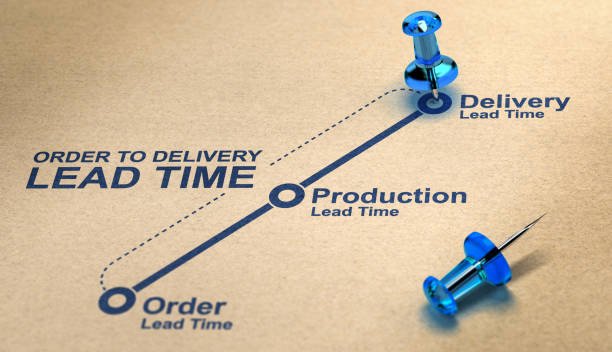
Разработка, изготовление инструментов, производство, контроль качества и международная доставка — все эти этапы занимают реальное время, и редко что проходит точно по плану. Если размещать заказ за неделю или две до даты запуска или пика сезонных продаж, то возможности для ошибок просто не остается, и любая заминка по ходу дела приводит к просрочке сроков.
Рассчитывайте график, отталкиваясь от конечной даты, и предусмотрите запас времени, особенно на таможенное оформление, если вы занимаетесь импортом. Небольшой запас времени сейчас поможет избежать серьезного стресса в будущем.
Ошибка #9: Выбор поставщика исключительно по цене

Самая низкая цена в таблице выглядит заманчиво, но за ней часто скрываются недостатки, которые вы заметите только после получения груза — более тонкое покрытие, нестабильное качество партий или отсутствие контактных лиц, к которым можно обратиться, если что-то пойдет не так. Если вы занимаетесь перепродажей под собственным брендом, нестабильное качество обходится вам не только в денежном выражении, но и в потере доверия со стороны клиентов.
Вместо того чтобы гнаться за самой низкой ценой, рассмотрите ситуацию в целом: сколько этапов контроля качества предусмотрено в их производственном процессе, какие сертификаты у них есть, предлагают ли они предотгрузочный осмотр и имели ли они ранее опыт работы с заказами такого же объема. Попросите предоставить примеры предыдущих работ в вашей отрасли, а ещё лучше — спросите, что происходит, если партия поступает с дефектами: поставщик, который даст чёткий ответ, скорее всего, уже сталкивался с подобной ситуацией и знает, как быстро её исправить.
Немного более высокая цена у надежного партнера в долгосрочной перспективе почти всегда обходится дешевле, если учесть затраты на повторные заказы, возмещение средств или ущерб репутации среди ваших собственных клиентов.
Ошибка #10: Отсутствие четкой системы коммуникации
Разбросанные по электронной почте переписки, несоблюдение часовых поясов и неясные этапы утверждения — вот как небольшие недоразумения превращаются в серьезные задержки, особенно когда вам приходится одновременно управлять несколькими заказами или линейками продукции.
Поставщик, у которого налажен простой и предсказуемый процесс (представление идеи, проверка макета, утверждение, производство, отгрузка) и есть постоянный контактный человек, значительно упрощает процесс постоянных закупок. Если общение выглядит хаотичным ещё до того, как вы успели разместить заказ, стоит приостановиться и пересмотреть своё решение.
Краткий контрольный список перед оформлением заказа
- Поставщик предлагает полноценные возможности по производству продукции по стандартам OEM и под частной торговой маркой с эксклюзивным правом на использование пресс-форм
- Подтверждена полная стоимость с учетом доставки, а не только цена за единицу
- Перед переходом на промышленное производство можно провести небольшие пробные партии
- Перед началом серийного производства проводится утверждение физического образца
- Требования к материалам и соответствию стандартам соответствуют вашему целевому рынку
- Векторная графика и руководство по использованию бренда готовы к отправке
- Формат упаковки соответствует тому, как продукт будет фактически продаваться
- В графике предусмотрен запас времени на доставку и таможенное оформление
- Поставщика выбирают исходя из качества и надёжности, а не только по цене
- Существует четкий процесс взаимодействия от утверждения макета до доставки
Заключение
Большинство типичных ошибок при оформлении заказа медали на заказ Исправить их несложно — для этого нужно просто задать правильные вопросы до начала производства, а не после того, как что-то пошло не так. Небольшая предварительная тщательная проработка вопросов, связанных с затратами, материалами, образцами и коммуникацией, позволяет сэкономить гораздо больше времени (и денег), чем это стоит.
Если вы заказываете медали на заказ и хотите партнёр Если ваша компания в своей повседневной практике учитывает все вышеперечисленные аспекты — гибкие минимальные объемы заказа, прозрачное ценообразование, реальные образцы и прямой процесс от разработки концепции до доставки напрямую с завода — мы с удовольствием поможем воплотить ваш следующий проект в жизнь. Добро пожаловать на свяжитесь с нами чтобы запросить бесплатный расчет стоимости.