If you’ve ever tried sourcing keychains at scale, you already know they’re one of the sneakiest-good product categories out there. Small, cheap to produce, easy to ship, and endlessly customizable — a keychain key holder is basically a walking billboard your customer chooses to carry every day. Try getting that kind of daily brand exposure from a t-shirt. But the moment you start sourcing, one question keeps coming up: leather or metal?
It sounds like a simple style choice, but for anyone ordering in bulk, it’s a real business decision touching margins, shipping costs, and MOQs. This guide skips the “which looks nicer” debate and gets straight into what matters for sourcing: cost, customization, and durability. By the end, you’ll know which material fits your business — and why even a fun novelty piece like a keychain strawberry has its place in the lineup.
Why Keychains Are a High-Value Product Category for Brands & Retailers
Low Cost, High Perceived Value
Keychains occupy a wonderful sweet spot in product economics. Production costs are low, but customers perceive them as thoughtful, premium, or fun — especially when the design, material, or shape stands out. A well-finished leather keychain can retail for 5-10x its production cost, and a novelty piece like a keychain strawberry can sell purely on charm and shareability.
Repeat Exposure — Keychains as “Walking Billboards”
Unlike a flyer that gets tossed or a sticker that fades, a keychain rides along with someone’s keys, bag, or car every single day. For brands, that’s months — sometimes years — of quiet, repeated visibility. It’s one of the most cost-efficient forms of long-term brand impressions you can buy.
Popular Categories Worth Knowing
Keychains show up everywhere in the sourcing world: promotional giveaways at trade shows, retail impulse-buy add-ons near the checkout counter, corporate onboarding gifts, wedding favors, and best-selling niche SKUs on Etsy or Shopify stores (fruit-shaped, animal-shaped, and novelty designs like a keychain strawberry tend to perform especially well online). Knowing where your product fits helps determine which material — and which price point — makes sense.
Leather Keychains
Material Types and Quality Tiers
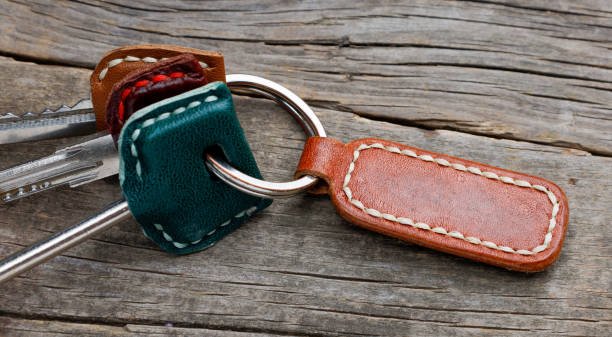
Not all “leather” is created equal, and this matters a lot when you’re comparing supplier quotes. Full-grain and top-grain leather sit at the premium end — durable, develops a nice patina, and commands higher retail prices. Genuine leather (a lower grade, despite the name) is a mid-tier option. PU or faux leather is the budget-friendly choice, good for high-volume promotional runs, but buyers should know it can peel or crack faster, especially in humid or hot climates.
Customization Options for Brands
A key ring leather product is one of the most versatile items you can put your logo on. Options include embossing and debossing (raised or pressed-in logos — a classic, tactile branding method), laser engraving for fine detail, foil stamping for a metallic accent on a matte leather surface, and custom hardware branding on the rings, clips, or rivets themselves.
MOQ & Lead Times
Leather keychains generally have friendlier MOQs than metal, since there’s no mold or tooling required for basic shapes. Many manufacturers can start bulk runs at 100-300 units, with lead times of 2-4 weeks depending on customization complexity.
Cost & Margin Potential
Unit costs for leather keychains typically range from budget PU options at well under a dollar per unit to premium full-grain pieces costing several dollars — giving retailers flexibility to hit multiple price points. Because leather is lightweight, shipping costs stay low too, which helps preserve margin, especially for e-commerce sellers shipping direct-to-consumer.
Pros for B2B Buyers
Leather offers a premium brand feel without a premium price tag, simple and cost-effective customization, and low shipping weight — a real advantage for anyone paying per-kilogram freight rates.
Cons for B2B Buyers
The tradeoffs are real: leather (especially PU) is sensitive to heat and humidity and can crack or peel over time; quality can vary significantly between suppliers, so verifying genuine leather versus synthetic is essential before placing a large order; and leather generally isn’t ideal for outdoor, industrial, or heavy-use products.
Metal Keychains
Material Types and Cost/Durability Tiers
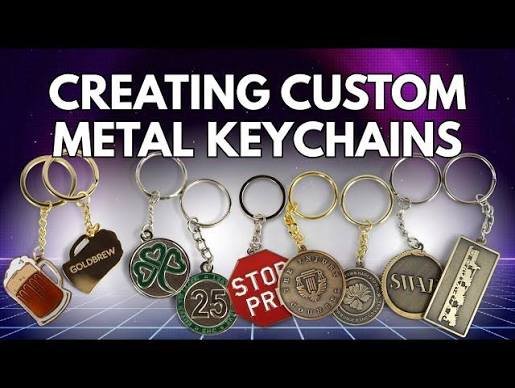
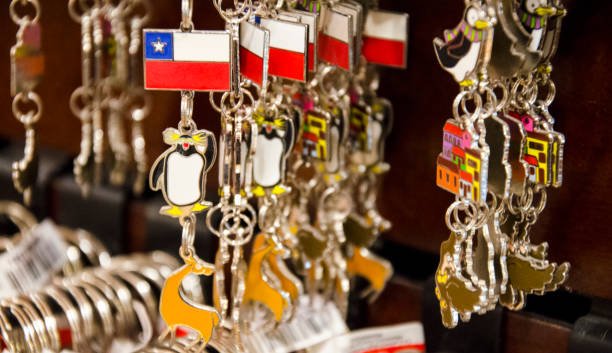
Metal keychains typically come in zinc alloy (the most common and cost-effective for die-struck or die-cast designs), stainless steel (highly durable, resistant to tarnish), aluminum (lightweight yet sturdy), and brass (premium look, often used for higher-end corporate gifts).
Customization Options
Metal opens up a different branding toolkit: die-struck or die-cast designs for 2D/3D logo shapes, laser engraving for crisp text and fine detail, enamel fill for full-color branded logos, and electroplating in gold, nickel, antique bronze, or other finishes to match brand aesthetics.
MOQ & Lead Times
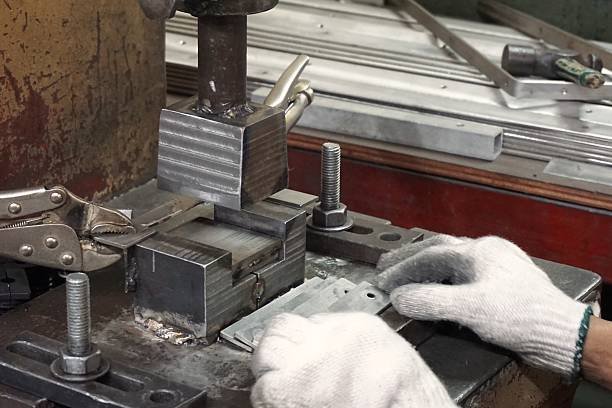
This is where metal differs most from leather. Custom metal designs usually require a mold or tooling investment upfront, which means higher MOQs (often starting around 300-500+ units) and longer lead times — typically 3-5 weeks including mold production. It’s a bigger upfront commitment, but the tooling can be reused for reorders, which lowers the cost per unit on repeat runs.
Cost & Margin Potential
Per-unit costs for metal run higher than leather at the lower end, but the durability means fewer replacements and returns over time — a factor worth weighing into your total cost of ownership, not just the sticker price.
Pros for B2B Buyers
Metal delivers serious durability and a long shelf life, ideal for premium corporate gifting programs. It also allows precise, detailed branding that leather simply can’t match, and reused molds make reorders cheaper and faster.
Cons for B2B Buyers
On the flip side: higher upfront tooling costs can be a barrier for smaller orders, metal is heavier — which adds up fast in shipping costs for large or international orders — and pieces are more prone to visible scratches during transit or packaging if not properly protected.
Leather vs Metal Keychains — Quick Comparison for Buyers
| Factor | Leather Keychains | Metal Keychains |
|---|---|---|
| Unit Cost (bulk) | Lower, budget-friendly | Higher, especially with tooling |
| Customization Precision | Good for logos, embossing | Excellent for fine detail, color fill |
| Branding Method | Emboss, deboss, laser, foil | Die-struck, engrave, enamel, plating |
| Durability/Shelf Life | Moderate, style ages with patina | High, long-lasting |
| Shipping Weight/Cost | Light, cost-efficient | Heavier, higher freight cost |
| MOQ Flexibility | Lower MOQs, faster start | Higher MOQs due to tooling |
| Best Sales Channel | E-commerce, boutique retail, gifting | Corporate gifting, premium retail |
| Climate Sensitivity | Sensitive to heat/humidity | Very low sensitivity |
Which Material Fits Your Business Model?
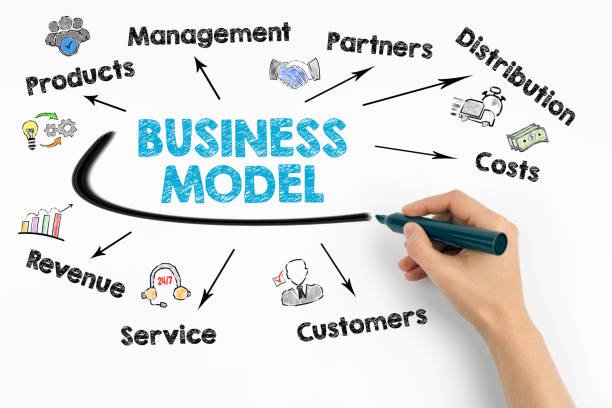
For e-commerce sellers and dropshippers, leather (or leather-look) keychains often win — low unit cost, light shipping weight, and quick turnaround make them ideal for testing new SKUs without a huge upfront commitment. Fun novelty shapes, like a keychain strawberry, also tend to do well in this space thanks to their scroll-stopping, giftable appeal on social platforms.
For corporate and promotional gifting brands, metal usually makes more sense. The durability and premium feel justify the higher price point, and since these orders are often repeat business (think annual client gifts or employee onboarding kits), the reusable mold investment pays off over time.
For retail boutiques and gift shops, a mixed strategy tends to perform best — stock both materials to hit different price points and customer preferences, from budget-friendly leather pieces near the register to metal keepsakes as a higher-ticket option.
For traders and wholesalers, the answer often comes down to reorder frequency and margin stability. Leather offers faster inventory turnover at lower risk; metal offers better long-term margins once tooling costs are absorbed across multiple reorders.
Common Mistakes B2B Buyers Make When Sourcing Keychains
Even experienced buyers stumble here, so it’s worth a quick gut-check before you place your next order. A common mistake is chasing the lowest price without verifying material quality — a cheap keychain key holder that falls apart after two weeks leads to returns, refunds, and a hit to your brand reputation that costs far more than you saved. Another is skipping the sample stage; always request a physical sample before committing to a bulk run, since photos and spec sheets rarely tell the whole story. Buyers also frequently overlook use-case suitability — a keychain destined for outdoor or automotive use needs very different material properties than one meant for a desk drawer gift shop display. And finally, many buyers underestimate customization lead times around peak seasons like Q4 holidays or major trade shows, leaving them scrambling when suppliers hit capacity.
Conclusion
Here’s the honest truth: there’s no universally “better” material — only the one that’s better for your business. If you need low-risk, fast-turnaround, budget-friendly SKUs, a leather keychain (or a fun novelty piece like a keychain strawberry) is probably your best entry point. If you’re building a premium brand experience or a long-term corporate gifting program, metal’s durability and polished finish will likely serve you better in the long run.
Whichever direction you lean, the real key (pun very much intended) is working with a manufacturing partner who understands both materials and can guide you through sampling before you commit to a bulk order. Ready to explore your options? Get in touch with our team for a custom quote, request free samples, or browse our full catalog of leather or metal keychain solutions built specifically for brands, traders, and retail buyers like you.
FAQs
What is the minimum order quantity (MOQ) for custom leather or metal keychains?
Leather keychains typically start at lower MOQs (100-300 units) since no tooling is required. Metal keychains generally need higher MOQs (300-500+ units) to offset mold and tooling costs.
Which material offers better profit margins for retail resale?
Leather generally offers better margins on lower-priced impulse-buy items due to low production and shipping costs. Metal can offer strong margins on premium or corporate gifting lines, especially on repeat orders once tooling is paid off.
Can I mix leather and metal in one custom keychain design?
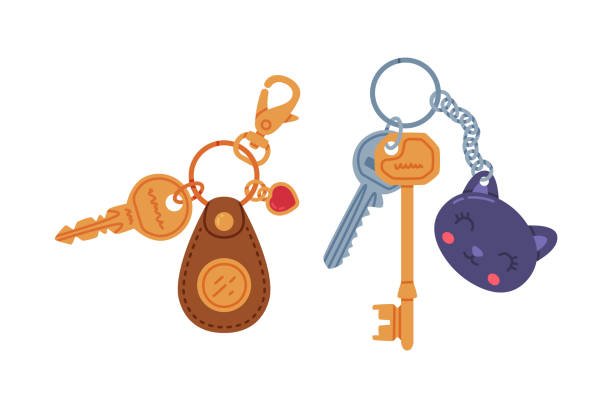
Absolutely — hybrid designs (like a metal-framed leather tag, or a leather strap with a metal charm) are increasingly popular and let you combine the warmth of leather with the durability of metal.
How long does bulk custom keychain production typically take?
Leather runs usually take 2-4 weeks; metal runs with custom tooling typically take 3-5 weeks. Reorders on existing molds or designs are much faster.
Is metal or leather better for corporate gifting programs?
Metal tends to be preferred for its durability and premium perception, though leather is a strong (and more budget-friendly) alternative for warmer, more personal branding.
What’s the cost difference between leather and metal keychains at scale?
Leather is generally more cost-effective at scale due to lower material and shipping costs. Metal costs more upfront (largely due to tooling) but can offer better unit economics on repeat orders.