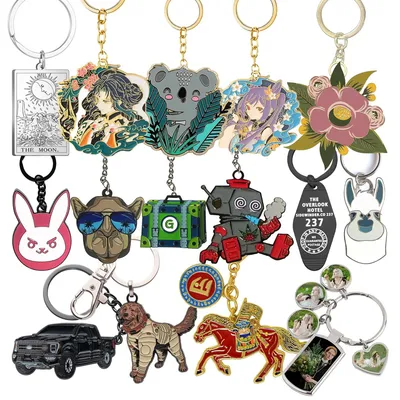
Here’s a fun fact: one of the most profitable small products you can sell right now is roughly the size of a coin and weighs almost nothing. We’re talking about enamel pins — and the global market for them has already surpassed $500 million, with no signs of slowing down.
Whether you’re a trader looking to diversify your catalog, a brand exploring new promotional merchandise, an e-commerce seller scouting high-margin SKUs, or a retail buyer trying to identify the next bestseller — enamel pins deserve a serious spot on your radar.
In this guide, we break down the real numbers, the market dynamics, and the proven strategies you need to decide whether enamel pins belong in your business. Spoiler: for most sellers, the answer is a clear yes.
The Enamel Pin Market in 2026: Still Growing, Still Profitable
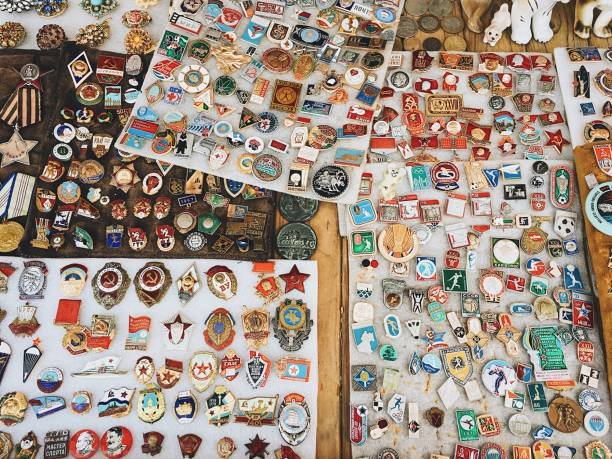
Enamel pins are no longer just accessories — they have become a cultural phenomenon. From limited-edition collector sets to corporate swag bags, the use cases are remarkably broad.
Here’s what’s driving demand right now:
- Pop culture & fandom communities: Collectors hunt for everything from a Lego enamel pin inspired by iconic brick sets to a beloved Undertale pin featuring fan-favorite characters like Sans or Papyrus. Gaming and animation fandoms are among the most loyal and highest-spending buyer segments in the entire collectibles market.
- Fashion & self-expression: Millennials and Gen Z are using pins to signal identity, values, and personality. Rebellious pins — bold, counter-cultural, and unapologetic — have exploded in popularity across streetwear and alternative fashion communities. A striking clown enamel pin, for example, might sound niche, but within horror, circus, and alt-fashion aesthetics, designs like these consistently sell out.
- Corporate branding & promotional use: Companies like Google, Starbucks, Apple, and Disney actively distribute custom pins at events, as employee recognition awards, and as limited-edition brand collectibles. Corporate orders represent 20–30% of total industry revenue.
- E-commerce growth: Etsy alone sees over 5 million monthly searches for “enamel pins.” Top Etsy shops generate $5,000 to $20,000 per month selling pins for sale across dozens of themed collections.
The diversity of the market is exactly what makes it so attractive: there is no single type of buyer, which means there is room for every type of seller.
What Are the Profit Margins on Enamel Pins?
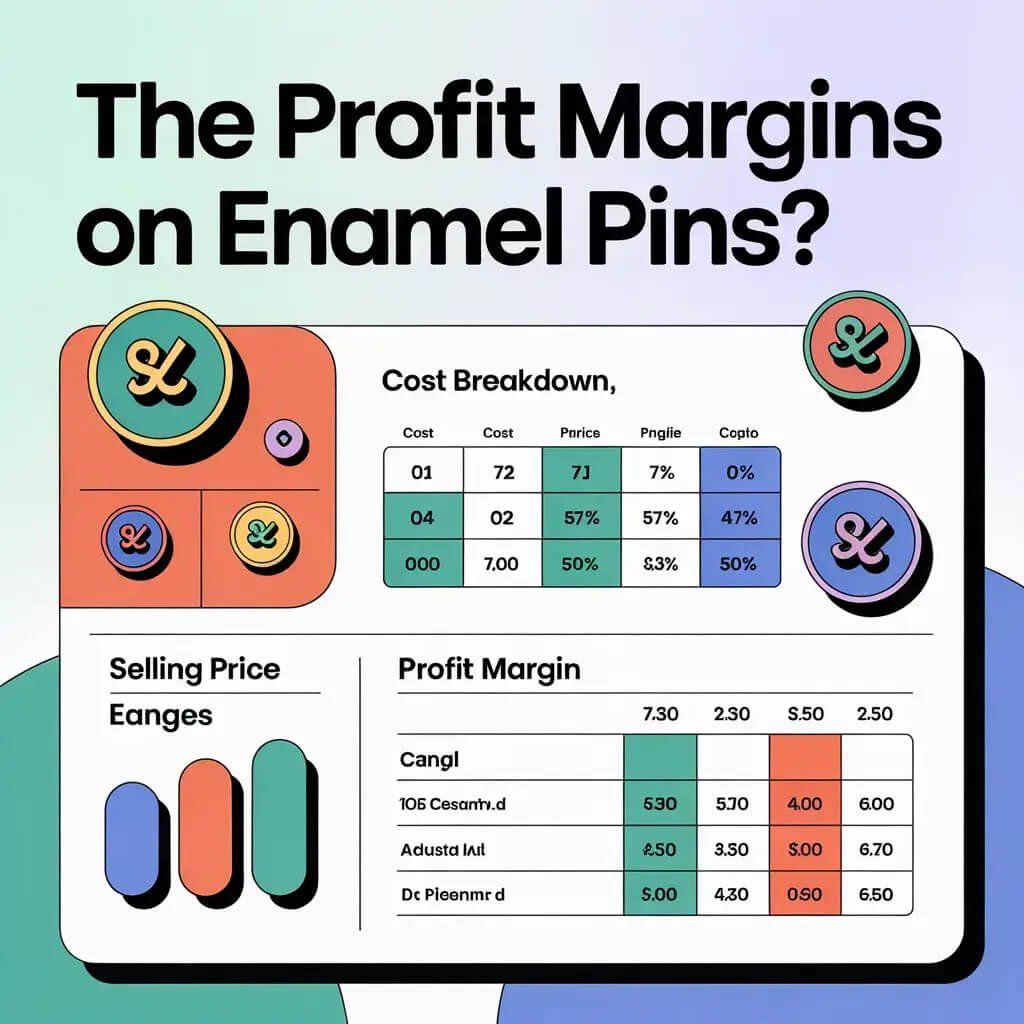
Let’s get to the numbers — because that’s what serious sellers care about most.
Cost Breakdown
Manufacturing enamel pins at volume is surprisingly affordable. When you order in bulk (300 units or more), the per-unit production cost typically falls between $1.50 and $3.00, depending on size, complexity, and finish type (soft vs. hard enamel). Additional costs to factor in:
- Backing cards and packaging: $0.10–$0.30 per unit
- Platform fees (Etsy, Shopify, Amazon): 5–15% of revenue
- Shipping and fulfillment: variable, but lightweight pins keep costs low
Selling Price Ranges
- Standard retail (Etsy, own website): $8–$20 per pin
- Premium or limited-edition designs: $20–$40+
- Wholesale to retail buyers: typically $3–$7 per unit at volume
Profit Margin Example
The table below illustrates how the numbers can work across different selling scenarios:
| Selling Scenario | Cost/Unit | Sell Price | Gross Margin |
| Standard retail (Etsy/Shopify) | $2.50 | $12.00 | ~79% |
| Limited edition / premium | $3.50 | $25.00 | ~86% |
| Wholesale to retail buyers | $2.00 | $6.00 | ~67% |
| Brand/corporate bulk order | $1.80 | $5.50 | ~67% |
Real-world sellers back this up. Individual sellers using Etsy as their primary channel report average monthly earnings of $1,200–$1,500 as a side business. Dedicated pin shops that have scaled with social media reach far higher figures. With the right niche and consistent execution, enamel pins can become a full-time income source.
Is the Enamel Pin Business Right for You?
Not every product works for every business model. Here’s how enamel pins fit different buyer and seller profiles:
For Traders & Wholesalers
Enamel pins are lightweight, easy to store, and ship cheaply — making them ideal for high-turnover inventory. Low minimum order quantities (MOQs) mean you can test new designs without heavy financial commitment, and the variety of styles (from cute character pins to rebellious pins with attitude) lets you serve a wide range of downstream buyers.
For Brands & Corporations
Custom pins are one of the most cost-effective branded merchandise tools available. Whether you’re distributing them at a product launch, using them as employee milestones, or packaging them as event swag, pins get worn — and worn items generate visibility. Unlike a branded pen that ends up in a drawer, a beautifully designed custom pin ends up on a jacket, a bag, or a display board, in front of real people.
For E-commerce Sellers
High margins, low storage costs, strong repeat purchase behavior, and a passionate collector community make enamel pins one of the more attractive product categories in e-commerce. You can test small batches before scaling, and social media virality (especially on TikTok and Instagram) can turn a single great design into a sellout overnight.
For Retail Buyers
Enamel pins are a natural impulse-buy item. Their low price point reduces buyer hesitation, their visual appeal drives grab-and-go purchases, and the collectible nature encourages repeat visits. They work well as a standalone category or as a complement to apparel, stationery, or gift shop inventory.
How to Maximize Profit Selling Enamel Pins

1. Choose a Profitable Niche
The biggest mistake new pin sellers make is going too broad. The most successful sellers own a specific lane. Use Google Trends and Etsy search data to identify categories with high demand and manageable competition. Pop culture, gaming (think Undertale pin collections for JRPG fans), anime, pets, travel, and social causes all have dedicated buyer bases willing to pay premium prices for designs that speak to their identity.
2. Order Smart to Protect Your Margins
Each pin production run carries fixed costs regardless of quantity. By ordering 300 or more units, you spread those fixed costs over a larger base and dramatically reduce your per-unit price. Simplifying design complexity (fewer colors, standard sizing) also lowers production costs without sacrificing visual appeal.
3. Price for Value, Not Just Cost
Don’t anchor your pricing purely to your production cost. Pins in niche communities carry high perceived value. A well-executed clown enamel pin in a horror collector series or a premium hard-enamel Lego enamel pin targeted at adult toy collectors can command $20–$40 because the audience values the design and the rarity — not just the object.
4. Build a Multi-Channel Sales Strategy
Diversify where you sell. Use Etsy for organic discovery, Shopify or your own website for brand control and better margins, Amazon for volume, and social media for community building and launch momentum. Having multiple active channels with pins for sale means you’re never dependent on a single algorithm.
5. Leverage Social Proof
90% of online shoppers check reviews before buying, and products with 5-star ratings convert up to 270% better than unreviewed items. Prioritize getting early reviews, respond to customer photos, and build a visible track record of quality.
6. Create Scarcity with Limited Editions
Limited runs drive urgency. When buyers know only 100 units of a design exist, the purchase decision accelerates. Limited editions also let you test new designs at higher price points with minimal inventory risk — if they sell out fast, you know what to restock.
Challenges in the Enamel Pin Business (And How to Handle Them)

No business opportunity is without its hurdles. Here’s what to watch for — and how to stay ahead:
- High competition: The enamel pin market is crowded. The solution is differentiation through design quality and niche focus. Rebellious pins that challenge convention, ultra-specific fandom designs like a detailed Undertale pin set, or branded corporate series all stand out far better than generic “cute animals” collections.
- Upfront production costs: Initial tooling and setup fees can feel steep for new sellers. Mitigate this risk by using pre-orders or crowdfunding campaigns to validate demand before committing to production.
- Inventory risk: Ordering too much of a design that doesn’t sell hurts margins. Start conservative, use data to identify winners, and scale only what’s proven.
- Shipping complexity: International shipping adds cost and customs variability. Work with a manufacturer who has experience in export logistics, or use a fulfillment partner familiar with your target markets.
The Hidden Profit Factor: Your Manufacturer Matters More Than You Think

Most sellers focus on design and marketing — and those matter. But your choice of manufacturer directly affects your margins, your product quality, and your ability to scale.
Here’s what to look for in an enamel pin supplier:
- Flexible MOQ: Low or no minimum orders let you test new designs without financial risk
- Consistent quality control: One bad batch can generate negative reviews that hurt long-term sales
- Free design support: Reduces your pre-production costs significantly
- Competitive wholesale pricing: Even a $0.50 reduction in per-unit cost at scale translates to thousands of dollars in additional profit
- Fast turnaround times: Better inventory management and quicker response to trending designs
At Unique, we work directly with traders, brands, e-commerce sellers, and retail buyers to deliver high-quality custom enamel pins at competitive wholesale prices — with no minimum order requirement to get started. From a single Lego enamel pin prototype to a 10,000-unit corporate order, we’re built to scale with you.
Is Selling Enamel Pins Profitable?
Absolutely — and the data backs it up. High gross margins (often 70–85%), a growing and passionate global buyer base, low storage and shipping costs, and versatile applications across retail, e-commerce, and corporate channels all point in the same direction: enamel pins are one of the most accessible and genuinely profitable small-product businesses available today.
The sellers who win are those who combine smart niche selection with quality sourcing, multi-channel distribution, and consistent marketing. Whether you’re launching a collection of rebellious pins for the streetwear crowd, building out an Undertale pin series for gaming fans, or supplying branded corporate pins to enterprise clients — the fundamentals are the same: great design, smart pricing, and a reliable manufacturing partner.
The market is wide open. The margins are real. The only question is: what design will you launch first?
Ready to turn your pin ideas into profit? Get a free custom quote from Unique Custom Pins today.
Visit Unique Custom Pins to explore our catalog and request wholesale pricing.
Frequently Asked Questions
How much profit can you make selling enamel pins?
Individual sellers commonly earn $1,200–$1,500 per month as a side business. Established Etsy shops and branded pin businesses can reach $5,000–$20,000 per month depending on volume, niche, and marketing investment.
What is a good profit margin for enamel pins?
Gross margins of 70–85% are achievable at retail price points. Wholesale margins are lower (typically 60–70%) but are compensated by volume. Limited-edition releases can push margins even higher due to premium pricing.
How many enamel pins do I need to order to make a profit?
Orders of 300 units or more are generally recommended to minimize per-unit production costs and tooling fees. Smaller test batches are available but will carry higher per-unit costs.
What’s the best platform to sell enamel pins?
Etsy is the top platform for organic discovery, particularly for niche and collectible designs. Shopify is ideal for building a brand with better margin control. Amazon works well for volume. Having multiple active channels with pins for sale simultaneously provides the most stability.
Are enamel pins still in demand in 2026?
Yes. The enamel pin market continues to grow, driven by pop culture fandoms, corporate promotional demand, and the ongoing trend of personal expression through fashion accessories. Search volume and sales data from major platforms consistently confirm strong and growing buyer interest.