Enamel pins have been having a serious moment — and that moment shows no signs of slowing down. From brand merchandise to pop culture collectibles, these small-but-mighty accessories have carved out a thriving market across Etsy, Amazon, TikTok Shop, and countless boutique retail shelves. The global collectibles market is booming, and enamel pins sit right at the sweet spot of affordable luxury and personal expression.
But here’s the truth: most sellers don’t fail because of bad designs. They fail because of bad strategy. Whether you’re a brand looking to launch a merchandise line, a trader sourcing wholesale, or a retailer expanding your product range, this guide gives you a clear, step-by-step playbook to sell enamel pins successfully — and profitably.
Why Enamel Pins Are a Smart Product to Sell Right Now
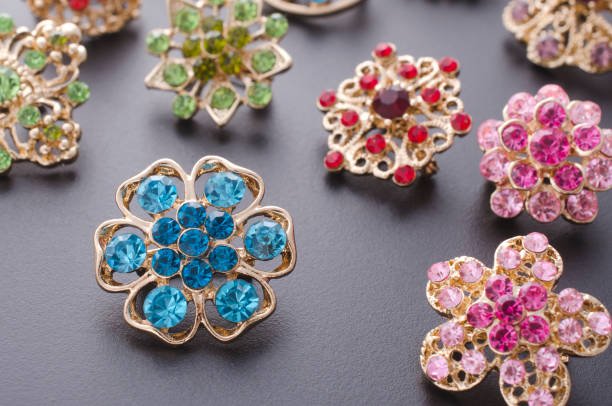
Let’s start with the business case. Enamel pins offer something rare in physical retail: a low unit cost paired with a high perceived value. Standard retail prices run $10–$15 per pin, while premium or limited-edition designs can command $20–$30 or more. Yet the cost to produce them — especially at bulk quantities — can be remarkably low.
Add to that their lightweight nature (cheap to ship globally), near-zero storage requirements, and strong repeat-buy behavior among collectors, and you have a product category that works across virtually every sales model — wholesale, DTC, B2B, and marketplace.
The market is equally diverse. Collecting enamel pins has grown from a niche hobby into a mainstream passion. Communities on Reddit, Instagram, and TikTok celebrate pin hauls, custom designs, and even the nostalgia of the vintage enamel pin revival. That cultural momentum is good news for sellers at every level.
Step 1: Start With a Design That Actually Sells
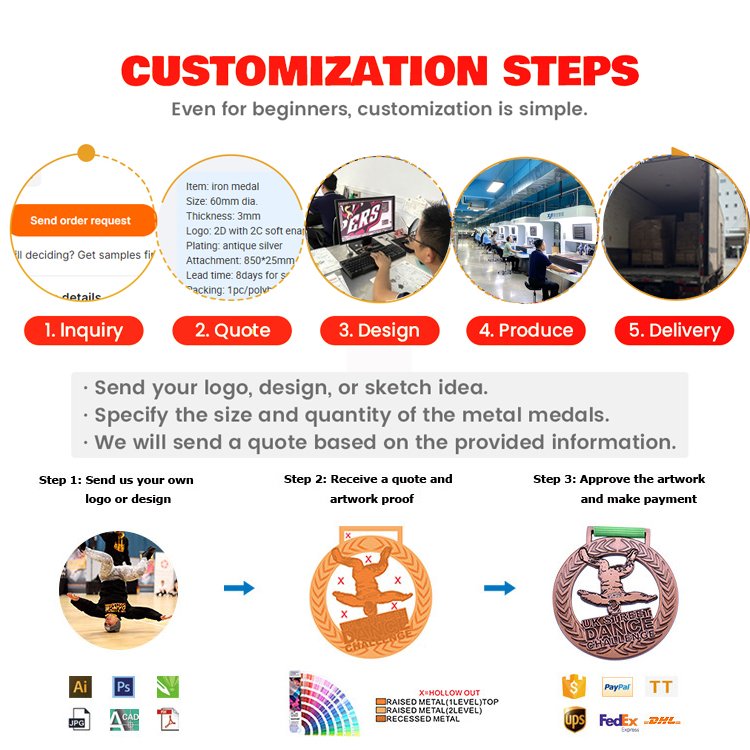
Everything begins with the pin artwork. This is where most first-time sellers underestimate the work involved — and where experienced sellers quietly build their edge.
Great pin artwork is bold, clean, and designed with production in mind. Enamel pins are small (typically 0.75″ to 2″), which means fine lines, tiny text, and complex gradients often don’t translate well from screen to metal. The best designs are graphic, high-contrast, and immediately readable at a glance.
Choosing the Right Pin Type
- Soft Enamel — the most popular choice for retail and collectibles. Affordable, textured feel, great for bright colors.
- Hard Enamel — smooth, durable, premium finish. Ideal for corporate merchandise and brand use.
- Die Struck — no enamel fill; pure metal relief. Perfect for awards, institutional buyers, and military-style designs.
- Printed Pins — best for photorealistic or highly detailed pin artwork that would be impossible to replicate in enamel.
Color accuracy matters too. All manufacturers work with Pantone colors, and what looks great on your screen may shift slightly in production. Investing in a physical Pantone color guide before finalizing your design is a smart move that saves costly reprints later.
Don’t overlook premium add-ons either — glitter fill, glow-in-the-dark enamel, gemstones, and custom backing cards all increase perceived value and give buyers a reason to pay more.
Pro Tip: If you’re building a product line, think in collections from the start. A themed enamel pin set — say, a series of four botanical designs or a six-piece retro gaming set — consistently outsells single pins because it drives higher cart values and encourages collectors to buy the complete set.
Step 2: Source From the Right Manufacturer
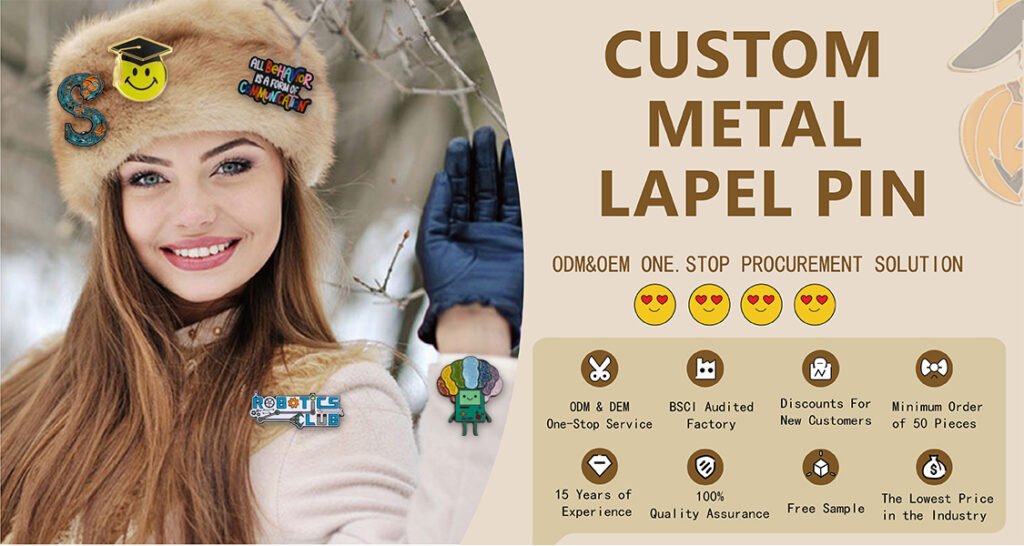
Your manufacturer is your most important business partner. The right one protects your margins, your timelines, and your reputation.
When evaluating suppliers, look beyond price. Key factors include minimum order quantity (MOQ), production lead times, quality control processes, communication responsiveness, and their ability to handle custom specifications. Asking for physical samples before committing to a full production run is non-negotiable.
At Unique Custom Pins, we work specifically with brands, traders, and retail buyers who need reliable production at scale. Our low MOQs, free design support, and transparent proofing process make it easy to go from concept to finished product — without the usual headaches.
Watch Out: Always review and approve a digital proof before production begins. Request as many revisions as needed. Skipping this step is the number one cause of costly mistakes.
Step 3: Price for Profit, Not Just for Sales
Pricing is where many sellers quietly leak money. Your pricing needs to account for unit cost, packaging, shipping, platform fees, and your target margin — not just what you think sounds competitive.
Here’s a simple framework:
- Standard retail pins: $10–$15
- Premium or limited edition: $18–$30+
- Wholesale / bulk: negotiate based on MOQ and relationship
One of the most powerful levers in this business is bulk ordering. The unit cost difference between an order of 50 pins and 500 pins can be dramatic. As you scale, that margin improvement goes straight to your bottom line.
Resist the temptation to undercut competitors on price alone. Underpricing erodes your brand’s perceived value and is nearly impossible to reverse. Buyers who find your pins at $7 will never accept $14 for the same design later. Price with confidence from day one.
Step 4: Choose Your Sales Channels Strategically
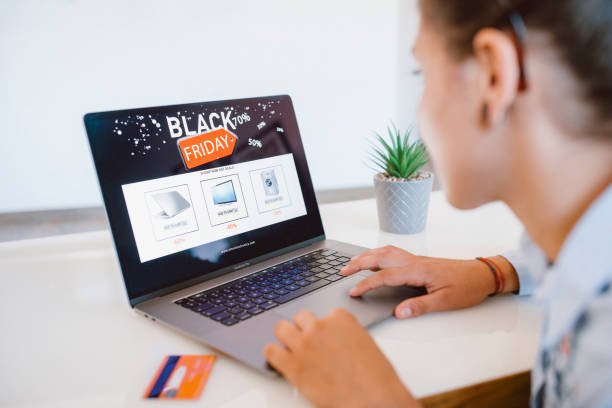
There is no single “best” channel for selling enamel pins — the right mix depends on your business model and buyer type. Here’s an honest breakdown:
- Etsy — high organic traffic, strong community of pin collectors and gift buyers. Fees add up, competition is fierce, but it’s the easiest place to start.
- Shopify / Own Website — full control over branding and customer data. Requires SEO or paid traffic investment. Best for long-term brand building.
- Amazon — massive volume potential, especially for trending or evergreen designs. Suits traders and high-volume sellers.
- TikTok Shop — fast-growing, especially for visually striking designs. A single viral video can move significant inventory overnight.
- Wholesale to Retailers — stable, relationship-driven revenue. Boutiques, gift shops, and pop culture retailers actively source wholesale pin collections.
- Trade Shows & Conventions — anime expos, pop culture cons, gift trade shows. High-concentration audiences with genuine purchasing intent.
- B2B Direct Sales — pitch directly to brands for corporate merchandise, employee recognition, event giveaways, and retail exclusives.
The smartest sellers don’t pick one channel and pray. They build a multi-channel presence that creates resilience — so a platform algorithm change or fee increase doesn’t wipe out the business overnight.
Step 5: Market Like You Mean It

Great pins don’t sell themselves. Marketing is what turns a good product into a moving product.
Build Hype Before You Launch
Share sketches, behind-the-scenes production photos, and design polls before your pins arrive. Let your audience feel like insiders. The goal is to have a line of buyers ready before stock lands, not after.
Platform-Specific Strategy
- Instagram & Pinterest — lifestyle photography. Show pins on jackets, bags, and corkboards. Visual context sells.
- TikTok — unboxing videos, process reels, “rate my pin collection” content. Authenticity outperforms polish here.
- Email — build your list early. Offer a discount or freebie to grow it. Unlike social platforms, your email list is an asset you actually own.
Product Photography That Actually Converts
Blurry, poorly lit photos are one of the most common reasons pins don’t sell online. Use natural light, clean or lifestyle-appropriate backgrounds, and close-up shots that show pin detail clearly. If you’re selling a vintage enamel pin style, lean into that aesthetic — aged backgrounds, flat lays with period props, and warm tones help buyers feel the nostalgia.
Pro Tip: Limited drops and exclusive enamel pin set releases create urgency. When collectors know a design won’t come back, they buy faster. Scarcity isn’t just a tactic — for serious pin collectors, it’s part of the culture.
Step 6: Operations — The Unglamorous Part That Determines Everything

Behind every smooth-running pin business is a solid operational foundation. Here’s what to get right:
- Packaging — backing cards protect pins and present them professionally. They also give you a branding surface and can include your website URL or social handle.
- Shipping — use poly mailers for small orders, padded envelopes for larger ones. For international orders, research customs duties and declare values accurately.
- Returns & Replacements — set clear policies upfront. Most reputable manufacturers will replace genuinely defective pins; have a process ready so customer issues don’t become crises.
- Tools — Shopify for storefront, ShipStation or Pirateship for shipping rates, and a simple spreadsheet for inventory tracking are enough to get started.
Step 7: Scale From Side Hustle to Serious Business
Once you’ve validated a few designs and built a customer base, it’s time to think bigger.
Expand your SKU range based on data, not guesswork — which designs sell most? Which themes generate the most social engagement? Double down on what works before introducing new categories.
Consider building wholesale relationships with boutiques and gift shops. These accounts bring stable, recurring revenue that smooths out the peaks and valleys of direct-to-consumer sales.
For brands, explore white-labeling or private labeling — producing pins under your clients’ branding. Corporate merch, brand partnerships, and retail exclusives are all high-margin opportunities that most small pin sellers ignore entirely.
Finally, turn one-time buyers into repeat customers. New pin drops, loyalty programs, early-access email lists, and collector bundles all serve the same goal: keeping your existing audience engaged so you don’t have to acquire new customers from scratch every time.
Common Mistakes to Avoid
- Skipping proof approval — always review before production, no exceptions.
- Underpricing your work — it devalues your brand and is hard to reverse.
- Relying on a single sales channel — diversify from day one.
- Ordering too much of one design too soon — test with smaller runs before scaling.
- Ignoring customer feedback — your buyers tell you exactly what your next design should be.
Final Thoughts
Selling enamel pins is genuinely exciting — the products are fun, the community is passionate, and the business model is flexible enough to work for solo creators, established brands, and large-scale traders alike. But success doesn’t come from just making something cute. It comes from nailing the design, sourcing smartly, pricing with intention, showing up consistently on the right channels, and treating your customers well.
Follow the seven steps in this guide and you’ll be ahead of the vast majority of sellers who wing it and wonder why the sales don’t come.
FAQs
What is the minimum order quantity (MOQ) for custom enamel pins?
Our MOQ starts at 50 pieces per design, making it accessible for new product launches, sample testing, or small retail runs — while bulk pricing becomes available at 200+ units.
Can I order enamel pins under my own brand with no mention of the manufacturer?
Yes. We offer full white-label and private label production. Your pins ship without any manufacturer branding, making them ready to sell under your own label straight out of the box.
What file formats do you accept for pin artwork submissions?
We accept Adobe Illustrator (.ai), EPS, and high-resolution PDF files. If you don’t have production-ready files, our free design team can build artwork from your brief, sketch, or reference images at no extra cost.
How long does production take for a bulk order?
Standard production lead time is 12–15 business days after proof approval. Rush production options are available for time-sensitive campaigns, product launches, or trade show deadlines — contact us for availability.
Do you offer tiered wholesale pricing for large volume orders?
Yes. Pricing scales with volume. The more units you order, the lower your per-unit cost. We provide transparent, itemized quotes so you can plan your margins before committing to production.