Picture this: a sleek, shiny metal keychain dangling from a customer’s keys, subtly showcasing your brand’s logo every time they unlock their door or start their car. It’s not just a practical item—it’s a mini ambassador for your business! Metal keychains have become a staple in promotional merchandise, offering durability, style, and endless customization options.
If you’re a trader stocking unique accessories, a brand looking to enhance customer loyalty, an e-commerce platform curating trendy products, or a retail buyer sourcing high-margin items, learning how to make metal keychains can open up exciting opportunities.
In this friendly guide, we’ll walk you through the entire process in a way that’s easy to follow and enjoyable to read. We’ll answer key questions like what type of metal is used for keychains? and is making keychains profitable?, while highlighting why these little gems are perfect for your business.
Why Metal Keychains Matter for Businesses
Metal keychains stand out because they’re built to last, unlike flimsy plastic versions that might snap after a few uses. Their premium feel appeals to customers who appreciate quality, making them ideal for giveaways, merchandise lines, or even limited-edition collectibles. For brands, they’re a subtle way to keep your name in front of eyes daily; for e-commerce sellers, they boost order values when bundled with other items. Traders and retail buyers love them for their versatility—sell them at markets, online, or in stores. By the end of this article, you’ll feel confident tackling your own project, whether DIY or outsourced.
Understand Metal Keychains: Types and Materials
Basic Components of a Metal Keychain
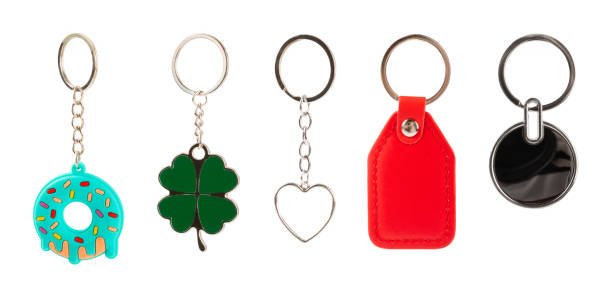
To kick things off, let’s break down what makes a metal keychain tick. Essentially, it’s a simple trio: the key ring or clasp for secure attachment, a short chain or connector for flexibility, and the main trinket or pendant where your design takes center stage. This straightforward setup allows for creativity while keeping things practical.
Common Metals Used
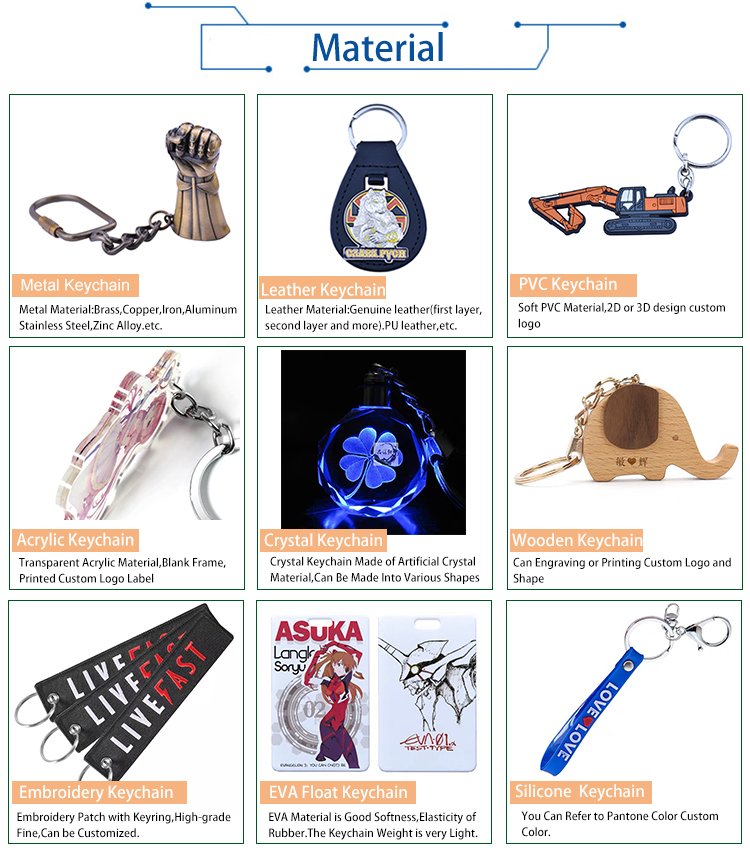
Now, addressing a common curiosity: what type of metal is used for keychains? The choices are varied and exciting! Zinc alloy is a popular pick—it’s affordable, lightweight, and molds easily into detailed shapes, making it great for beginners or budget-conscious traders. Stainless steel offers superior strength and corrosion resistance, ideal for outdoor-themed keychains or high-end branding. Brass brings a warm, golden tone with a vintage appeal, perfect for luxurious feels in retail settings. Aluminum is lightweight and eco-friendly, often chosen by e-commerce platforms for sustainable product lines.
Each metal has its charm: zinc for cost-efficiency, steel for toughness, brass for elegance, and aluminum for modernity. Pros? Metals like stainless steel won’t rust, ensuring longevity. Cons? Heavier options might add weight, but that’s rarely a deal-breaker.
Popular Types and Styles
When it comes to types, the variety is what makes this fun. Enamel-filled keychains feature colorful inlays in recessed areas, turning a simple logo into a vibrant masterpiece—imagine a brand’s colorful emblem popping against shiny metal. Die-struck versions have raised and polished surfaces for a classic, embossed look, often with antique finishes for that heirloom vibe.
Etched keychains use precision techniques to carve fine details, suitable for intricate patterns like motivational quotes for traders’ motivational merch. And 3D molded ones add depth and texture, making them feel like tiny sculptures—great for e-commerce sellers wanting standout photos on their sites.
Benefits of Choosing Metal
Why go metal? It’s all about that wow factor. These keychains exude professionalism and durability, outlasting cheaper alternatives and enhancing perceived value. For businesses, this means better customer satisfaction and repeat buys.
Plus, they’re endlessly customizable, allowing you to infuse personality—think fun shapes like animals for retail kids’ sections or sleek geometrics for corporate brands. Understanding these basics is your first step to profitable production.
Step-by-Step Design Process
Brainstorming Your Ideas
Designing your metal keychain is where the real excitement begins—it’s like doodling with purpose! Whether you’re a brand crafting promo items or a retail buyer envisioning seasonal stock, this phase lets your imagination run wild while staying practical.
Start with brainstorming: Gather ideas that align with your audience. Brands might incorporate logos or taglines for instant recognition; e-commerce platforms could design themed series, like travel icons for adventure gear bundles; traders often go for versatile motifs like hearts or stars for broad appeal. Sketch roughly on paper or apps—keep it fun by involving your team for fresh perspectives. Consider size (1-3 inches is ideal for portability) and purpose: Is it a giveaway or a premium sell?
Creating the Artwork
Move to creating artwork. Vector formats like AI or EPS are essential—they scale perfectly without pixelation, crucial for metal’s precision. Limit colors if using enamel to keep costs down, but experiment with metallics for shine. For complexity, simpler designs shine in stamping, while detailed ones suit etching. Fun hack: Print a mockup and test it on real keys—does it jingle nicely without snagging?
Adding Customizations
Customization amps up the enjoyment! Choose finishes like high-polish for a mirror effect, matte for understated elegance, or epoxy domes for protection and gloss. Add extras like bottle openers for utility—traders, this boosts resale value! Tools? Free ones like Canva suit starters, while Adobe Illustrator is pro-level for intricate work. For bulk orders, think scalability: Designs should reproduce well in thousands.
Profitability Through Design
And yes, is making keychains profitable? Absolutely, especially with smart design. A unique, audience-tailored piece can command higher prices, turning a $1 cost into $5 retail. Avoid generic looks—infuse fun elements like glow-in-the-dark edges for e-commerce virality. This step transforms concepts into blueprints, setting the stage for manufacturing magic.
Manufacturing Methods for Metal Keychains
Overview of Manufacturing Techniques
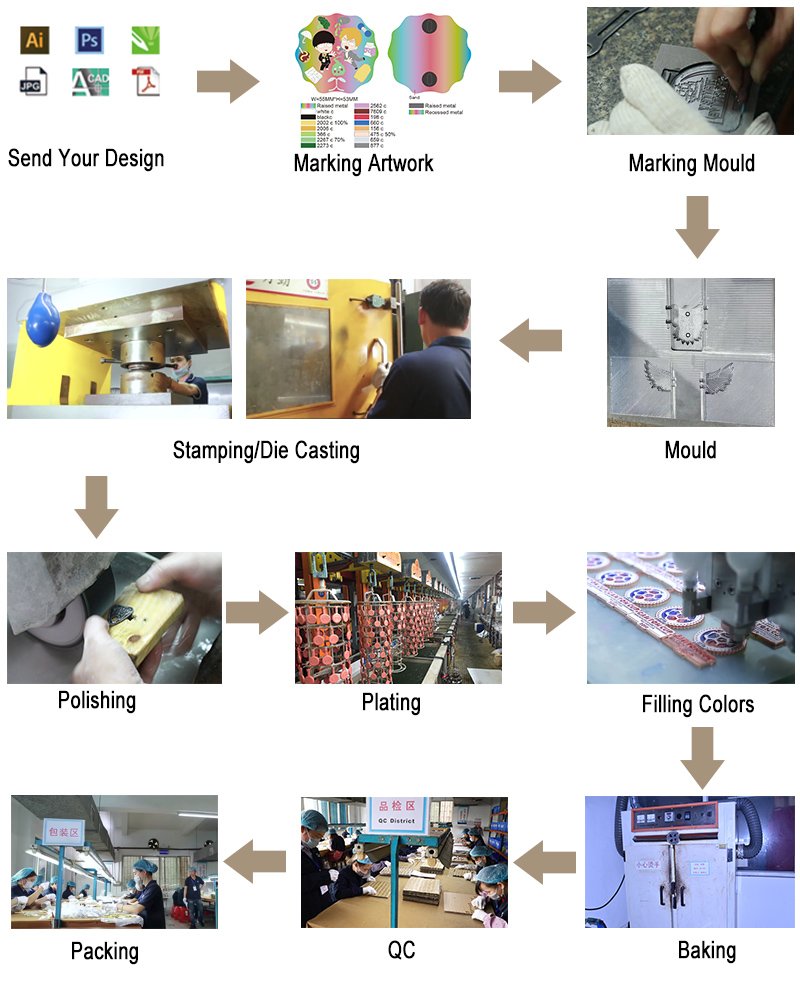
Alright, let’s get hands-on with how to make metal keychains through various techniques. As a metal keychain manufacturer, experts like Unique Custom Pins handle this seamlessly, but knowing the methods empowers you to choose wisely.
Die-Casting Method
Die-casting is a crowd-pleaser for 3D designs. It starts with crafting a mold from your artwork, then injecting molten metal (often zinc alloy) under pressure. After cooling, the piece is ejected, deburred, and finished. It’s perfect for detailed, sculptural keychains—like a brand’s mascot in full relief—and scales well for large orders by retail buyers.
Stamping Method
For flatter designs, learn how to make stamped metal keychains. This involves creating a custom die that stamps your pattern into metal sheets using massive pressure (think 50-100 tons!). Edges are trimmed, holes punched for chains, and polishes applied. It’s quick, cost-effective, and ideal for 2D logos—brands love it for clean, professional results. Fun fact: This technique draws from ancient minting, adding historical coolness to your modern items.
Other Techniques and Considerations
Other methods include laser engraving for precise text (great for personalization) and acid etching for fine lines. Compare: Die-casting takes 4-6 weeks but handles complexity; stamping is faster for simplicity. Quality checks ensure no defects—smooth edges, even plating, and durability tests.
For e-commerce, opt for techniques allowing quick prototypes. Sustainability is key too—many manufacturers use recycled metals, appealing to eco-savvy traders. These processes make production efficient, directly impacting profitability by minimizing waste.
How to Order Custom Metal Keychains
Choosing the Right Manufacturer
If manufacturing sounds like a big leap, ordering from pros is a breeze. As your go-to metal keychain manufacturer, Unique Custom Pins specializes in turning ideas into reality for businesses like yours. Select a partner based on MOQs (starting at 100 units), pricing transparency, and timelines. Request samples to feel the quality—ensure they match your metal preferences, like brass for warmth.
The Ordering Steps
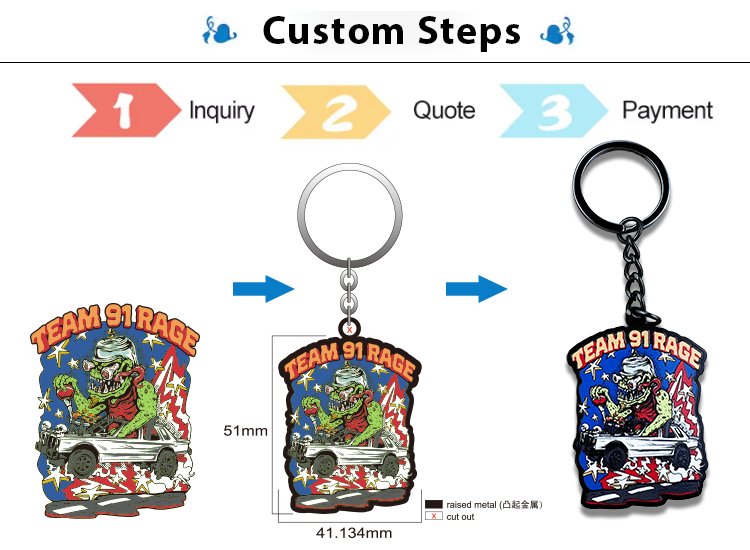
The process? Upload your vector file online. Pick materials, sizes, and packaging options. Approve a digital proof (revisions included), then production rolls—expect 4 weeks. Shipping follows with tracking.
Bulk and Cost Benefits
Bulk perks: Discounts for 1,000+ units make it profitable for traders. Costs? $0.50-3 per piece, depending on specs—lower with volume for e-commerce margins. This outsourced approach answers is making keychains profitable? with a resounding yes, freeing you for marketing.
Tips for Successful Metal Keychain Production
Avoiding Common Mistakes
Success hinges on smart choices. Avoid mistakes like ignoring trends—research what sells, like minimalist designs for brands. Test small runs to gauge appeal.
Integrating Branding and Marketing
Integrate branding: Keychains as merch amplify visibility—e-commerce bundles increase carts by 20%. Traders, price strategically for 200% markup.
Embracing Sustainability
Go green: Recycled metals attract buyers.
Adding Fun Elements
Fun twist: Add QR codes linking to your site—interactive and modern.
Conclusion
We’ve explored how to make metal keychains, from materials (what type of metal is used for keychains?—zinc, steel, and more) to stamping (how to make stamped metal keychains) and ordering. And is making keychains profitable?—definitely, with the right strategy. Contact Unique Custom Pins today to start—your next bestseller awaits!
FAQs
What is the minimum order quantity (MOQ) for custom metal keychains?
At Unique Custom Pins, we have no MOQ, making it accessible for small traders and e-commerce platforms testing new designs. Larger orders unlock better pricing for brands and retail buyers.
How long does it take to produce and ship custom metal keychains?
Production typically takes 4-6 weeks after artwork approval, depending on complexity and quantity. Shipping adds 1-2 weeks internationally. We offer rush options for urgent B2B needs like trade shows.
What file formats do you accept for custom designs?
We prefer vector files like AI, EPS, or PDF for sharp results in metal production. If you have raster images (e.g., JPG), our team can convert them for a small fee to ensure quality.
Can I request samples before placing a bulk order?
Absolutely! We provide up to 3 free samples after proof approval, with shipping covered. This helps traders and retail buyers verify quality before committing to stock.
What customization options are available for branding?
From enamel colors and antique finishes to add-ons like LED lights or bottle openers, we tailor to your needs. Brands can add logos, while e-commerce sellers might include QR codes for product links.
Is international shipping available, and what about customs?
We ship worldwide with tracked options. For B2B clients, we handle customs documentation to minimize delays—perfect for global traders and platforms.