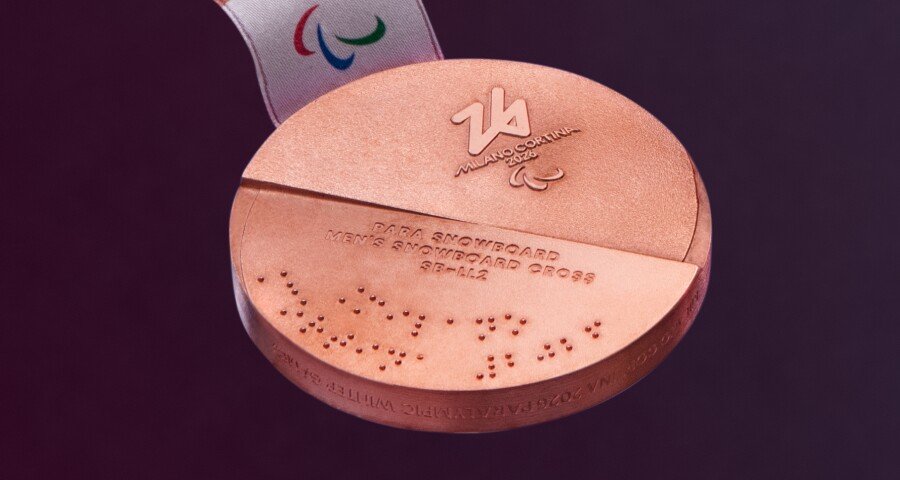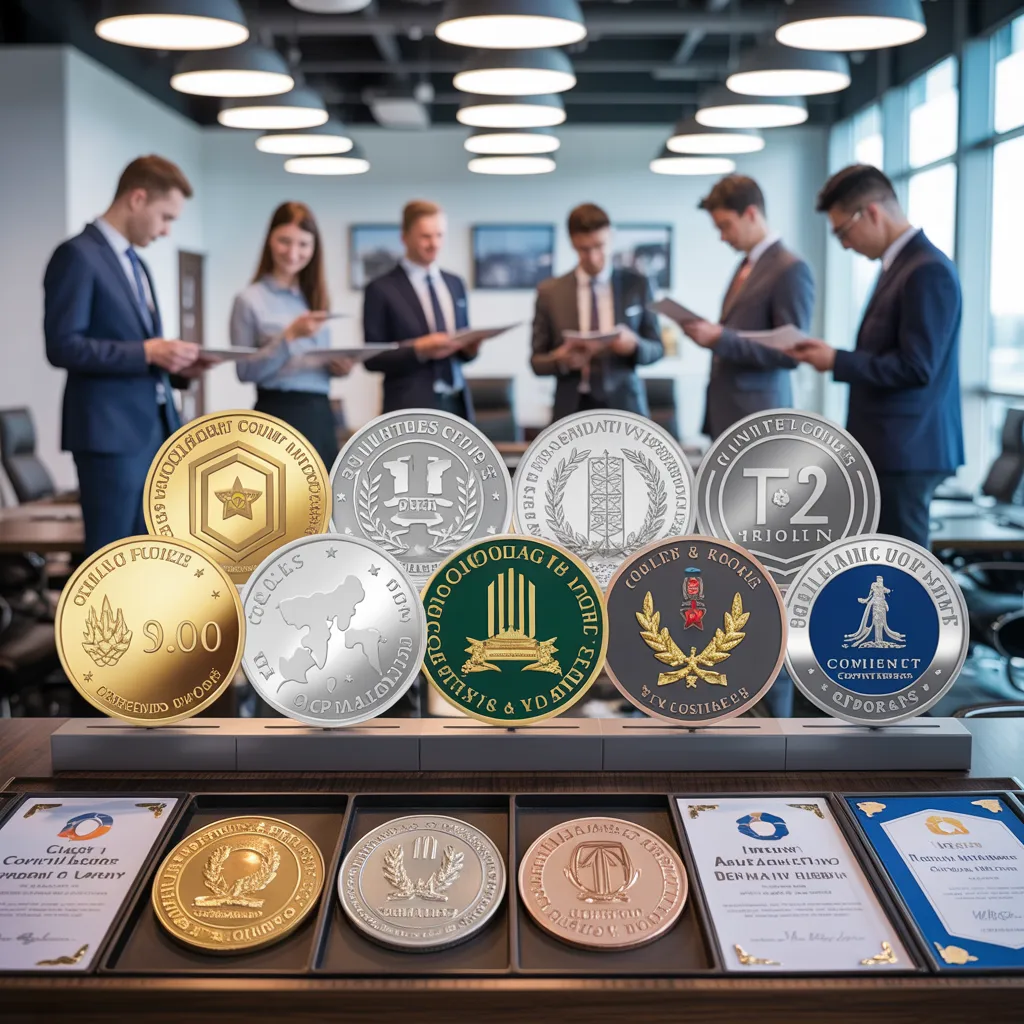
Ever wondered how shiny, personalized awards motivate teams or boost brand loyalty? For traders creating “us medals,” brands designing “medallas,” or e-commerce platforms for retail buyers, mastering medal-making turns ideas into treasures. At Unique Custom Pins, we craft standout custom medals.
Medal production blends ancient coin minting with modern tech. If you’ve asked, “How do you make a medal?” this guide covers steps from numismatic “money medal” techniques. It’s professional, friendly, and fun—envision your “coin medal” masterpieces! Partner with us to elevate your brand. Let’s start!
Step 1: Understand Medal Types and Materials
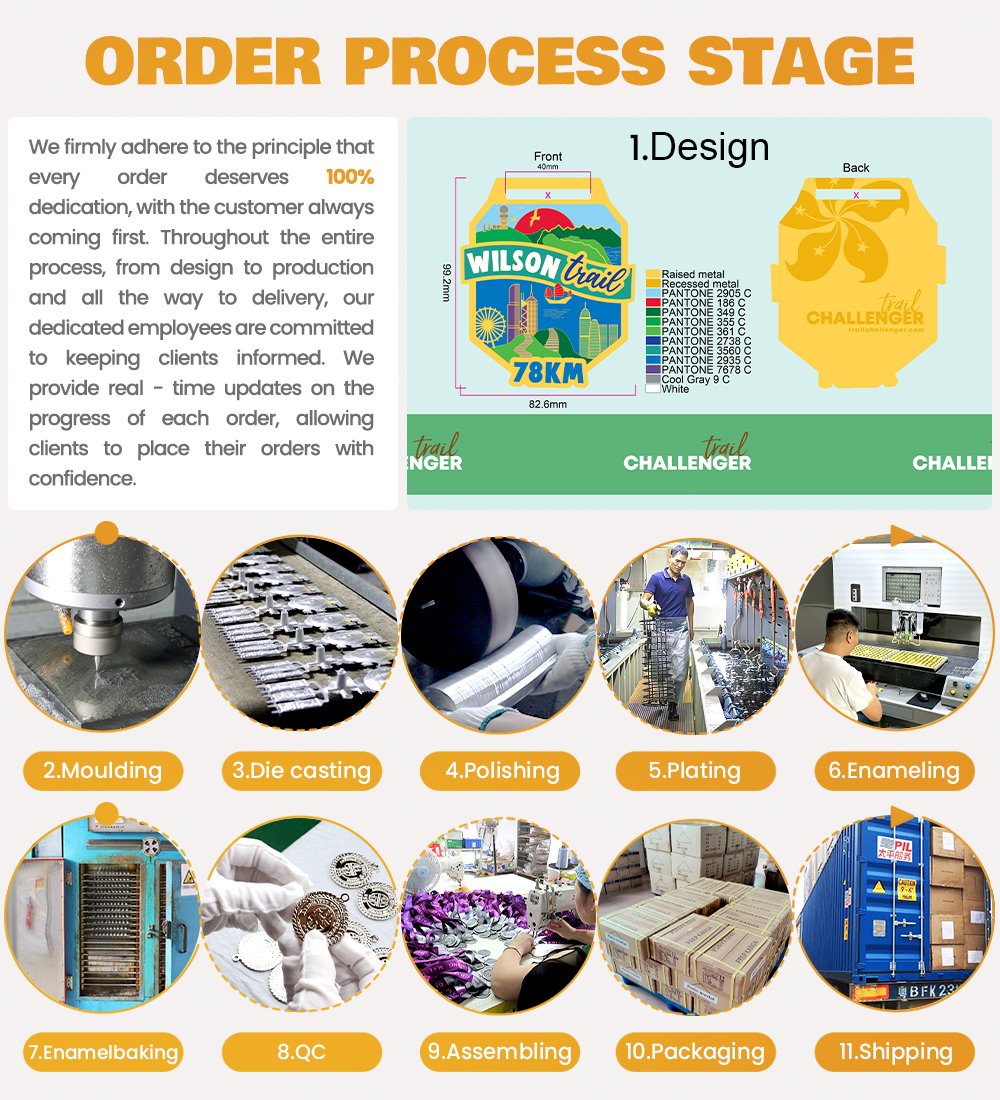
Before rolling up your sleeves (or rather, firing up the design software), it’s essential to know your options. Medals generally fall into two main categories: cast and struck. Cast medals are like pouring molten magic into a mold—perfect for intricate, 3D designs that pop. Struck medals, on the other hand, involve pressing metal blanks with dies, much like minting coins, offering a sleek, durable finish ideal for high-volume production.
Materials make all the difference in how your medal feels and lasts. Zinc alloy is a crowd-pleaser: affordable, lightweight, and great for detailed customizations without breaking the bank. For a premium touch, opt for pewter or bronze—they give that classic “us medals” vibe, evoking American military or Olympic awards. Silver and gold plating add luxury, but if you’re going for eco-friendly or budget-conscious options, recycled alloys are gaining traction.
For brands and e-commerce platforms, think about your audience. Retail buyers love vibrant, colorful “medallas” for events, while traders might prefer sturdy “coin medal” styles that double as collectibles. Pros? Durability ensures they withstand shipping and handling. Cons? Heavier metals like bronze can increase costs. Fun fact: The same techniques used for “money medal” production in mints apply here—ensuring your creations are as precise as currency!
Step 2: Design and Conceptualization
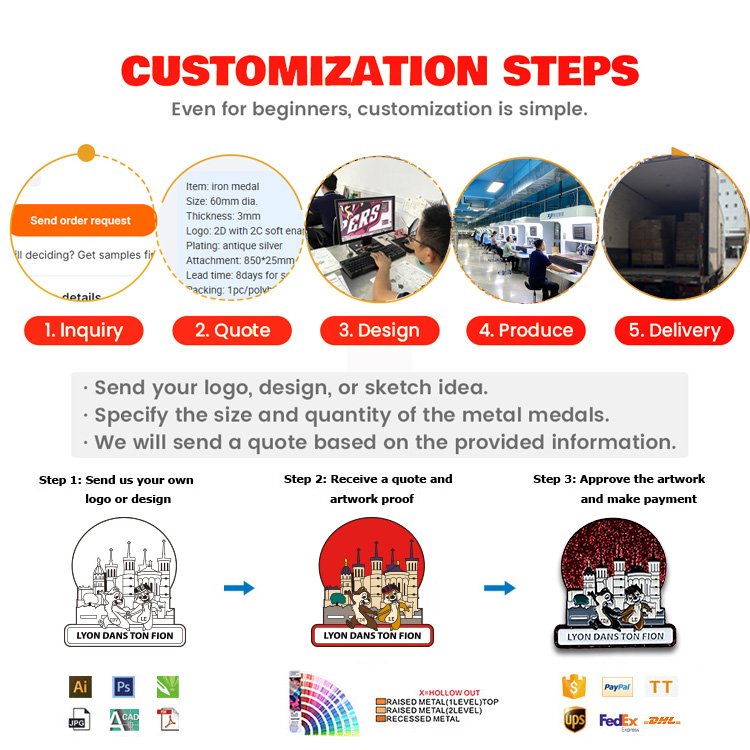
Now, the fun begins: dreaming up your medal! This stage is where creativity meets strategy. Start by brainstorming—incorporate your brand’s logo, a motivational phrase, or even a nod to cultural icons like “us medals” from historic events. For international appeal, consider bilingual elements, such as “medallas” designs that resonate in Spanish-speaking markets.
Tools range from simple sketches on paper to advanced CAD software or 3D modeling programs. At Unique Custom Pins, we offer virtual mockups so you can tweak colors and shapes before committing. Client approvals are key; imagine iterating on a “coin medal” prototype until it’s perfect for your e-commerce lineup.
Tips for success? Keep designs scalable—detailed engravings work wonders for small batches, but simplify for mass retail production. Ensure it’s versatile: A medal that clips onto a keychain or hangs from a ribbon adds value for traders. And here’s a quirky insight: Historical “money medal” designs often drew from real-life portraits, so research your theme for authenticity. This step isn’t just technical; it’s where your brand’s story shines through, making the final product irresistibly engaging.
Step 3: Create the Mold or Die
With your design locked in, it’s time to build the blueprint: the mold or die. Traditional methods, inspired by numismatic processes, start with a master model in wax or clay. Artists sculpt details by hand, then create a plaster positive and negative—think of it as a 3D puzzle coming together.
Modern twists? CNC machines engrave steel dies with laser precision, or 3D printing speeds up prototyping. For casting, sand or gesso molds capture every nuance; for striking, hardened steel dies ensure crisp edges. Electroplating might come in here too, coating the mold for durability.
Customization is a blast—want raised lettering like on a “money medal”? High-relief techniques do the trick. For brands targeting retail buyers, this means endless possibilities: Embed gems or textures that make your “medallas” pop on shelves. It takes hours to days, but the result? A reusable tool that churns out flawless medals. Pro tip: Always polish the die to avoid imperfections—nothing ruins a “us medals” replica faster than a fuzzy edge!
Step 4: Forming the Medal
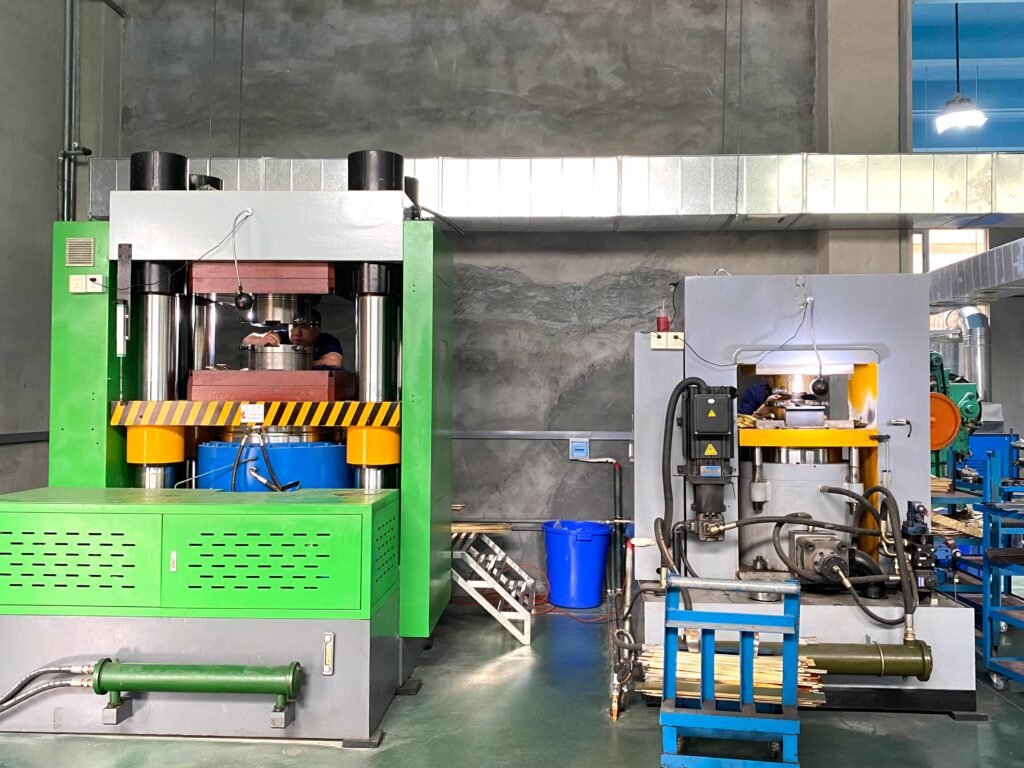
Here’s where the magic happens: turning raw metal into your masterpiece. In casting, molten zinc or pewter is poured (or spun via centrifuge) into the mold. It cools in seconds, solidifying into shape—ideal for complex “coin medal” designs with undercuts.
Striking flips the script: Punch blanks (planchets) from metal sheets, then press them under immense force. Multiple strikes—up to eight!—with annealing (heating and cooling) in between keep the metal malleable. This method, straight from “money medal” minting exhibits, delivers sharp details and a satisfying heft.
Which to choose? Casting suits unique, artistic “medallas” for e-commerce niches, while striking excels in bulk for retail buyers. Traders love the efficiency: Produce hundreds without losing quality. Fun nugget: Early mints used screw presses; today, hydraulic ones crank out medals at warp speed. Safety first—molten metal is hot stuff—but the end product? Pure satisfaction.
Step 5: Polishing and Refining
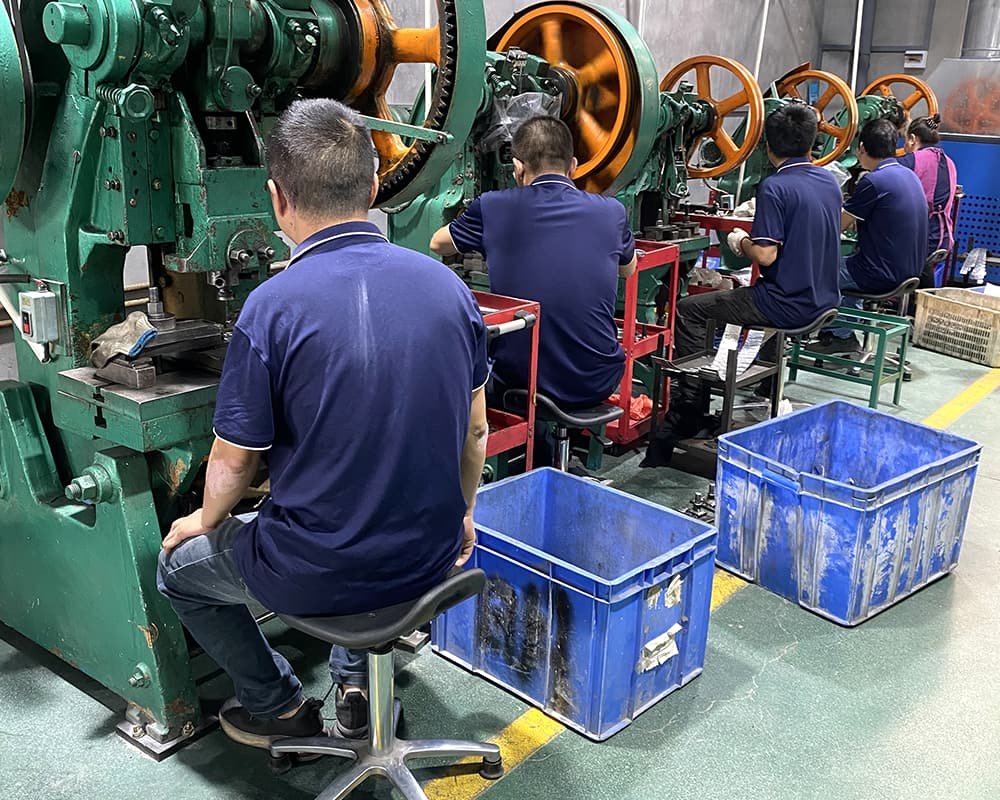
No rough edges allowed! After forming, medals get a spa treatment. Trim excess flashes or burrs with precision tools, then grind and polish—by hand for artisanal flair or machine for speed.
Edge lathing adds a professional bevel, while sandblasting creates matte textures that enhance designs. Quality checks happen here: Measure thickness, inspect for cracks, and ensure uniformity.
For brands, this step elevates perceived value—imagine a gleaming “us medals” collection that wows clients. Retail buyers appreciate the smoothness; it prevents snags on clothing. Echoing “money medal” processes, an etch bath might remove impurities, leaving a pristine surface. It’s meticulous but rewarding—like buffing a diamond to reveal its sparkle!
Step 6: Plating and Surface Finishes
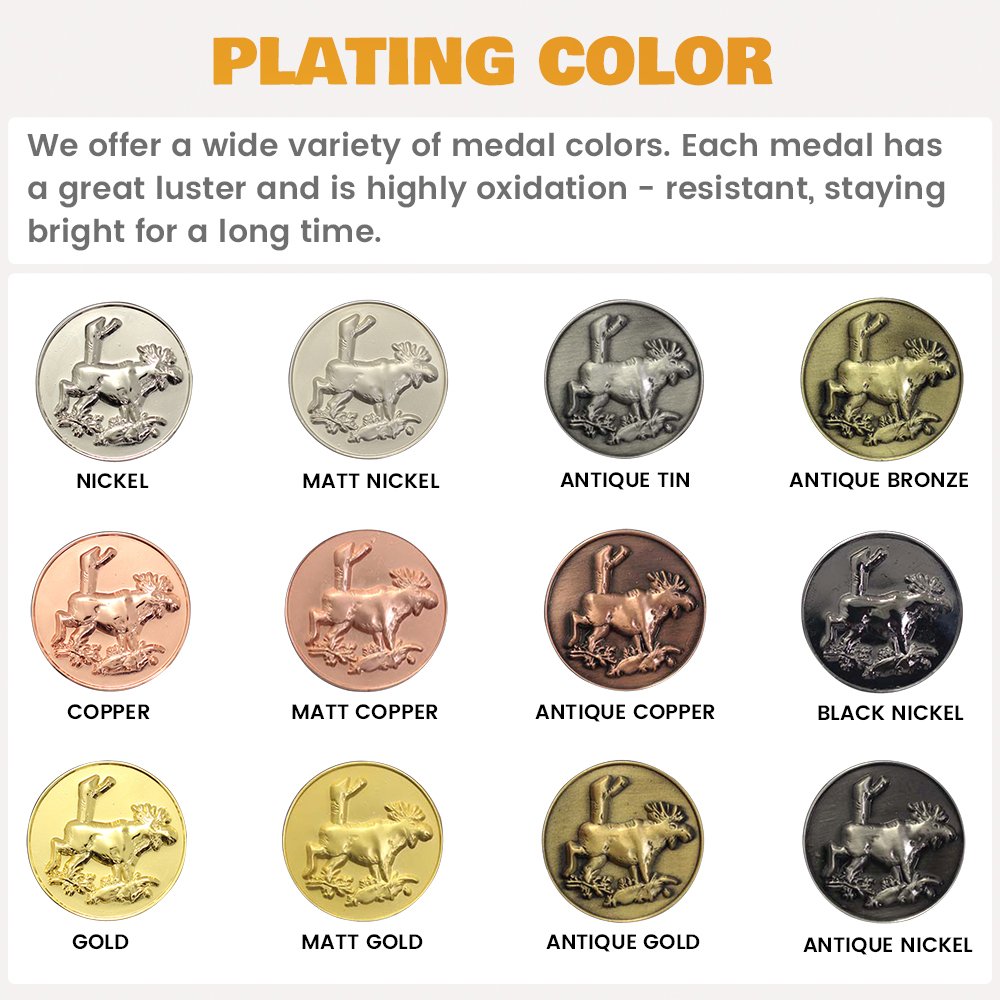
Want that golden glow? Enter plating. Electroplating dips the medal in a bath, applying thin layers of gold, silver, bronze, or nickel via electric current. Antique finishes add vintage charm, perfect for “coin medal” replicas.
Patination uses chemicals for colorful oxidation—think blues and greens on bronze “medallas.” These treatments also fight tarnish, ensuring longevity for e-commerce storage.
Tailor to your brand: Matte for modern minimalism, shiny for eye-catching retail displays. Traders can opt for hypoallergenic options. Historical fun: Numismatic coins used similar electrolysis, proving these techniques stand the test of time. The result? Medals that not only look amazing but feel premium in hand.
Step 7: Adding Color and Enamel (Optional)
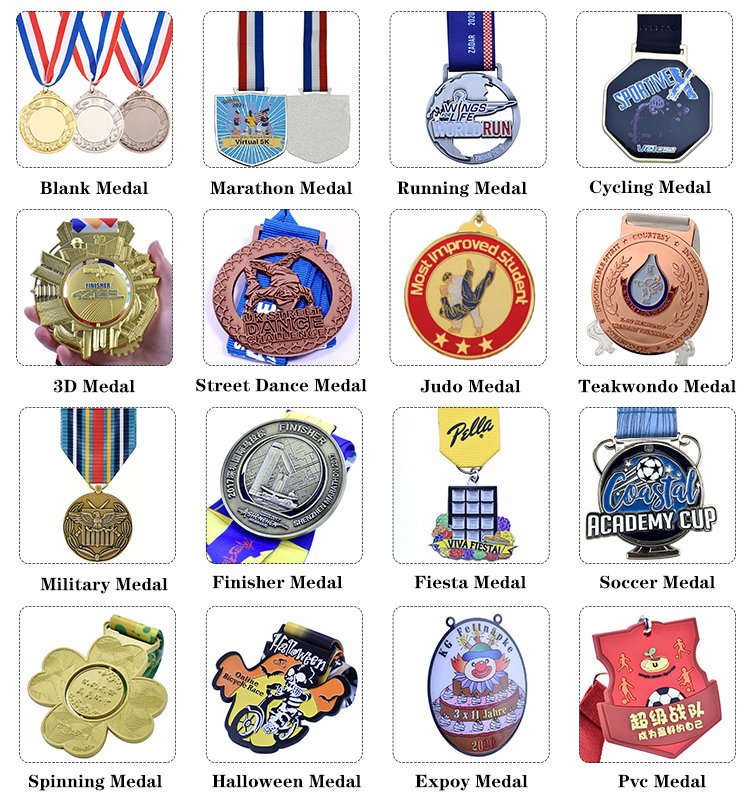
Color brings medals to life! Soft enamel fills recessed areas with vibrant hues, baked for hardness, then polished flush. Hard enamel offers a glassy finish, resistant to wear.
UV printing handles gradients or photos—great for personalized “us medals” with event logos. Add glow-in-the-dark or glitter for fun twists that delight retail buyers.
Branding hack: Match colors to your palette, like red-white-blue for patriotic “medallas.” Not every medal needs it—plain metal suits minimalist “money medal” styles—but for e-commerce, it boosts visual appeal and sales. Imagine a sparkling “coin medal” that glows under lights; it’s irresistible!
Step 8: Assembly, Quality Control, and Packaging
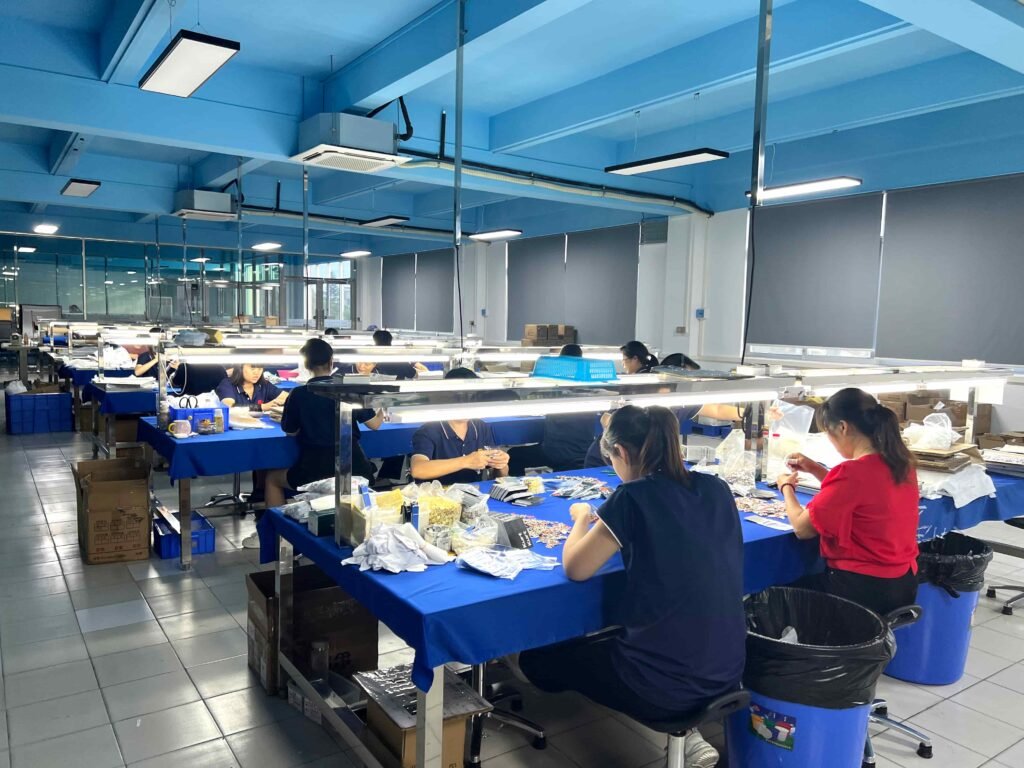
Almost there! Attach ribbons via welding or sewing—silicone adhesives work for non-fabric mounts. Multi-stage inspections catch defects: Visual scans, weight checks, and drop tests ensure perfection.
Packaging seals the deal: Custom boxes or velvet bags protect during shipping, with varnishing to ward off oxidation. For traders and platforms, this means ready-to-sell items.
Fun close: Like finalizing a “money medal,” every detail counts. At Unique Custom Pins, we handle it all, delivering medals that exceed expectations.
Step 9: Modern Innovations and Sustainability
The future is bright! 3D printing accelerates prototyping, while laser engraving adds micro-details. Sustainability shines: Use recycled metals and low-waste processes to appeal to eco-conscious brands.
Case study: An e-commerce platform used custom “medallas” with green materials for a promo—sales soared! Innovations make “how do you make a medal” easier and greener.
Conclusion
From design dreams to polished perfection, making a medal is an exciting journey blending art, tech, and strategy. Whether crafting “us medals,” “coin medal” collectibles, or vibrant “medallas,” these steps empower your business to create memorable items.
Ready to start? Contact Unique Custom Pins today, we are one of the top custom medals manufacturers—let’s turn your vision into reality and boost your brand’s shine!
FAQs
How do you make a medal from scratch?
Start with design, create a die, form the metal via casting or striking, then finish with plating and assembly—as detailed above!
What’s the difference between a medal and a “money medal”?
Medals are awards; “money medals” refer to coin-like designs used in currency production, but techniques overlap.
What’s the lead time to produce custom “us medals”?
Typically 2-4 weeks, depending on complexity—faster for bulk e-commerce orders.
Can I make eco-friendly “medallas”?
Absolutely! We use sustainable materials at Unique Custom Pins.
What’s the cost for a “coin medal” batch?
Varies by size and quantity—reach out for a quote!