Ever wonder why some keychains end up cherished for years while others get tossed in a drawer? The secret isn’t luck—it’s smart design. Whether you’re a trader looking to expand your product line, a brand seeking memorable promotional items, or an e-commerce entrepreneur hunting for the next bestseller, understanding how to design a keychain can transform a simple accessory into a powerful marketing tool.
Let’s dive into everything you need to know about creating custom keychains that people actually want to keep.
Why Keychain Design Matters for Your Business
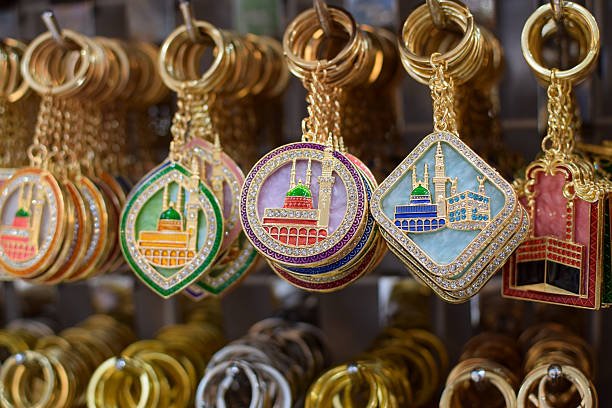
Before we get into the nitty-gritty, let’s address the elephant in the room: are keychains still relevant in 2026? Absolutely. Despite our increasingly digital world, keychains remain one of the most cost-effective promotional products with impressive staying power. They’re carried daily, shared frequently, and offer constant brand visibility—all at a fraction of the cost of other marketing channels.
For traders and retail buyers, well-designed keychains offer excellent profit margins and year-round demand. For brands, they’re walking advertisements that recipients actually appreciate. The key is getting the design right.
Understand the Parts of a Keychain
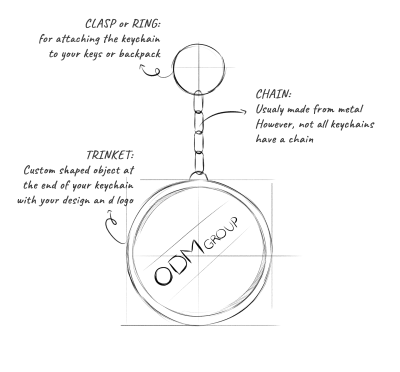
Before you start sketching ideas, it’s crucial to understand the key chain components that make up this deceptively simple product. A typical keychain consists of three essential elements:
The Ring or Clasp – This is your anchor point, typically made from durable metal. Split rings are the most common choice, but lobster clasps, carabiners, and snap hooks each offer different aesthetic and functional benefits. Your choice here affects both the perceived quality and the price point.
The Chain or Connector – Not all keychains have a visible chain, but there’s always some form of connection between the ring and the decorative element. This could be a traditional metal chain, a leather strap, a ball chain, or a direct metal loop integrated into the design.
The Trinket or Charm – This is the star of the show—the customizable part that carries your brand message, design, or artwork. Understanding these parts of a keychain helps you make informed decisions about materials, durability, and manufacturing methods.
Choosing the Right Type for Your Audience
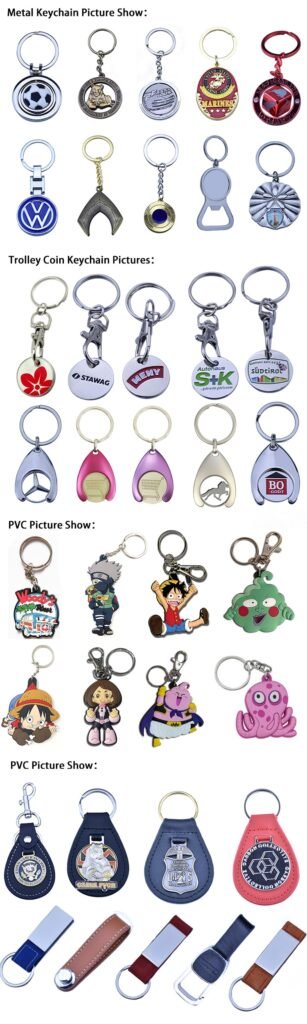
Not all keychains are created equal. The material you choose sends a powerful message about your brand and dramatically affects your production costs. Here’s what you need to know:
Metal Keychains offer premium appeal and exceptional durability. They’re perfect for luxury brands, corporate gifts, or any application where perceived value matters. The trade-off? Higher per-unit costs and potentially longer production times due to mold creation.
Acrylic Keychains are the workhorses of the promotional world. Lightweight, affordable, and capable of full-color designs, they’re ideal for e-commerce platforms targeting younger demographics or brands running large-scale giveaway campaigns.
Enamel Keychains strike a beautiful balance between quality and cost. The glossy finish and vibrant colors make them feel special without breaking the budget—perfect for collectibles or retail merchandise.
PVC and Silicone Keychains bring 3D designs to life. PVC keychains are not metal keychains. If your logo or mascot has dimension, these materials let you showcase it. They’re also incredibly durable and weather-resistant, making them smart choices for outdoor brands or active lifestyle companies.
Leather Keychains scream sophistication. They’re your go-to for high-end corporate gifts, luxury brands, or products positioned as premium accessories rather than throwaway promotional items.
The Design Process: From Concept to Production-Ready File
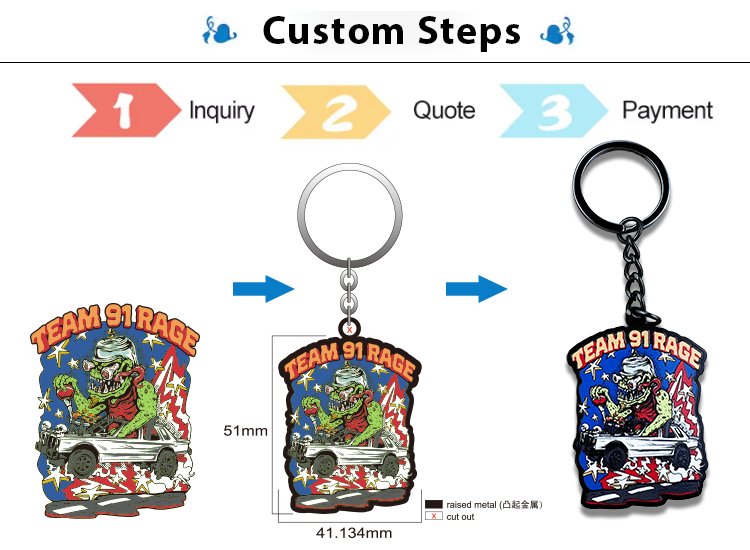
Now for the fun part—actually designing your keychain. Let’s break this down into manageable steps.
Start with Purpose and Audience
Every great design starts with a clear goal. Are you creating specialized keychains for a specific event? Building a retail collection? Launching a promotional campaign? Your answer shapes everything that follows.
For traders, consider versatility—designs that appeal to multiple buyer types. E-commerce sellers should think about photography: will this design look compelling in a thumbnail image? Brands need to balance visibility with aesthetics—your logo should be prominent but not overwhelming.
Size and Shape Decisions
Standard keychains typically range from 0.5 to 3 inches in their longest dimension. Smaller feels delicate and modern; larger makes a bold statement but can feel bulky in pockets. For retail products, consider how they’ll display on hooks or cards.
Shape is where you can get creative with keychain ideas. While circles and rectangles are classics, custom die-cut shapes that echo your brand—a coffee cup for a café, a house for real estate, a paw print for pet products—create instant recognition and emotional connection.
Color Strategy That Works
Color choices affect both aesthetics and manufacturing costs. Full-color printing offers unlimited possibilities but works best on acrylic or printed metal. Enamel keychains typically use 1-5 colors, each adding to the cost. For metal keychains, consider whether a single metallic finish might actually create more premium appeal than multiple colors.
Pro tip: Always specify Pantone colors for brand consistency. “Light blue” means different things to different manufacturers—Pantone 2985C is universal.
Typography That Reads
Here’s where many designs fail: text that’s illegible at keychain scale. If you’re including website URLs, phone numbers, or taglines, test them at actual size. A good rule of thumb: if you can’t easily read it at arm’s length, it’s too small.
Engraved text offers permanence and elegance. Printed text allows for color and detail. Choose based on your message and material.
Preparing Your Design Files Like a Pro
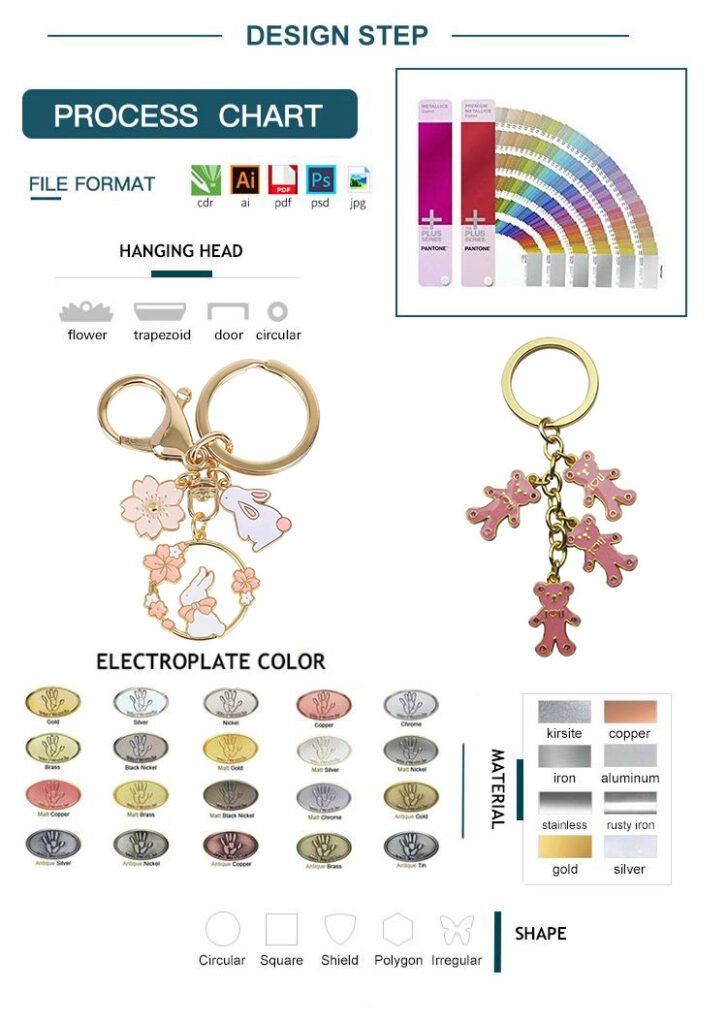
Even the most beautiful concept fails without proper file preparation. Manufacturers need vector files—typically Adobe Illustrator (.AI), EPS, or PDF formats. Why vector? Because they scale infinitely without losing quality.
Your file should include:
- All text converted to outlines (prevents font substitution issues)
- Colors specified in Pantone for accuracy
- Clear indication of which elements should be engraved, printed, or filled
- Bleed area marked if using edge-to-edge designs
- Hole placement clearly indicated
Don’t have design software? Tools like Canva Pro or Inkscape offer surprisingly robust capabilities for keychain design, though you may still need to convert final files to manufacturer specifications.
Decoration Methods That Elevate Your Design
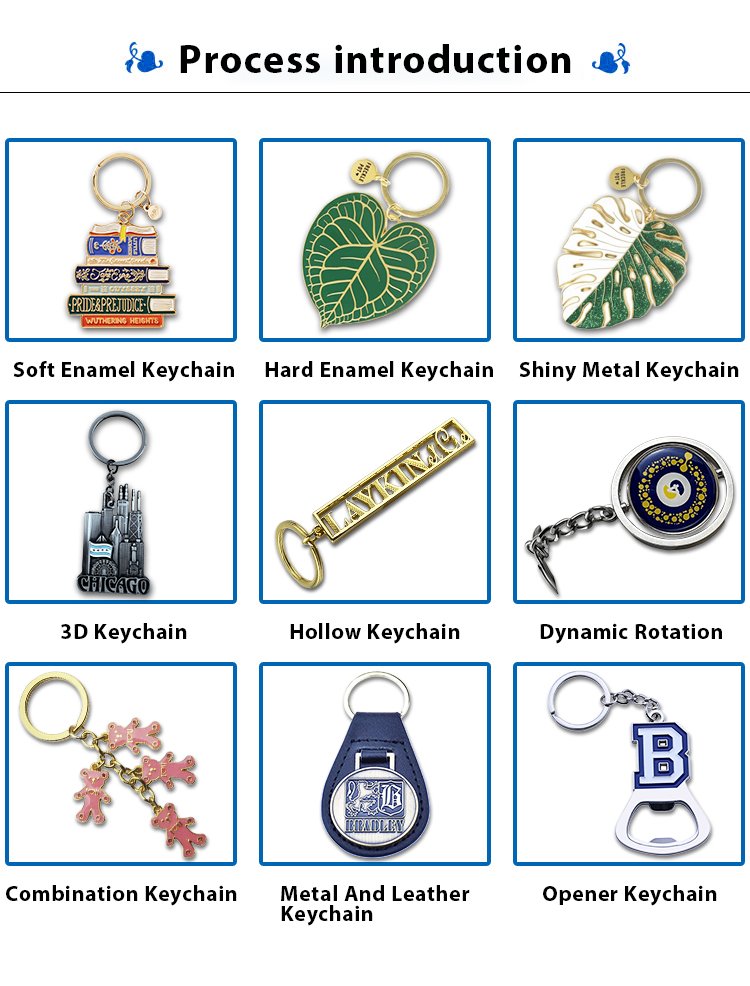
The decoration method you choose dramatically affects the final look and feel. Here are your primary options:
Laser Engraving offers permanent, precise detailing—perfect for metal or wood. It’s monochrome but creates beautiful depth and contrast.
Screen Printing works wonderfully for bold, simple designs on flat surfaces. It’s cost-effective for large runs and offers vibrant color saturation.
Digital Printing enables photo-quality images and unlimited colors, ideal for acrylic keychains or complex artwork.
Embossing and Debossing add tactile dimension that people love to touch—a subtle but powerful sensory element that increases perceived value.
Epoxy Coating creates that glossy, domed finish you see on premium keychains. It also protects printed designs from scratching and fading.
Design Best Practices That Actually Matter
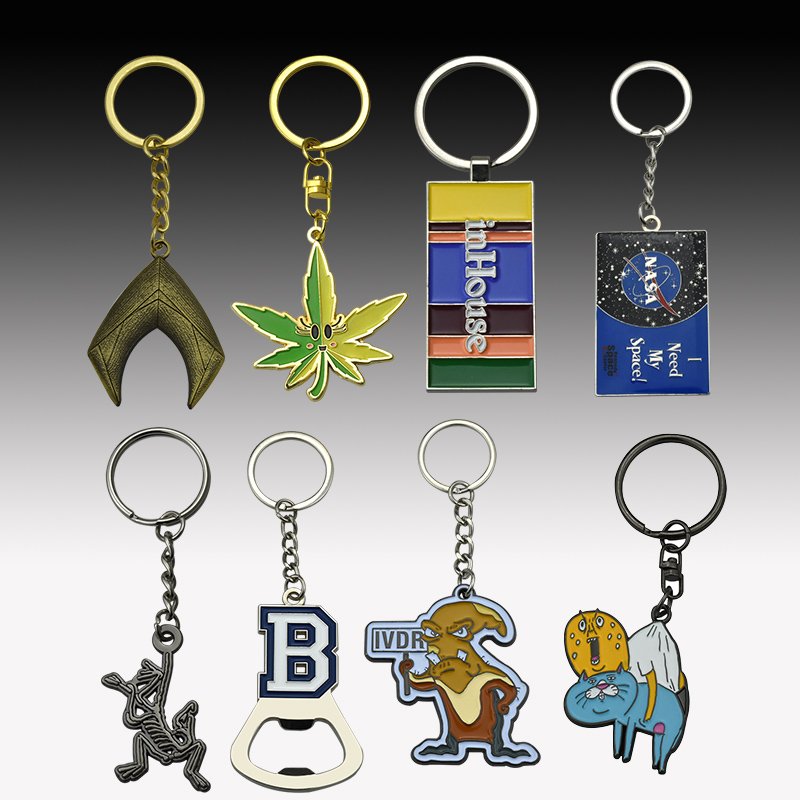
After reviewing hundreds of keychain designs, certain patterns emerge among the winners:
Simplicity wins. Resist the urge to cram every element onto a 2-inch surface. One strong visual element beats five competing ones every time.
Contrast is your friend. Light text on dark backgrounds (or vice versa) ensures readability. Subtle tone-on-tone might look sophisticated on screen but disappears on the actual product.
Think about touch. Smooth edges, comfortable weight, no sharp corners—these tactile considerations determine whether your keychain gets used or discarded.
Test at scale. Print your design at actual size before committing. What looks perfect on a computer screen often reveals issues when reduced to keychain dimensions.
From Design to Reality: Working with Manufacturers
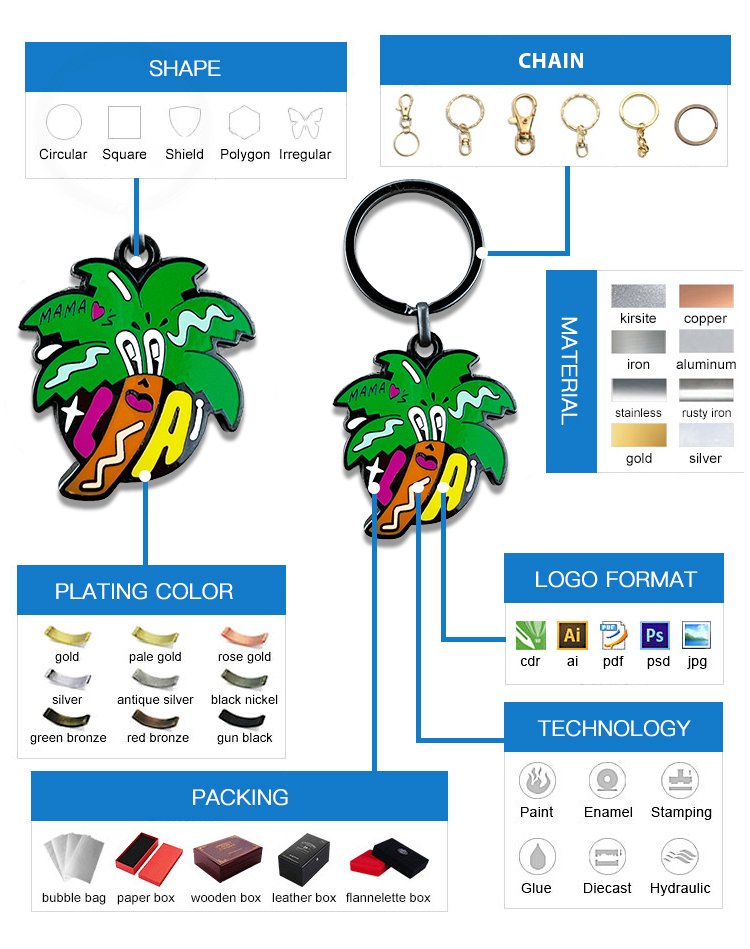
Once your design is ready, partnering with the right manufacturer makes all the difference. Request physical samples before committing to bulk orders—photos can’t capture texture, weight, or color accuracy.
Discuss these key details upfront:
- Minimum order quantities (often 100-500 units)
- Lead times (typically 2-4 weeks for production plus shipping)
- Revision policies and proof approval processes
- Quality control standards and inspection options
- Packaging options (individual polybags, display cards, custom boxes)
For traders working with overseas manufacturers, factor in shipping time and potential customs delays. Air freight costs more but delivers faster; sea freight is economical for large orders but adds weeks to your timeline.
Pricing Strategies for Different Markets
Understanding cost structure helps you price competitively while protecting margins. Key cost factors include:
- Material costs (varies widely by type)
- Setup fees (molds, dies, or screens—often $50-200)
- Per-unit decoration costs (increases with complexity)
- Packaging (custom cards or boxes add premium appeal and cost)
- Shipping (can be significant for international orders)
Wholesale traders typically mark up 50-100% from manufacturing cost. Retail and e-commerce sellers often see 200-400% markups, especially with strong branding and unique designs. Promotional products usually target the lowest possible cost while maintaining acceptable quality.
Trending Ideas for 2026
Stay ahead of the curve with these emerging keychain ideas:
Sustainable materials like recycled plastic, bamboo, or cork resonate with eco-conscious consumers and align with corporate responsibility initiatives.
Tech integration is growing—NFC chips for contactless sharing, Bluetooth trackers, or QR codes linking to digital experiences transform keychains from static to interactive.
Minimalist aesthetics continue dominating, especially among younger buyers. Think clean lines, geometric shapes, and limited color palettes.
Personalization options drive e-commerce sales. Offering name engraving or custom color choices can justify premium pricing and reduce returns.
Multi-functional designs add value—bottle openers, rulers, phone stands, or stylus tips make your keychain indispensable rather than decorative.
Your Next Steps
Designing a successful keychain doesn’t require artistic genius—just understanding your audience, respecting the medium’s constraints, and partnering with quality manufacturers. Whether you’re ordering 100 units for a corporate event or launching a 10,000-piece retail collection, the principles remain the same: keep it simple, make it meaningful, and ensure it’s built to last.
Ready to bring your keychain vision to life? Contact us to learn more details. Start by sketching three different concepts, then evaluate each against your goals, budget, and audience. The design that balances all three is your winner.
Remember: the best keychains aren’t just accessories—they’re tiny ambassadors for your brand, traveling wherever your customers go. Make them count.