Choosing the right belt buckle might seem like a small detail, but for traders, brands, e-commerce platforms, and retail buyers, it’s a decision that can significantly impact your product line’s success.
Whether you’re sourcing promotional merchandise, building a retail collection, or creating custom branded items, understanding belt buckles is essential to delivering value to your customers.
In this guide, we’ll walk you through everything you need to know about selecting belt buckles for your business—from understanding how they work to choosing the perfect style and material for your target market.
How Does a Belt Buckle Work?
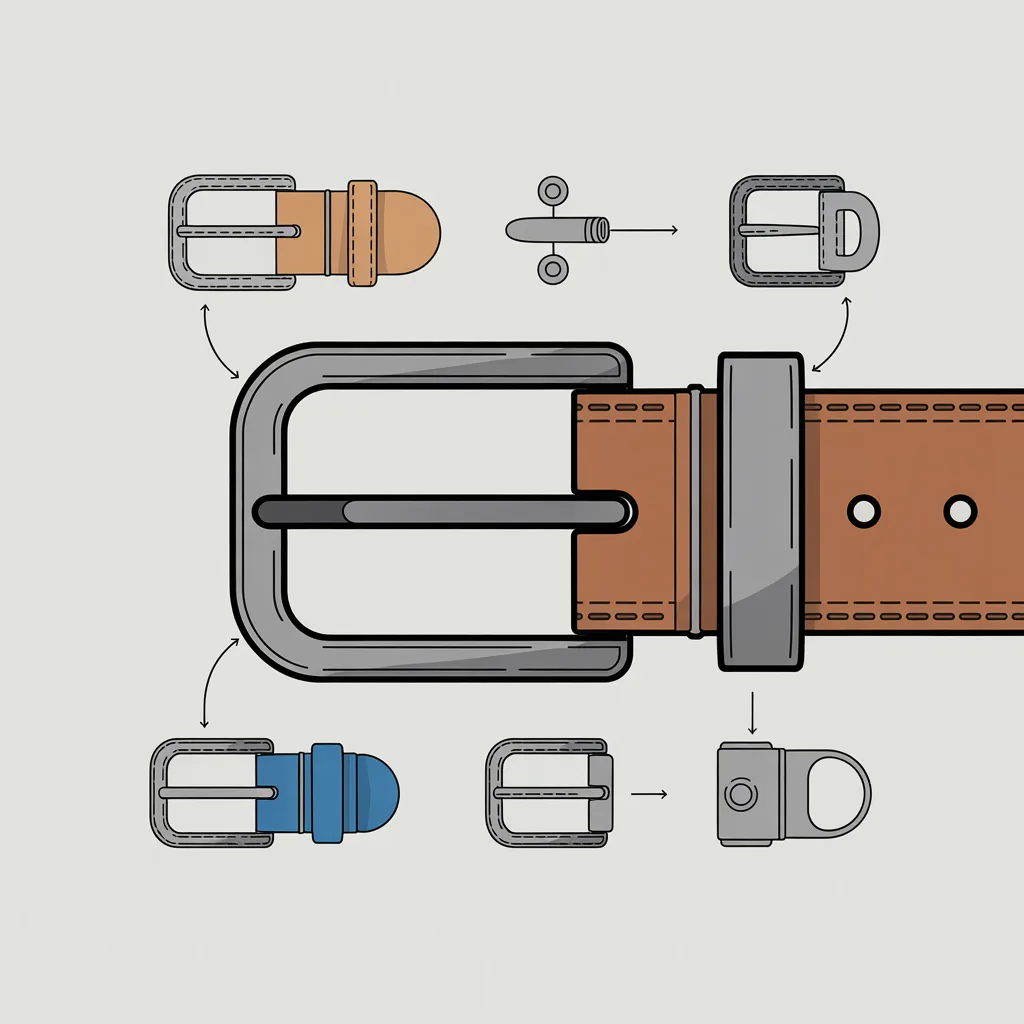
Before diving into selection criteria, let’s cover the fundamentals. How does a belt buckle work? At its core, a belt buckle is a clasp mechanism that secures two ends of a belt together.
The most traditional design features a metal frame with a prong (or pin) that passes through pre-punched holes in the belt strap, creating an adjustable fit.
Modern innovations have expanded beyond this classic design. Today’s buckles include ratchet systems with hidden tracks, magnetic closures that snap together seamlessly, and quick-release military-style mechanisms.
Each type serves the same purpose—keeping the belt secure—but offers different advantages in terms of convenience, aesthetics, and functionality.
Understanding how to use a belt buckle is equally important for your customers. The traditional prong buckle requires threading the belt end through the frame and inserting the prong into the appropriate hole.
Newer styles like ratchet buckles simply slide through and auto-lock with a satisfying click, while magnetic buckles require just bringing both ends together. When sourcing for your business, consider how user-friendly each mechanism is for your target demographic.
The Belt Buckle Rule: Why It Matters for Your Brand
Here’s an essential style principle every retailer should know: what is the belt buckle rule? In fashion, the belt buckle rule states that your buckle’s metal finish should match your other accessories—particularly your watch, shoes, and jewelry.
Silver buckles pair with silver watches and black shoes, while gold or brass buckles complement brown leather footwear and gold-tone accessories.
Why does this matter for your business? Because educated customers make confident purchases. When you understand and can communicate these styling guidelines, you position yourself as an expert supplier.
This builds trust and can even increase average order values when customers purchase coordinating items together.
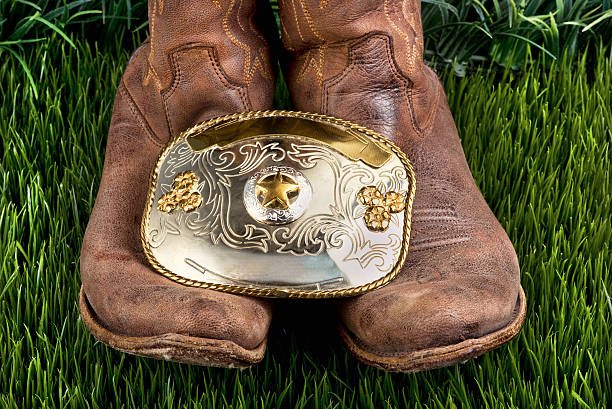
Additionally, how to wear belt buckle properly affects customer satisfaction. The buckle should sit centered at the waistline, not off to the side. For Western-style plate buckles, the decorative element should be prominently displayed.
These details might seem minor, but they influence how customers perceive product quality and whether they become repeat buyers.
Exploring Different Belt Buckle Types for Your Product Line
The belt buckle market offers remarkable variety, and understanding different belt buckle types helps you curate the perfect collection for your customers. Let’s explore the most popular categories:
Classic Prong Buckles
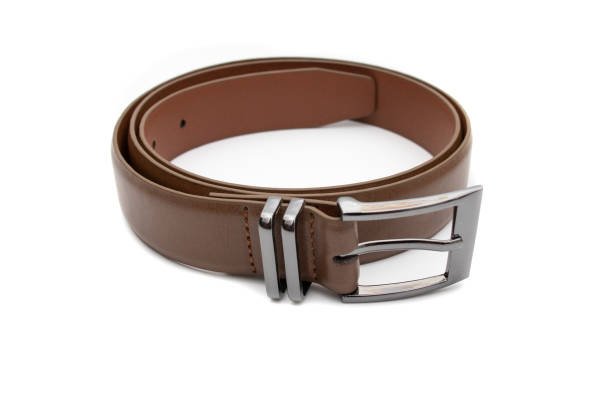
The timeless prong (or pin) buckle remains the most common style for good reason. It’s reliable, versatile, and works for both formal and casual applications.
These buckles feature a simple metal frame with a hinged prong that secures the belt through pre-punched holes.
Best for: Traditional retail belts, dress belts, everyday casual wear
Business advantage: Low production costs, high customer familiarity, excellent profit margins
Customization potential: Logo engraving on the frame, varied finishes (polished, brushed, antique)
Modern Ratchet Buckles
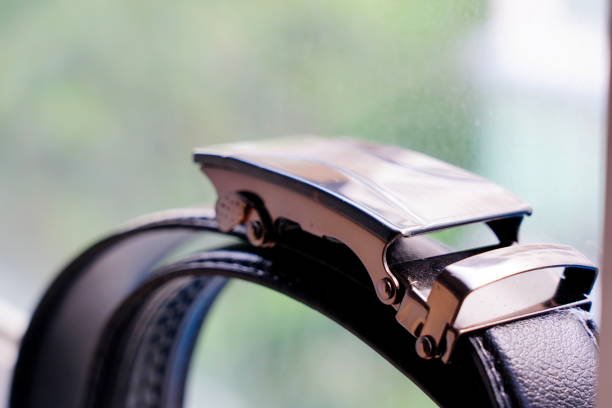
Ratchet or auto-lock buckles represent innovation in belt technology. Instead of holes, the belt strap has a hidden track system underneath.
The buckle automatically grips this track when you slide the belt through, offering micro-adjustable precision.
Best for: E-commerce platforms, tech-savvy customers, premium product lines
Business advantage: Modern appeal, “no holes” selling point, high perceived value
Customer benefit: Perfect fit every time, no belt hole stretching over time
Western Belt Buckle Styles
Western belt buckle styles deserve special attention due to their strong niche market appeal and high-margin potential. These decorative plate buckles feature large, flat designs often adorned with intricate engravings, brand logos, or southwestern motifs.
Trophy buckles—awarded at rodeos and competitions—represent the premium end of this category.
Best for: Western wear retailers, event awards, collector markets, promotional items
Business advantage: High customization potential, premium pricing justified by artistry
Target demographics: Western enthusiasts, country music fans, rodeo communities, corporate awards
The beauty of Western buckles lies in their versatility as promotional items. A company can create custom trophy-style buckles for sales awards, anniversaries, or client appreciation gifts that become cherished keepsakes.
Magnetic and Innovative Buckles
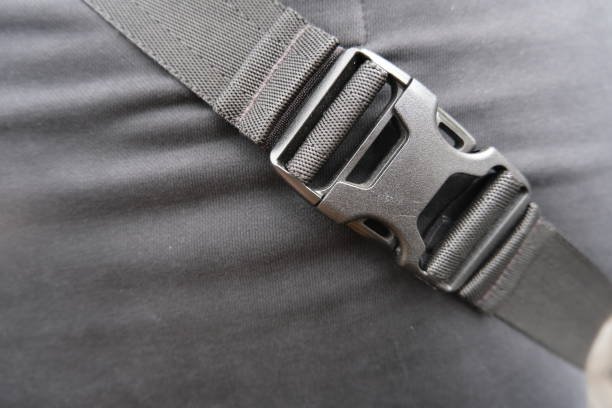
Magnetic buckles offer the ultimate in convenience with their simple snap-together design. They create a seamless, modern look perfect for minimalist brands and tech-forward customers.
Best for: Contemporary fashion lines, travel accessories, modern casual wear
Business advantage: Novelty appeal, easy marketing message (“just snap and go”)
Consideration: Ensure magnetic strength is tested for durability and customer satisfaction
Military and Tactical Buckles
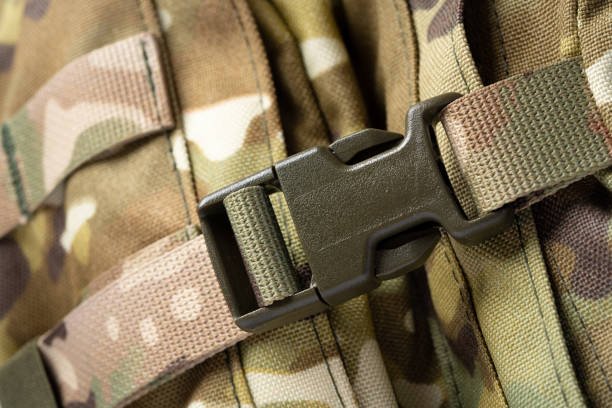
Military-style friction buckles with quick-release mechanisms appeal to outdoor enthusiasts, utility belt markets, and practical-minded customers. These typically feature durable canvas or nylon webbing.
Best for: Outdoor gear, workwear, tactical equipment, casual streetwear
Business advantage: Durability as key selling point, appeals to EDC (everyday carry) community
Target market: Outdoor brands, construction/industrial suppliers, tactical retailers
Material Matters: Choosing the Right Metal for Your Market

Material selection directly impacts your product positioning, pricing strategy, and profit margins. Here’s what you need to know:
Zinc Alloy: The Versatile Workhorse
Zinc alloy dominates the custom buckle market for excellent reasons. It’s cost-effective, allows for intricate die-cast designs, and accepts various finishes beautifully—from polished chrome to antique brass.
Best applications: Promotional buckles, mid-range retail products, custom logo designs
Price point: Budget to mid-range
Customization: Excellent for detailed logos, enamel fills, 3D embossing
Stainless Steel: Premium Durability
Stainless steel buckles command higher prices but justify them through exceptional durability and corrosion resistance. They’re ideal for positioning products as premium, long-lasting investments.
Best applications: High-end retail, corporate gifts, luxury belt lines
Price point: Mid-range to premium
Customer appeal: Professional appearance, hypoallergenic properties, minimal maintenance
Brass: Classic Western Appeal
Solid brass buckles develop a beautiful patina over time, adding to their character. They’re particularly popular in Western and heritage markets.
Best applications: Western wear, vintage-inspired collections, artisan crafts
Price point: Mid-range to premium
Unique selling point: Authentic vintage aesthetic, develops character with age
Key Selection Criteria for B2B Buyers
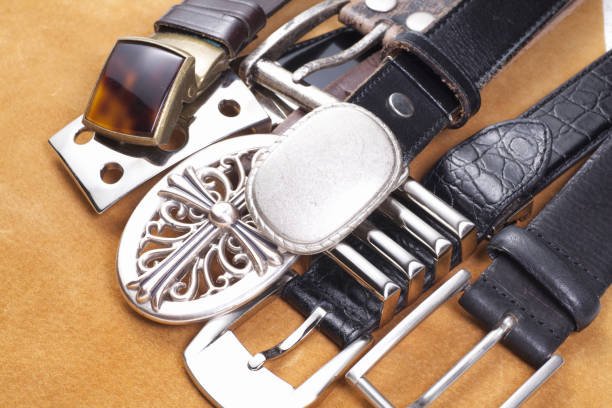
When sourcing belt buckles for your business, consider these essential factors:
1. Target Market Alignment
Match buckle style to your customer base:
- Corporate/professional customers: Sleek prong or box frame buckles in polished finishes
- Casual/Western enthusiasts: Decorative plate buckles and trophy styles
- Active/outdoor market: Military-style and tactical buckles
- Fashion-forward shoppers: Magnetic, designer, and innovative styles
2. Customization Requirements
Custom buckles transform ordinary accessories into branded merchandise. Look for suppliers offering:
- Logo integration: Engraving, embossing, or enamel fills
- Size specifications: Standard widths (35mm for dress belts, 40mm for casual)
- Finish options: Match your brand colors through plating or enamel
- Free design services: This reduces upfront costs and streamlines development
3. Sourcing Strategy Advantages
Smart sourcing starts with flexibility. When evaluating suppliers, prioritize those offering:
- No or low MOQ (minimum order quantity): This lets you test designs without massive inventory risk
- Free design mockups: Visualize the final product before committing
- Scalable production: Start small and expand based on market response
- Reliable communication: Responsive suppliers prevent costly delays
For example, being able to order 50 custom buckles to test a design is invaluable compared to committing to 1,000 units sight unseen.
4. Quality Assurance
Establish clear quality standards:
- Request samples before bulk orders
- Verify weight, finish quality, and mechanism functionality
- Test durability (prong strength, magnetic hold, ratchet smoothness)
- Confirm packaging meets your retail or gifting requirements
Practical Business Applications

Belt buckles serve multiple revenue streams for savvy businesses:
E-commerce Opportunities
Online platforms can leverage belt buckles through:
- Bundle sales: Offer belts with interchangeable buckle sets
- Customization options: Let customers add names or initials for personalization premiums
- Seasonal promotions: Western buckles for rodeo season, elegant styles for formal events
- Subscription boxes: Include as surprise accessories in monthly packages
Corporate and Promotional Markets
Custom buckles excel as:
- Employee recognition awards: Commemorate years of service or achievements
- Trade show giveaways: Functional items recipients actually use
- Client appreciation gifts: High-perceived value with logo visibility
- Event memorabilia: Conferences, company anniversaries, fundraisers
Retail Merchandising
Physical retailers can maximize sales through:
- Mix-and-match displays: Show one belt with multiple buckle options
- Premium positioning: Present custom buckles as upgrade purchases
- Gift packaging: Ready-to-gift presentation increases impulse purchases
Sizing and Compatibility: Getting It Right
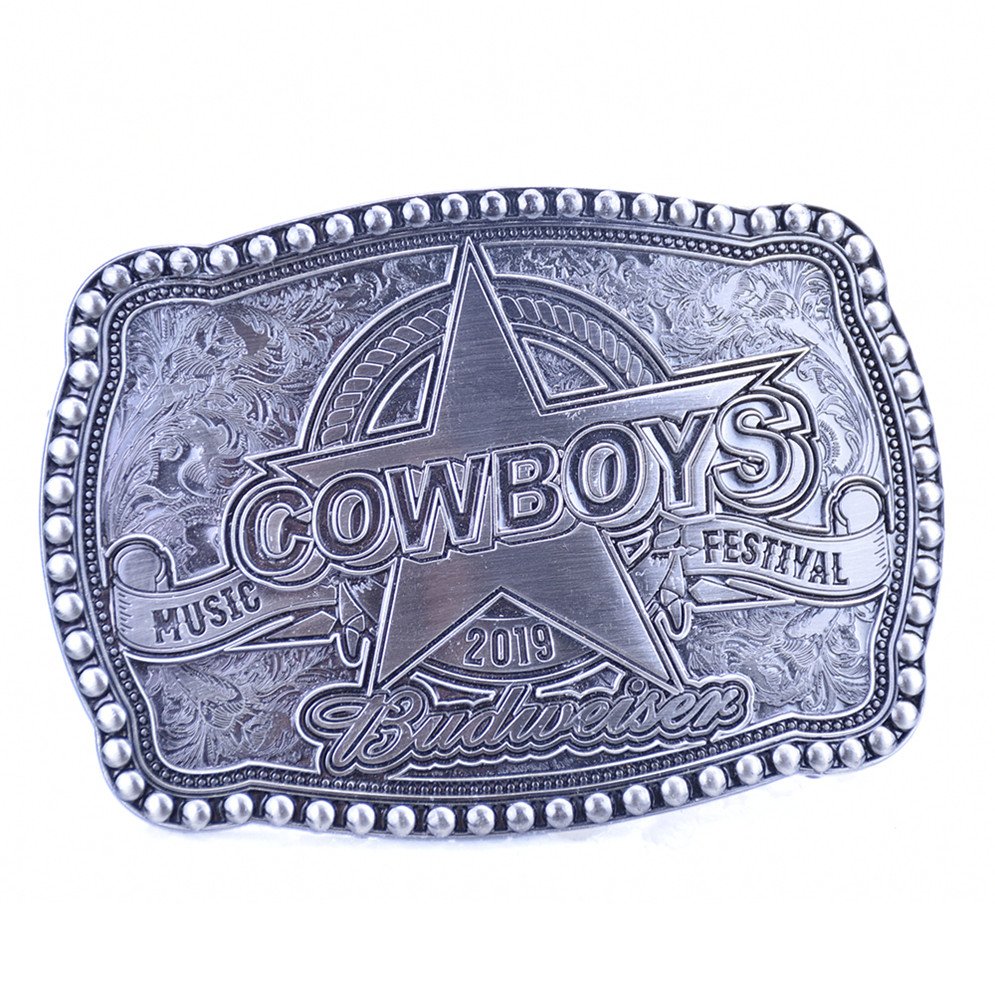
Belt buckle sizing follows standardized measurements, primarily based on belt strap width:
- 35mm (1.375″): Standard for dress belts and formal wear
- 40mm (1.5″ to 1.6″): Most common for casual and Western belts
- Custom sizes: Available for specialized applications
The buckle width MUST match the belt strap width. A 35mm buckle won’t fit a 40mm belt strap, and attempting to force it results in poor appearance and customer returns.
Pro tip for businesses: When sourcing both belts and buckles, order samples to verify compatibility before bulk ordering. This simple step prevents costly inventory mismatches.
Cost-Benefit Analysis for Smart Sourcing
Understanding pricing dynamics helps you build profitable product lines:
Material costs (from lowest to highest): Zinc alloy → Aluminum → Brass → Stainless steel → Titanium
Customization impacts: Basic buckles cost less, but logo addition typically adds $0.50-$2.00 per unit depending on complexity and finish.
Volume discounts: Most suppliers offer tiered pricing. A 100-unit order might cost $5/buckle, while 500 units drop to $3.50, and 1,000 units reach $2.75.
Retail markup strategy: Standard industry practice suggests 2-3x wholesale cost for retail pricing. A $3 wholesale buckle retails for $6-$9, with custom designs commanding premium positioning at $12-$15.
Supplier Selection Checklist
When choosing a belt buckle supplier for your business, verify these essentials:
✓ Flexible MOQ: Especially important for testing new designs
✓ Free design services: Reduces your development costs
✓ Sample availability: See and feel quality before committing
✓ Production timeline transparency: Know what to expect
✓ Clear communication: Responsive to questions and concerns
✓ Quality guarantees: Protection against defective products
✓ Shipping reliability: On-time delivery matters for inventory planning
Taking Action: Your Next Steps
Ready to source belt buckles for your business? Here’s your action plan:
Step 1: Define your target customer and their style preferences
Step 2: Select 2-3 buckle styles that align with your market
Step 3: Choose materials based on your price point and brand positioning
Step 4: Request free design mockups for custom logo integration
Step 5: Order samples to evaluate quality firsthand
Step 6: Start with a small production run to test market response
Step 7: Scale based on sales performance and customer feedback
The beauty of working with suppliers offering no MOQ and free design services is the ability to move quickly and test ideas without enormous upfront investment.
This agility is particularly valuable in today’s fast-moving e-commerce environment.
Belt Buckles as Business Opportunity
Choosing the right belt buckle involves balancing style, functionality, material quality, and cost considerations. For traders, brands, e-commerce platforms, and retail buyers, understanding different belt buckle types—from classic prong styles to Western belt buckle styles—is essential for building a profitable product line that resonates with your target market.
The right belt buckle is more than a functional clasp—it’s a branding opportunity and customer satisfaction driver. Partner with suppliers offering free design services, no minimum order quantities, and responsive communication to test ideas confidently and scale as your market responds
We specialize in custom belt buckles with no MOQ, free design services, and fast turnaround times for businesses of all sizes. Whether you need 50 promotional buckles or 5,000 retail units, our team helps bring your vision to life with expert guidance every step of the way.