Imagine dangling a tiny piece of your personality from your keys or backpack – that’s the magic of acrylic keychains! These little gems have exploded in popularity, serving as everything from personalized keepsakes to clever branding tools. Whether you’re a brand looking to create memorable merch, an e-commerce platform stocking up on trendy items, or a retail buyer scouting for hot sellers, understanding how acrylic keychains are made can unlock a world of creative possibilities. In this guide, we’ll dive into the fascinating process behind these durable, customizable accessories.
Acrylic keychains are essentially small, lightweight charms made from acrylic plastic, often featuring vibrant designs, logos, or artwork. They’re shatter-resistant, affordable, and endlessly versatile, making them a favorite for promotions, gifts, and everyday flair. If you’ve ever wondered “how are acrylic keychains made,” you’re in the right place! We’ll cover everything from basic DIY methods to professional manufacturing, sprinkling in tips for brands, e-commerce sellers, and retail buyers along the way. Think of this as your friendly roadmap to turning ideas into tangible treasures – let’s get crafting!
Section 1: Understand Acrylic Keychains
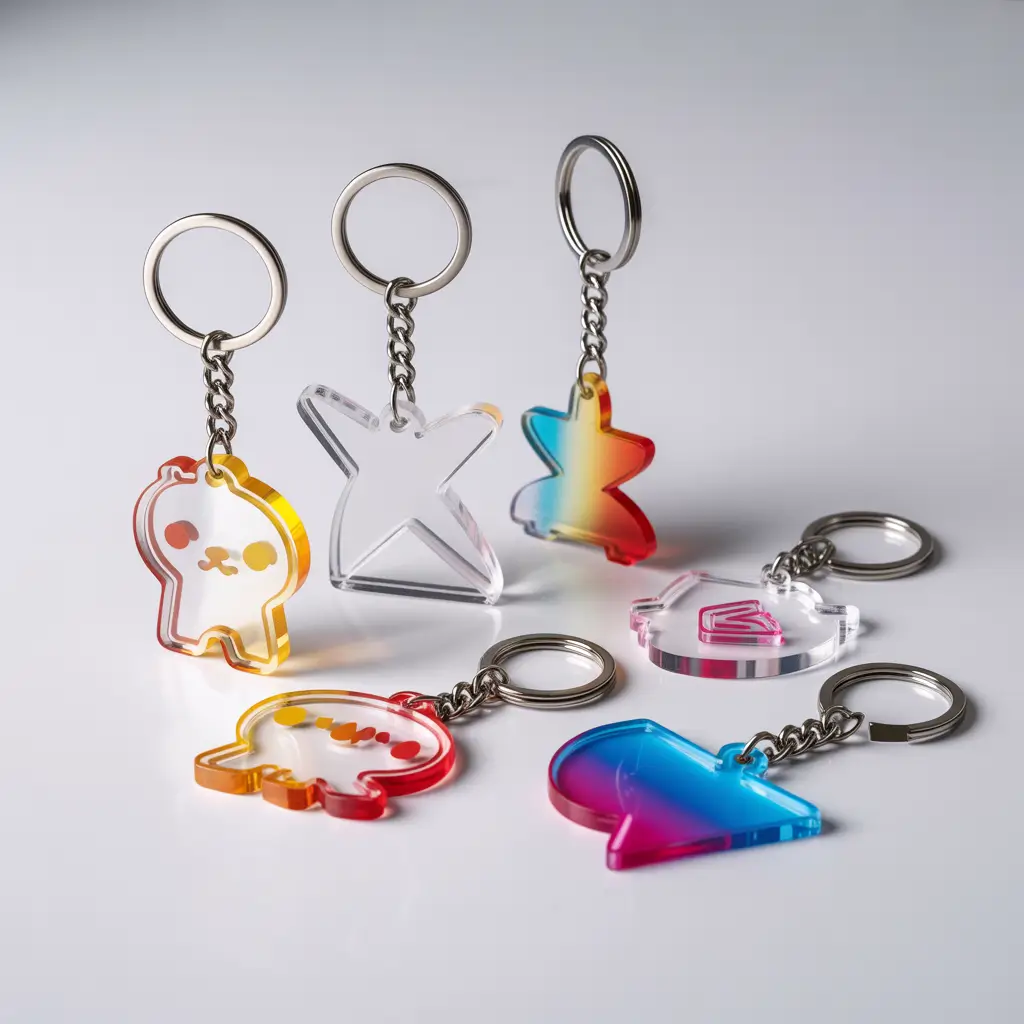
First things first: What exactly are acrylic keychains? At their core, they’re compact accessories crafted from acrylic, a type of transparent plastic that’s tougher than glass but lighter and more flexible. You might know them as those fun, dangling items on keyrings, but they come in all shapes and sizes – from simple circles and hearts to intricate custom shapes like animals or logos.
There are several types to explore. Clear acrylic keychains offer a sleek, modern look where designs seem to float inside the material, perfect for minimalist branding. Then there are holographic versions that shimmer like a rainbow in sunlight, adding a touch of magic. Glitter-infused ones sparkle with embedded flecks, while double-sided options allow for artwork on both sides, doubling the fun. And don’t forget cute acrylic keychains – think adorable cartoon characters or motivational quotes that make you smile every time you grab your keys.
These keychains aren’t just cute; they’re practical powerhouses. Brands love them for promotional giveaways because they’re cost-effective and highly customizable, helping to boost visibility in a subtle way. E-commerce platforms thrive on selling bulk acrylic keychains, often dropshipping them to customers who crave personalized items. Retail buyers, meanwhile, stock them as impulse buys near checkouts, capitalizing on their appeal as affordable accessories.
Why pick acrylic over other materials like metal or wood? Acrylic is lightweight (no more bulky keyrings weighing you down!), shatter-resistant (ideal for everyday use), and capable of holding vibrant colors without fading. Plus, it’s more eco-friendly in some recycled forms compared to traditional plastics. In a market where personalization is king, acrylic keychains stand out for their ability to blend durability with creativity. Whether you’re pondering how to make plastic keychains at home or scaling up for business, acrylic’s versatility makes it a winner.
Section 2: Essential Materials for Making Acrylic Keychains
Before we roll up our sleeves and get into the making process, let’s talk about the building blocks. Gathering the right materials is like assembling your superhero toolkit – it sets you up for success!
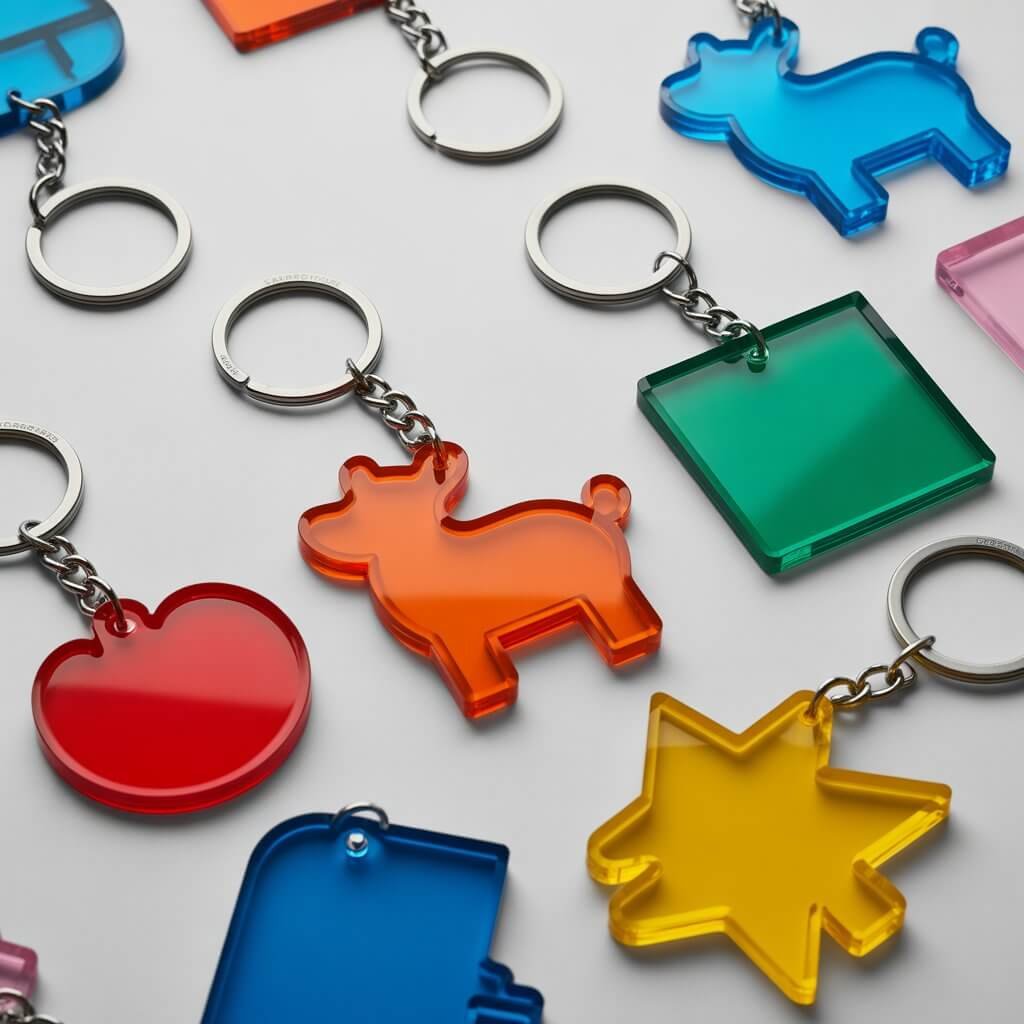
The star of the show is acrylic itself. You’ll need acrylic sheets or blanks, which come in various thicknesses (typically 2-4.5mm for keychains) and styles. Clear acrylic keychains start with transparent blanks, while opaque or colored ones add a base hue. For that extra flair, opt for holographic, glitter, or rainbow varieties – these can turn ordinary designs into eye-catching wonders.
Next up are the design elements. Permanent adhesive vinyl in colors or metallics is great for adding patterns or text. For printing, you’ll want UV inks or special PET film that can handle high-resolution artwork. Epoxy resin or clear sealants like Mod Podge provide a protective layer, ensuring your keychains withstand daily wear and tear.
Tools and equipment vary by method, but essentials include vinyl cutters like the Silhouette Cameo or Cricut for precise shapes. Laser engravers, such as the LaserPecker, allow for etching and cutting with pinpoint accuracy. For pro-level results, a UV printer is a game-changer, enabling full-color prints directly onto the acrylic. Don’t forget weeding tools for removing excess vinyl, transfer tape for application, and jewelry pliers for assembly.
Hardware brings it all together: keyrings, jump rings (around 8mm for sturdiness), tassels for a boho vibe, or charms for added personality. If you’re going fancy, zinc alloy frames can give a metallic edge.
Sourcing these materials is straightforward and budget-friendly. Online marketplaces like Amazon or Etsy offer blanks under $20 for starters. For bulk acrylic keychains, check suppliers like Alibaba or specialized acrylic keychain makers who provide wholesale options. Retail buyers might prioritize suppliers with fast shipping to keep inventory fresh, while e-commerce platforms can leverage dropshipping partners for seamless fulfillment. Pro tip: Always buy high-quality acrylic to avoid yellowing over time – it’s worth the slight upcharge for longevity!
Section 3: Step-by-Step Manufacturing Processes
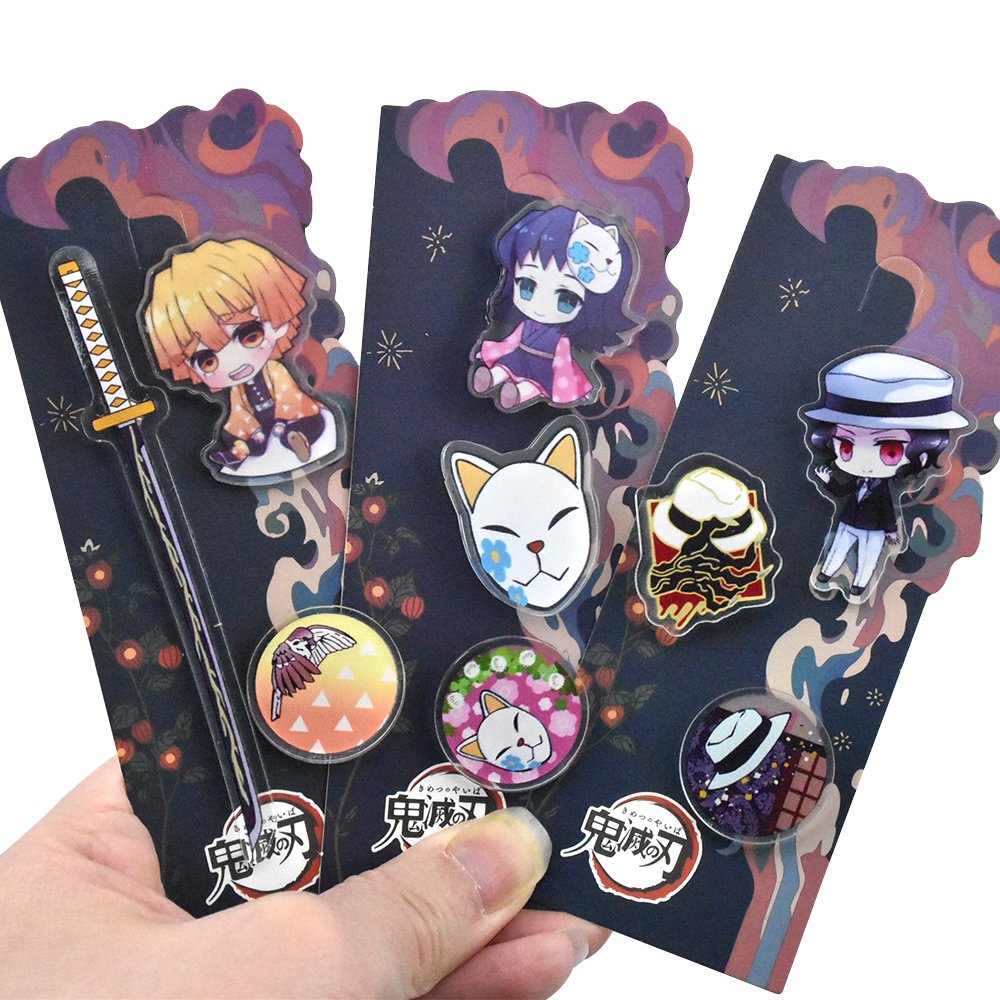
Now, the exciting part: How are acrylic keychains actually made? We’ll break it down into DIY for hobbyists and small batches, then scale up to professional methods for brands and bulk production. It’s like baking a cake – start simple, then add layers for complexity!
DIY Methods for Small-Scale Production
If you’re just starting out or testing acrylic keychain ideas, DIY is your playground. It’s accessible, fun, and requires minimal investment.
First, the vinyl application method – perfect for beginners wondering how to make plastic keychains without fancy gear. Start by designing your artwork in software like Canva or Silhouette Studio. Size it to fit your blank (e.g., a 2-inch circle for cute acrylic keychains). Cut the vinyl using your cutter, weed out the excess material (that’s the satisfying part where you peel away the unwanted bits), and apply transfer tape. Clean your acrylic blank with rubbing alcohol, then stick the vinyl on – front for single-sided, or both sides for double the impact. Assemble with a jump ring and keychain clip using pliers. Optional: Seal with epoxy for shine and protection. Voila! You’ve got a custom piece in under an hour.
Next, laser engraving and cutting ramps up the precision. Prepare your design, then use a machine like LaserPecker to engrave patterns or text directly onto the acrylic. For color, apply marking paper first. Cut out shapes if needed, clean off residue, and finish with assembly. This method shines for intricate details, like etching a brand logo onto clear acrylic keychains.
For a step up, try basic UV printing. Print your design on PET film using a UV printer, layer it between acrylic sheets, and seal. It’s great for vibrant, full-color cute acrylic keychains, but might require borrowing equipment if you’re not set up.
These DIY approaches are ideal for e-commerce testing prototypes or retail buyers creating samples. They’re hands-on and rewarding – think of it as crafting therapy!
Professional and Bulk Manufacturing
When it’s time to go big, professional methods ensure consistency and quality, especially for bulk acrylic keychains.
UV printing combined with advanced assembly is the pro standard. Start with high-res designs, print using UV ink on acrylic or film, then layer for effects like shaker styles (add sequins inside for a fun rattle!). Cut shapes precisely, apply epoxy or glitter, and assemble with hardware. Quality checks catch any flaws, ensuring every piece is retail-ready.
Outsourcing to an acrylic keychain maker is a smart move for brands and e-commerce platforms. Prepare your designs using their templates, upload to services to Unique, and specify quantities (minimum orders often start at 50). They’ll handle printing, cutting, and shipping – turnaround can be 2-7 days post-approval. It’s efficient for scaling, with bulk discounts making it economical.
Here’s a quick comparison:
| Method | Pros | Cons | Best For |
|---|---|---|---|
| DIY Vinyl | Easy, cheap, colorful | Limited to flat designs | Hobbyists, small tests |
| DIY Laser | Precise, customizable shapes | Needs equipment | Intermediate creators |
| Pro UV Printing | Vibrant, durable effects | Higher cost/setup | Brands, e-commerce |
| Outsourcing | High-quality, no hassle | MOQs and wait times | Bulk acrylic keychains for retail |
No matter the scale, the process turns simple plastic into personalized masterpieces!
Section 4: Design Tips and Customization Options
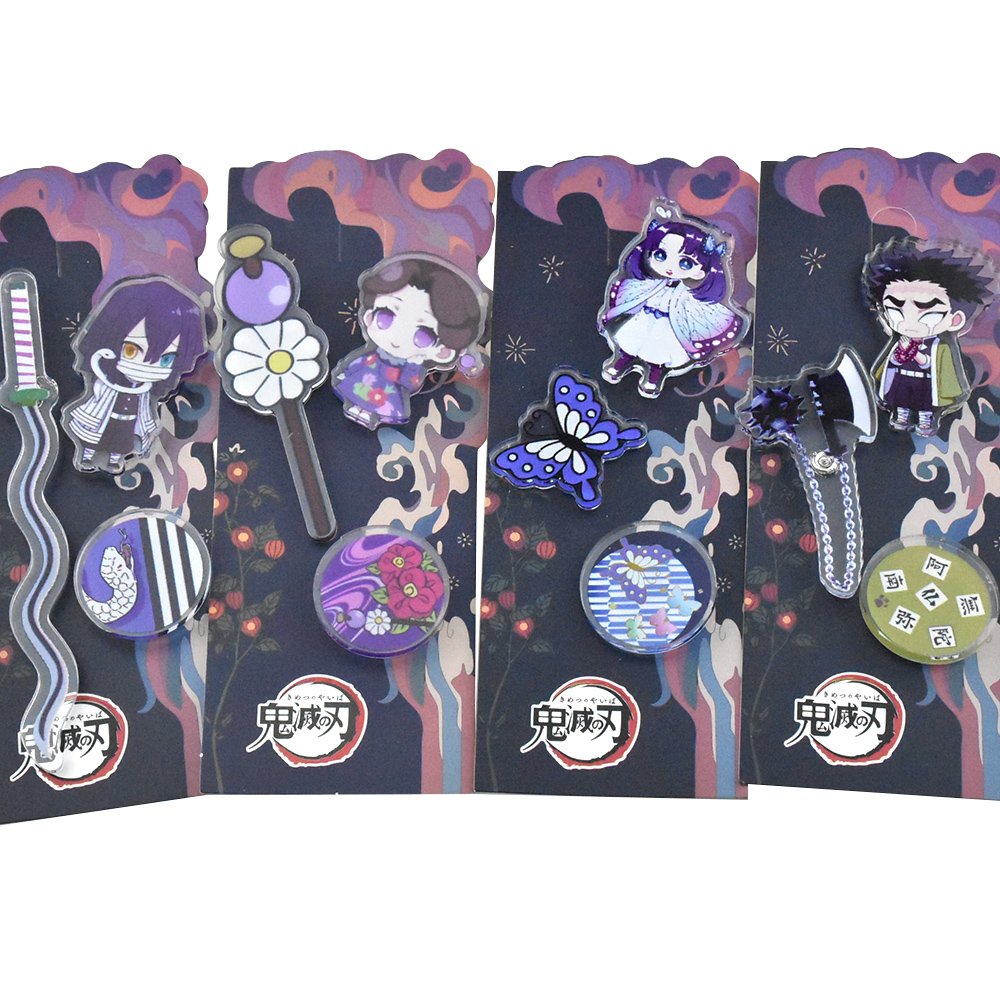
Design is where the fun really begins – it’s your chance to infuse personality! Keep layouts simple: Less text, more impact, especially on small surfaces. Use high-resolution files (at least 300 DPI) to prevent blurring, and add contrast with white underlayers for bold colors.
For customization, explore advanced effects. Glitter or holographic acrylic adds sparkle to cute acrylic keychains, while metal frames give a premium feel. Epoxy domes create a glossy, 3D look that’s scratch-resistant. Shaker designs with floating elements inside are trendy for e-commerce listings.
Brands can integrate logos seamlessly – think clear acrylic keychains with embedded branding for subtle promotion. E-commerce tips: Use keyword-rich descriptions like “custom bulk acrylic keychains” to boost SEO. Software like Adobe Illustrator or Cricut Design Space makes ideation a breeze. Brainstorm acrylic keychain ideas like themed sets (e.g., zodiac signs or travel icons) to appeal to retail buyers stocking diverse inventory.
Section 5: Tips, Warnings, and Best Practices
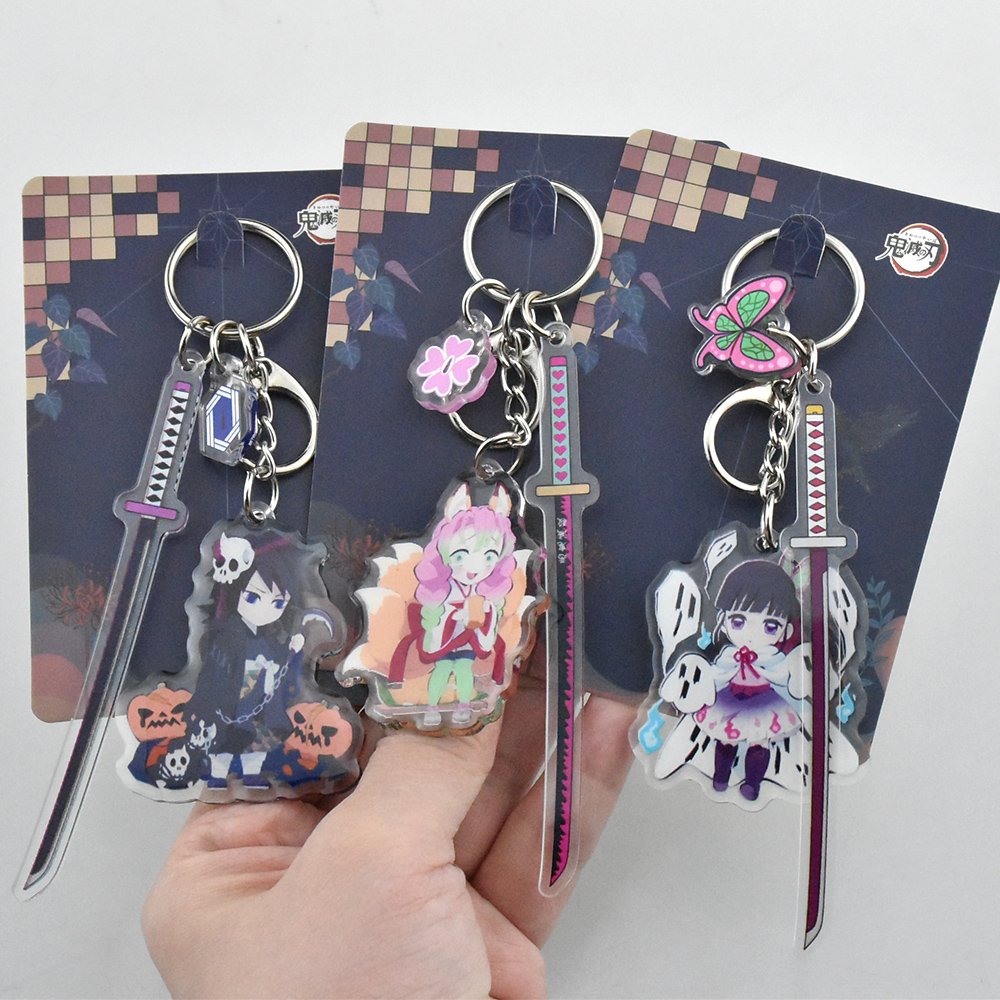
To make your keychains last, follow these nuggets of wisdom. Safety first: Clean surfaces thoroughly for better adhesion, and seal with resin for water resistance. Warnings? Avoid thin acrylic to prevent breakage, and test designs on scraps to dodge costly mistakes.
Scaling up? DIY suits one-offs, but for bulk, calculate costs – outsourcing can drop per-unit prices under $1. E-commerce pros: Optimize listings with photos of acrylic keychain ideas in use. For sustainability, seek eco-acrylic options to attract green-minded buyers.
Best practice: Experiment! Start small, iterate, and have fun – that’s the key to standout creations.
Section 6: Frequently Asked Questions (FAQs)
What materials are needed to make acrylic keychains? Acrylic blanks, vinyl or inks, cutters/lasers, and hardware like keyrings.
Can I make acrylic keychains at home without professional equipment? Absolutely! Vinyl methods are beginner-friendly for how to make plastic keychains.
How much does it cost to produce custom acrylic keychains in bulk? DIY: $1-5 each; bulk outsourcing: $0.50-2 per unit, depending on quantity.
What are the best manufacturers for outsourcing acrylic keychain production? Try Unique Custom Pins or Alibaba for reliable acrylic keychain makers.
How to care for and maintain acrylic keychains? Wipe with soft cloths and mild soap; avoid harsh chemicals to keep them sparkling.
Conclusion
We’ve journeyed through the world of acrylic keychains, from materials and DIY hacks to pro manufacturing and design flair. These versatile items aren’t just accessories – they’re canvases for creativity, branding, and joy. Whether crafting clear acrylic keychains for personal use or ordering bulk acrylic keychains for your store, the process is approachable and rewarding.
Ready to dive in? Brands, brainstorm those acrylic keychain ideas; e-commerce folks, stock up; retail buyers, curate your displays. For starters, try a simple DIY project or reach out to an acrylic keychain maker. Who knows – your next big idea might just be a keychain away! If you’re inspired, check our related articles on keychain types or visit product page for more. Happy crafting!