Ever wondered how custom pins boost brand loyalty, engage traders, or sell quickly in e-commerce? In today’s market, enamel pins are essential for branding, merchandising, and retail. For brands creating premium merch, e-commerce platforms stocking uniques, or retail buyers sourcing eye-catchers, knowing hard vs. soft enamel pins is crucial. This guide explores differences, helping you choose wisely—straightforward and fun!
First: what is an enamel pin? It’s a metal badge coated with colorful enamel, worn on lapels or bags for expression, promotions, or collectibles. How are lapel pins made? Start with molding, stamping metal, adding enamel, and finishing. It’s artistic yet time-consuming—details on why enamel pins take long later. Types of enamel pins include hard, soft, and die struck enamel pins, each with unique perks.
What Are Hard Enamel Pins?
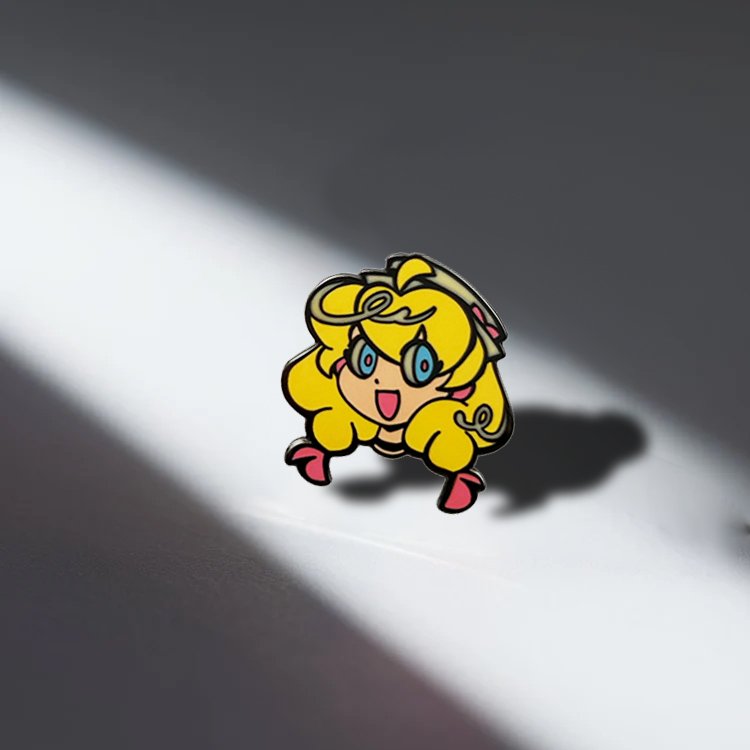
Let’s kick things off with hard enamel pins, often hailed as the “jewelry-grade” option in the world of metal enamel pins. These pins draw from an ancient technique called cloisonné, where metal wires create compartments filled with enamel.
In modern production, the process involves stamping a metal base (usually brass or iron), filling the recessed areas with enamel paste—color by color—and firing each layer in a kiln at high temperatures. This multiple-firing step is crucial, as it hardens the enamel. Once cooled, the pin is polished to a smooth, flat surface where the enamel sits flush with the metal edges. Finally, it’s plated with finishes like gold, silver, or nickel for that shiny, professional look.
What sets hard enamel pins apart? Their key features include a glossy, even surface that’s incredibly vibrant and resistant to fading. The colors pop with jewel-like intensity, and the lack of texture gives them a sleek, sophisticated appearance. From our research and insights from industry experts like WizardPins and Stadri Emblems, hard enamel pins excel in durability, making them perfect for long-term wear without chipping.
For our target audience—brands, e-commerce platforms, traders, and retail buyers—these pins shine in premium applications. Imagine a brand like yours handing out hard enamel pins at trade shows; their luxurious feel reinforces your high-end image. E-commerce sellers love them for resale value, as customers perceive them as collectible treasures. Retail buyers can stock them for upscale stores, where the polished finish appeals to discerning shoppers. If you’re visualizing this, picture a corporate logo pin that’s as elegant as a cufflink— that’s the magic of hard enamel.
What Are Soft Enamel Pins?
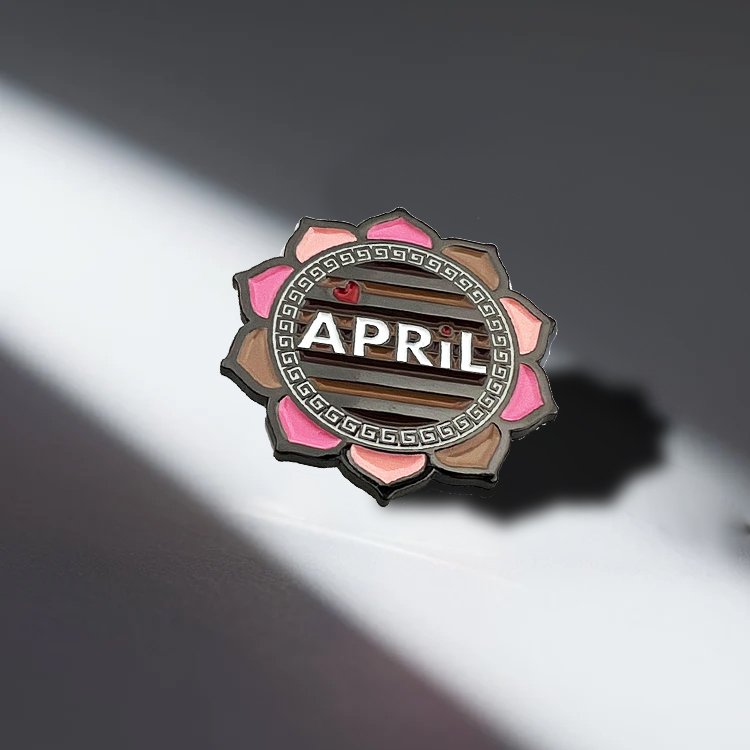
On the flip side, soft enamel pins bring a more textured, artistic flair to the table. These are the go-to for vibrant, detailed designs that feel alive and dimensional. The manufacturing process starts similarly: a metal die strikes the base to create raised outlines and recessed areas. Then, enamel is poured into those recesses, baked once at a lower temperature, and left to cool. Unlike hard enamel, the colors sit below the metal edges, creating a “bumpy” texture that’s tactile and fun to touch. For added protection and smoothness, an optional epoxy resin coating can be applied, turning them into durable yet affordable gems.
Key features? Soft enamel pins offer richer color options, including specialty effects like rainbow plating or glow-in-the-dark finishes. They’re fantastic for intricate details because the recessed enamel allows for sharp lines and shading—think comic book characters or elaborate logos. Drawing from sources like Cocktail Critters and Made by Cooper, these pins are versatile and forgiving for complex artwork, often resulting in a more “handcrafted” vibe.
Why do they appeal to traders, brands, e-commerce platforms, and retail buyers? Affordability is a big win—soft enamel pins cost less to produce, making them ideal for bulk orders in trading scenarios or quick e-commerce launches. Brands can experiment with trendy, limited-edition designs without breaking the bank, while retail buyers appreciate their appeal to younger demographics who love the 3D effect. E-commerce platforms thrive on their variety; stock a batch with epoxy for everyday durability, and watch them sell out as fun, customizable merch.
Key Differences Between Hard Enamel Pins and Soft Enamel Pins
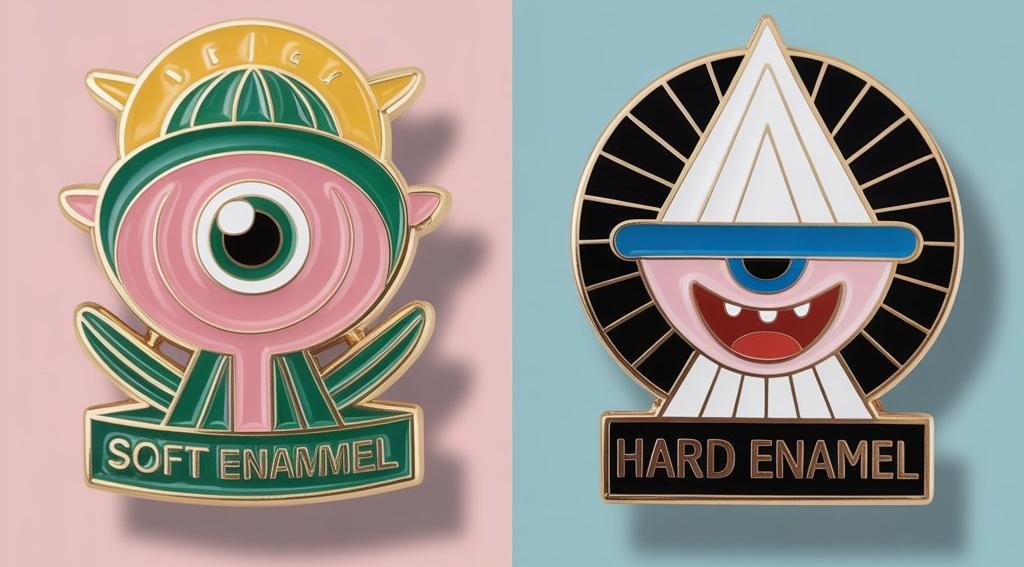
Now, let’s get to the heart of the hard enamel pin vs soft enamel pin comparison. While both are types of enamel pins made from metal bases, their differences boil down to process, look, feel, and function. To make it easy (and fun!), here’s a handy comparison table based on insights from All About Pins and Reddit discussions:
| Aspect | Hard Enamel Pins | Soft Enamel Pins | Die Struck Enamel Pins (Bonus Comparison) |
|---|---|---|---|
| Production Process | Multiple firings per color, polishing for flush finish | Single bake, enamel below metal edges; optional epoxy | Metal stamped without enamel; antique or sandblasted finishes |
| Appearance | Smooth, flat, jewelry-like shine | Textured, raised metal for depth | Pure metal, elegant and minimalist |
| Durability | Highly scratch-resistant, long-lasting | Good, but epoxy boosts it; more prone to wear | Naturally tough, no enamel to chip |
| Cost | Higher due to labor-intensive steps | More affordable for volume production | Often cheapest, simple process |
| Design Suitability | Best for simple, bold designs | Ideal for intricate, detailed artwork | Suited for classic, no-color badges |
Diving deeper: In terms of appearance and texture, hard enamel pins feel premium and professional—like a polished gem—while soft ones add a playful, dimensional pop that’s engaging to the touch. Durability-wise, hard enamel’s multiple bakes make it tougher for high-traffic retail displays, but soft enamel with epoxy holds up well for everyday trading merch. Cost and production time? Soft wins for speed and savings, which is why e-commerce loves them for fast market testing. But what does it take so long to make enamel pins in general? The answer lies in custom molding (up to a week), color matching, firing cycles (especially multiple for hard), and quality checks—factors that ensure your pins are flawless but require patience.
User insights from Reddit’s EnamelPins community add a fun layer: Many prefer hard for its “clean” look in 99% of cases, but soft enamel steals the show for complex designs with shadows and depth. Businesses take note—your choice might hinge on whether you want prestige (hard) or creativity (soft).
Pros and Cons of Each Type
Every coin has two sides, and so do these pins! Let’s break down the pros and cons to help you weigh options for your brand or business.
Hard Enamel Pins:
- Pros: Exceptional durability means they last through tradeshows and retail handling. The luxurious feel elevates brand perception, making them perfect for corporate gifting. Vibrant, fade-resistant colors ensure long-term appeal in e-commerce listings.
- Cons: Higher costs can strain budgets for large orders, and the longer production time (due to multiple firings) might delay launches. They’re less forgiving for super-detailed designs, where lines can thicken during polishing.
Soft Enamel Pins:
- Pros: Budget-friendly for traders and retail buyers stocking in bulk. Supports wild creativity—like rainbow effects or fine details—ideal for e-commerce trends. Faster turnaround lets brands iterate quickly on merch ideas.
- Cons: Without epoxy, they’re more susceptible to scratches, which could affect resale value. The textured surface might not suit ultra-professional branding.
Tying this to your world: Traders benefit from soft’s volume pricing for market flips, while brands might lean hard for consistent image. E-commerce platforms? Soft for fun, viral products; retail buyers, a mix for diverse shelves.
Which Enamel Pin Is Best for Your Business?
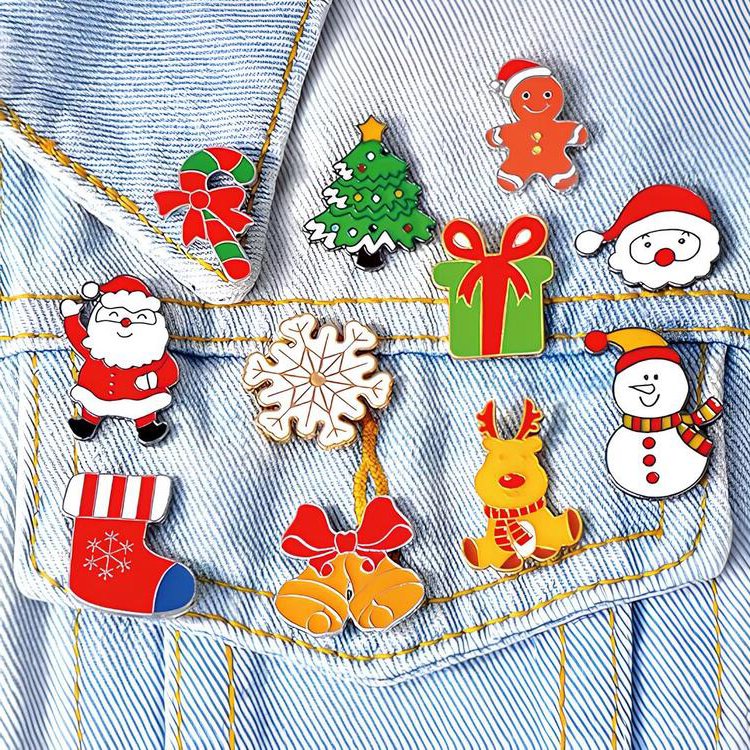
Choosing between hard enamel pins and soft enamel pins isn’t one-size-fits-all—it’s about aligning with your goals. Consider your budget: If cost-efficiency is key for e-commerce testing or retail stocking, go soft. Design complexity? Soft handles intricate patterns better, great for branded storytelling. Intended use matters too—promotional giveaways scream soft for fun factor, while collectibles or executive merch favor hard’s prestige.
Recommendations tailored to you:
- For Brands: Opt for hard enamel to convey quality and build loyalty; think logo pins that feel like heirlooms.
- For E-commerce Platforms: Soft enamel for affordable, customizable lines that encourage impulse buys and user-generated content.
- For Traders and Retail Buyers: Soft for high-volume, trendy items; sprinkle in hard for premium niches to boost margins.
Real-world examples? Brands like those featured in Cocktail Critters use hard for elegant animal pins, while Made by Cooper highlights soft’s versatility for pop culture merch. And don’t forget die struck enamel pins as a third option—pure metal for timeless appeal in awards or minimalist branding.
Conclusion
In the hard enamel pin vs soft enamel pin showdown, both emerge as winners depending on your business vibe. Hard offers durability and sophistication for premium branding, while soft delivers affordability and creative punch for dynamic markets. Among the types of enamel pins, including metal enamel pins and button pins and die struck variants, the right choice amplifies your strategy—whether trading volume, e-commerce innovation, or retail allure.
Ready to pin down your perfect custom design? Head over to Unique at https://uniquecustompins.com/ for expert consultations, quotes, best pin sizes and samples tailored to traders, brands, e-commerce platforms, and retail buyers. Let’s turn your ideas into wearable wins—contact us today and make your mark!
FAQs
Which one is cheaper for big business orders?
Soft enamel pins are cheaper because they’re easier to make. Great for e-commerce or traders buying lots. Hard enamel pins cost more but feel more valuable for brands.
Which is stronger for events or store displays?
Hard enamel pins resist scratches better and last longer. Perfect for busy trade shows or shops. Soft ones are strong too, especially with a clear coating, but best for lighter use.
How can I customize designs for my business?
Yes! Soft pins work well for detailed or colorful designs, like logos with shades. Hard pins are best for simple, bright designs that look pro.
How long does it take to make them for my order?
Soft pins take about 2-3 weeks—quick for fast sales. Hard pins need 3-4 weeks because of extra steps, but they’re worth it for quality.
Is there a minimum number I have to order?
Both start at around 100-500 pieces. Soft pins are easier for big orders since they’re cheaper. We can adjust for your needs—just ask!
How do I pick the right one for my business?
Think about your goal: Hard for fancy, lasting items to impress customers. Soft for fun, cheap products to sell quick. Try samples to see!