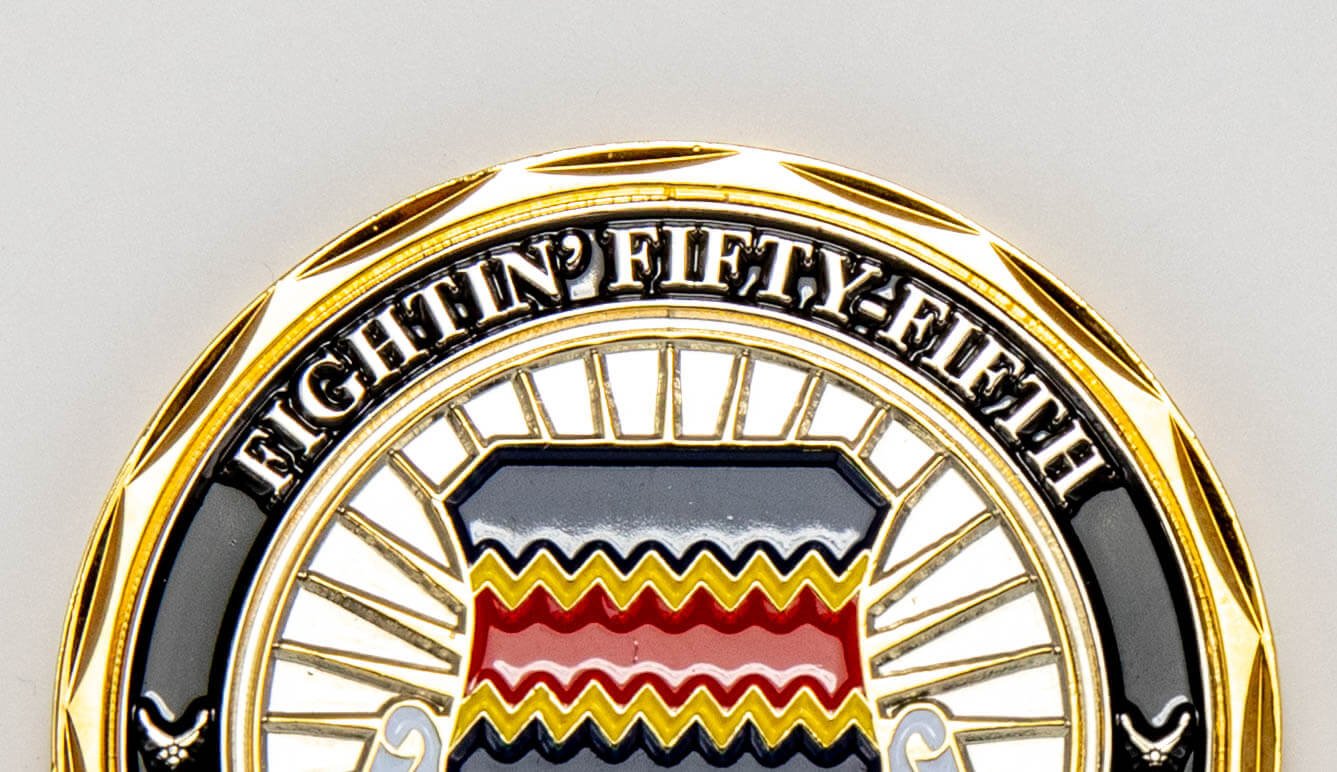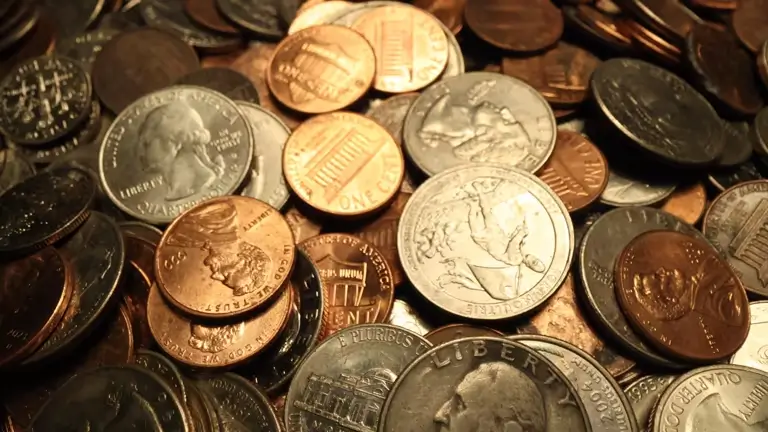
When it comes to creating custom challenge coins for your business, there’s one question that stumps even the most experienced buyers: “What size should I choose?” Whether you’re a trader looking to maximize profit margins, a brand manager crafting the perfect promotional item, an e-commerce platform owner curating your product catalog, or a retail buyer selecting inventory, understanding challenge coin dimensions is absolutely crucial to your success.
Here’s why it matters: Choose too small, and your intricate logo becomes an illegible blur. Go too large, and you’ve blown your budget on coins that are too bulky to carry. The good news? This comprehensive guide will walk you through everything you need to know about challenge coin sizes, helping you make informed decisions that align with your business goals.
Understand Coin Sized Amount: Industry Standards
Let’s start with the basics. When manufacturers talk about “coin sized amount,” they’re referring to the diameter measurement of challenge coins, typically expressed in inches or millimeters. Unlike regular currency coins that follow strict governmental specifications, custom challenge coins offer remarkable flexibility in sizing.
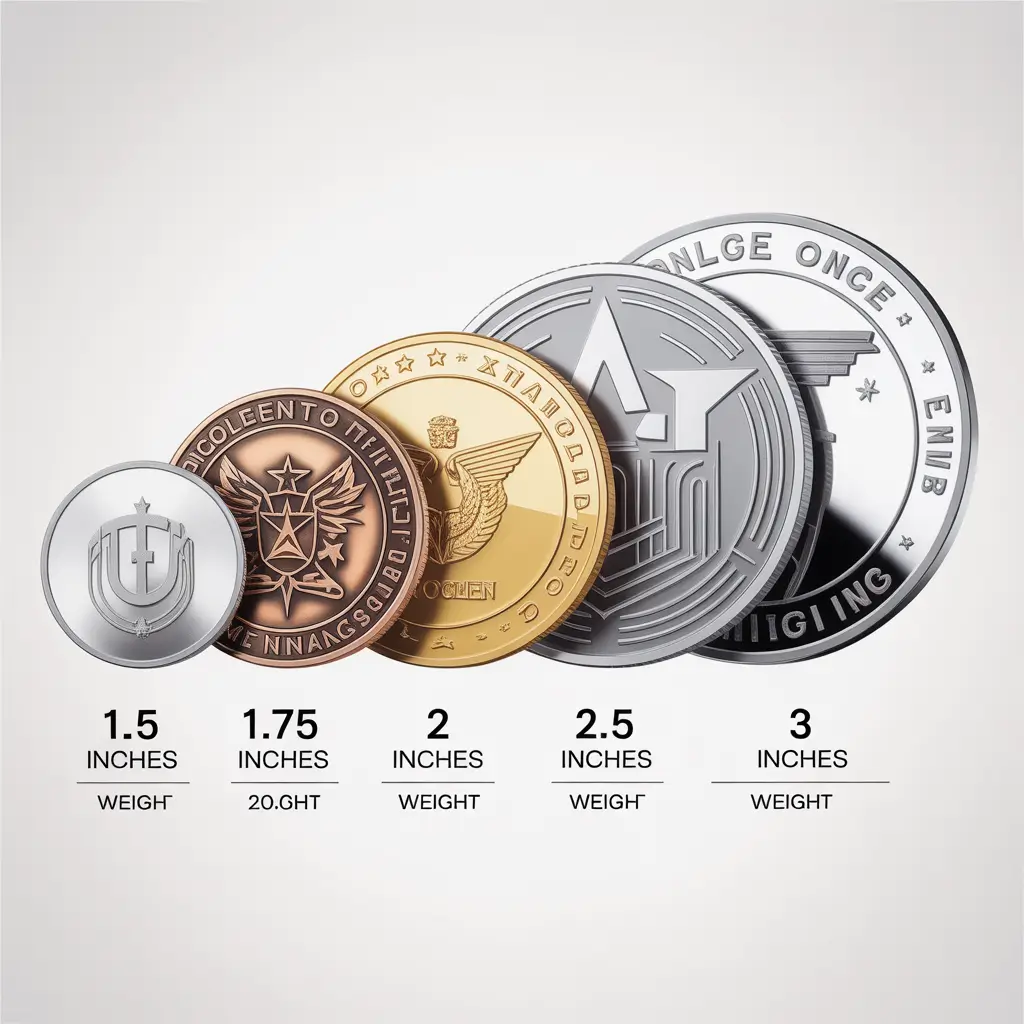
How Big Are Challenge Coins? The Most Popular Sizes
1.5 inches (38mm) – Compact & Budget-Friendly
This is your entry-level option, perfect for large-scale promotional giveaways and trade show swag. Weighing approximately 1 ounce, these coins slip easily into pockets and wallets, making them ideal for mass distribution events. For traders and wholesalers, this size offers the best cost-per-unit ratio, especially when ordering quantities of 5,000 or more.
1.75 inches (44mm) – The Industry Standard
Here’s a fascinating statistic: roughly 70% of B2B clients choose this size, and there’s a good reason why. At approximately 1.4 ounces, the 1.75-inch coin strikes the perfect balance between portability and design space. It’s large enough to showcase your corporate logo with clarity yet compact enough for daily carrying. This is the sweet spot for employee recognition programs and corporate gifts.
2 inches (50mm) – Premium Presentation
When you want to make a statement, the 2-inch coin delivers. Weighing around 1.6 ounces, this size provides ample surface area for complex brand logos and detailed artwork. E-commerce platforms love this dimension because it photographs beautifully in product listings and meets customer expectations for “premium” items.
2.5-3 inches (63-76mm) – Display & Collectible Grade
These are your showstoppers. Perfect for retail products and collector’s items, coins in this size range command attention whether mounted on walls or displayed on desks. The larger canvas allows for superior detail reproduction, making them ideal for intricate designs that would get lost on smaller surfaces.
Special Applications Sizing
Not all challenge coins serve the same purpose:
- Bottle opener coins: Minimum 2.5 inches to ensure proper functionality
- Keychain coins: 1.25-1.5 inches for comfortable attachment
- Display pieces: 3-3.5 inches for maximum visual impact
Now, let’s talk about challenge coin thickness. The industry standard sits at 3mm, which provides a substantial feel without excessive weight. However, you can upgrade to 4-5mm for ultra-premium pieces that feel more like medallions. This thickness directly impacts perceived value—something retail buyers should keep in mind when pricing inventory.
Size Selection Framework for Different Business Needs

For Traders & Wholesalers: The Numbers Game
If you’re in the trading business, your primary concern is profit margin optimization. The cost difference between a 1.5-inch and 2-inch coin isn’t just about material—it’s about the entire supply chain.
Larger coins mean higher shipping costs due to increased weight. A box of 1,000 coins at 1.5 inches might weigh 60 pounds, while the same quantity at 2.5 inches could push 100 pounds, potentially moving you into a higher shipping bracket. Storage also becomes a consideration; larger coins require more warehouse space, impacting your inventory holding costs.
Smart traders often use a challenge coin size chart to calculate total cost of ownership. The surprising finding? Sometimes the 1.75-inch option, despite being slightly more expensive per unit than 1.5 inches, actually delivers better overall margins because customers perceive significantly more value.
For Brands & Marketing Teams: Alignment is Everything
Your brand guidelines didn’t happen by accident, and neither should your coin size selection. If your company logo includes fine details or small text elements, cramming it onto a 1.5-inch coin is a recipe for disappointment.
Here’s a practical framework based on challenge coin dimensions and campaign types:
- Product launches: 2-2.5 inches create that premium unboxing experience
- Trade shows: 1.5-1.75 inches enable high-volume distribution without breaking the bank
- VIP gifts: 2.5-3 inches signal exclusivity and value
- Employee recognition: 1.75-2 inches hit the sweet spot between valued keepsake and practical carry
One marketing director at a Fortune 500 company shared this insight: “We tested 1.75-inch versus 2-inch coins for our customer appreciation campaign. The 2-inch version generated 35% more social media posts. People were genuinely excited to show them off because they felt substantial and impressive.”
For E-commerce Platforms: The Photography Factor
Here’s something most e-commerce sellers don’t consider: challenge coin sizes dramatically impact how your product appears in listings. A 1.5-inch coin photographed solo can look disappointingly small on a customer’s screen, leading to returns and negative reviews citing “smaller than expected.”
Most successful online sellers stick with 2-inch coins as their standard offering because they photograph with impressive detail, size expectations align with customer mental models, and returns due to “size disappointment” drop significantly.
Pro tip: Always include a size comparison object in your product photos—a hand, a quarter, or a credit card. This manages expectations beautifully and reduces post-purchase issues.
For Retail Buyers: Merchandising Strategy
Walk into any successful gift shop, and you’ll notice the best sellers often come in multiple sizes at different price points. This isn’t coincidence—it’s strategic merchandising.
Consider a tiered approach:
- Entry level (1.5 inches): $8-12 retail price point
- Mid-tier (2 inches): $15-25 retail price point
- Premium (2.5-3 inches): $30-50+ retail price point
This pricing ladder accommodates different customer budgets while creating a perceived value hierarchy that encourages trade-up purchases.
Design Complexity vs. Size: The Technical Reality
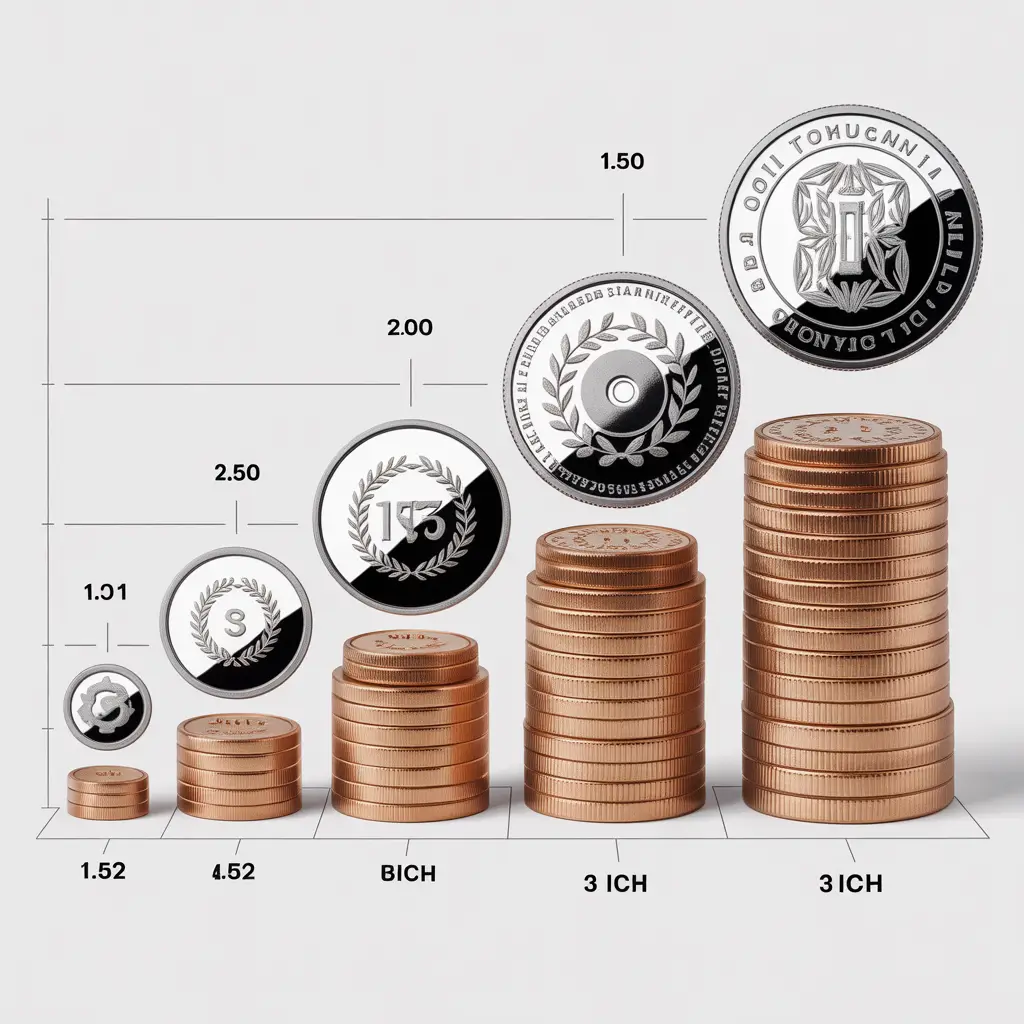
Let’s get practical about what actually works. Here’s the truth about minimum size requirements for common design elements:
- Simple logos: 1.5 inches minimum (think Nike swoosh or Apple logo)
- Detailed emblems: 2 inches minimum (complex crests or badges with multiple elements)
- Fine text under 8-point font: 2.5 inches recommended (or it becomes illegible)
- Photo engravings or portraits: 2.5-3 inches required (facial features need space)
There’s also the “detail density” rule that professional designers live by: the more elements you pack into your design, the more space you need to render them clearly. A coin featuring your company logo, founding year, slogan, and decorative border elements? You’re looking at 2 inches minimum, preferably 2.25-2.5 inches.
Here’s a real-world example: A tech startup wanted to create commemorative coins featuring their mascot character with intricate fur details. Their initial choice was 1.75 inches to stay on budget. The mockup came back looking muddy and unclear. They bumped to 2.25 inches, and suddenly every detail popped beautifully. Yes, it cost 40% more per unit, but the perceived value increased 200%.
The Challenge Coin Size Chart: Your Decision Tool
Let’s create a practical challenge coin size chart that maps dimensions to real-world applications:
| Size | Best For | Typical Use Cases | Key Considerations |
|---|---|---|---|
| 1.5″ | Budget bulk orders | Trade show giveaways, promotional campaigns | Limited design space, maximum cost efficiency |
| 1.75″ | Standard recognition | Employee awards, team coins | Industry standard, best price-to-presence balance |
| 2.0″ | Premium gifts | Client appreciation, detailed logos | Perfect for e-commerce, photographs beautifully |
| 2.5″ | Display items | Collectibles, bottle openers | Higher shipping costs, premium positioning |
| 3.0″+ | Special editions | Limited runs, executive gifts | Maximum impact, highest production costs |
This chart becomes invaluable when you’re juggling multiple stakeholders and need to quickly communicate the implications of each size choice.
Understand Challenge Coin Thickness and Weight
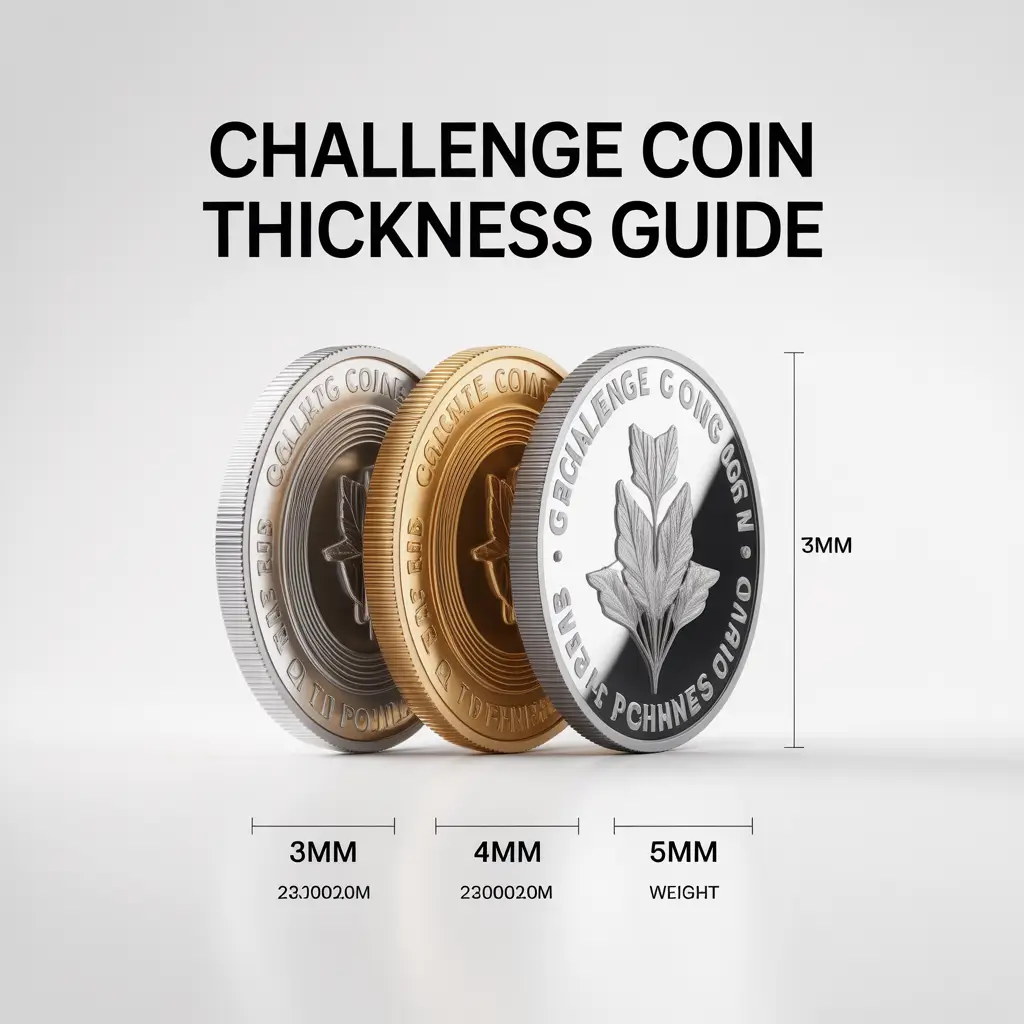
While diameter gets most of the attention, challenge coin thickness profoundly affects how your coins feel in hand—and feeling matters more than you might think.
The standard 3mm challenge coin thickness provides what industry professionals call “substantial presence” without being cumbersome. It’s thick enough to feel quality but thin enough to slip into a pocket without creating an awkward bulge.
When should you consider upgrading to 4-5mm thickness?
- Ultra-premium corporate gifts where you want maximum weight and heft
- Collectible series where thickness differentiates special editions
- Awards and recognition where the physical weight reinforces achievement
- Display pieces where the coin will be viewed from the side on stands
The weight difference is noticeable: a 2-inch coin at 3mm thickness weighs approximately 1.6 ounces, while the same diameter at 5mm jumps to about 2.4 ounces. That extra weight translates to perceived value—customers unconsciously equate heavier with more valuable.
Common Mistakes to Avoid
After working with thousands of clients, here are the mistakes that cost businesses the most money:
Mistake #1: The “Bigger is Always Better” Fallacy
A national restaurant chain once ordered 10,000 coins at 3 inches for their employee appreciation program. The problem? Most employees worked on their feet all day and couldn’t comfortably carry them. Within weeks, these beautiful coins were sitting in drawers instead of pockets, defeating the entire purpose. The lesson: consider how and where your coins will actually be used.
Mistake #2: Undersizing Complex Designs
An e-commerce startup designed gorgeous coins featuring their intricate logo, detailed tagline, website URL, and social media handles. They chose 1.5 inches to maximize their 500-unit budget. The result? Text so small it required a magnifying glass to read. They ended up reordering at 2 inches—spending more money overall than if they’d sized correctly from the start.
Mistake #3: Ignoring Total Cost of Ownership
A retail buyer once chose 2.75-inch coins because the per-unit price was attractive. Then came the surprises: premium packaging required ($2 extra per unit), dimensional weight shipping charges (30% more than expected), and special display stands needed ($5 per coin). The “bargain” turned into a budget disaster.
Expert Tips for Perfect Size Selection
The “Hand Test” Method
Before committing to thousands of coins, request physical samples in 2-3 different sizes. Hand them to colleagues, customers, and stakeholders. Ask: “Which size feels right?” You’ll be amazed how unanimous the response typically is. What looks perfect on a computer screen often feels completely different in physical form.
The 70/20/10 Budget Allocation Rule
Smart buyers allocate their coin budgets across multiple sizes: 70% in a standard workhorse size (usually 1.75-2 inches), 20% in a premium size for special occasions (2.5 inches), and 10% in a compact size for maximum distribution events (1.5 inches). This approach gives you flexibility for different campaigns without locking you into a single option.
Design-First Approach
Here’s the sequence that prevents costly mistakes: First, create your artwork. Second, show it to your manufacturer. Third, get their professional recommendation on sizing. Fourth, decide based on their expertise. Too many buyers do this backward, choosing size first and then trying to force their design into those dimensions.
Making Your Final Decision
Choosing the right challenge coin sizes ultimately comes down to balancing three factors: your design requirements, your intended use case, and your budget constraints. There’s no universal “perfect size”—only the perfect size for your specific needs.
For traders and wholesalers, focus on total cost analysis across your expected order volumes. For brands and marketing teams, let your campaign objectives drive the decision. For e-commerce platforms, think about customer expectations and photography—the 2-inch option consistently performs best in online listings. For retail buyers, consider your merchandising strategy and profit margins.
Ready to Order Your Perfect Challenge Coins?
Understanding challenge coin dimensions transforms you from a buyer making guesses into a strategic decision-maker maximizing ROI. Whether you’re ordering 100 coins or 100,000, the principles remain the same: match size to purpose, consider total costs, test before committing, and never sacrifice design quality for marginal cost savings.
At Unique Custom Pins, we’ve manufactured over 50 million coins for businesses worldwide. Our design team offers free consultations to help you select the optimal size for your specific needs. We’ll review your artwork, understand your goals, and provide honest recommendations—even if it means suggesting a smaller, less expensive option than you initially considered.
Want to see how different sizes look with your design? Contact us to request your free sample featuring coins in multiple dimensions. There’s simply no substitute for holding the actual sizes in your hand before making your final decision.
Your challenge coins represent your brand, celebrate achievements, and create lasting memories. Choosing the right size ensures they accomplish all three goals beautifully. Let’s create something remarkable together.
FAQs
What is the most popular challenge coin size for B2B orders?
The 1.75 to 2-inch diameter accounts for approximately 70% of bulk business orders. This size balances design space, portability, and cost-effectiveness, making it ideal for employee recognition programs and corporate gifts.
How big are challenge coins for promotional giveaways?
Most businesses choose 1.5 to 1.75-inch coins for trade shows and promotional events. These sizes are cost-effective for high-volume orders (5,000+ units), lightweight for shipping, and easy for recipients to carry.
What’s the minimum professional coin size?
We recommend 1.5 inches minimum for business applications. For logos with fine details or text beyond your company name, start at 1.75 inches to ensure clarity.
How does size affect bulk order pricing?
Pricing increases approximately 30-40% from 1.5″ to 2″, and another 50-60% from 2″ to 2.5″. However, volume discounts are significant—1.75″ coins might cost $4.50 each for 100 units but drop to $2.20 for 5,000 units.
Are there hidden costs with larger coins?
Yes. Coins 2.5″+ typically require premium packaging ($0.50-$2.00 per unit extra), higher shipping charges (15-30% increase), and potentially display stands. Always request total landed cost including packaging and shipping.
Can I get discounts ordering multiple sizes?
Absolutely! Ordering 2,000 coins in 1.75″ and 1,000 in 2.5″ together often qualifies for 3,000-unit pricing on both sizes, making multi-size orders cost-effective.