







You finally approve the artwork — bold, vibrant, exactly on-brand on screen. Weeks later, the finished enamel pins arrive, and something feels off: the blue leans green, the red looks orange. For traders, brands, e-commerce sellers, and retail buyers, this isn’t just cosmetic — it’s a business problem, meaning disappointed customers, broken brand guidelines, or a batch that doesn’t match your shelf.
The good news? This is completely avoidable. It just requires understanding one thing most first-time buyers overlook: enamel pin colors don’t behave the same way screen colors do. Below, we break down why — and how to get your colors right the first time, every time.
Why Screen Colors Can’t Be Trusted for Enamel Pin Production
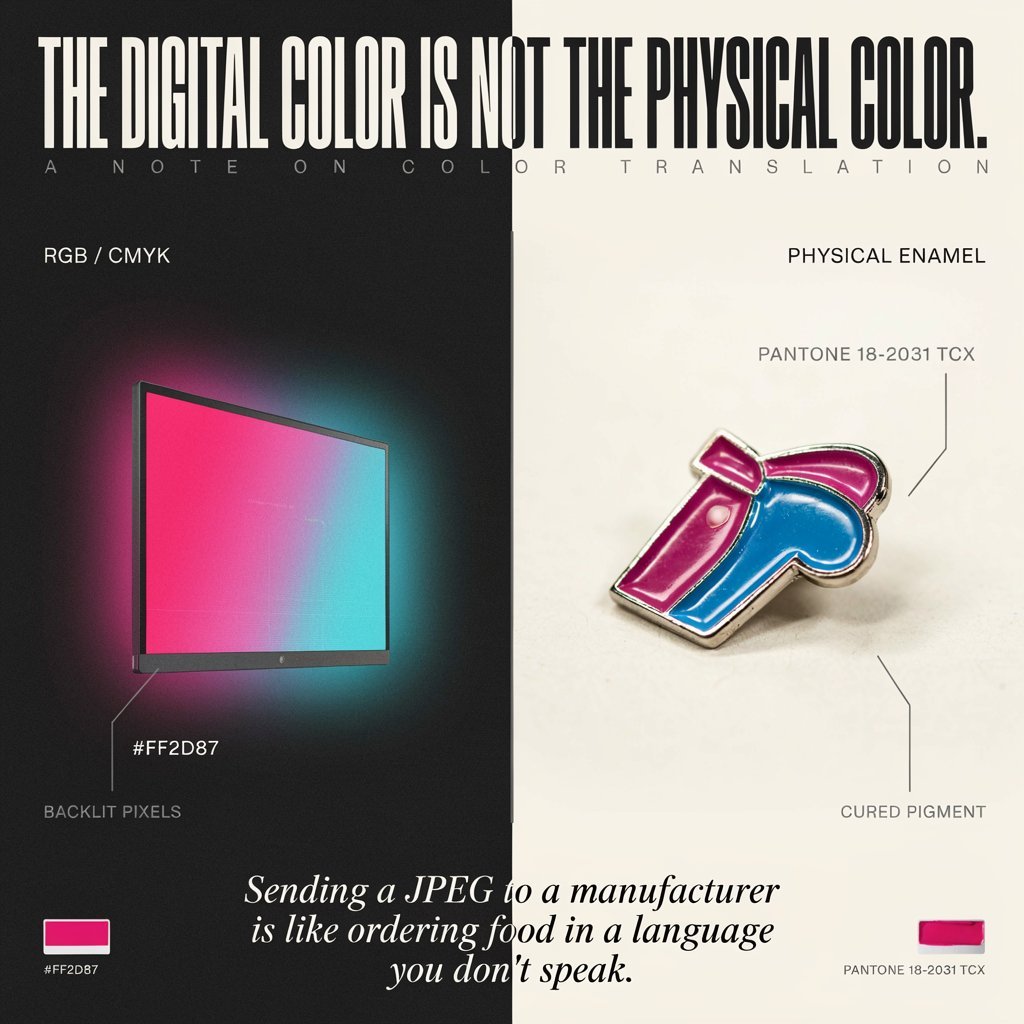
RGB/CMYK vs. Physical Enamel Paint
Your monitor displays color using backlit RGB pixels. It’s bright, glowing, and — frankly — a little too optimistic. Enamel pins, on the other hand, are made by filling metal recesses with physical paint, which is then cured, polished, and set permanently into place. There’s no backlight involved. There’s no digital brightness boost. What you see on screen and what a factory can physically produce with pigment are simply two different languages.
This is why sending a manufacturer a JPEG, a screenshot, or a hex code often leads to guesswork. The production team does their best to “translate” your digital color into a real-world pigment, but without a shared reference point, that translation is a bit like ordering food in a language you don’t speak — you might get something close, but it’s rarely exact.
The Business Risk of Color Mismatch
For a hobbyist ordering ten pins, a slightly-off shade might not matter much. But if you’re a brand fulfilling a retail order, a trader managing multiple SKUs, or an e-commerce seller with a catalog photo already published, color consistency becomes a real business risk.
Inconsistent enamel pin colors can mean:
- Products that don’t match your published listing photos
- Logos that technically violate brand style guides
- Reorders that don’t match the original batch
- Costly delays while corrections are made
The fix isn’t complicated — it just requires the right vocabulary before production starts.
Pantone Matching System (PMS): The Industry Standard Explained
What Is Pantone Solid Coated, and Why It’s the Right Reference
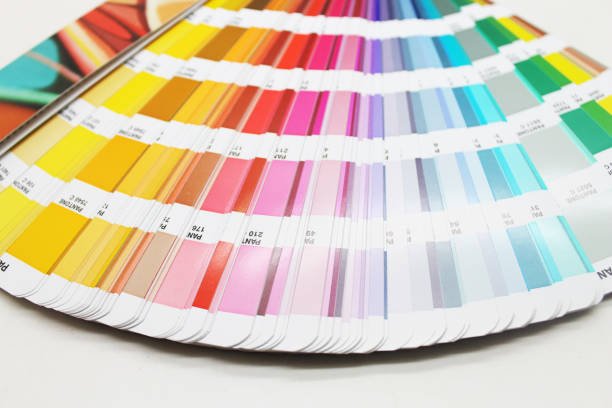
This is where enamel pin Pantone colors come in. The Pantone Matching System (PMS) is a standardized color library used across manufacturing industries worldwide. Instead of describing a color as “ocean blue” or “warm gold” — which means something different to everyone — you reference a specific PMS number, like PMS 300 C. That number corresponds to one exact, reproducible shade, understood identically by designers and factories anywhere in the world.
Think of it as a universal color dictionary. It removes guesswork entirely.
Coated (C) vs. Uncoated (U) — Which One to Use
Pantone codes come with a suffix — usually “C” or “U” — and this small letter matters more than most buyers realize.
- Coated (C): How the color appears on glossy, coated paper — smooth, saturated, and closer to how cured, polished enamel actually looks.
- Uncoated (U): How the color appears on matte, porous paper — softer and less vivid.
Since finished pins are polished metal with a glossy enamel fill, Pantone Solid Coated (C) is almost always the correct reference. Using an uncoated code by mistake is a small but common error that can throw off an entire order.
How to Read a Pantone Code
A typical PMS code looks like this: PMS 186 C. The number identifies the specific shade, and the “C” confirms it’s the coated version. When submitting a design, label every individual color block with its matching PMS code — don’t rely on the file’s default color panel, which may not reflect true Pantone values.
How Metal Plating Affects Final Pin Color
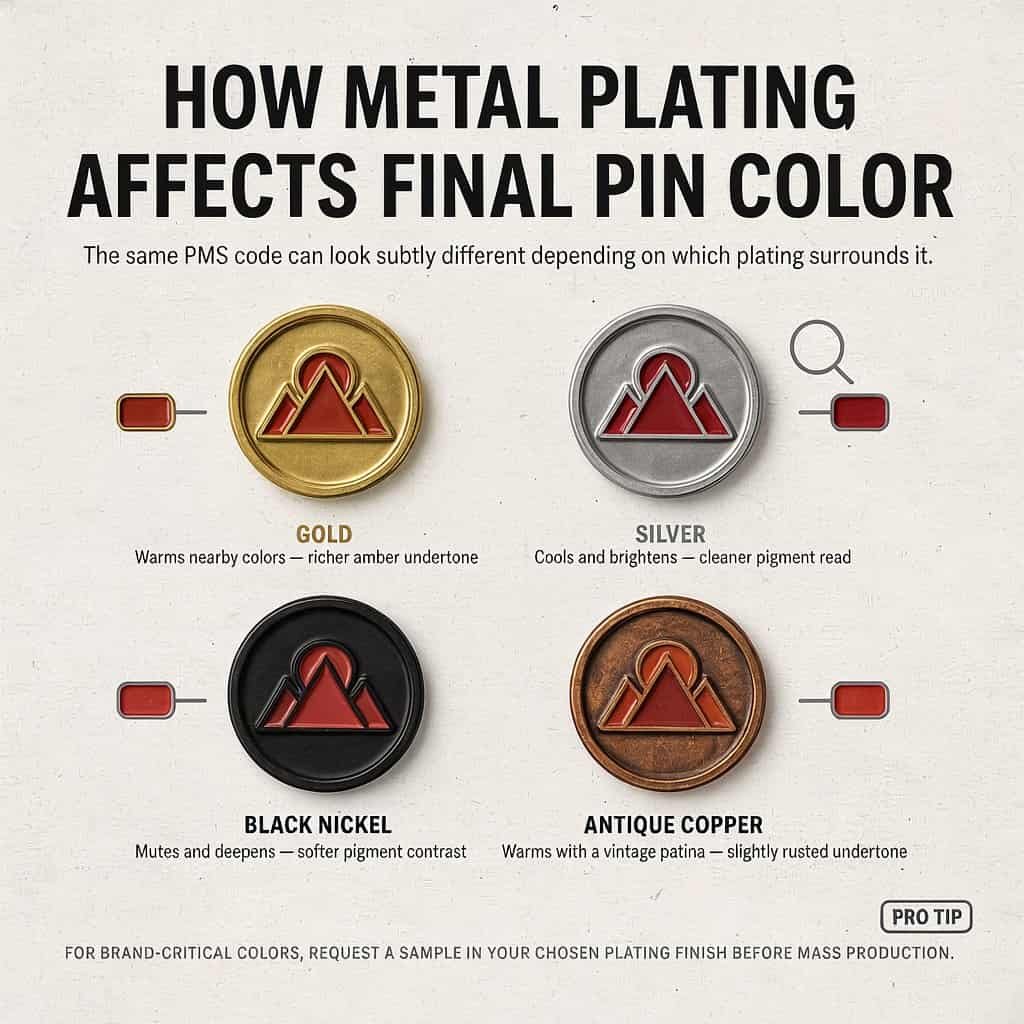
Here’s a detail many buyers never think about: the metal edging around your enamel pin isn’t just decorative — it physically interacts with the color sitting next to it.
Gold, silver, black nickel, and antique copper platings all reflect light differently. Gold plating tends to warm up nearby colors, giving pigments a richer, slightly amber undertone. Silver and black nickel, by contrast, can make the same pigment look cooler or more muted. This means the exact same PMS code can look subtly different depending on which plating option surrounds it.
This isn’t a flaw in production — it’s simply how light and metal interact. But it’s worth knowing before you lock in a design, especially for brand logos where color precision really matters. If a color is business-critical, it’s worth requesting a sample specifically in your chosen plating finish before mass production begins.
Soft Enamel vs. Hard Enamel: Which Affects Color Accuracy More
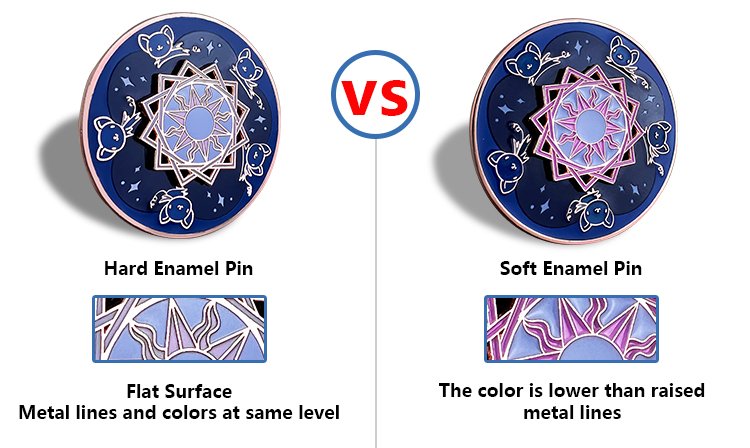
Not all enamel pins are built the same way, and the type you choose can influence how “true” your colors look.
Soft enamel pins have slightly recessed color areas, giving a textured, hand-touch finish. Because the surface isn’t perfectly flat, color can catch light in small variations — great for a tactile, artisanal look, but slightly less precise for color-critical branding.
Hard enamel pins are filled and polished flush with the metal surface, creating a smooth, glass-like finish. This flat surface reflects light more evenly, which generally makes hard enamel the better choice when exact enamel pin Pantone colors are non-negotiable — think corporate logos or products that need to visually match across multiple batches.
If your project prioritizes color accuracy over texture, hard enamel is usually the safer bet.
A Step-by-Step Guide to Submitting Accurate Color Specs
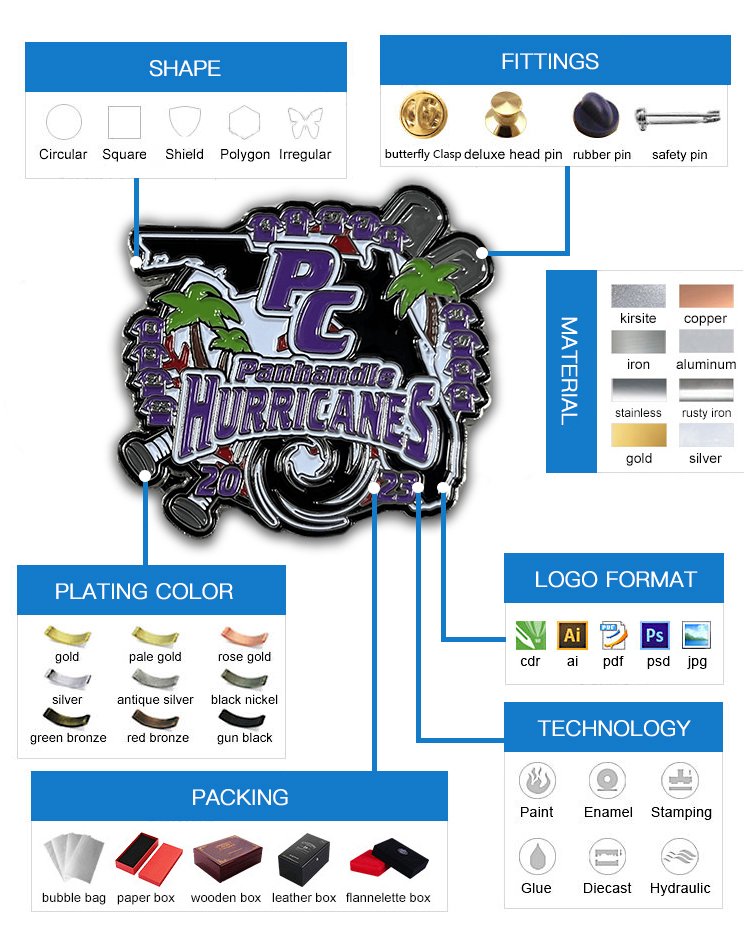
Once you understand the “why,” the “how” is refreshingly simple. Here’s exactly how to make custom pins with color accuracy built in from day one:
Step 1 — Convert your design to Pantone codes before sending files. Don’t submit RGB or hex values alone. Have your designer (or ask your manufacturer to help) assign a PMS Solid Coated code to every color in the design.
Step 2 — Limit your color count. Most experienced pin makers recommend keeping designs to around 6–8 colors. Fewer colors generally means tighter accuracy, faster production, and lower cost — a win on every front.
Step 3 — Request a physical proof or labeled digital sample. Ask for a proof that clearly shows the PMS code next to each color swatch. This gives both you and the factory a shared checkpoint before full production begins.
Step 4 — Confirm plating color separately from enamel color. Since plating affects how enamel colors read, approve your metal finish (gold, silver, nickel, etc.) as its own decision — not an afterthought.
Following these four steps turns pin design from a guessing game into a predictable, repeatable process — exactly what trading partners and retail buyers need for reliable, scalable orders.
Common Color Matching Mistakes That Cost Buyers Time and Money
Even experienced buyers fall into a few recurring traps:
- Sending only a JPEG or screenshot without PMS codes. It feels faster, but it almost always leads to a round (or two) of costly revisions.
- Assuming 100% color match is always possible. Enamel, metal, and light behave differently than paper or screens. A skilled manufacturer can get remarkably close — but treat “identical” as a goal, not a guarantee, especially across different materials or plating options.
- Skipping the sample approval stage to save time. This almost always backfires. A five-minute proof review is far cheaper than reworking an entire production run.
When Is Perfect Pantone Matching Worth the Investment?
Not every project needs laboratory-level precision, and that’s okay.
Worth the extra care: corporate logos, established brand guidelines, multi-product collections that need to look cohesive, and reorders that must match a previous batch exactly.
More flexibility is fine: original artwork, one-off creative designs, or experimental collections where a slight variation adds character rather than causing a problem.
Knowing which category your project falls into helps you invest your time (and budget) where it actually matters.
How UniqueCustomPins Ensures Accurate Color Matching
At UniqueCustomPins, color accuracy isn’t an afterthought — it’s built into our process. Every order moves through a clear proof-to-production pipeline: we confirm your Pantone Solid Coated codes, provide a labeled digital or physical proof for your approval, match your chosen plating finish, and lock in production specs only after you sign off.
For traders and brands managing multi-batch or repeat orders, we also maintain color records for every project, so reorders come back looking exactly like the original — no surprises, no re-negotiating color from scratch.
Final Thoughts
Great pin design isn’t just about a striking image — it’s about making sure that image survives the journey from screen to physical product without losing its identity along the way. Understanding enamel pin Pantone colors, choosing the right enamel type, and communicating clearly with your manufacturer are the small steps that prevent big headaches down the line.
Ready to turn your artwork into pins that match your vision, batch after batch? Request a free Pantone-matched digital proof before you place your bulk order.
FAQs
What is Pantone Coated, and why is it used for enamel pins?
Pantone Coated (C) reflects how a color looks on a glossy surface, which closely mirrors the finish of polished enamel — making it the standard reference for pin production.
Can enamel pins match 100% to a Pantone color?
They can get very close, but enamel, metal, and lighting behave differently than paper. Expect an excellent match, not a laboratory-perfect one.
Do I need to specify Pantone codes for a small sample order?
Yes — even small orders benefit from PMS codes, especially if you plan to reorder later and want consistency.
How does metal plating affect enamel color?
Gold, silver, and black nickel finishes reflect light differently, which can subtly shift how the same enamel color appears.
What file format should I submit for accurate color reproduction?
Vector files (AI, EPS, or PDF) with labeled Pantone Solid Coated codes for each color give manufacturers the clearest, most accurate specs to work from.