







Ever picked up a belt buckle and thought, “what is this thing actually made of?” You’re not alone. Behind every shiny buckle — whether it’s sitting on a store shelf, dangling from a rodeo trophy belt, or waiting to be shipped out in a bulk e-commerce order — there’s a material story that quietly decides everything: cost, durability, how it feels in your hand, and whether your customers come back for more (or send it back for a refund).
For traders, brand owners, e-commerce sellers, and retail buyers, this isn’t just trivia. Material choice is one of the biggest levers you can pull to control margins, minimize returns, and position a product as either an affordable everyday accessory or a premium collectible. So let’s break down what belt buckles are made of, how they’re manufactured, and how to pick the right material for your business.
Metal Materials Used in Belt Buckle Manufacturing
Zinc Alloy (Zamak)
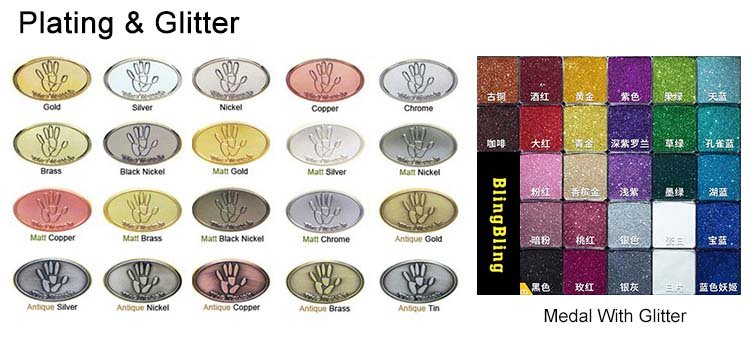
If custom belt buckles had a “most valuable player,” zinc alloy would win it every year. It’s affordable, melts easily for die-casting, and holds crisp detail — perfect for intricate logos, 3D relief designs, and any finish you can dream up, from polished gold to antique silver. It’s also incredibly plating-friendly, which is why so many manufacturers (UniquePins included) build their no-MOQ custom programs around it. If you’re an e-commerce seller testing a new design or a trader who needs flexible reorder quantities without breaking the bank, zinc alloy is usually your best entry point.
Brass
Brass has that warm, old-world glow that instantly reads as quality. It resists corrosion, takes engraving beautifully, and ages with a patina that many customers actually want (looking at you, vintage and western-style buyers). Brands going for a retro or heritage aesthetic — western wear, workwear, heritage fashion lines — lean heavily on brass because it photographs well and feels substantial in the hand.
Stainless Steel
Need something that can survive a construction site, a gym bag, or years of daily wear without flinching? Stainless steel is your answer. It resists sweat, oxidation, and general abuse, which makes it a favorite for military-style buckles, outdoor brands, and any belt buckle for men built around a rugged, no-nonsense identity. If durability is your main selling point, stainless steel lets you market that promise with confidence.
Sterling Silver & German Silver
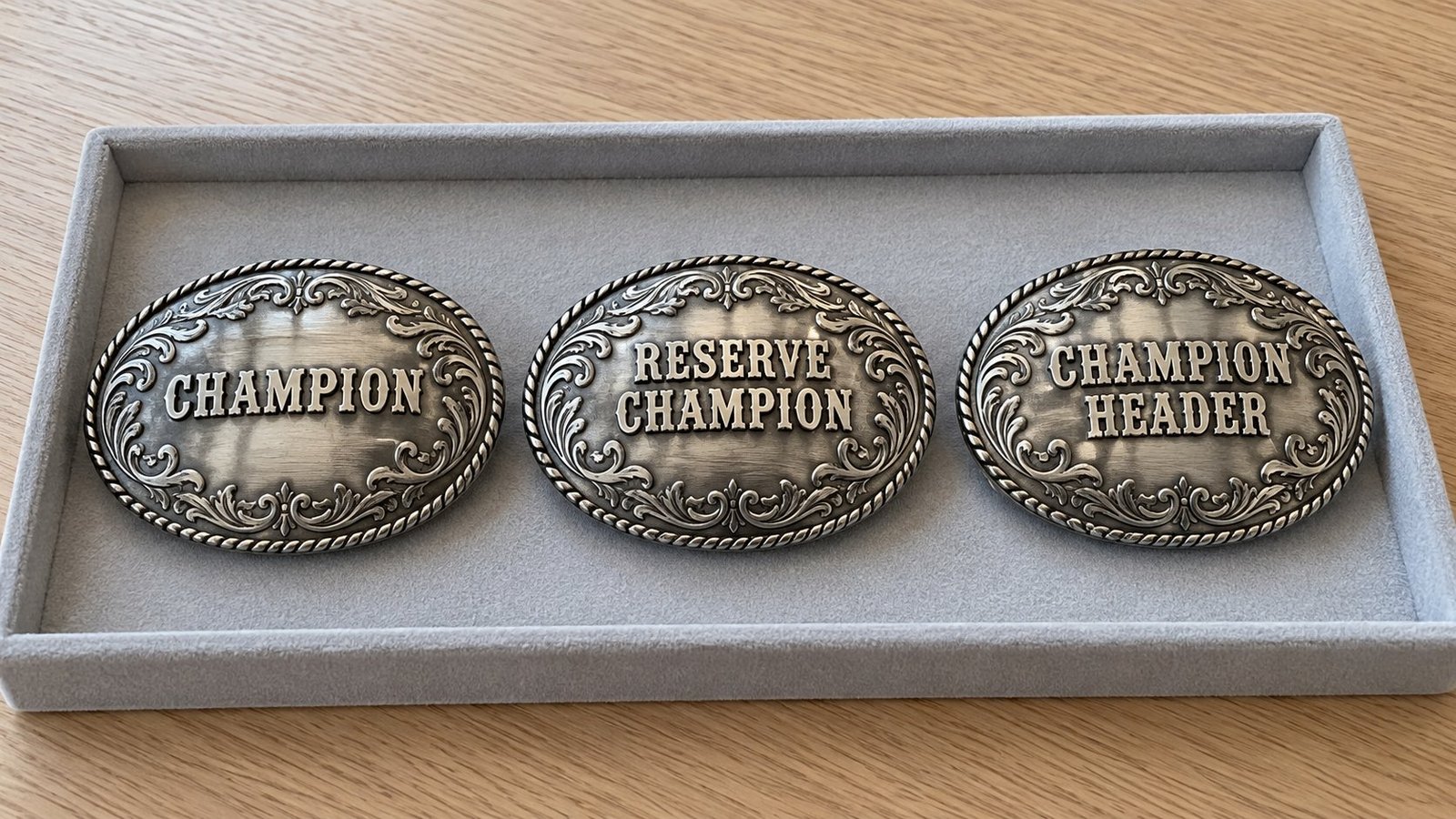
At the top of the material ladder sit sterling silver and German silver (an alloy of copper, nickel, and zinc, despite the confusing name). These aren’t stamped out in seconds — they’re built the slow way, involving hand-cutting, soldering, and hand engraving with a graver to create that signature “diamond cut” scrollwork. Western trophy buckles and heirloom-quality accessories are typically made this way, and the process can take several weeks from digital proof to finished polish. For brands targeting a premium, collector-grade niche (rodeo trophies, luxury western wear, competition awards), this is where the real prestige lives — just budget for higher costs and longer lead times.
Pewter
Pewter is the unsung hero of budget-friendly detail work. With a low melting point (around 170–230°C), it’s ideal for casting into silicone molds, capturing fine textures without the cost or complexity of precious metals. It’s a go-to for gothic, punk, and novelty buckle markets, where bold designs need to be produced affordably and at volume.
Titanium
Lightweight yet remarkably strong, titanium is gaining traction in sportswear and outdoor gear lines. It won’t rust, it won’t weigh down a belt, and it appeals to customers who care about both performance and understated style.
Non-Metal Materials Worth Knowing
Metal dominates the market, but a few alternative materials serve specific niches:
- Plastic, acrylic, and nylon — lightweight and cheap, popular for children’s belts, novelty items, and budget casualwear.
- Wood (mahogany, oak, walnut) — natural, sustainable-looking, and increasingly popular with eco-conscious brands, though less durable long-term.
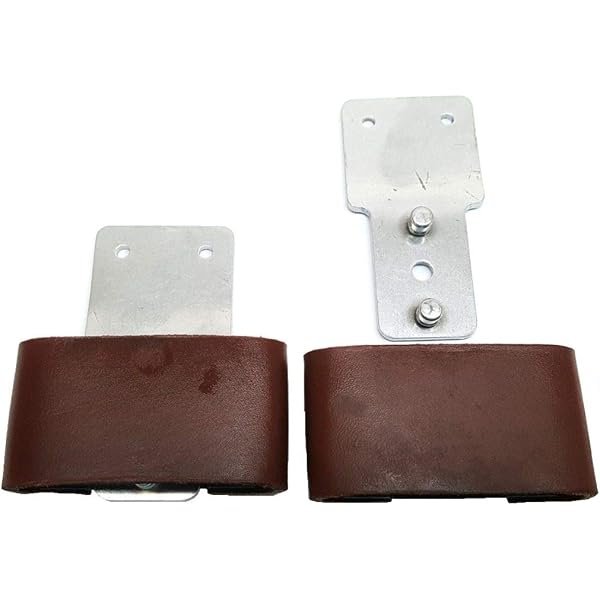
- Leather-wrapped buckles — a favorite in the DIY belt buckle and hobbyist-crafting world, where a metal blank gets wrapped, tooled, and dyed by hand for a one-of-a-kind piece. It’s a fun niche for makers, though not typically scalable for bulk retail.
How Belt Buckles Are Made?
Material and process go hand in hand, so it helps to understand how these buckles actually come together.
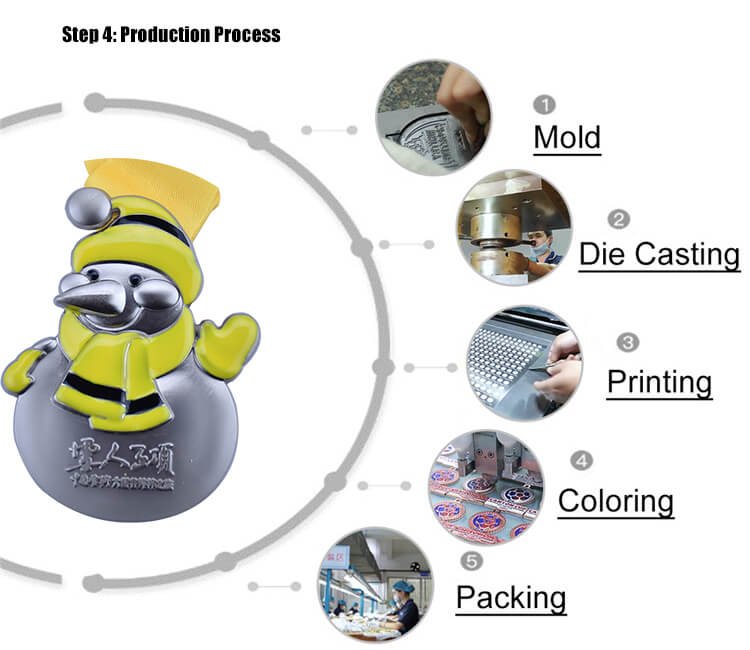
Die-casting is the workhorse of mass production — molten zinc alloy or brass is injected into a steel mold, producing consistent, detailed pieces quickly and affordably. Lost-wax casting takes a slower, more artisanal route: a wax model is built, encased in a ceramic shell, then melted away and replaced with molten metal — perfect for intricate, one-off, or premium designs.
Then there’s the age-old craft of forging a belt buckle by hand — hammering and compressing metal sheet into shape, which is exactly how heritage silversmiths build their heirloom pieces. This method produces a denser, more durable buckle, but it takes real skill and time, which is reflected in the price tag.
Finishing touches matter just as much as the casting method. Hand engraving with a graver creates that signature textured scrollwork you see on trophy buckles, while pantograph engraving machines can replicate detailed templates faster and more consistently for mid-volume runs. After shaping, buckles typically go through plating (gold, silver, antique finishes), polishing, and sometimes enamel fill for color.
Understanding this process also makes the belt buckle components easier to appreciate — the frame (or face) is where all this artistry lives, while the prong and center bar are the functional, load-bearing parts that need strength above all else. When you’re sourcing, remember: the frame is your branding canvas, but the prong and bar are where durability complaints usually start if the material is cut too thin or cheap.
How to Choose the Right Material for Your Business
Here’s where theory meets your actual P&L. A quick comparison to help you decide:
| Material | Cost | Durability | Customization | Lead Time | Best For |
|---|---|---|---|---|---|
| Zinc Alloy | $ | Good | Excellent | Fast | E-commerce, promo items, startups |
| Brass | $$ | Very Good | Excellent | Fast–Medium | Retro/western retail, heritage brands |
| Stainless Steel | $$ | Excellent | Good | Medium | Military, outdoor, rugged men’s lines |
| Silver/German Silver | $$$$ | Excellent | Premium/artisanal | Slow (weeks) | Trophy buckles, luxury, collectors |
| Pewter | $ | Fair | Very Good | Fast | Gothic/novelty, budget niche |
| Titanium | $$$ | Excellent | Moderate | Medium | Sports, performance gear |
A few practical takeaways:
- Traders and wholesalers restocking frequently should lean on zinc alloy — it keeps unit costs low and reorder cycles fast.
- Fashion brands wanting a premium feel without premium pricing should look at brass or plated zinc alloy.
- Western, rodeo, and trophy niches can justify silver or heavily antiqued brass, where craftsmanship is the product.
- E-commerce startups testing new designs should start with zinc alloy and no-MOQ production — low risk, fast iteration.
Material Safety Considerations — Nickel-Free & Compliance
If you’re selling into markets with strict consumer safety standards (or simply want fewer support tickets about skin irritation), nickel content matters. Nickel allergies are common, and nickel-free buckle options are increasingly requested by retail buyers and e-commerce platforms alike. Look for suppliers who can provide RoHS and REACH compliance documentation — it’s a small ask that can save you from costly returns, complaints, or compliance headaches down the road.
Conclusion
Whether you’re stocking a rugged belt buckle for men collection, exploring a fun DIY belt buckle project, or sourcing premium pieces built through traditional forging a belt buckle methods, the material you choose shapes everything downstream — cost, durability, and how your customers perceive your brand. Understanding the core belt buckle components and the materials behind them isn’t just interesting trivia; it’s a genuine competitive advantage when you’re sourcing smart.
Ready to turn this knowledge into a real product line? UniquePins offers no-MOQ custom belt buckles across zinc alloy, brass, and premium finishes, with free proofs and fast turnaround — so you can go from material decision to finished product without the usual bulk-order headaches. Reach out for a free quote and let’s build your next best-seller together.
FAQs
What metal are most belt buckles made of?
Most commercial belt buckles are made from zinc alloy or brass, thanks to their affordability, strength, and excellent detail retention.
Is brass or zinc alloy better for belt buckles?
Zinc alloy is cheaper and great for intricate, plated designs; brass offers a warmer look and slightly better corrosion resistance. Neither is “better” outright — it depends on your price point and aesthetic goals.
Are belt buckles made of real silver?
Some are — particularly high-end western trophy buckles and artisanal pieces made from sterling silver or German silver. However, most everyday and retail buckles use silver-plated zinc alloy or brass instead of solid silver.
What is the cheapest material for custom belt buckles?
Zinc alloy and pewter are typically the most cost-effective choices, especially for detailed, no-MOQ custom orders.
Can belt buckle materials be nickel-free?
Yes — many manufacturers now offer nickel-free alloy options specifically to reduce allergy risk and meet retail compliance standards.